
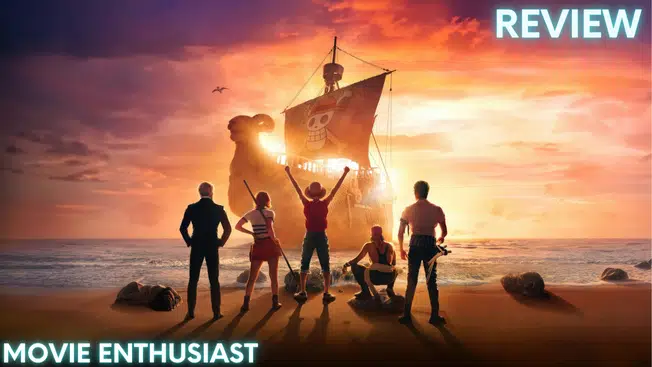
Ever since its announcement in 2019, the live-action adaptation of "One Piece" has been the subject of both optimistic and pessimistic predictions. On one hand, long-time fans of Monkey D. Luffy eagerly anticipated seeing the “stretchy pirate” and his crew in the flesh; the manga, published since 1997, is the best-selling of all time, and the Netflix series resonates with at least two generations of readers worldwide. On the other hand, anime and manga adaptations have not had a particularly positive track record in Hollywood, leading to concerns over excessive Americanization. The first season of the series provides ammunition for both sets of expectations.
The start is promising. The first episode sheds some of the manga's excesses, ensuring that Luffy (portrayed by Iñaki Godoy) has a brisk and charming debut, recreating the sense of discovery imbued by Eiichiro Oda in his original work. This briskness, however, soon morphs into hastiness and negligence, with the revolutionary subtext that the mangaka has been embedding in his story for over 25 years losing its spotlight in the show.
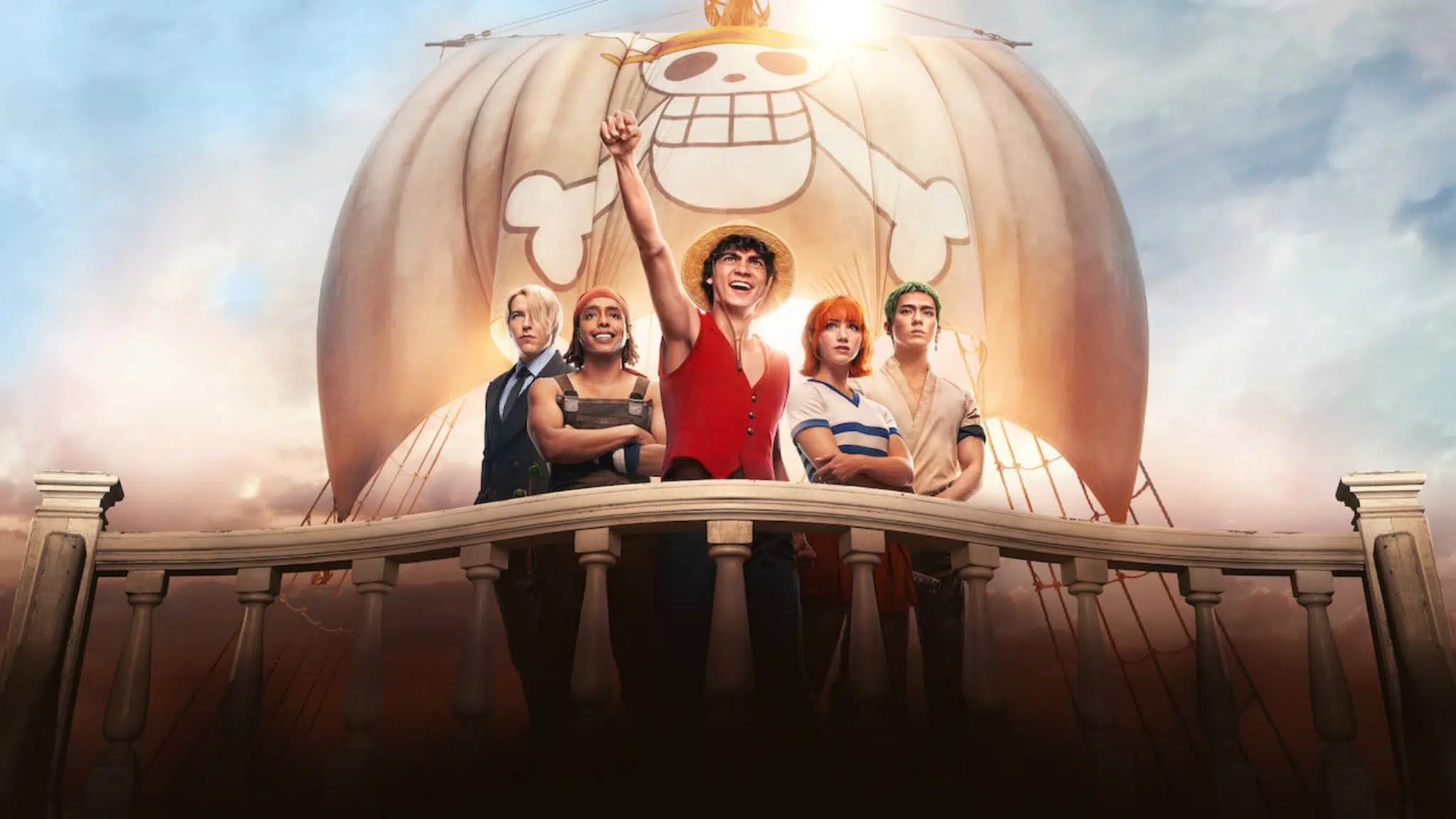
The way the writers try to cram five to eight anime episodes into a single live-action episode also hampers character development. While Luffy, Nami (Emily Rudd), and Zoro (Mackenyu) have their moments to shine, Usopp (Jacob Romero) and Sanji (Taz Skylar) never truly find their place in the storyline and, apart from the arcs introducing them, barely affect or engage with the world the series tries to build.
Supporting characters, so crucial in the original work, are largely reduced to cameos in the live-action. Instead of delving into the villages and islands visited by the Going Merry, "One Piece" spends hours on the misadventures of Koby (Morgan Davies) and Helmeppo (Aidan Scott) under Garp's (Vincent Regan) command, overlooking the diverse inhabitants of East Blue. This not only diminishes Oda's world but also stunts the growth of the protagonists, who have minimal to no interactions with the characters whose lives they impact during their journey.
Aiming to attract new fans, this first season overly simplifies some vital concepts of this universe. While changes are inevitable in any adaptation, the scriptwriters lean heavily into dumbing down. Those familiar with "One Piece" for over a decade who were anxious about the adaptation should now take issue with scenes that appear tailored for very young viewers, rather than the mature audience.
The main casualty of this Hollywood simplification is the hard-hitting social critique that backs Oda's work. While it does tackle the abuses of the Navy and the World Government, the new "One Piece" shies away from delving deep into this debate, taking a more "neutral" stance. This is evident in the adaptation of the "Arlong Park" arc, which replaces discussions about the rise and prosperity of militias in militaristic, punitive governments with a superficial historical backdrop of the fish-men and their marginalization.
While the live-action "One Piece" feels superficial in its narrative, the casting of the main characters is spot-on. Iñaki Godoy embodies Luffy's straightforward, optimistic personality, lending the series a charisma akin to its animated counterpart. Yet, the standout is Emily Rudd as Nami. With more emotional depth to explore than her peers, she quickly emerges as the main draw, delivering commendable performances even in the weaker episodes — ironically, the ones that delve into her character's backstory.
The series' approach to its primary conflict reflects a westernized standard; establishing Arlong (McKinley Belcher III) as the season's main antagonist moves "One Piece" beyond its episodic nature. Arlong's looming presence over the protagonists, especially Nami, is felt throughout the first season, making his downfall a cathartic climax tying together the initial eight episodes.
Visually, "One Piece" barely owes anything to Oda's work. The visual effects of Luffy's powers, which concerned fans in the lead-up to the series premiere, are flawless. Even when obscured in occasional dark settings, the pirate's stretchy limbs are convincingly real, allowing viewers to immerse in and enjoy the quirks of this universe. The series also succeeds by adopting a cartoonish style akin to the anime, with vibrant colors consistently emphasizing the optimistic aura surrounding the Straw Hat crew's adventures.
Even if a fight or two is shrouded in darkness to mask budgetary constraints, "One Piece" battles are well choreographed and filmed, especially those involving Zoro. Just as in the original versions, every live-action showdown serves a narrative purpose. Each strike and move unveils a facet of the character's personality, bridging characters and viewers in ways the Americanized script often fails to.
As a mere introduction for new fans, Netflix's "One Piece" works due to the charisma and dedication of its main cast. However, the weight of responsibility and time becomes evident when comparing this adaptation to the manga or anime. Although nothing stops the series from attracting new fans to Oda's masterpiece, long-time viewers might see the live-action as yet another cynical attempt to mold a global title to Western sensibilities.





Share your thoughts!
Be the first to start the conversation.