
If it weren't for "The Holdovers,” I wouldn't have realized that the last time I saw Alexander Payne's direction was 6 years ago. The representative work of this 62-year-old director, "Sideways," is a favourite of many film fans. He and the Korean actress Sandra Oh got married but the couple filed a divorce three years later. Now he is married to a Greek literature scholar and has a daughter.
Throughout his career, Oscars, Golden Palm Awards, Golden Globes, BAFTAs and more major awards frequently nominated his directorial and screenwriting efforts. He has also been nominated for three Oscars for directing and won two Academy Awards for adapted screenplays. Alexander Payne was once seen as having an "undeniable impact on the storytelling mode of 21st-century American cinema" within the industry.

Ordinary People
In his work, he often reflects on success and failure in terms of "family", and attempts to construct a worldview centred around the heroism of small characters. Although his films always possess a positive core, his performance approach is often full of black humor. Audiences can often discern his satirical depictions of contemporary American society through his works. This could be precisely what makes his work uniquely charming.

For Paul Giamatti, the lead of "The Holdovers," I have mixed feelings. As a die-hard fan of Damien Lewis and in the process of chasing "Billions," I was extremely angry with the character Chuck played by Paul Giamatti, who is Chuck's nemesis on the show. In "Sideways," they had a memorable and collaborative partnership. In a way, "Sideways" was also a turning point for Paul Giamatti's character.
Before that, he played mostly ordinary characters as the main and supporting cast. He once said, "We have to face up to the fact that: I'm not a blockbuster, I'm trapped by my looks – if I wasn't playing Colin Farrell’s role." This actor, who has rich performance experience and a high degree of education, always emits unique acting charm and brilliance under his ordinary appearance. In "The Holdovers," Paul Giamatti handles the details of an ordinary life with delicate handling and emotional impact.

Retro Style
The story takes place in a boarding school in New England in the 1970s. Alexander Payne had very personal requirements for the state presented in the film. "I hope the appearance, feel, and sound of the film are all like a movie made in the 1970s."
To realize their vision, Payne and photographer Eigil Bryld extensively researched various materials and drew inspiration from renowned films of the 1970s, such as "The Last Detail" and “The Conversation".
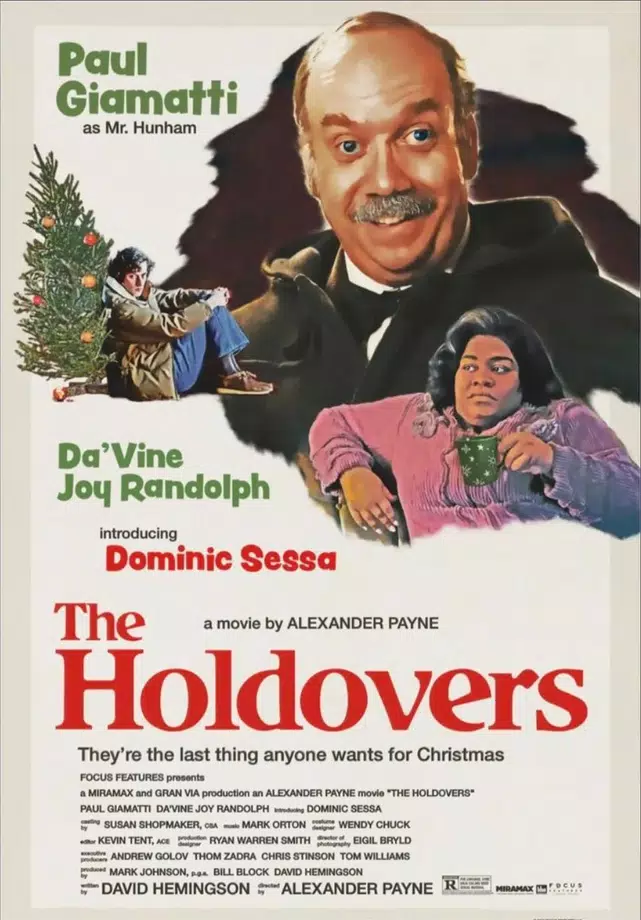
Initially, during the film's early production phase, they intended to utilize tools and film from the 1970s to authentically capture the essence of that era. However, this plan was swiftly abandoned due to the immense difficulty in obtaining such equipment and films. This obstacle prompted a shift in their approach—from focusing on "Externalization" to exploring "Intrinsic Factors," which became a pivotal shift in their creative thinking process. It led them to recognize the unique spirit of independence prevalent in 1970s cinema as the guiding principle they aimed to emulate and embody in their work.
Fortunately, today's advanced production techniques have also helped them to "restore" the texture of the 1970s. Firstly, they used ARRI Alexa for digital shooting and created blueprints for colour grading steps with the colourist. They chose to use Panavision H-series lenses, especially the 55mm lens, which ultimately gave an extraordinary retro character visual effect.
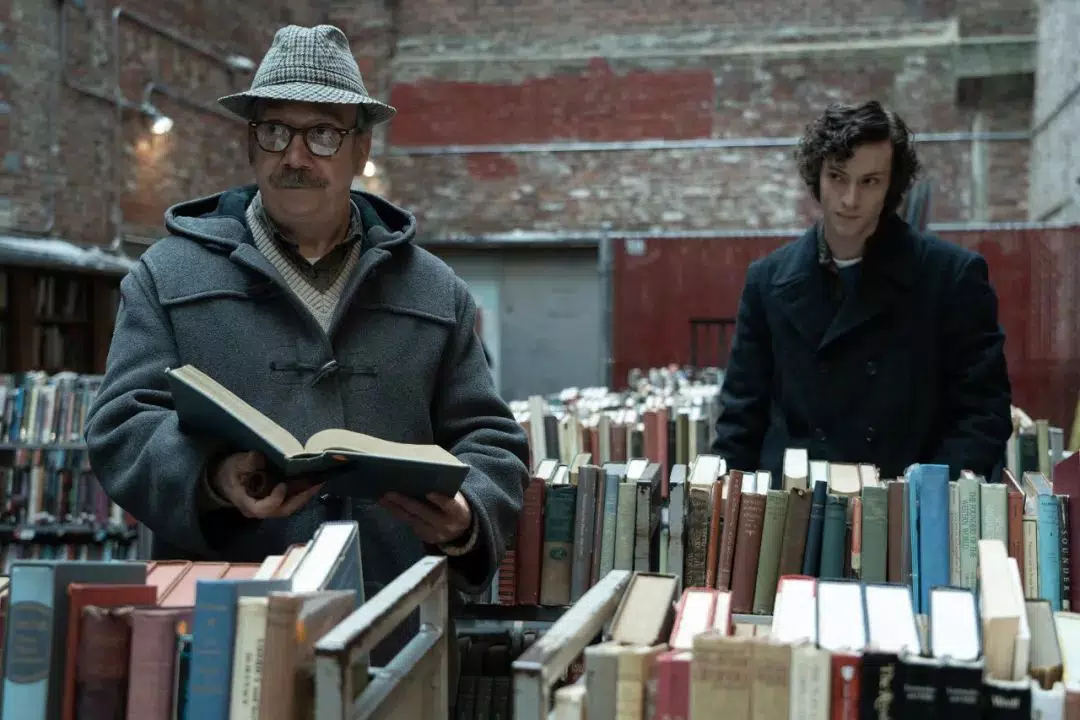
Thus, in "The Holdovers", we felt a wonderful sense of "new and old" visual immersion. Just as the story itself unfolds in this film, it is like placing a warm comedy framework from the last century into the emotional core that closely mirrors modern times.
In this film, we can see both the positive and upward-looking influence of classic campus films such as "Les Choristes" and "Dead Poets Society". However, we also see that the creators have a new era of understanding of "defects" and "failures".
Heart-warming
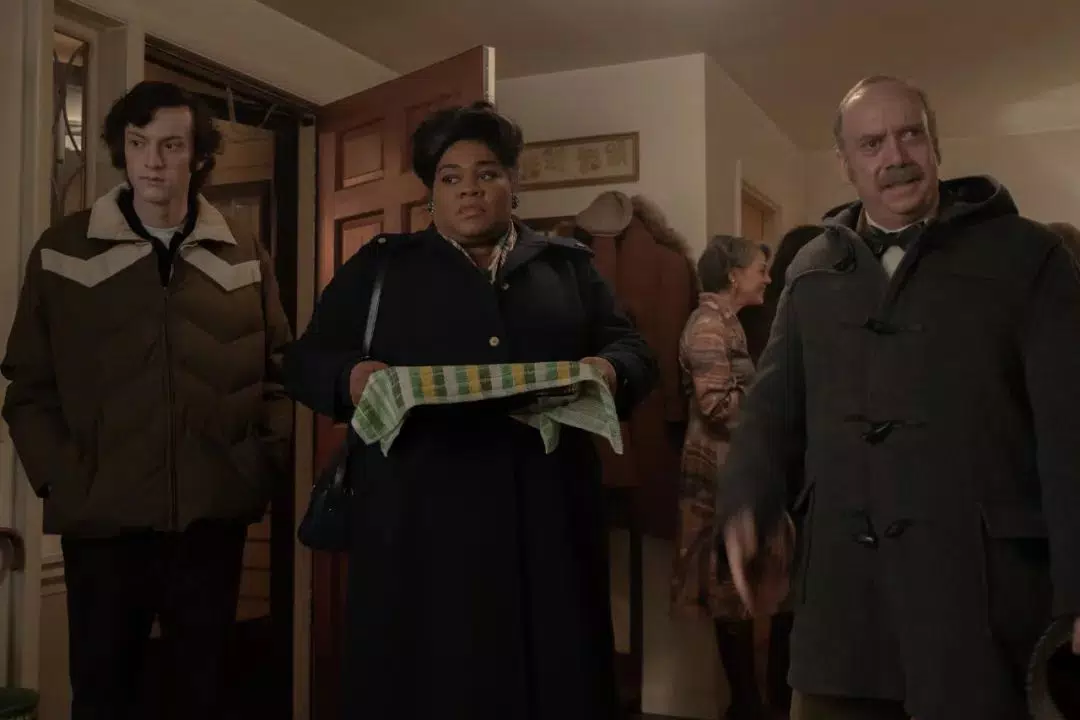
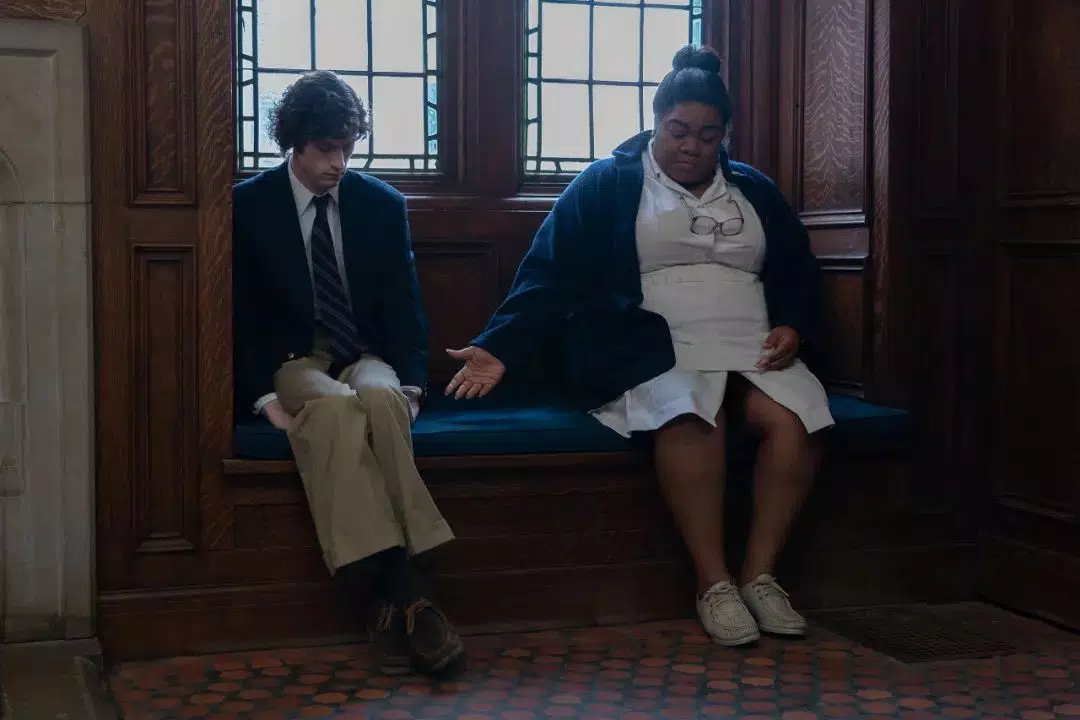
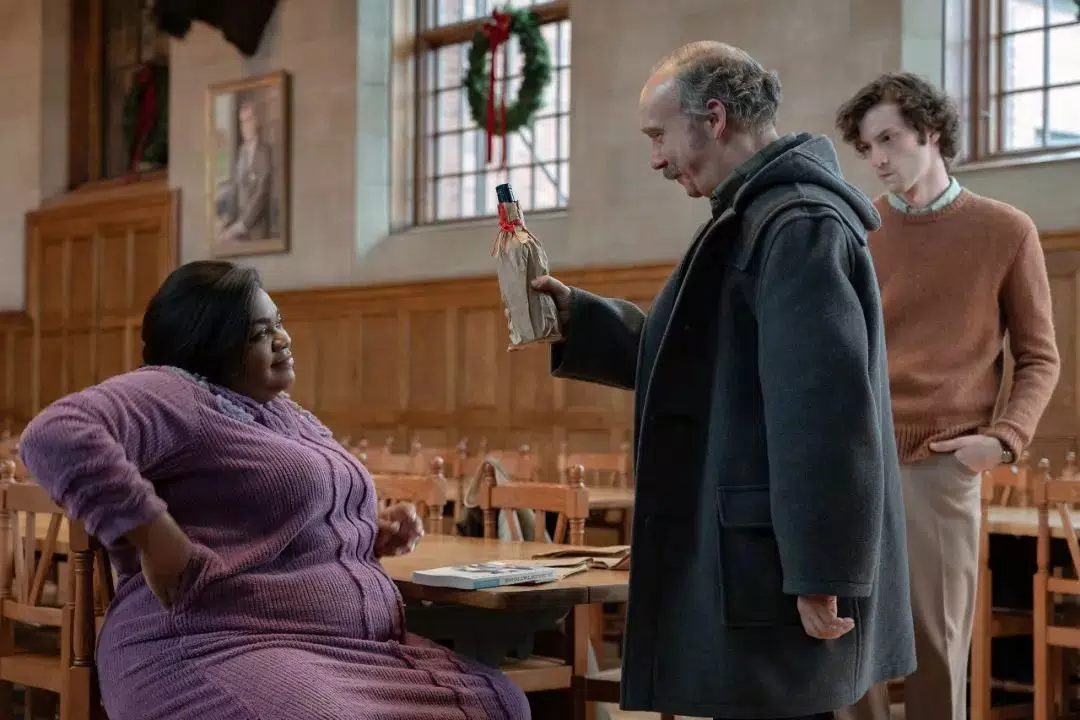
The story of "The Holdovers" is not complex. It's about a grumpy high school history teacher, a misbehaving student, and a sad school cafeteria staff member who are forced to stay in the school dormitory during the Christmas break and unexpectedly form an unlikely connection.
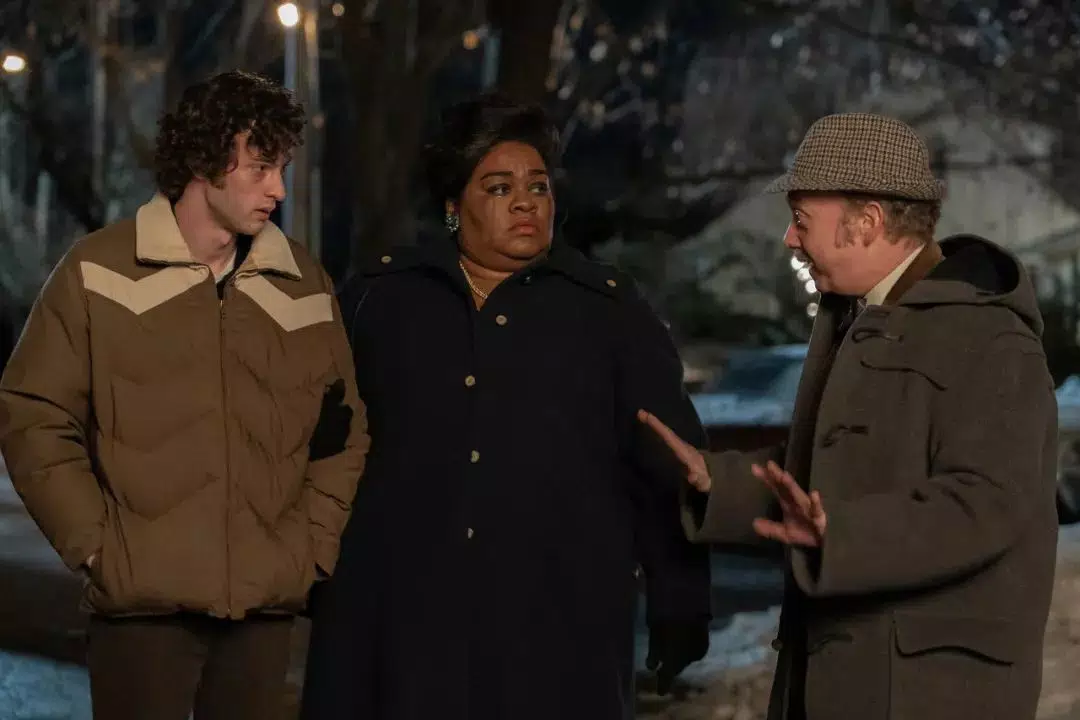
The narrative structure of this "Christmas limited family," comprising the grumpy uncle, the sorrowful aunt, and the troubled boy, might seem clichéd at first glance. Simply by perusing the summary, one can anticipate that it embodies the classic trope of a heartwarming journey centered on "Love and Redemption." However, what's remarkable is the impeccable portrayal of each character's personal growth and development. Despite our rapidly evolving and often detached society, the innate human yearning for "truth, goodness, and beauty" transcends our conscious awareness, highlighting the enduring significance of these values.
Why does the grumpy uncle speak harshly and remain single? Why was the rebellious teenager expelled from three schools consecutively, so unruly? How difficult was the sad auntie's past as an African-American after losing her child? The three people have almost no similarities in their status, background, or social class. Emotionally, they are all in similar states of isolation, seeking a sense of belonging and family support.
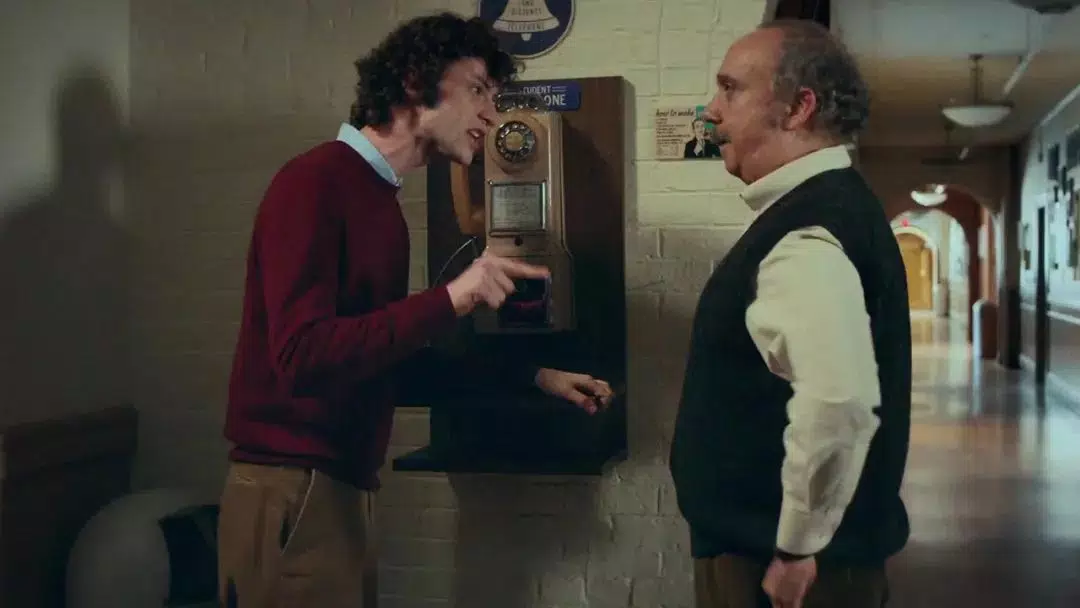
The conflict between the hot-tempered grandpa and rebellious teenager is almost inevitable. The reason is that they have a kind heart and a desire for love and understanding in their hearts. Although one is old and the other is young, they are both in a period of emotional growth. When the history teacher tells the boy "To truly understand the present or oneself, you must start with history. History is not just about studying the past, it is also an interpretation of the present." And when the boy finally accepts, both of them usher in a brand new stage in their lives.
The conclusion of the film is truly captivating. It doesn't follow the conventional path of a happy ending. Instead, what unfolds is a poignant and almost helpless farewell. Set against the backdrop of white snow, the teacher and the boy bid adieu to each other.
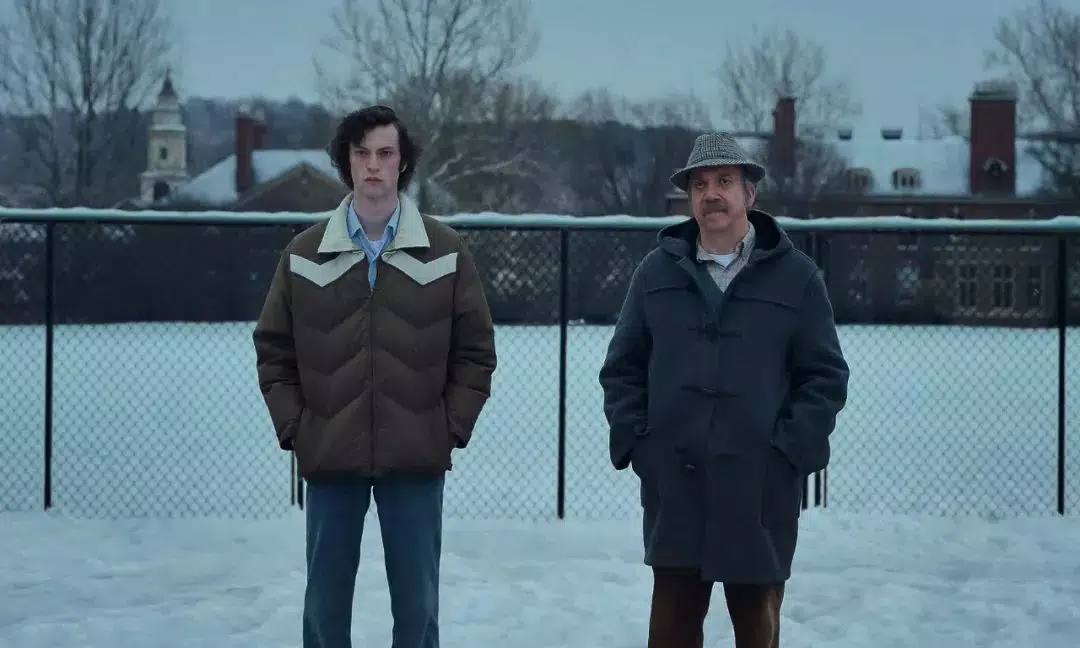
Their parting signifies the end of their mutual support and companionship, yet it symbolizes carrying with them the healing and personal growth they've bestowed upon each other. They each embark on their individual journeys towards the future. This encapsulates precisely what was earlier expressed about the film—an embodiment of the warm comedy framework from the last century entwined with an emotional depth that resonates with the complexities of today's era.
In contemporary times, there's a growing realization that life unfolds in various stages, each encounter paving the way for eventual goodbyes. In the imperfect lives of ordinary individuals, sudden strokes of luck or everlasting moments are rare. The greatest fortune lies in learning to confront challenges with bravery. As we lead more transparent lives, we comprehend that grand upheavals aren't essential. Instead, it's the gentle ripples in the lengthy course of life that hold the utmost value and significance.
This movie has earned its place on my Christmas Must-Watch list not just for the genuine and heartfelt performances by the actors, the touching narratives, and the exceptional selection of the soundtrack, but also for the profound lines embedded in the script. As a fitting conclusion to this article, I've included my favourite line from the movie below:
"World is decay. Life is perception."





Share your thoughts!
Be the first to start the conversation.