

David Lynch isn’t typically regarded as a horror film director because his films don't strictly fall under the horror genre. His works explore themes of family (Eraserhead, Blue Velvet, Twin Peaks), dreams (Lost Highway, Mulholland Drive), lovers on the run (Wild at Heart), and road trips (The Straight Story), most of which incorporate surrealist elements that defy conventional genre categorization.
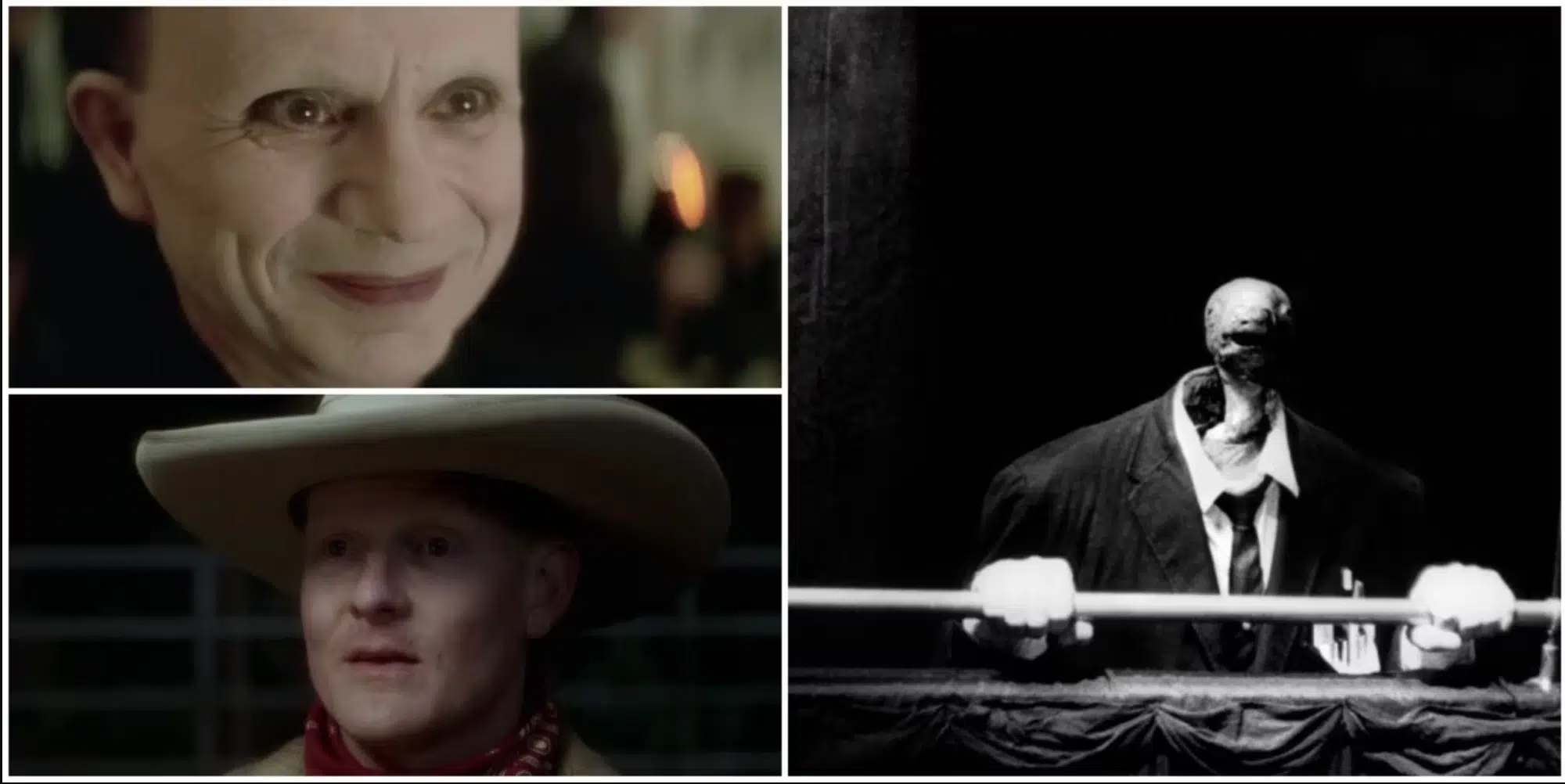
Yet, despite not being labeled a horror director, Lynch has crafted some of the most terrifying moments in cinematic history. Who could forget the diner scene in Mulholland Drive, with the homeless figure lurking behind the alley? Or the last thirty minutes of Twin Peaks: Fire Walk with Me, when the shadow of murder looms closer and culminates in a mystic sacrificial ritual? There are also the eerie hallway shots in Lost Highway, the deformed baby in Eraserhead, and the sheer madness of Dennis Hopper in Blue Velvet. Lynch is perhaps the most skilled director at conjuring nightmares, which makes his cinematic legacy so distinct.
And among his works, Inland Empire just might be the scariest of them all.
I vividly remember the afternoon I watched Inland Empire. It was a bright, sunny day, and I was home alone. I slipped the DVD into the player, completely unaware of what I was about to encounter on the other side of the screen.

The film opens in a dizzying way. In the dark, a beam of searchlight moves across, slowly illuminating the massive title across the screen: INLAND EMPIRE. The twelve letters are enormous, colorless, and almost appear in silhouette. From the very first minute, I was enveloped in an overwhelming sense of mystery.
What follows only deepens that sense of enigma. A Polish woman with her face blurred out enters a hotel with a man, and they engage in a terse but vulgar conversation reminiscent of an exchange between a prostitute and a client. The entire black-and-white scene exudes a suffocating sense of pressure. Later, the tearful woman, draped in a bathrobe, sits by the bed, and the image finally returns to color. We see her face clearly for the first time as she stares intently at an old television, which is fast-forwarding through a series of scenes unfamiliar to us—though, as the film progresses, we realize these scenes are from Inland Empire itself.
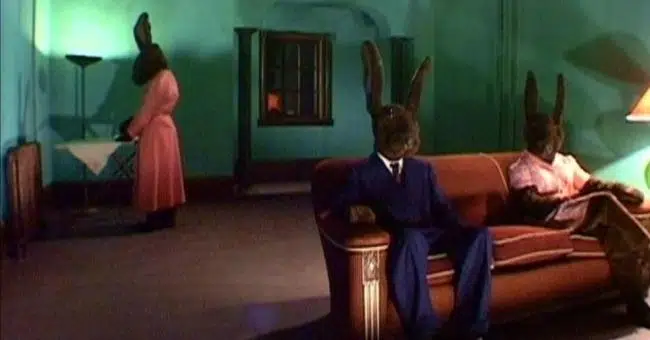
The camera then shifts to a sitcom-like setup, where three rabbits dressed in human clothes are conversing in a standard living room. Their dialogue makes little sense but seems to allude to a wife suspecting her husband's infidelity. Audience laughter and applause erupt at odd moments, and the low-quality image from an early digital camera amplifies the unsettling feeling. When one of the rabbits exits the door, he steps into what turns out to be a lavish hotel lounge, where two menacing middle-aged men engage in a conversation in Polish. They seem more like figures from a nightmare than real people. One man asks, “Are you looking for an entrance?” The other responds, “Exactly! That’s exactly what I’m looking for. An entrance.” He repeats the sentence twice with growing anger, as if he’s a character from an absurdist play.
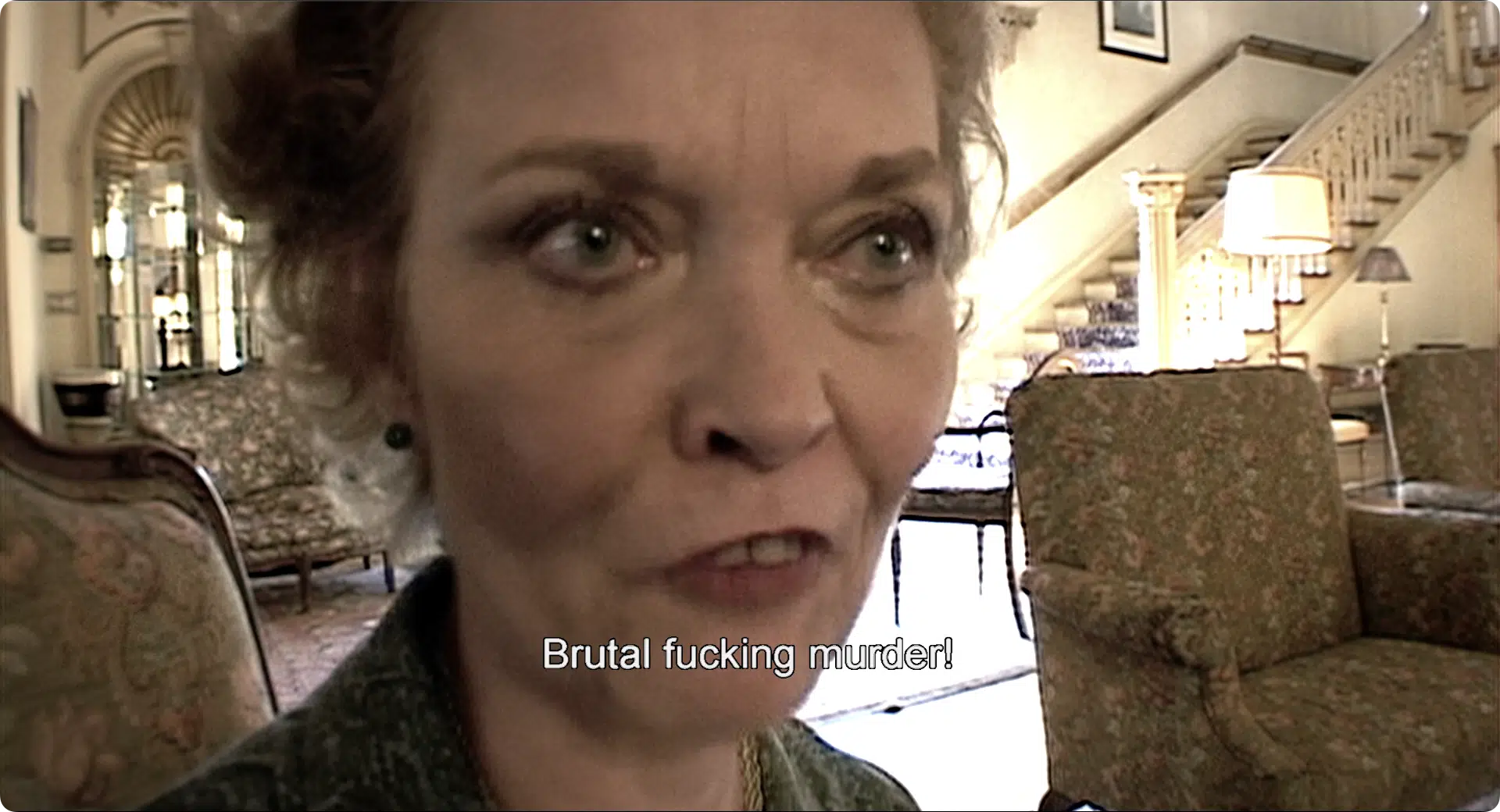
After this sequence, the main plot finally begins. An unhinged neighbor played by the Lynch regular Grace Zabriskie visits the protagonist Nikki (Laura Dern) like a Shakespearean witch, predicting she will land the role she’s auditioning for and warning of a “brutal f*cking murder!” Nikki's expression is a mix of discomfort, confusion, and skepticism. In the next moment, she’s already in the predicted future. She has indeed won the role! In Inland Empire, the sequence of past, present, and future is entirely dismantled.
Nikki joins the production of a cliché romantic drama, but the movie is shrouded in rumors of murder: the script had been filmed once before, but both the male and female leads were murdered before the production wrapped. Meanwhile, everyone warns Nikki and her co-star Devon not to have an affair, but they do so anyway, setting off an unstoppable spiral of destruction.
Nikki, a married woman, has a powerful husband, and the film hints that he would go to any lengths to snuff out her infidelity, even if it means snuffing her out directly. Under the weight of shooting the film, a marital crisis, and an affair, Nikki’s mental state unravels. She falls into a series of dreamlike sequences, traveling between Los Angeles and Poland, between past and future, and between different dimensions of reality. By the time the film is over and the audience realizes much of what they witnessed was merely scenes from the film within the film, Nikki herself has not recovered. She continues wandering through empty, decaying, and surreal spaces as if lost in a nightmare. She eventually encounters the ghost that has haunted her, but who or what this ghost truly is will send chills down anyone’s spine.
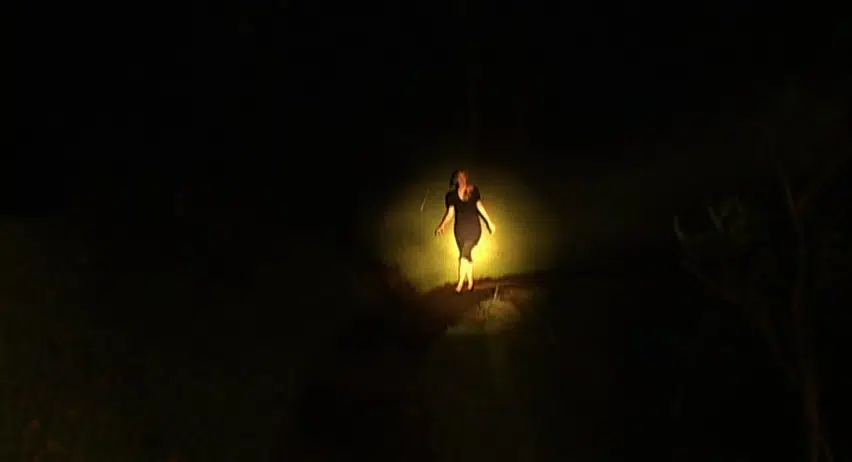
By now, you probably have a grasp of Inland Empire. Unlike traditional horror films, there are no ghosts, no monsters, only a series of hidden alleyways and mysterious specters lurking within the protagonist’s subconscious. Lynch excels at creating fear through long takes of his characters wandering through empty hallways and rooms. The terror doesn’t just stem from Lynch’s expert atmosphere-building but also from the way the film’s structure hints at the unknown: the movie is like a labyrinth pieced together from different materials and dimensions, and you never know what’s waiting behind the next door you open. For three hours, Inland Empire bombards the viewer with one nightmare after another, and the constant anticipation of fear drives your nerves, like Nikki's, to the brink of collapse.
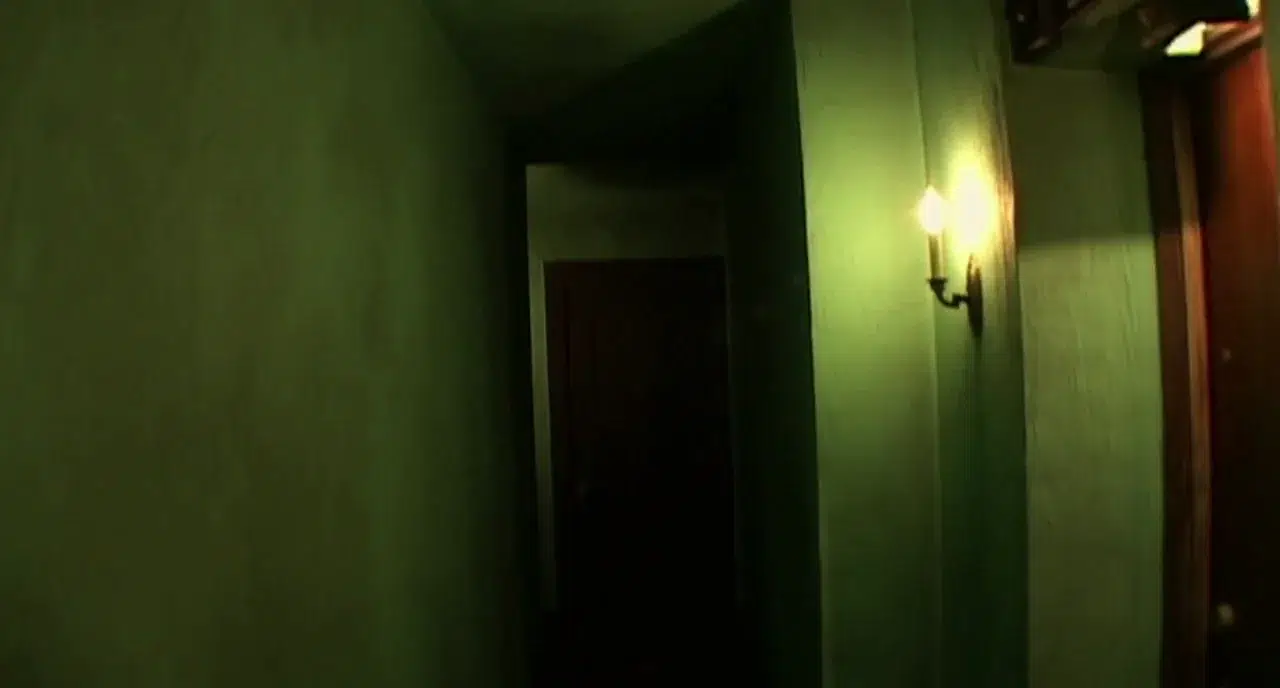
Jump scares are another reason Inland Empire is so terrifying. Unlike conventional jump scares, where a sudden object appears in the frame, Lynch's approach is subtler. He uses familiar and mundane scenes to lull you into a false sense of security before drastically altering the environment in a way that leaves you shaken. This increases the overall unease of the film: every shot is unsafe, and you never know when the entire atmosphere might shift into something disturbing.

All of Lynch's techniques rest on the foundation of his deep understanding of the human subconscious. Lynch knows what people are thinking beneath the surface, how nightmares work, and what people fear in the hidden corners of their minds. Beneath the iceberg of logic lies an ocean of the illogical, and Inland Empire dives into this ocean to dredge up all our nightmares. To me, this represents the pinnacle of terrifying cinema—not a horror movie per se, but a film that terrifies because it taps into something far scarier than any external force: ourselves, our hidden secrets, and the unimaginable corners of our subconscious. The human mind is, indeed, the scariest place.
So, if you dare, go watch it! But beware—it is definitely not for the faint of heart.





Share your thoughts!
Be the first to start the conversation.