
William Friedkin’s Sorcerer (1977) is a testosterone-fueled, white-knuckling, nail-biter of a film which nearly killed its cast and crew. Everything you see on screen was done for real, often under perilous conditions.
With the Criterion Collection finally giving the film its due as one of their recently-announced June 2025 additions, it’s worth diving into how its troubled production laid the groundwork for one of the most intense thrillers of the 20th century, and why it deserves to be a day one pickup.
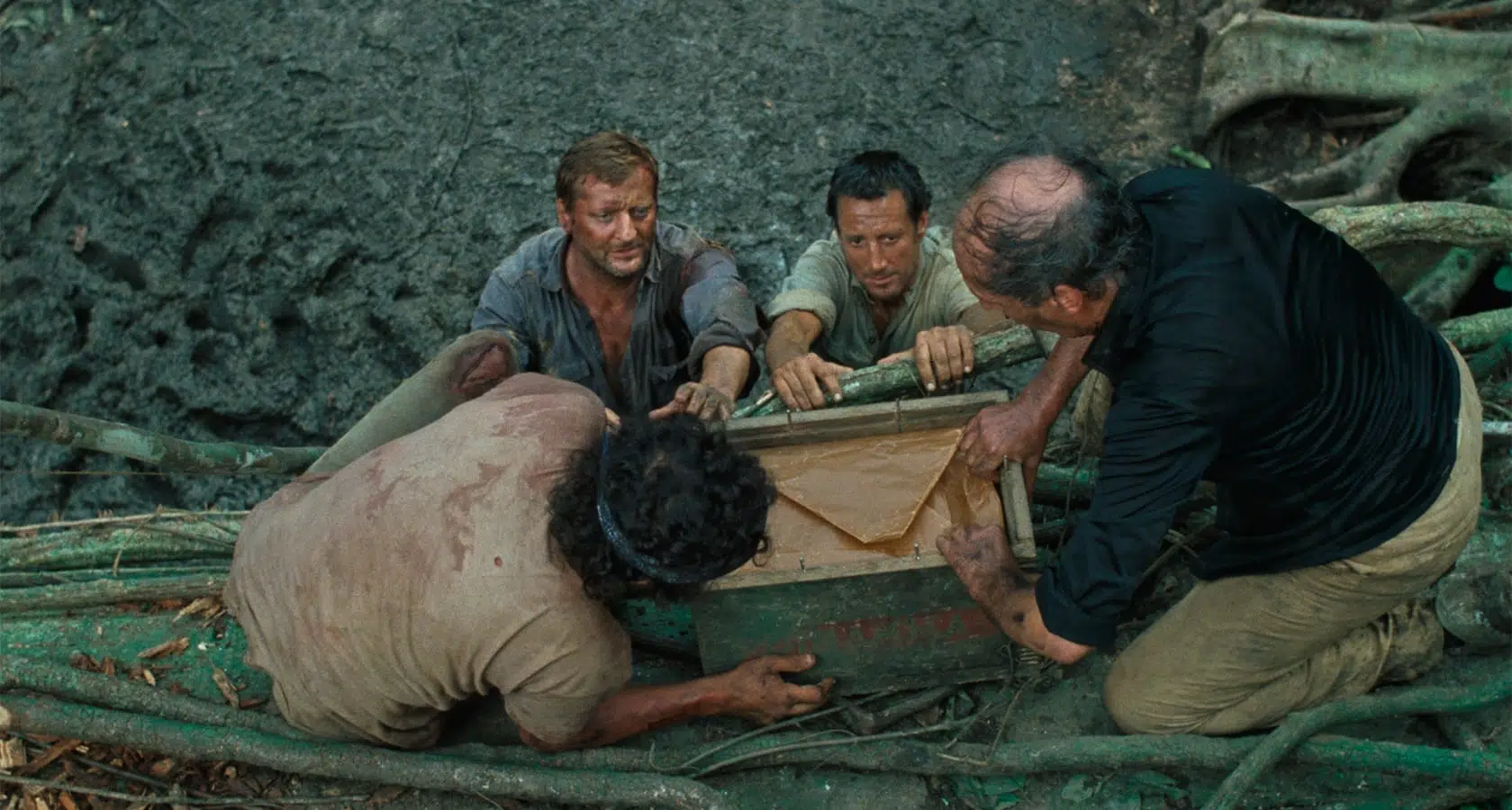
Sorcerer is a remake of the 1953 classic, The Wages of Fear. It was dismissed upon initial release, partly due to the unfortunate timing of its release coinciding with that of Star Wars (and maybe the fact that it's a film titled “Sorcerer” which features absolutely zero sorcery whatsoever had something to do with it). However, the film has since been re-evaluated as one of the most daring and bold auteurist expressions of the New Hollywood era.
Now, thanks to this upcoming Criterion release, an entire new generation of movie lovers will be able to experience this magnificent anxiety-fest for the first time.
Unparalleled Cinematic Tension
Sorcerer stars Roy Scheider (Jaws, The French Connection, All That Jazz) as a New Jersey gangster, who flees to a remote village in South America. There, he crosses paths with a Parisian businessman, a Mexican assassin, and an Arab terrorist. These four men on the run are tasked with a seemingly doomed mission to transport two truckloads of unstable nitroglycerine across the jungle to plug the hole of a blown oil well. One sudden move, one too many potholes in the trail, and they could all be blown to smithereens in an instant.
It’s one of those films that tortures the audience as much as its characters. It’s like a simulated anxiety attack on screen, overloading you with audiovisual stimuli and existential dread. Time and time again these four men find themselves in seemingly insurmountable situations and you think to yourself “welp, these guys are fucked.” But against all odds, by sheer force of will, they persevere. Whether they make it out alive, however, is something you’ll have to watch the film to find out. The film is an examination of obsession and futility, and is exactly my cup of tea.
Friedkin’s Uncompromising Authenticity
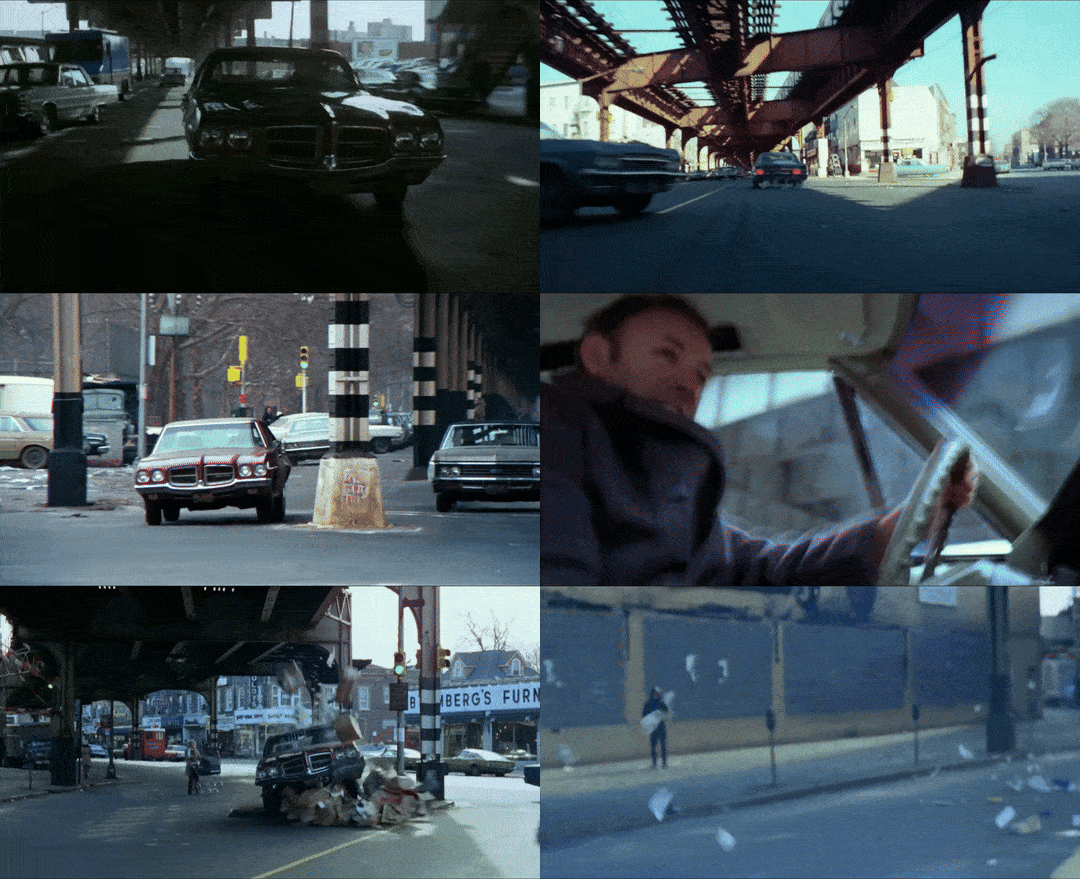
The relentless on-screen tension extended behind the screen, as the cast and crew literally risked their lives to achieve the effect. Sorcerer (1977) was the third and final of William Friedkin’s triple-run of 70’s masterworks, following The French Connection (1971) and The Exorcist (1973). At this point, Friedkin had built a reputation of being a loose cannon director, infamously having shot the NYC car chase in The French Connection guerilla-style without permits, featuring real car crashes with real New Yorkers in the film. His tactics for the filming of Sorcerer were not much different, basically forcing the cast and crew to live out the plot of the film for real while making it.
Of course, in 1977 there was no “fix it in post” mentality like we see all too often today. On top of that, Friedkin actively rejected the use of what limited VFX options were available, such as rear-projection and miniatures. He insisted they shoot live on location, with no compromises. Some of the stunts in this film were considered such a danger to human life that Friedkin found it extremely difficult to get the film financed and insured, especially when considering how many of these stunts were performed by the lead actors.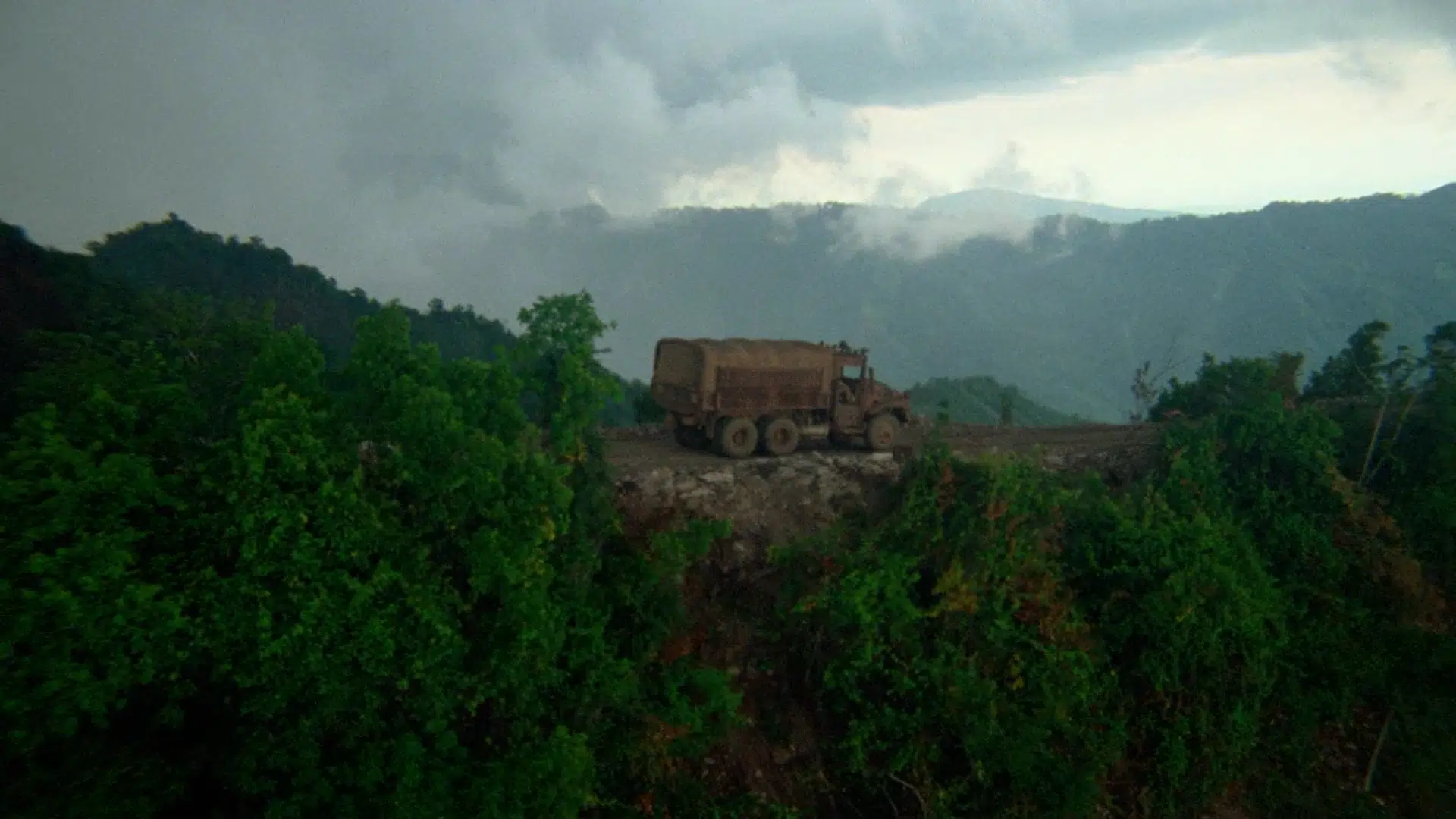
There’s definitely a fine line when it comes to making sacrifices for your art. Obviously you don’t want anyone on your set to get hurt, and it’s always a tragedy when things like that happen. But at the same time, I do believe that risks need to be taken when in the pursuit of greatness. You will never make art of any great consequence if you always take the easy and safe route. At a certain point, however, there are diminishing returns. Did Friedkin push his cast and crew too far while filming Sorcerer? Maybe, but it’s an undeniable spectacle of a film, and probably wouldn't be celebrated the same way today if it weren't for Friedkin's commitment to his vision.
The Bridge That Nearly Broke Them
The iconic bridge sequence, for example, is one of the most tense scenes I have ever watched in my entire life, maybe THE most. It felt like I held my breath for the entire scene, and by the time it was over my fingers were sore from gripping the arm rest of my couch so tightly. The scene in question features our lead characters attempting to navigate their trucks across a rickety, broken, suspension bridge, swinging above a rushing river of white-water-rapids… in the middle of a storm for good measure.
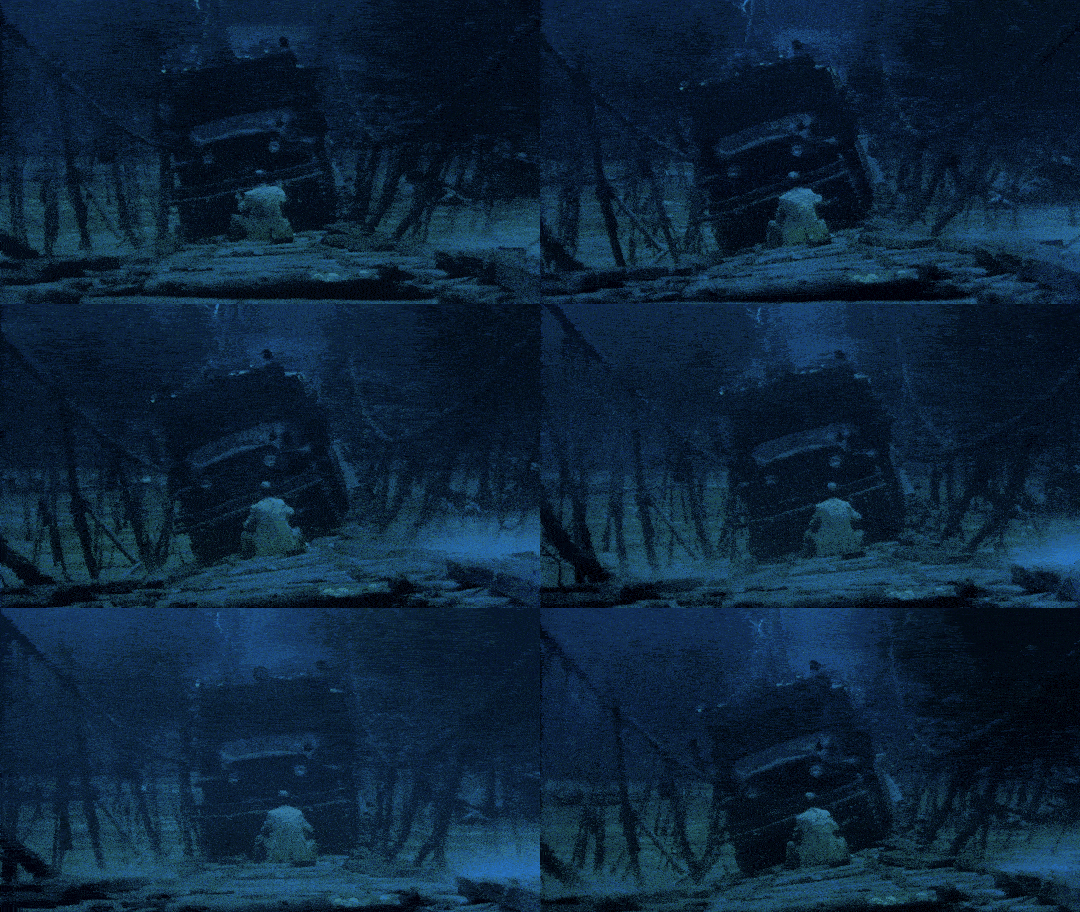
The scene is easily the most iconic part of the film — it’s on the poster for a reason. It’s perfect on a cinematic level. The performances, the editing, the camerawork, the sound, the music. Every single element of filmmaking works in perfect harmony to create the most nightmarishly stressful sequence imaginable. Then, you remember this was made in the 70’s, meaning they had to do it for real with the lead actors, and it becomes all the more terrifyingly impressive.
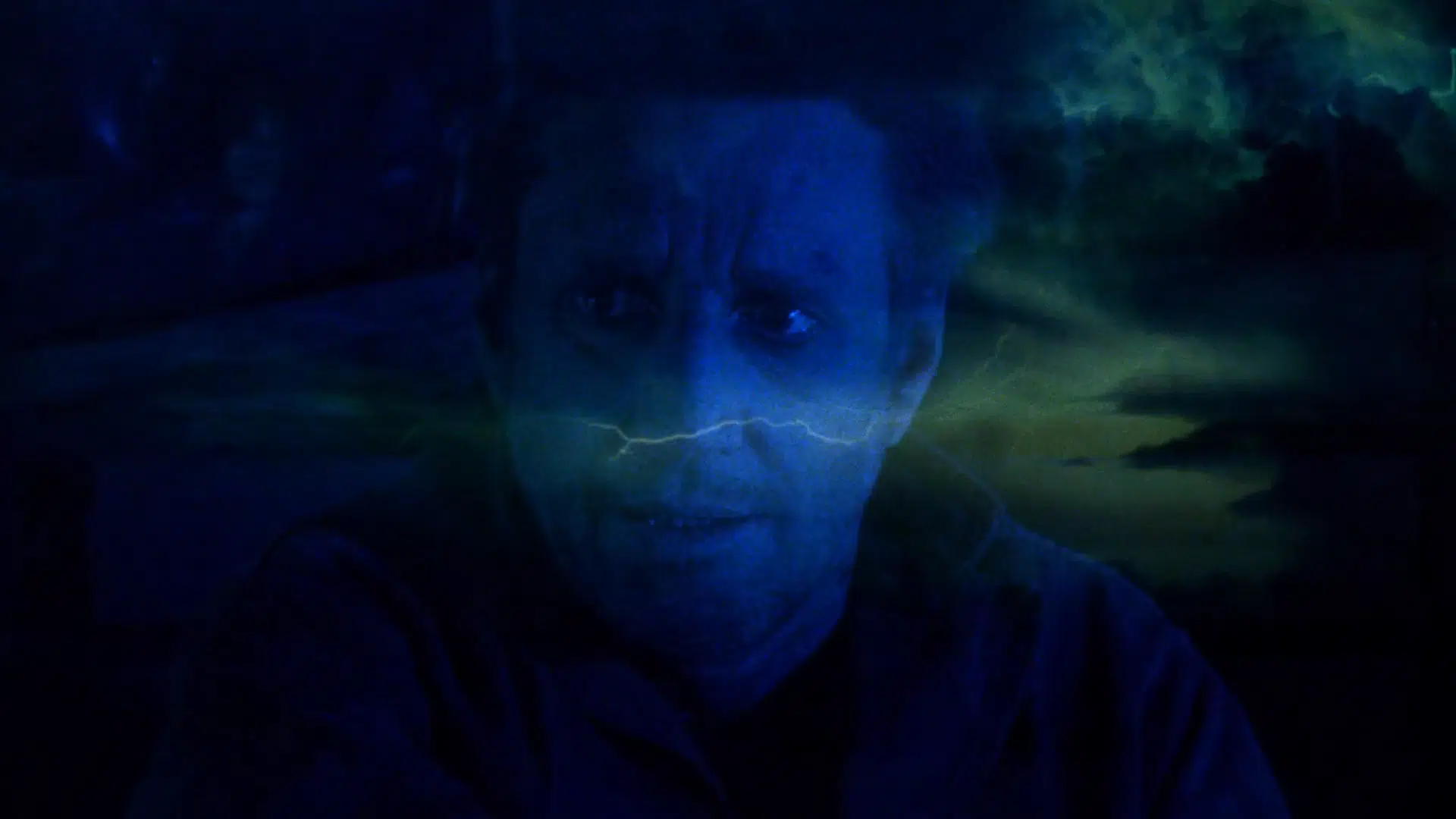
The scene, lasting a total of 12 minutes, took several months to complete out of the 10-month shooting schedule, and cost the production over $3 million dollars — it may be worth noting the original budget for the entire film was originally only $2.5 million, which later ballooned to over $20 million. Friedkin claims that the trucks actually tipped over into the river not once, but several times. He also claims it to be the most difficult scene he’d ever had to film in his career. Keep in mind this is the guy that shot a real car chase in the middle of New York without a permit.
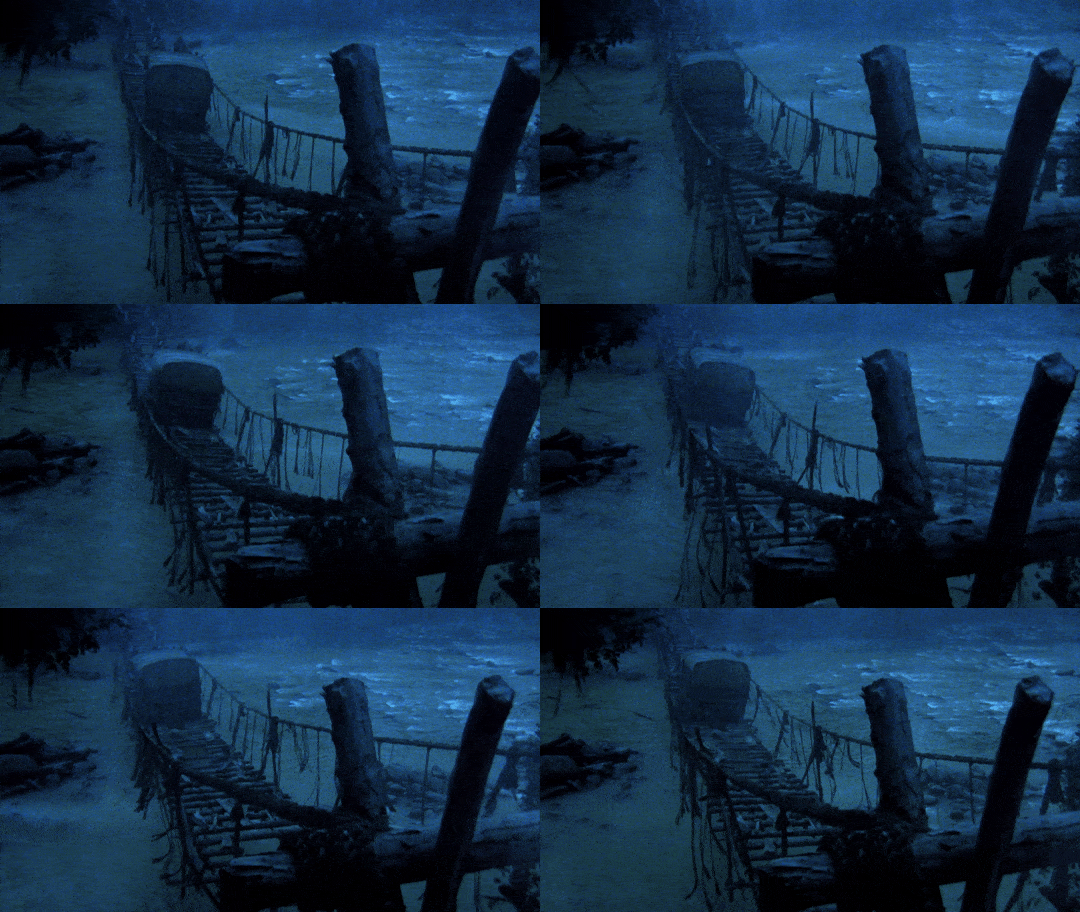
To add insult to injury, the original location where the bridge set was built in the Dominican Republic faced abnormally low amounts of rainfall during construction, and by the time the bridge was built, the river had completely dried up! They were forced to dismantle everything and rebuild the entire bridge in Mexico, where the same thing happened AGAIN! They ended up rigging a sprinkler system to divert water from another part of the river to create rain and increase the water levels manually.
Botched Explosions, Contracted Arsonists, and Real Bombings
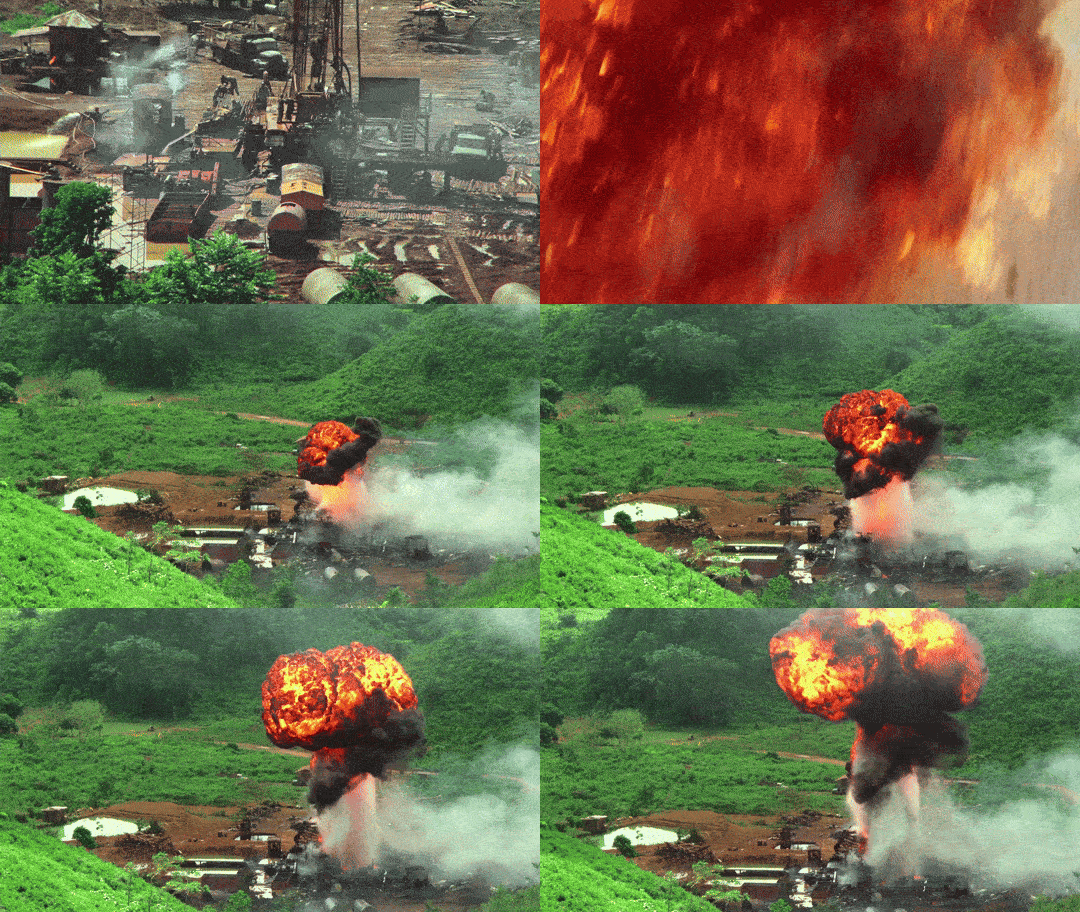
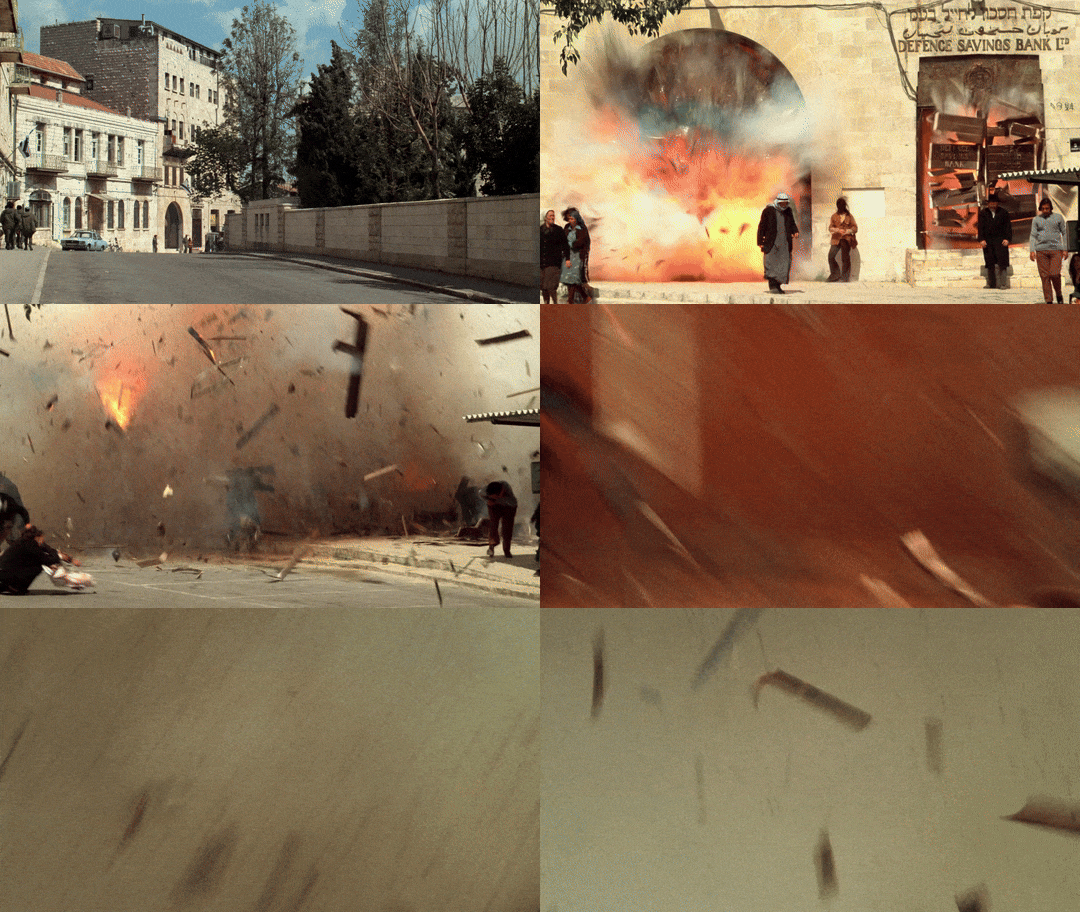
Explosions seemed to be a recurring issue with the film too. One of the prologue scenes in Jerusalem featured an explosion that injured the stuntman in charge of the detonation, and also blew out the window of the mayor’s nearby home. During this scene, a real bombing actually took place two blocks from the shooting location, of which some footage was shot and included in the film, adding a strong sense of realism to the sequence.
Later, in the Dominican Republic, during a scene where they were tasked with blowing up a huge tree, they realized they severely underestimated the firepower needed and barely made a dent in it on the first try. Friedkin ended up contracting an arsonist from Queens, NY under the pseudonym “Marvin the Torch” who flew down three days later and nuked the fallen tree in a single take.
The Physical and Emotional Toll
With the cast and crew basically living in the harsh and unforgiving jungle throughout production, it was only a matter of time before on-set conflicts would arise. Friedkin and Scheider often clashed, with Friedkin claiming the fame of Jaws had gotten to Scheider’s head, and Scheider claiming Friedkin’s distrusting attitude made him difficult to collaborate with and made everyone on set tense.
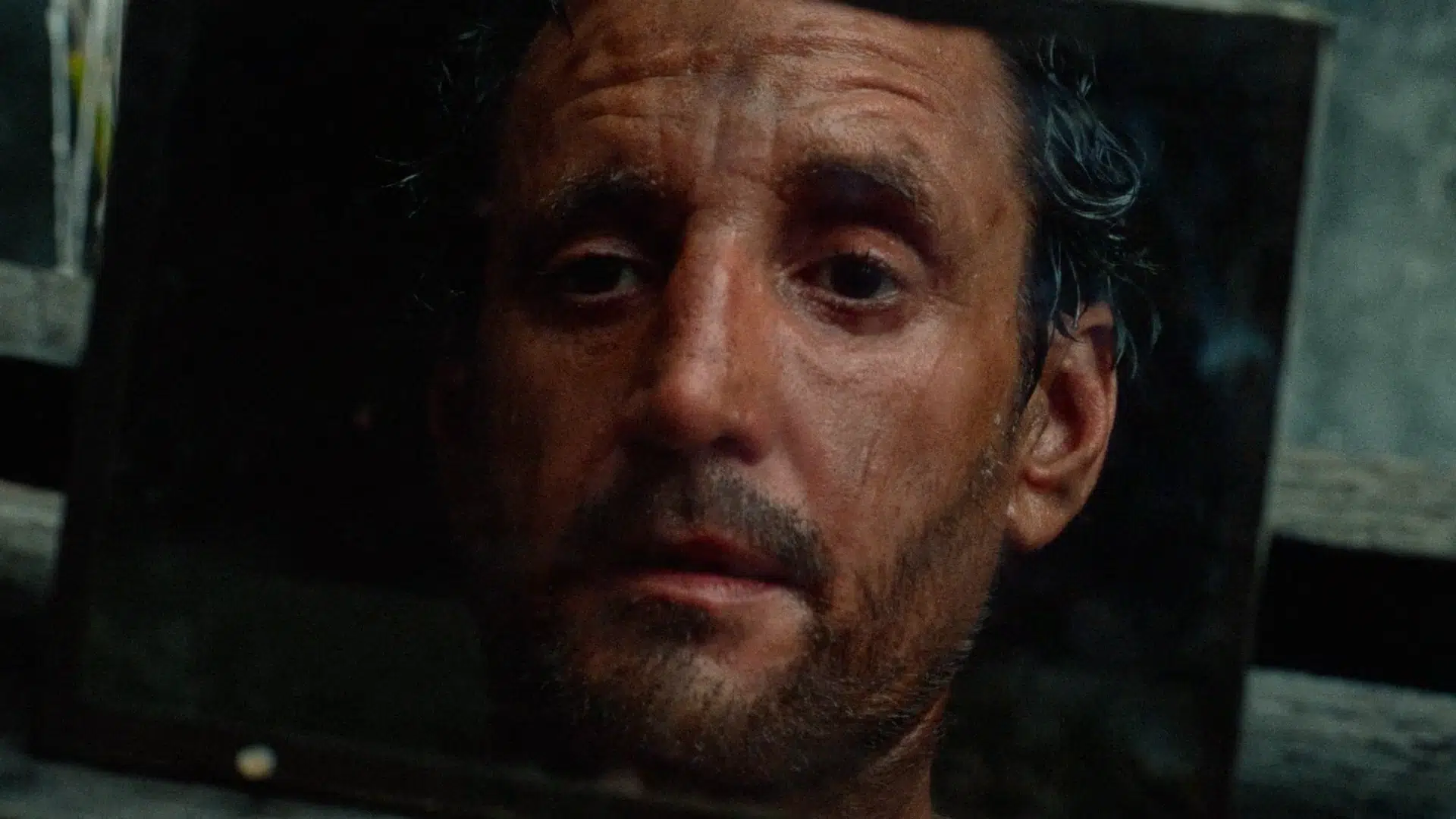
Additionally, Friedkin also fired five production managers over the course of the film, and dismissed the entire trucker crew after a feud with the chief Teamster. Several crew members had to flee Mexico during the shooting of the bridge scene after being found to be in the possession of illegal drugs, and it took two weeks to replace them. They also had to re-shoot a massive chunk of the film due to underexposed images, leading to the original cinematographer being dismissed and replaced for the re-shoots.
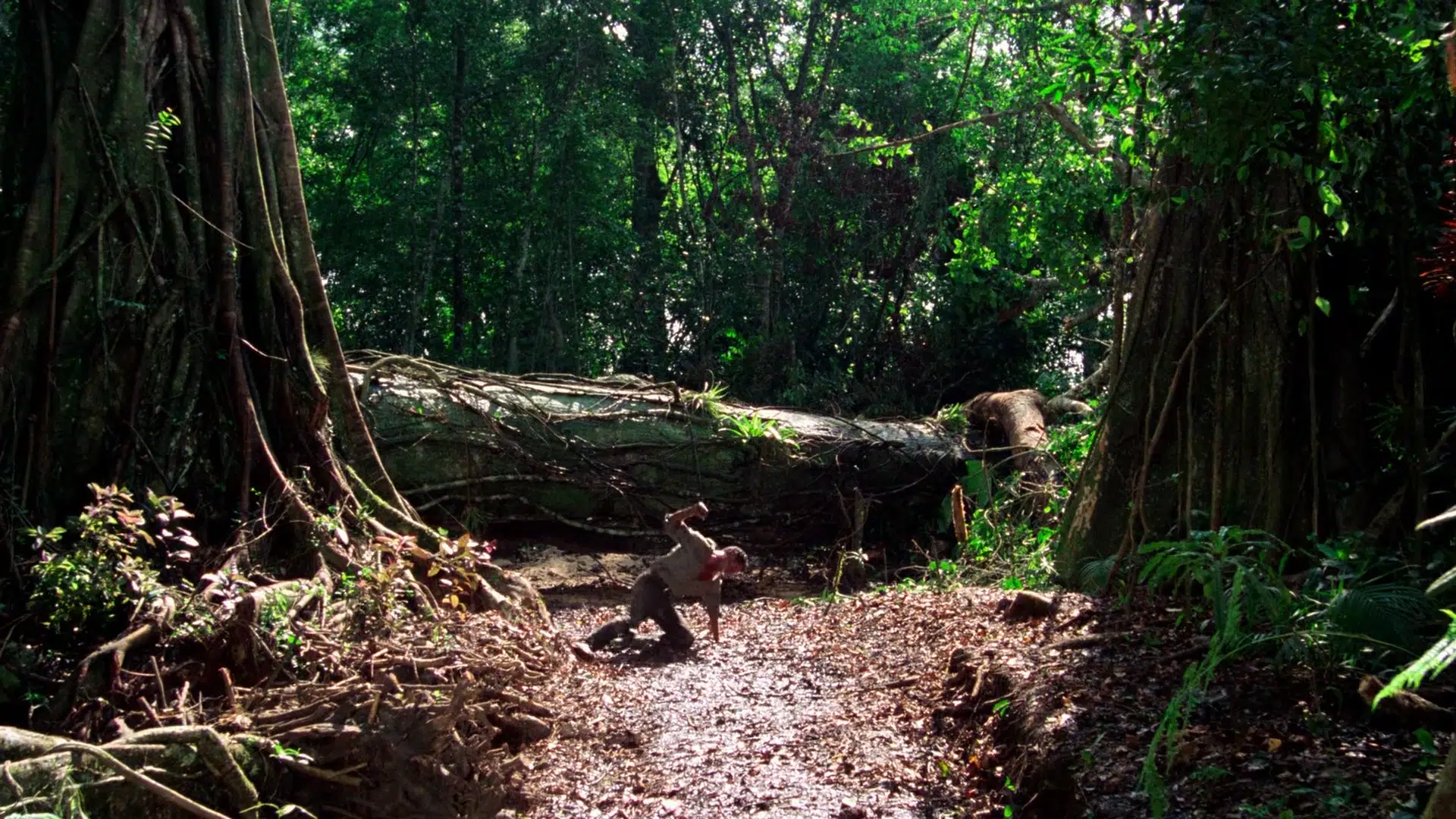
On top of emotional suffering due to conflicts between cast, crew, and the harsh jungle, there was a severe physical toll as well. Approximately 50 people had to leave the film, either being sent home or to the hospital due to injury, gangrene, food poisoning, and malaria. Friedkin lost 50lbs himself and was diagnosed with malaria after the film’s premiere.
Sorcerer was supposed to be Friedkin’s magnum opus. His obsession to complete the film mirrored the obsession of the protagonists to complete their mission. But in the end, it was a box office bomb, essentially derailing his career, and nearly killing him in the process.
Conclusion
The making of Sorcerer was plagued by near-biblical-level mishaps, much like that of Apocalypse Now, which was being shot at the same time by Francis Ford Coppola, who Friedkin considered a close contemporary.
Whether it be due to “The Exorcist Curse,” following Friedkin and other individuals who worked on the film to their subsequence projects, or simply Friedkin’s unwavering commitment to realism that drove the cast and crew of Sorcerer to near madness, it’s undoubtedly a singular cinematic experience, and the manic production history is exactly why it remains to stand out among the best of what the era has to offer.
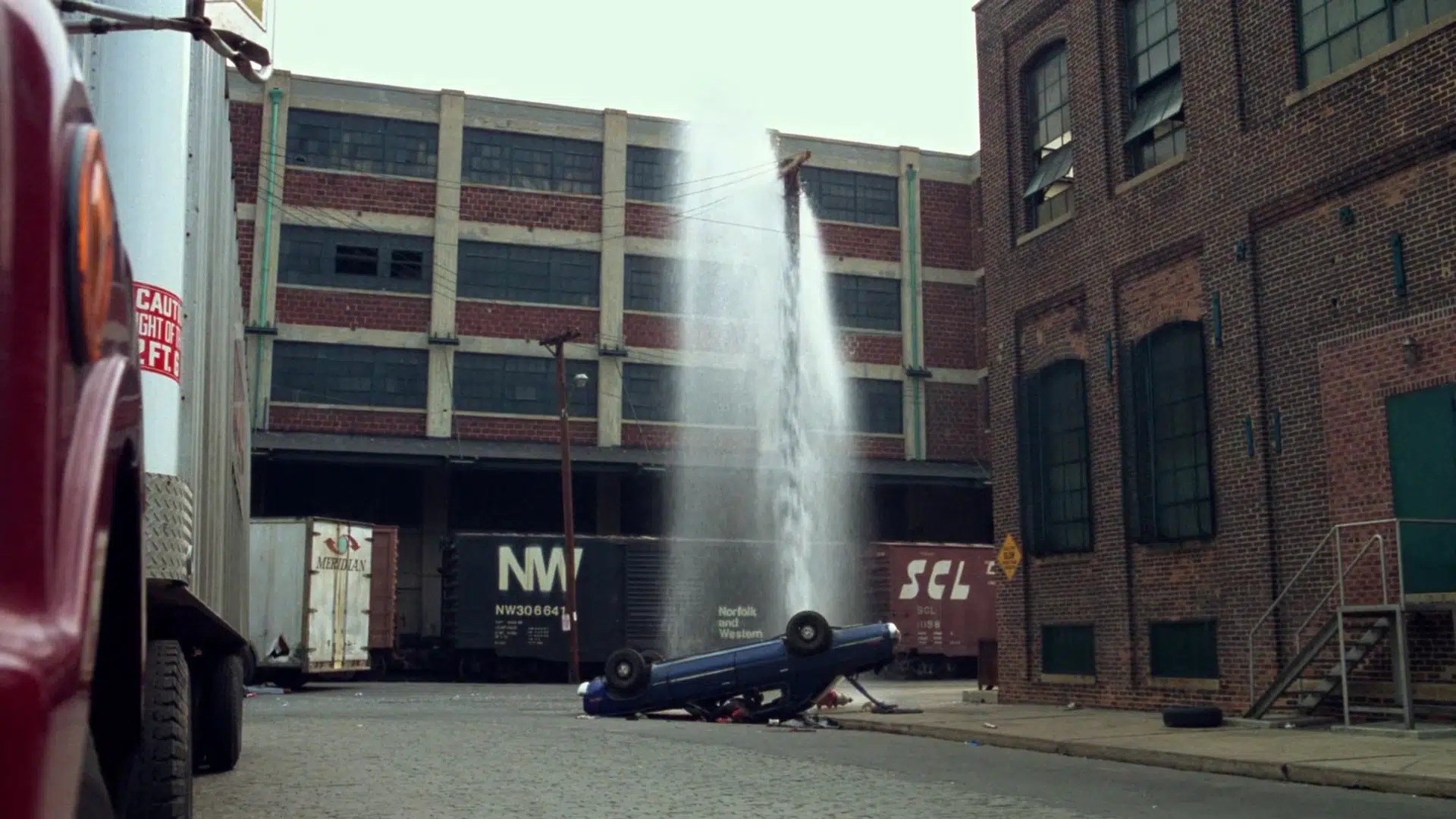
Would a modern studio even allow this level of risk in the modern age of VFX? Even for the Mission Impossible series, such an idea seems unlikely. Rules and regulations exist because of people like William Friedkin, and films like Sorcerer are precisely the reason why we will never have another film like Sorcerer.
While the accepted levels of making sacrifices for art were certainly blurred with this one if not outright crossed, I must say it does make for one damn incredible cinematic experience.
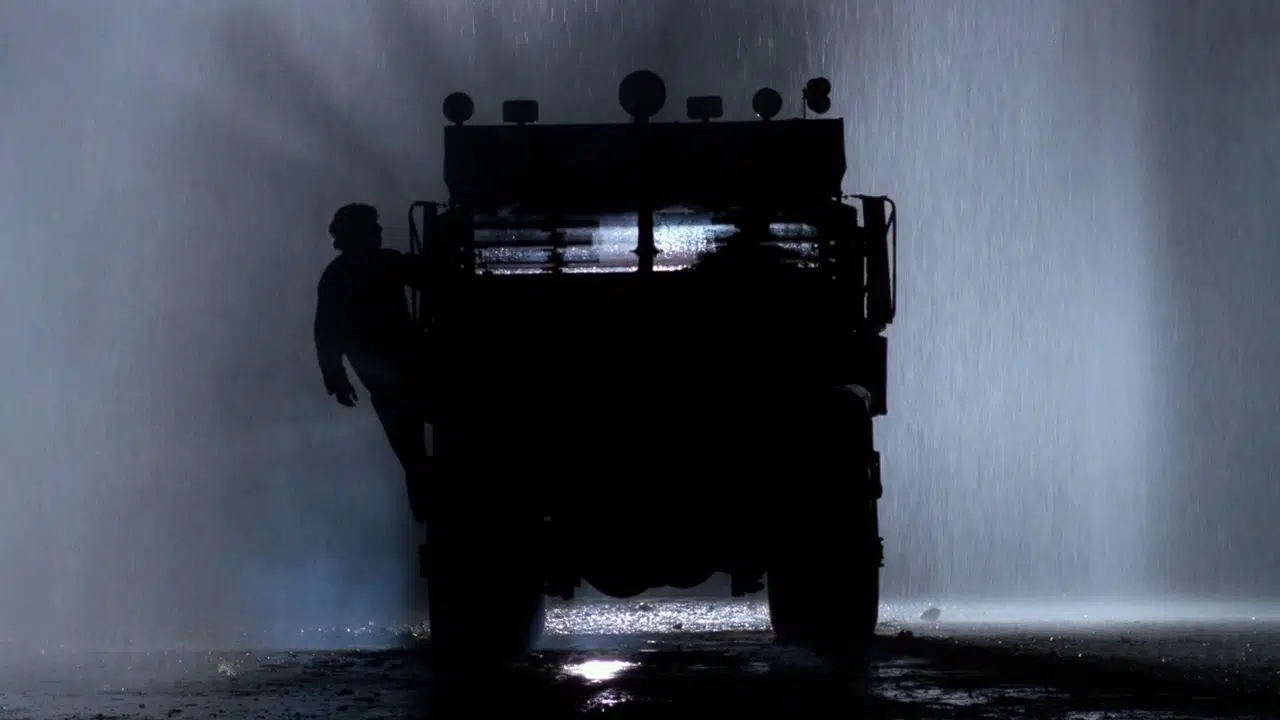
I’ve learned a lot about this film from the BTS content and digibook included in the collector’s edition Blu-ray I picked up from Warner Brothers, and I have high hopes for whatever new tidbits and interesting supplements the Criterion team will include in their upcoming release, which is sure to become the definitive edition of the film, being the first presentation in 4K UHD.
Have you seen Sorcerer? Will you be picking up this Criterion release on day one like me? Do you think we’ll ever see a resurgence in practical effects and stunt work to this level in the modern age of CGI? Let me know down in the comments!






Share your thoughts!
Be the first to start the conversation.