
A long time ago, when George Lucas released ‘Star Wars’ (1977), he didn't know it was the beginning of a saga that would redefine the way science fiction was represented in cinema, as well as lay the groundwork for a space opera, narrating a family conflict that would transcend eras, characters and generations.
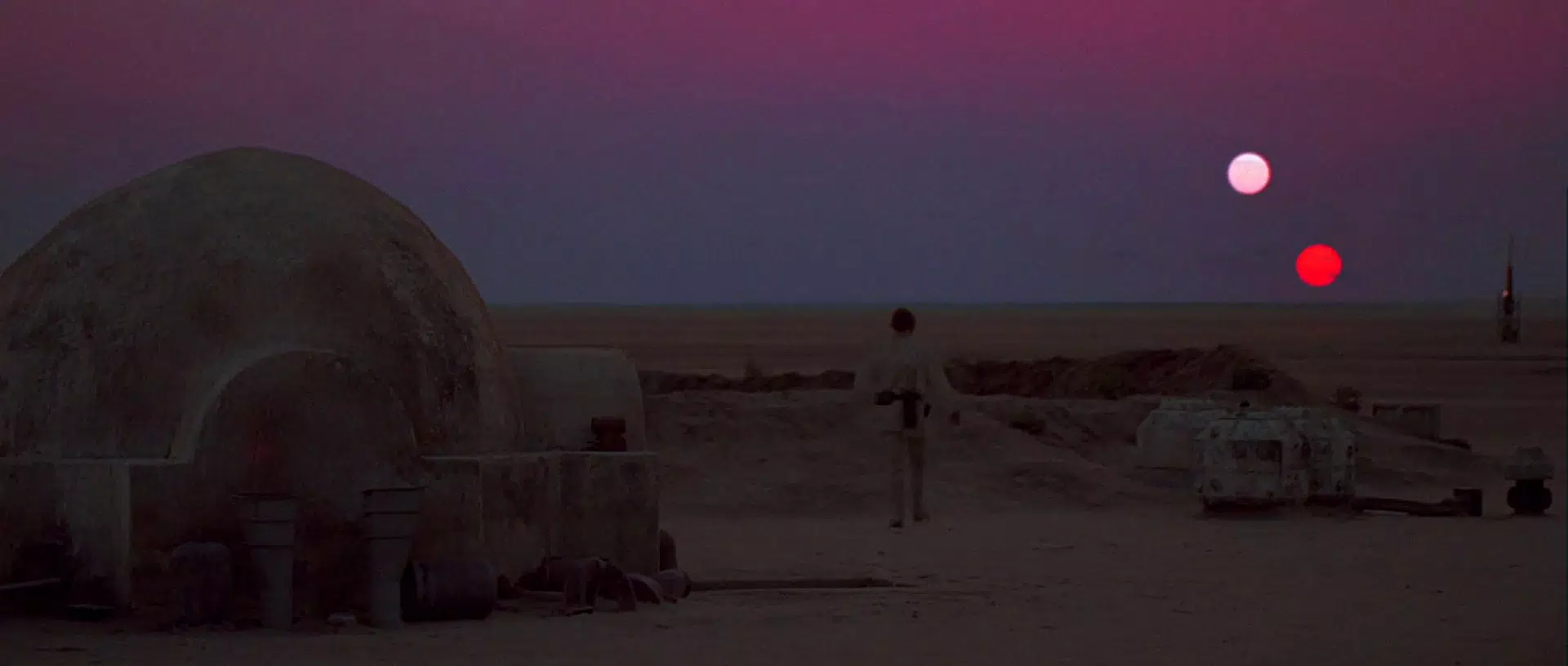 The first film, ‘A New Hope’, as some call it, broke all the molds: in terms of cinematography, soundtrack, special effects, costumes, makeup, and prosthetics, but above all, in its universe-building. This universe was filled with very interesting, complex, and uncomplicated characters, heroes and villains who would become legendary.
‘Empire Strikes Back’ (1980) not only broke the curse of sequels never being good, but also delved into the most iconic and well-crafted (perhaps a bit too quickly) character of the saga: Darth Vader. An imposing, mysterious figure with such an incredible aura and an epic song that plays every time he enters the scene.
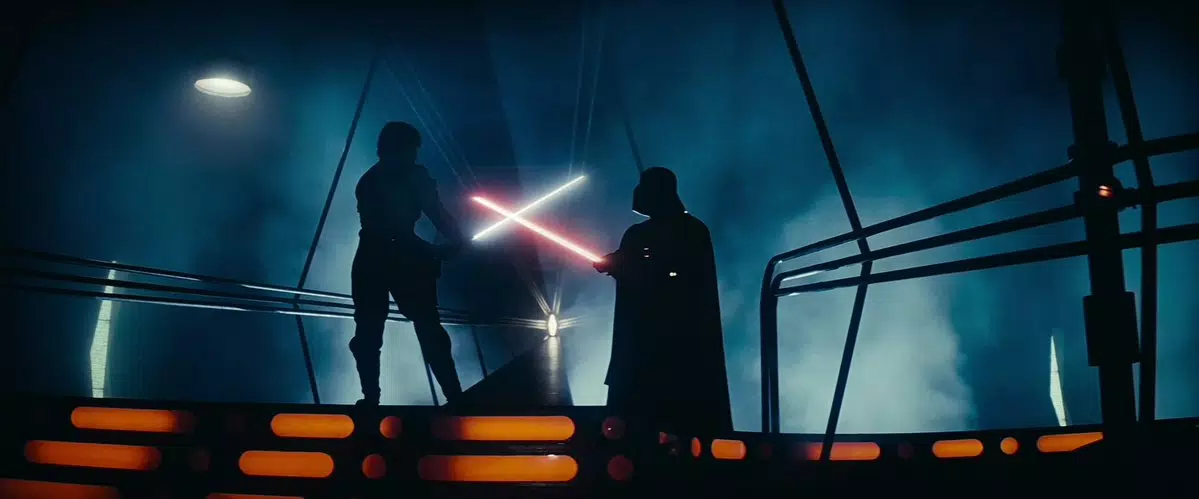 This film gave us the most memorable moment in cinematic history, across all genres, and the greatest plot twist ever. It also managed to further develop the main characters and their interconnected stories, in a setting that takes its time, and achieves a sensational climax.
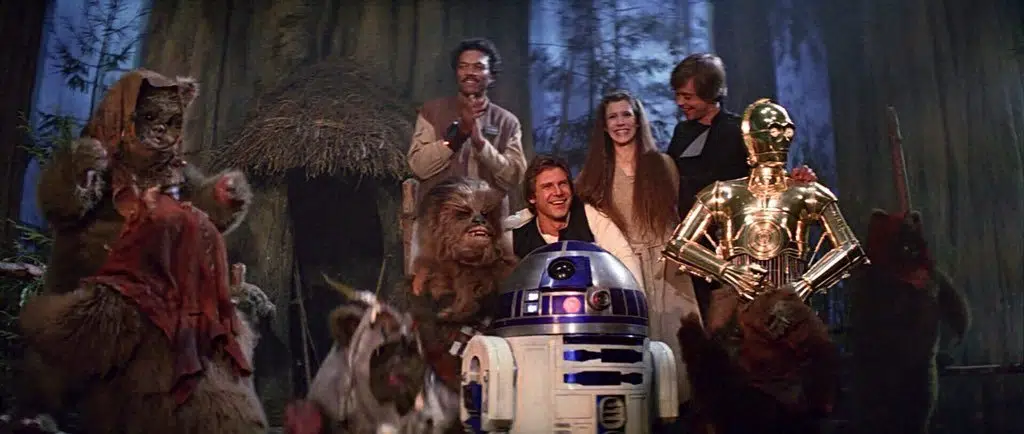
The bar was set so high with that film that ‘Return of the Jedi’ (1983) didn't feel any better than its predecessors. However, it did reunite the main characters, with some introduced in the previous installment, bringing the trilogy to an epic conclusion.
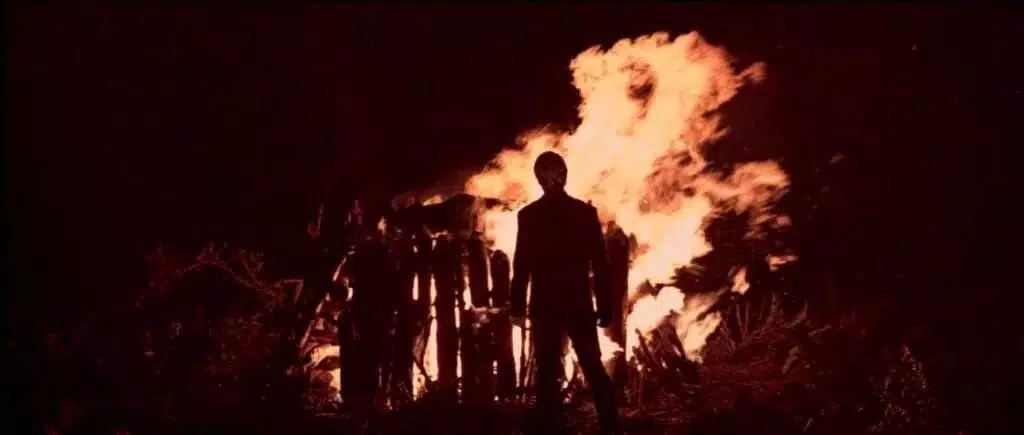 As I said before, perhaps some things were created or modified along the way by Lucas. He realized the success of his creation, how well it was received by critics and audiences, the records it broke at the domestic and international box office, and he looked for ways to improve it, in every way.
While the original trilogy wowed audiences with novel concepts like the Jedi, the Sith, the Force, the Empire, and the Resistance, among others, following a tremendous hero's journey; the prequel trilogy knew how to explore them further, through origin stories and even more complex characters, in a blend of drama and strategy.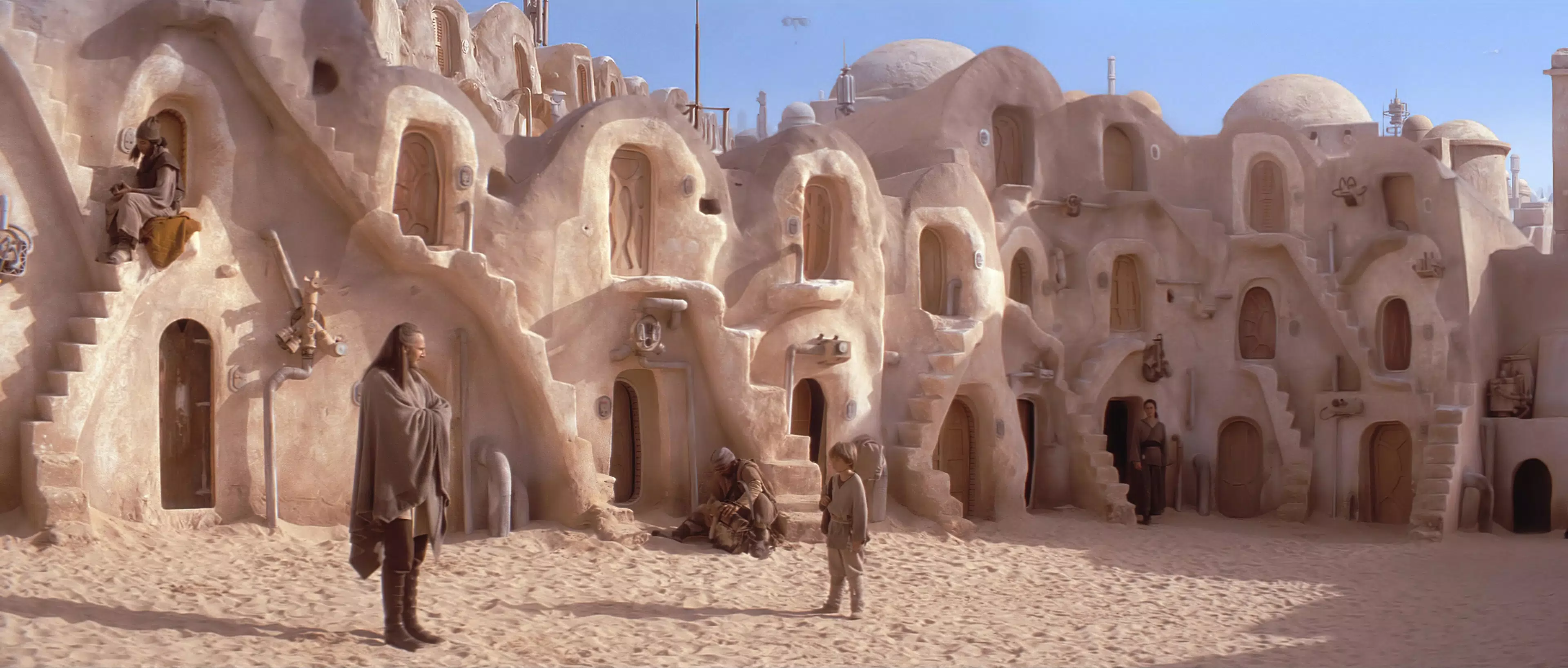 ‘The Phantom Menace’ (1999) was a financial success that paved the way for the development of a plot centered around the young Anakin Skywalker, and it also gave us the best lightsaber ever. The saga entered the new century with a bang, but still needed to improve in other narrative aspects.
The drama became more deeply embedded in each character's storyline in ‘Attack of the Clones’ (2002), a more strategic installment centered around the protagonists' falling in love, and the master plan of the mysterious Darth Sidious. These films took more time in terms of development.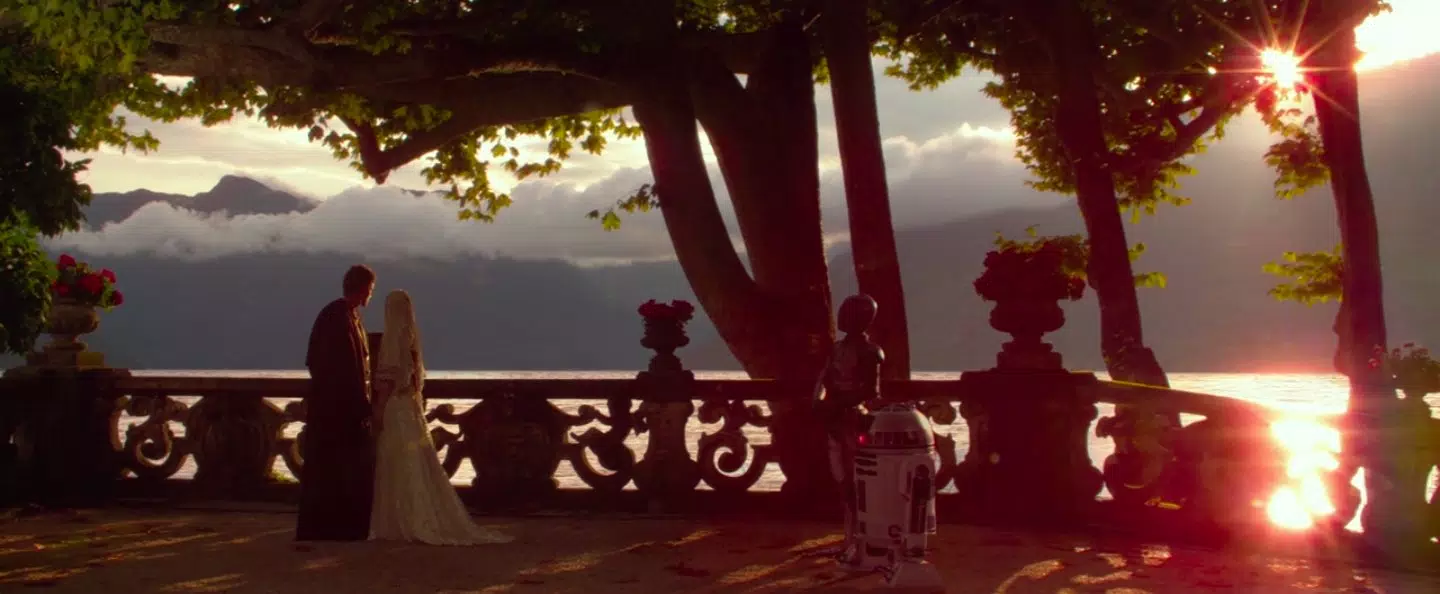 The characters in our second trilogy grew, as we understood their motivations and purpose. Meanwhile, Lucas established himself as one of the most financially successful filmmakers in history. But there was still plenty of room for improvement on the cinematic level.
Now, ‘Revenge of the Sith’ (2005) revolutionized the paradigms, giving us a truly epic space opera, packed with emotion, drama, and action from start to finish. At the same time, it embraced digital photography, setting a cinematic precedent.
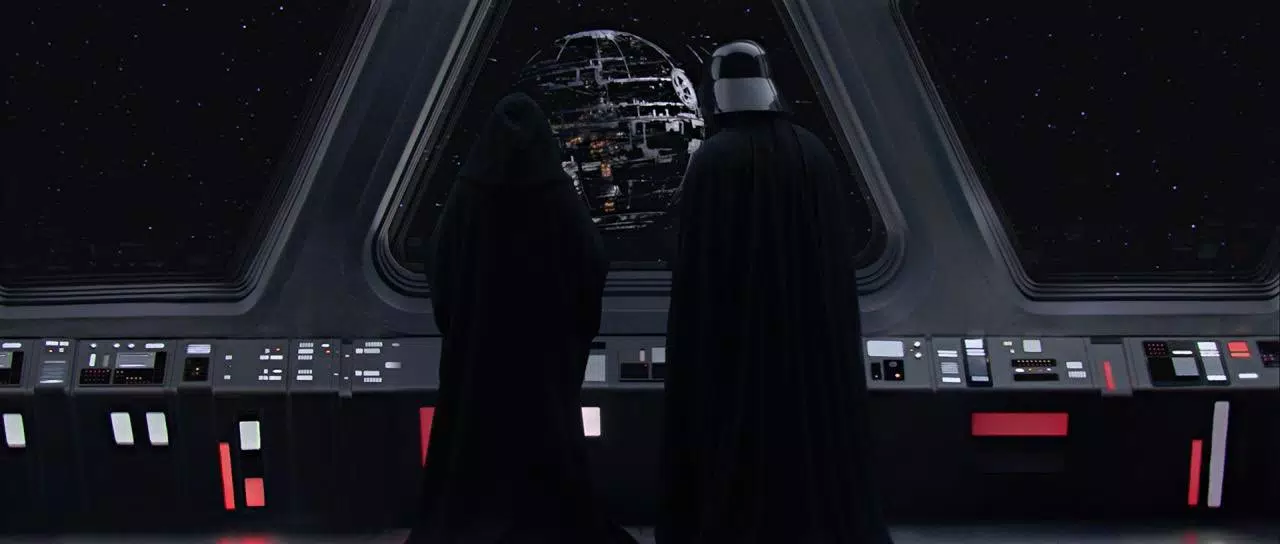 The conclusion of the prequel trilogy presents the collapse of the Republic in conversations held in four rooms on Coruscant. Dosing the emotion through it, it left us with a painful closure for our protagonists, but hopeful for the galaxy.
Years later, Disney formalized its purchase of Lucasfilm and announced a new trilogy. A decade after the last film in the saga, Star Wars reached new generations with ‘The Force Awakens’ (2015), a film everyone wanted to be in, and no one wanted to miss.
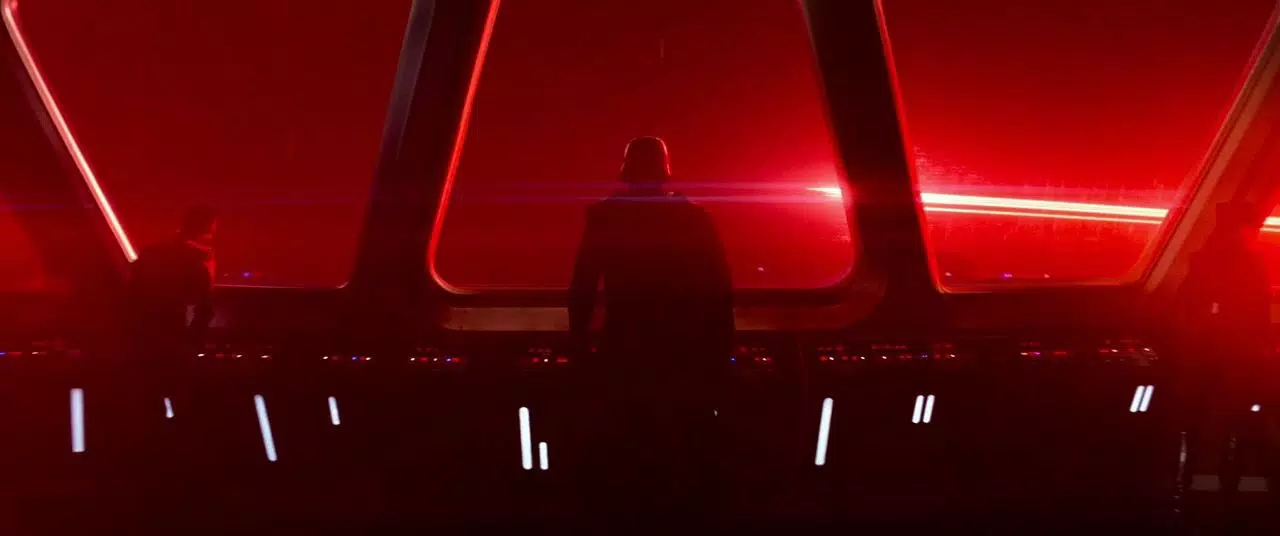 The sequel trilogy reunited the original cast with new actors and characters, creating a truly exciting and nostalgic story. It left new questions and much potential for future development of the individual and collective plots.
The expectations generated weren't met with the next film: ‘The Last Jedi’ (2017), which generated mixed reviews. It proposed a new beginning in the saga, which was achieved through a rather confusing development and some stumbles in the subplots.
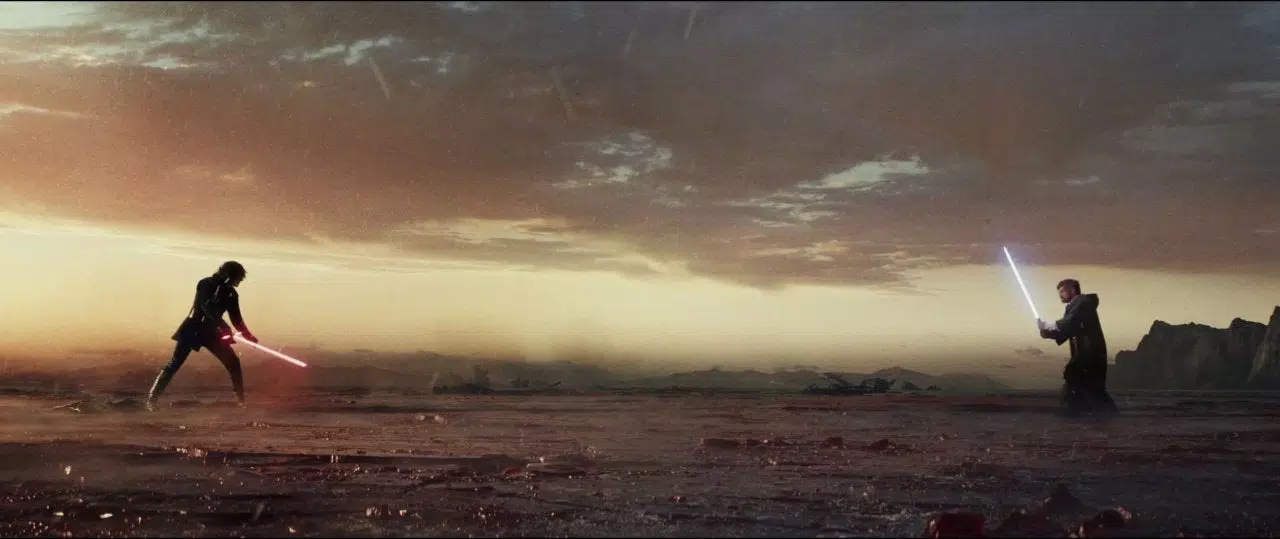 This film's biggest flaw was its failure to address the questions raised in the previous installment, as well as its failure to tap into the potential of the new and interesting characters’ stories. However, it wasn't all bad; this film provided us with epic and visually stunning moments.
By the time of ‘The Rise of Skywalker’ (2019) release, the hype surrounding the saga had waned considerably, but J.J. Abrams managed to pull off a fairly decent film that had critics' attention following its predecessor. Although the Deus Ex Machina theme was considerably overused.
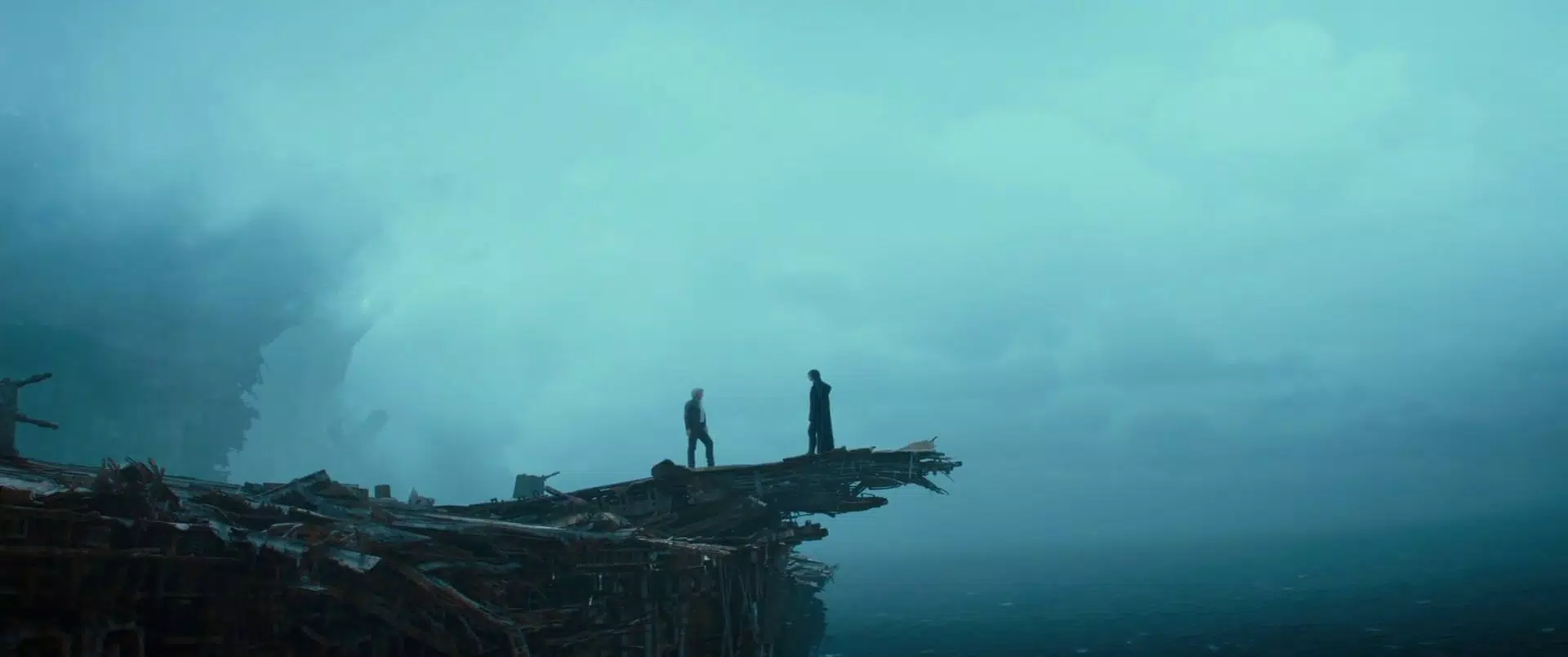 Following the conclusion of the sequel trilogy, the Star Wars saga and its fans have been patiently awaiting its reinvention and the intelligent realization of its full potential.
In a galaxy far, far away, with all my heart, a tribute to the greatest saga of all time. May the Fourth be with you, and happy Revenge of the Fifth.



Share your thoughts!
Be the first to start the conversation.