
Anime is weird, and it’s for weirdos. This means it's usually banned for weird reasons like being too violent, too sexual, or too dangerous. Like with movies such as The Human Centipede or A Serbian Film, plenty of anime have been pulled from shelves or outright banned, even though they’re just drawings on a screen. They can't hurt anyone. Or can they?
When I was younger, I made a habit of watching anything controversial and perverted just to feel edgy and cool. That led me into plenty of anime that I didn’t even realize were banned. The country I lived in banned almost anything that didn't glorify their nation, so I had to find creative ways to watch things, even if it gave me a virus. Different countries all draw their lines in different places. What Japan shrugs off as shocking but acceptable, another country might label as morally corrupting.
Here are some of the most notorious examples and why they ended up blacklisted.
Midori – Banned Everywhere
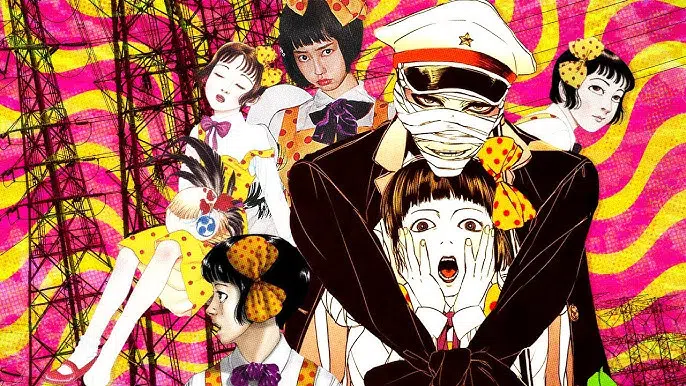
Even if you haven’t watched Midori, you’ve probably heard of it or maybe even gone hunting for it online. I managed to watch it once when I was way too young (don’t ask me how), and it’s burned into my brain forever.
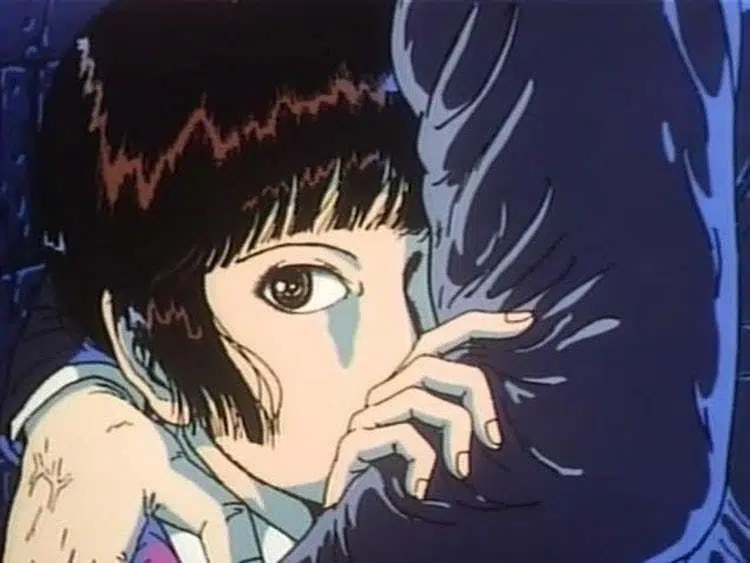
The story follows a 12-year-old orphan girl (oh no) who gets trafficked into a twisted circus. From there, she’s subjected to every violent and abusive act imaginable. It’s easy to see why the film is banned. What’s more surprising is that even Japan, the country that made it, pulled it from circulation.
Midori was never mainstream to begin with. It was shown in underground theatres before screenings were shut down. Creator Hiroshi Harada said he used his own childhood bullying as inspiration, wanting to smash the silence around taboo subjects like exploitation and trauma. In my opinion, the content of this film surpasses getting swirlies at school. Japan officially banned it from 2004 to 2013, and internationally, it’s still nearly impossible to show due to strict laws against depictions of violence toward children or animals.
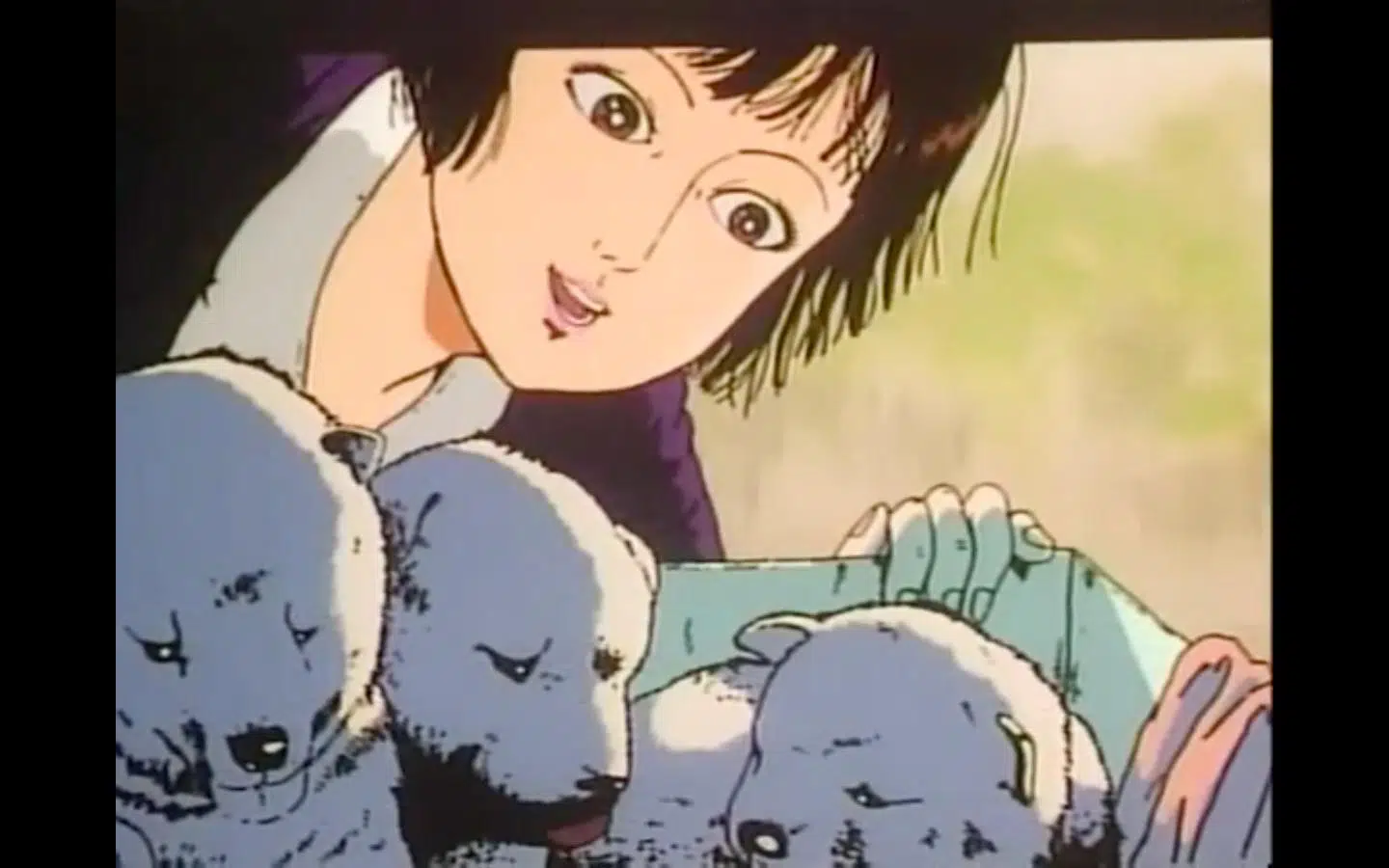
But is it beautiful? That’s hard to answer. The visuals themselves are stunning, and the way the sequences bleed into each other feels dreamlike and trippy. The gore echoes Junji Ito’s signature body horror, and yet the story isn’t just shock value. It forces you to stare at the ugliest parts of society, and also the ugly parts of being dismembered. Beyond the horrific abuse Midori suffers, there’s also her alienation after her mother’s death and the broken, grotesque lives of the circus members. Together, it paints a bleak portrait of cruelty and exploitation that still feels uncomfortably relevant today. Though it won't be watched widely, it'll definitely be remembered for that very reason.
Death Note – Banned in Russia and China
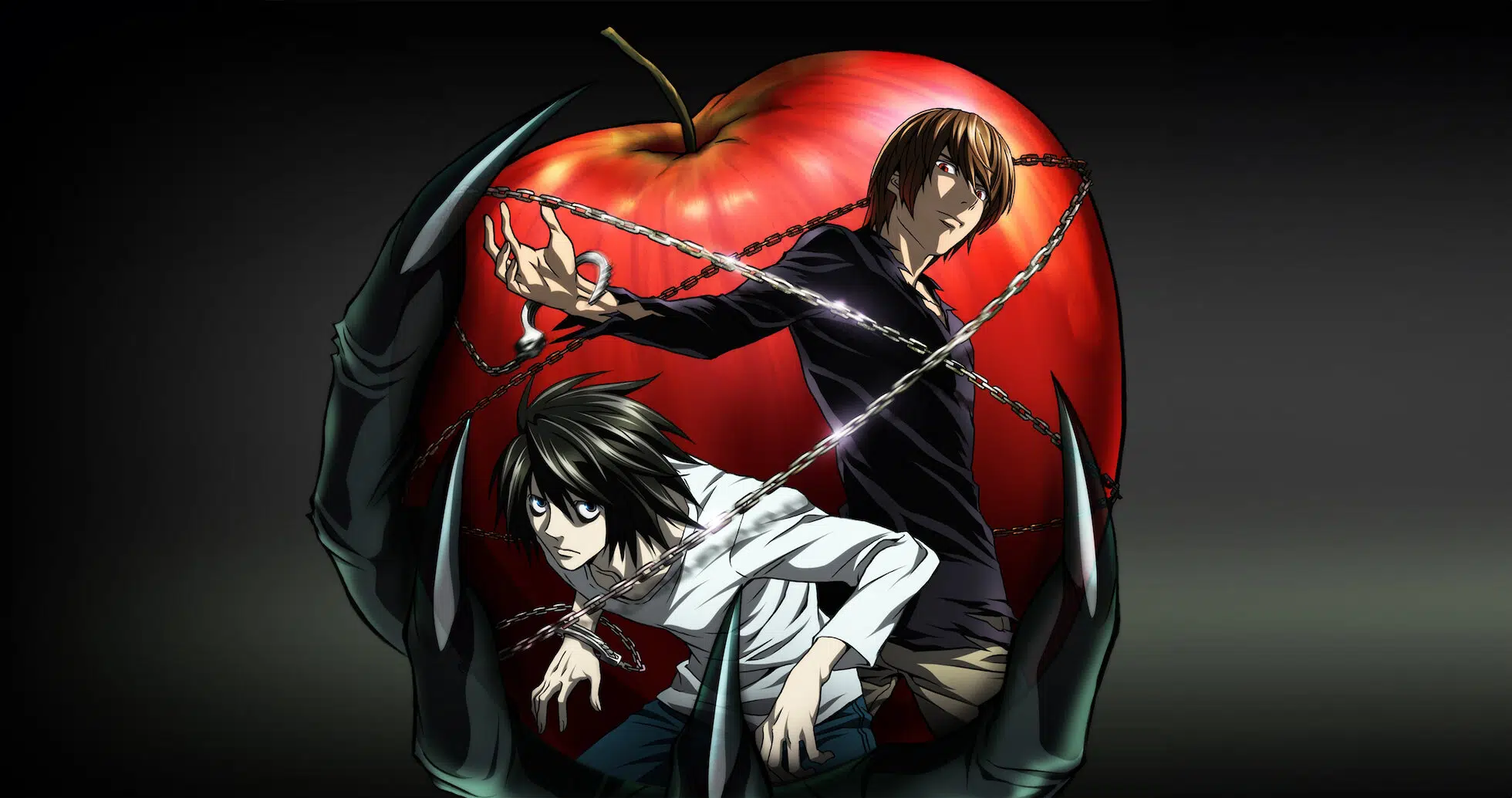
Death Note is one of the most popular anime of all time, and compared to other horror or thriller titles, it isn’t even that violent. It ran in Shonen Jump, a manga magazine aimed at kids and teens. Still, it ended up banned in Russia and China.
The reasoning was simple: officials thought it encouraged dangerous behaviour. In China, students were caught making their own fake death notes and writing down the names of classmates and teachers they hated. Obviously, the notebooks don’t work, but the idea alone was enough to spark panic among parents and schools. Russia labelled it “antisocial” and too dark for its younger audiences.
It went beyond notebook roleplay, too. In Belgium, a case known as the “Manga Murder” involved a mutilated corpse with a note saying “I am Kira,” referencing the killer from Death Note. Japan also had its own scares, where fake notebooks were confiscated after similar incidents.

The influence of Death Note is what makes it so fascinating. It’s completely supernatural—a cursed notebook that could never exist in reality. But it was still powerful enough to make people act out parts of it, or at least think like its characters. Russia didn’t want citizens identifying with Light Yagami, the manipulative sociopath at the centre of the story, or romanticizing his battles with L. For governments, banning the show was about stopping people from even getting the idea. I have my own fake death note stashed somewhere, so I'd think twice before leaving hate comments (jk but fr).
Psycho-Pass – Banned in China
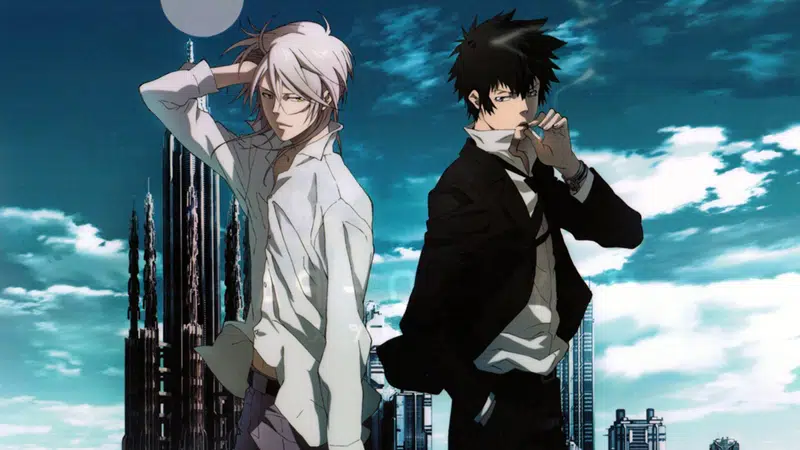
China, unsurprisingly, is a ban queen and has banned hundreds of anime for violence, sex, or gore, but Psycho-Pass is a different case. Its problem was rooted beyond violence, more political.
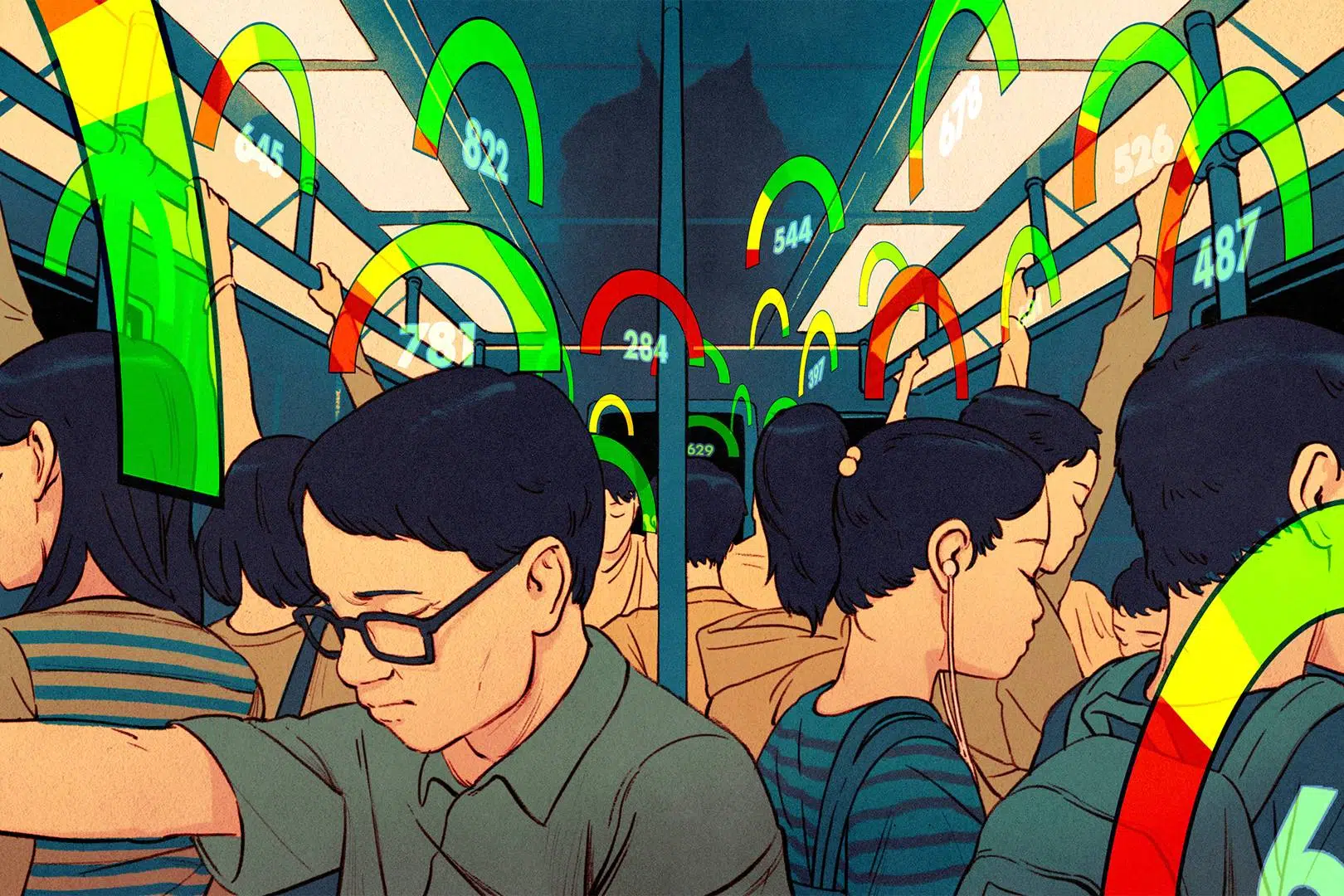
The series is set in a future society ruled by the Sibyl System, a massive surveillance network that constantly scans citizens’ minds. People are given “crime coefficients” that measure their likelihood of committing crimes. If the number’s too high, they’re marked as dangerous and punished, often before they’ve done anything at all.
This would be disturbing anywhere, but in China, it's already a reality. Just two years after Psycho-Pass aired, the Chinese government launched its own Social Credit System. Citizens are monitored through surveillance cameras, facial recognition, online behaviour tracking, and state databases. Scores decide who gets loans, who can travel, and who gets blacklisted from jobs and society.
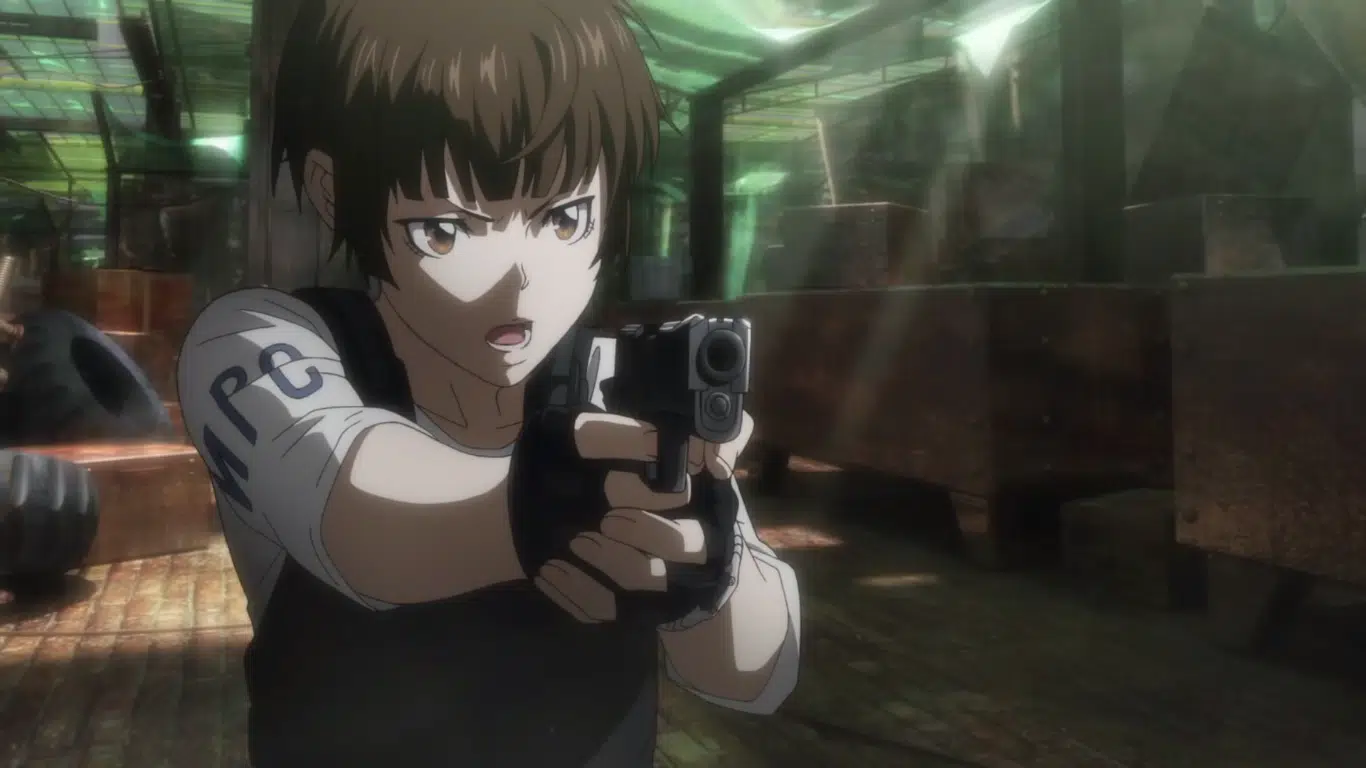
The parallels were too close. Psycho-Pass isn’t subtle about its critiques of authoritarian control, and even though its protagonist eventually chooses to enforce the system, the show still forces viewers to question morality, privacy, and state power. For the Chinese government, that was reason enough to shut it down.
The overlap goes deeper. China now has over 200 million cameras installed, many linked to AI tracking software. The government has openly said it plans to expand the Social Credit System nationwide. Watching Psycho-Pass under those conditions is one that the state would rather not show its citizens. Despite the bleak downsides, psycho-pass builds a pretty attractive life for people with their flying cars and automatic dress machines, so China should take notes there.
Eromanga Sensei – Banned in Australia
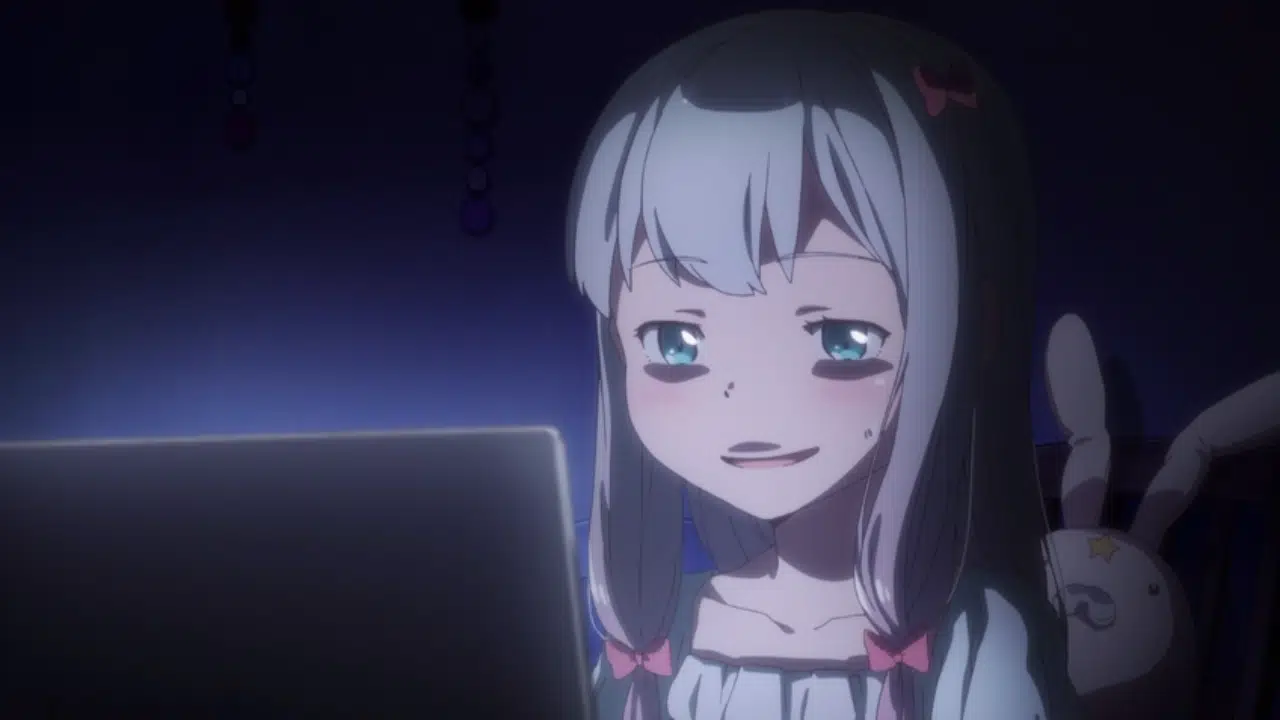
Anime swings between brilliance and trash. Eromanga Sensei is pure, smelly, unfiltered trash.
The show features characters as young as 10 in sexual situations, plus Alabama-level relationships with your siblings (who aren't related by blood, they swear!). What makes it worse is that it wasn’t branded as hentai. It was marketed as a mainstream rom-com melodrama with dead parents thrown in for emotional effect.
Most countries ignored it, chalking it up to Japan being Japan. But Australia wasn’t having it. According to their law, it’s illegal to produce or distribute material that depicts abuse of anyone who appears younger than 18, even if animated.
Former Australian senator Stirling Griff directly called out anime in parliament, saying too much of it depicts children “engaged in explicit sexual activities and poses.” He singled out Eromanga Sensei as a key example, and the show ended up banned under Australia’s child exploitation laws.
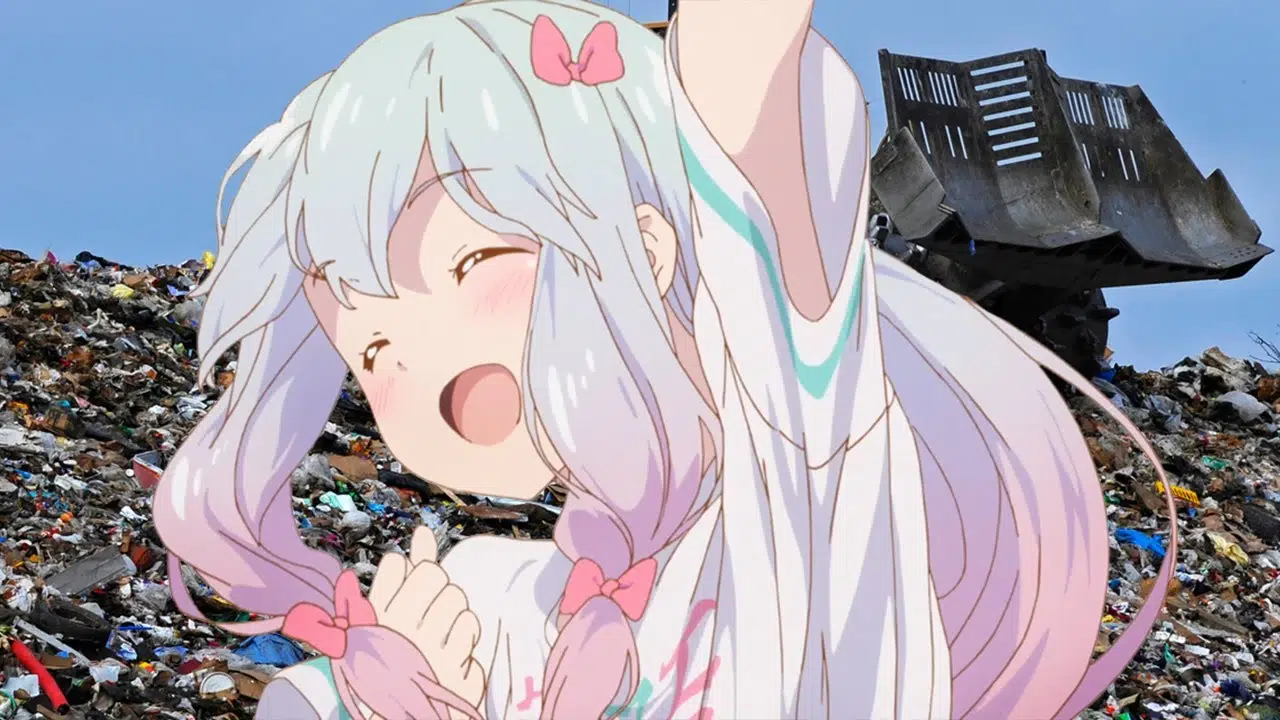
This wasn’t new. Anime had already been criticized in the West decades earlier as “perverted sex and violence cartoons.” Back then, most people’s idea of edgy animation was Batman: The Animated Series, so anime’s willingness to mix gore, nudity, and taboo relationships was seen as corrupting. Griff’s speech basically reignited the same debate, showing that anime still hasn’t shaken that reputation in certain countries. This is one of the few times I agreed with a censorship law, because if my eyes are ever subjected to anything against my will, it will not be a 10-year-old in a bikini lusting over their goofy-ass Onichann (big brother but sexy).
So, Why Does Anime Get Banned?
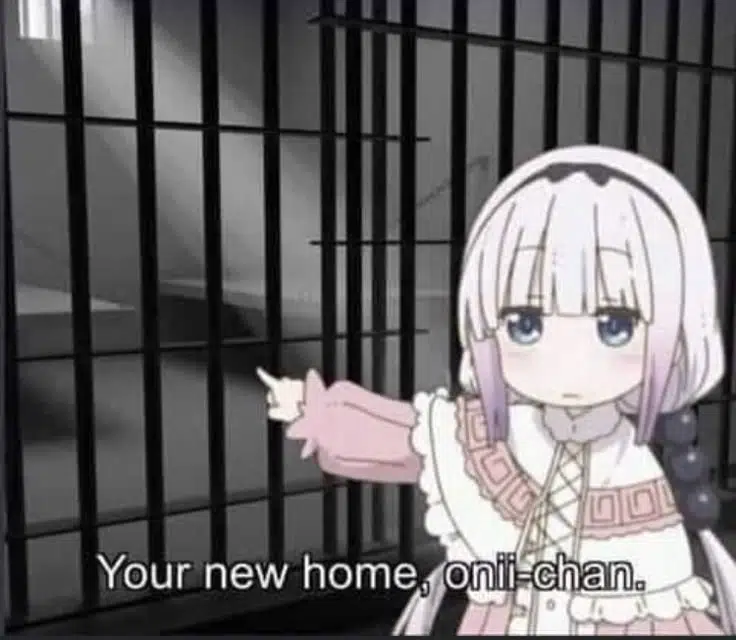
Anime bans reveal more about the countries enforcing them than about the shows themselves. Midori was banned over depictions of abuse. Death Note was banned out of fear of imitation. Psycho-Pass was banned for political reasons. Eromanga Sensei was banned because it's a dog-crap show.
At the same time, anime isn’t just for Japan anymore. In the early 2000s, Japan pushed the Cool Japan initiative, designed to promote Japanese culture abroad. The government poured money into arts and entertainment, with anime front and centre. Stories were deliberately exported and framed as quirky or futuristic to build Japan’s image as a cultural powerhouse.
That global push means anime now works on two levels: it’s made for Japanese audiences, but also tailored for international ones. Shows that critique authority or play with taboo subjects aren’t just domestic commentaries anymore—they’re worldwide broadcasts. So when a show glamorizes violence, sexualizes minors, or criticizes authoritarian governments, it doesn’t stay in Japan. Everyone sees it.
That’s why anime keeps getting banned. Governments know the media has influence. Even if it’s just drawings, anime can shape how people think, question, or act. Whether it sparks cultural curiosity, political backlash, or just kids scribbling names into fake notebooks, anime has already proven that it matters. And that’s exactly why people try to stop it.




Share your thoughts!
Be the first to start the conversation.