
School’s back in session — the most wonderful time of the year! For parents, it means peace and quiet at home. For students? Don’t worry — there’s still plenty of fun waiting for you in the halls!
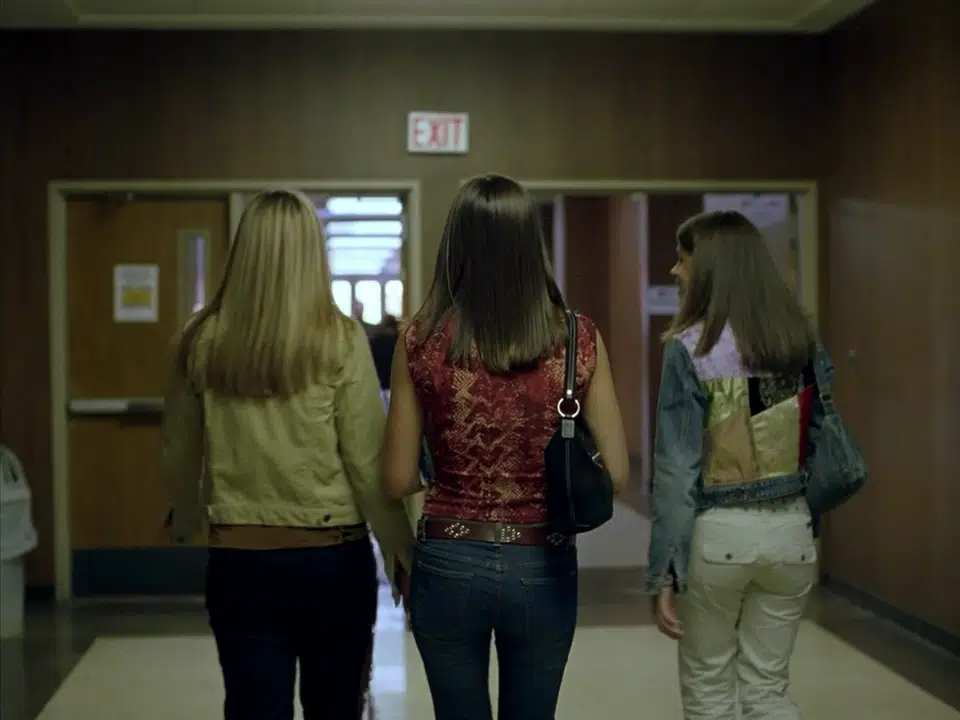
Catch up with friends in the cafeteria, where every table tells its own story. Run free on the sports field, testing your limits side by side. Explore the library, packed with adventures on every shelf — knowledge can be a real lifesaver. And who knows? Maybe you’ll even discover a little romance between classes.
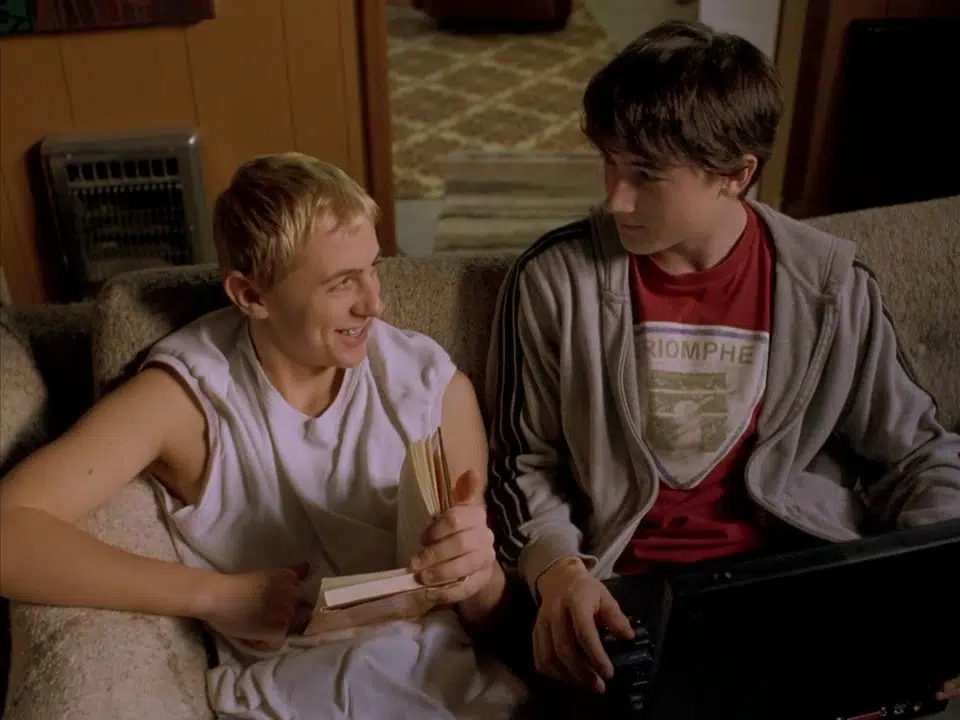
After the final bell, the fun doesn’t stop: band practice, hanging out after school, snapshots for the yearbook. And this year, your memories will be safer than ever — thanks to clear backpacks, high-tech metal detectors, kevlar-lined binders, shatterproof windows, and our favorite: monthly lockdown drills, giving you the skills you’ll need when it matters most. Because nothing says school spirit like being prepared for anything!
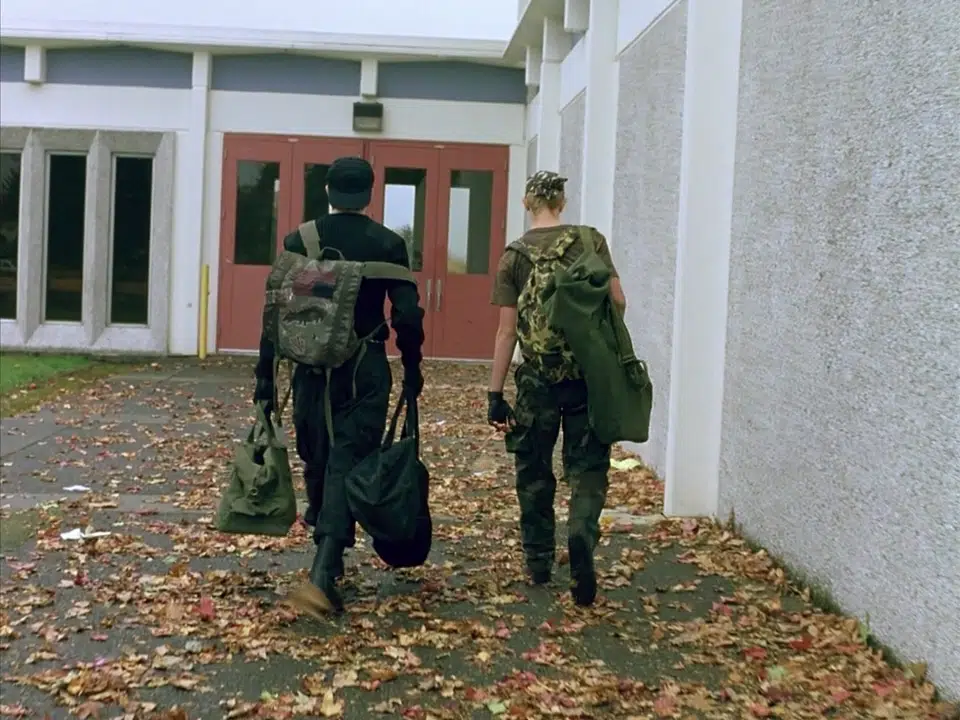
So don’t worry, kids. Every moment is still a memory… every corner a chance for something new. And best of all… you’ll never forget your time here. Because how could anyone forget something this traumatic?
The thing is, a lot of people seem to pretend it's not happening at all.
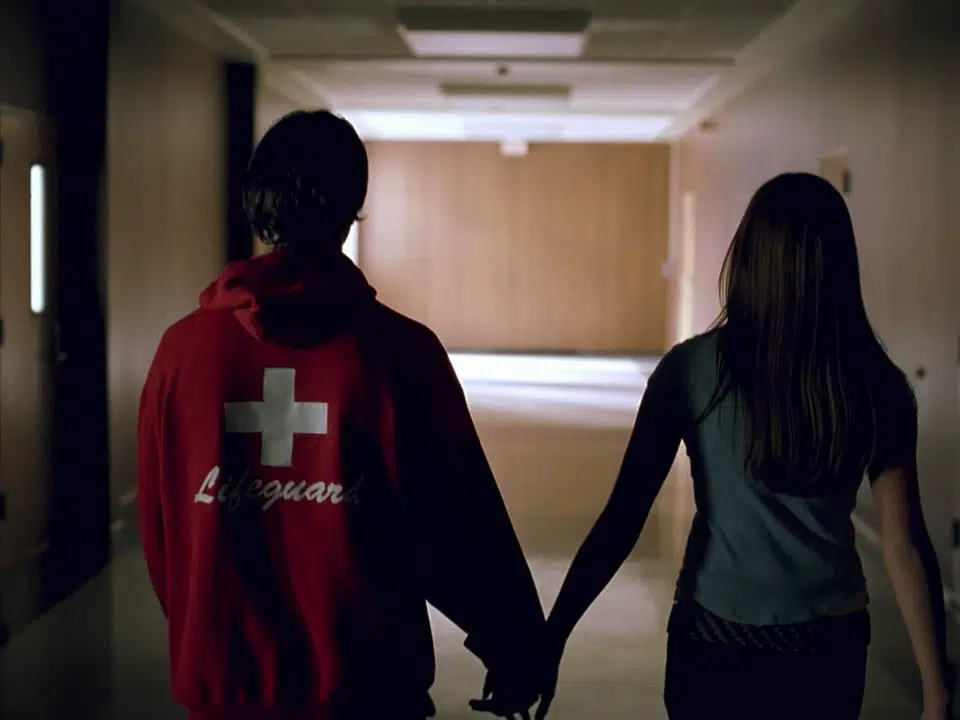
Kids shuffle through the drills, buy the reinforced binders, laugh nervously about it in the halls, and then go back to business as usual — as if ritualized denial could double as safety. Which is exactly the void Gus Van Sant steps into.
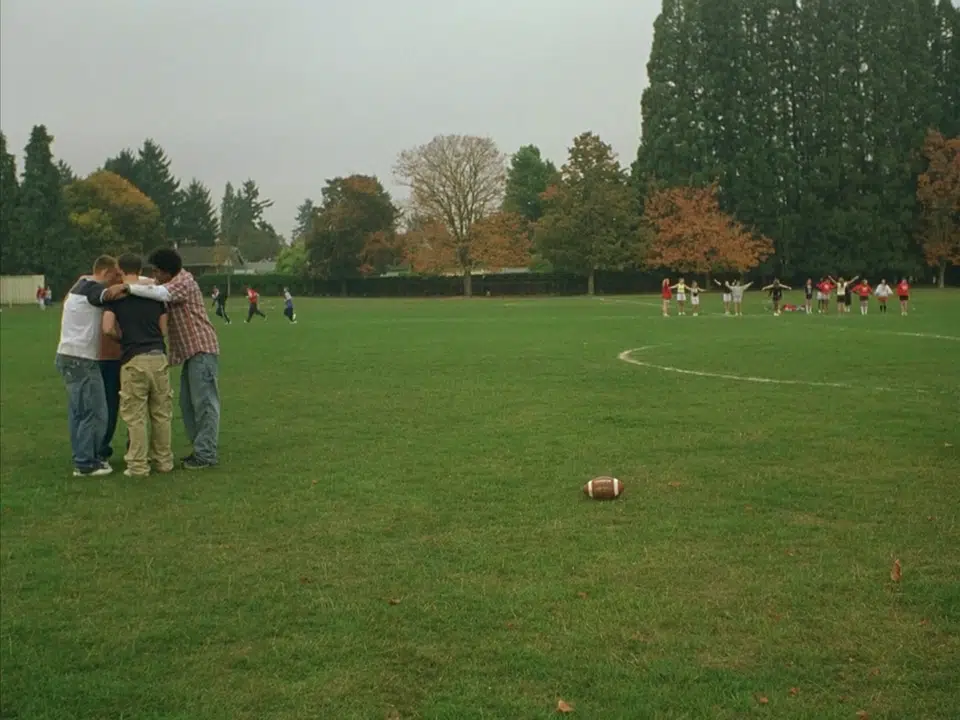
What began as a documentary about Columbine was eventually scrapped in favor of subjective dramatization. The title is a tribute to Alan Clarke and Danny Boyle's 1989 short film of the same name, which takes inspiration from the old proverb, referring to the collective denial of some obvious problem.
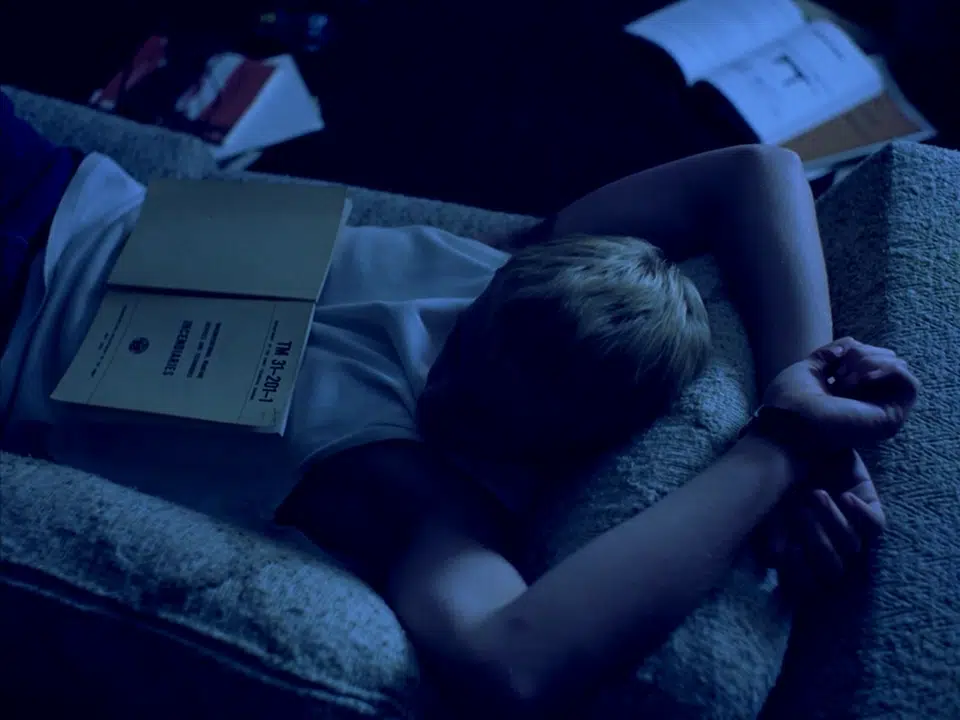
The film was shot in less than three weeks in Van Sant's hometown of Portland, Oregon in late 2002. Less than a year later, it premiered at Cannes, taking home the Palme. Between that, Michael Moore's Bowling for Columbine won Best Documentary at the Oscars — having also won the 55th Anniversay Prize at Cannes the year prior. Safe to say it was on people's minds.
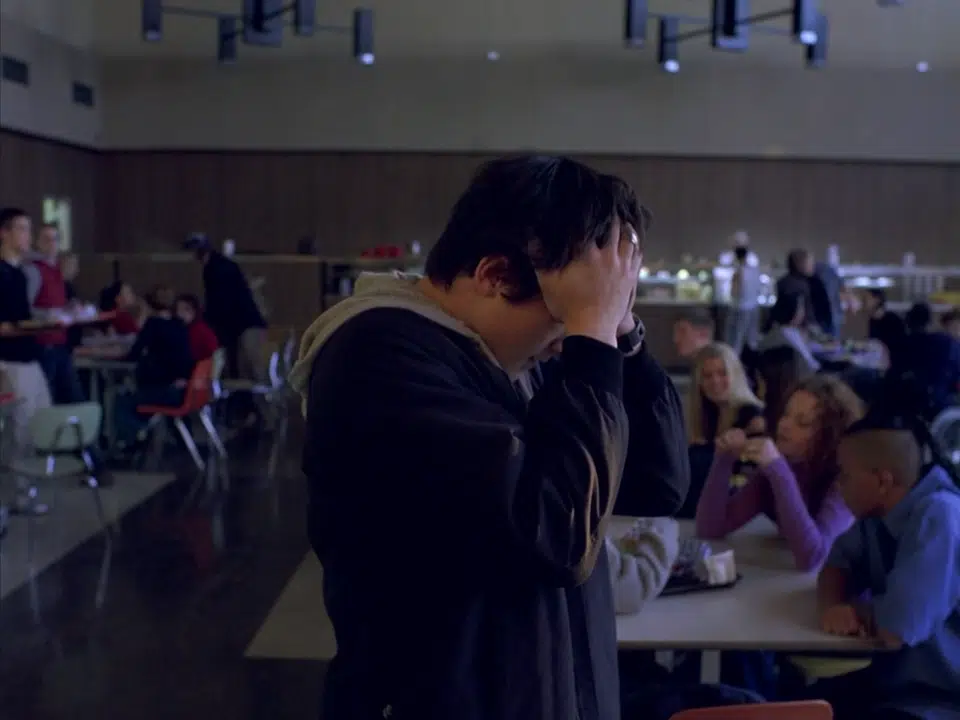
In 2003, this sort of thing was almost unheard of. Seeing it depicted in the news and on the silver screen was provocative and shocking. Now it’s almost literally an everyday occurrence. And if you thought the odds were bad enough, there is a disturbing number of people who have been caught in multiple school shootings, and that number is climbing — steeply. Even while I sit here writing this article, coverage of the Charlie Kirk assassination at a college in Utah is being interrupted by news of another shooting at a high school in Denver less than an hour later.
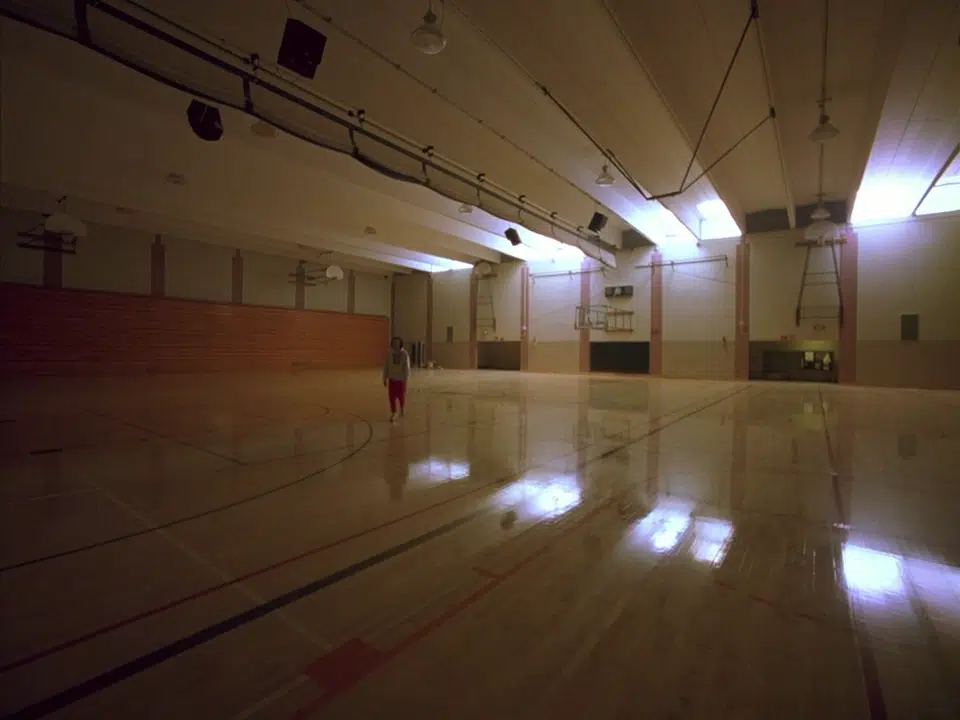
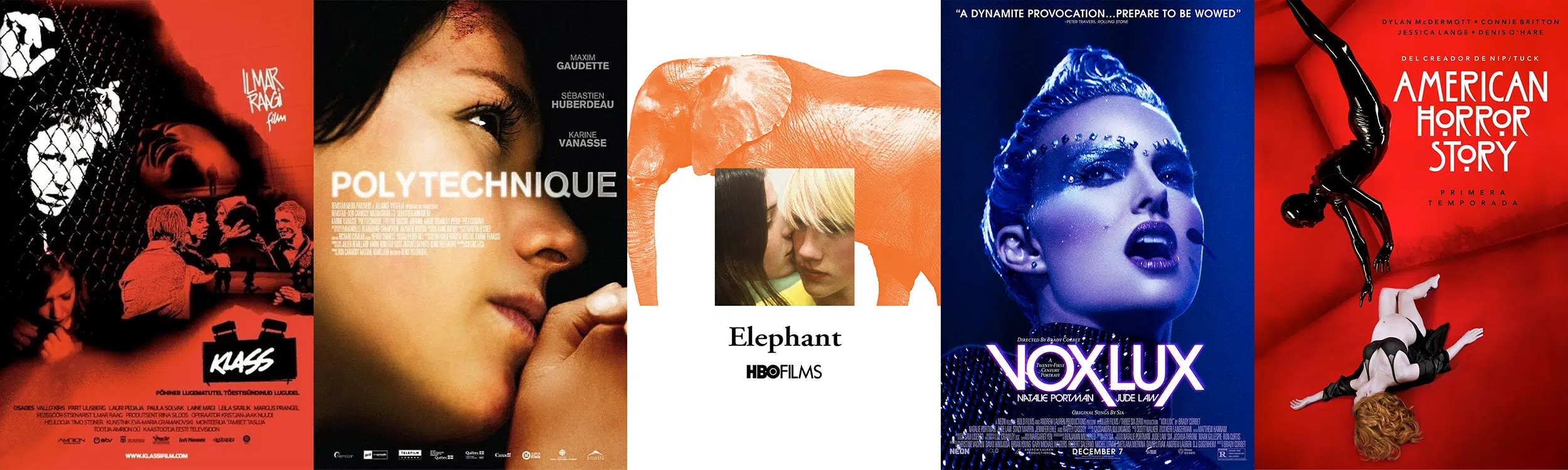
For something so prevalent in modern culture, why are school shootings so underrepresented in narrative media? This, Polytechnique, the cold open of Vox Lux, The Class, American Horror Story S1. Not much else of note. Is it too sensitive a subject? Are people afraid to portray this phenomenon? Afraid to see reality reflected on screen? Strange, because it seems like they’re more than willing to let it keep happening in real life.
From 1970-1999, there were roughly 23 School Shootings per year in the United States. From 2000-2020, it more than doubled to nearly one per week. In the last five years, that number has skyrocketed to 280 incidents per year. There have been nearly as many shootings in those last 5 years than the 50 years prior combined. Let that sink in.
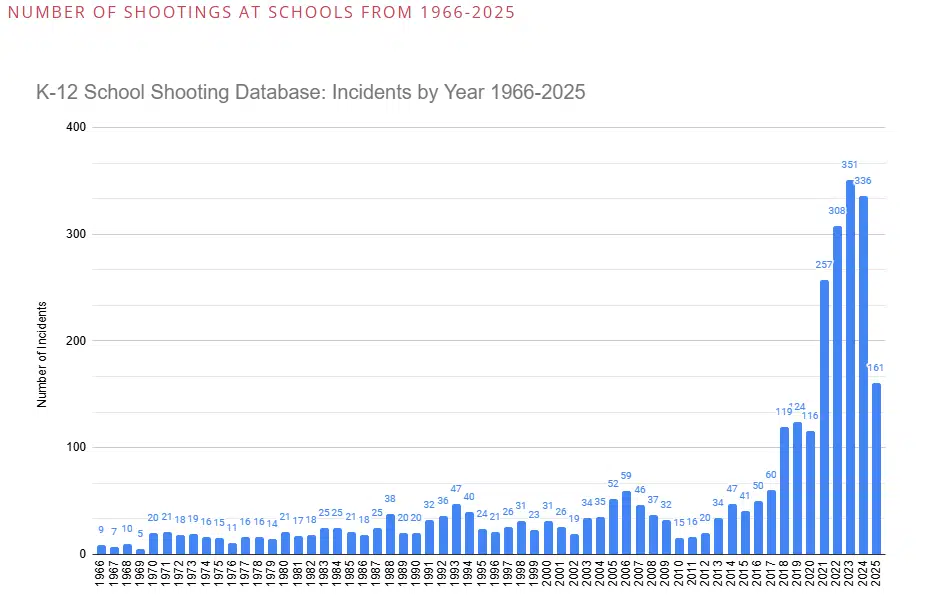
And this is only K-12 data. When adding post-secondary institutions into the mix, the numbers are much, much worse.
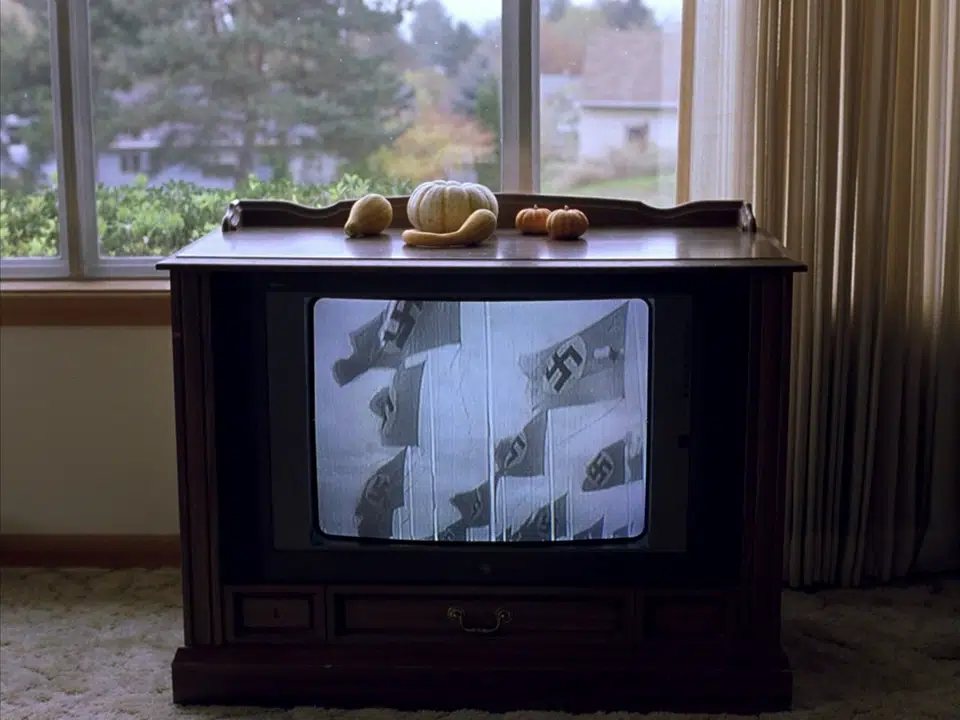
Politicians love their scapegoats — video games, goth kids, Marilyn Manson, you name it. But Gus Van Sant doesn’t bother with blame. This film isn’t about causes, it’s about atmosphere — about how a normal day becomes unwatchable once you know where it’s headed.
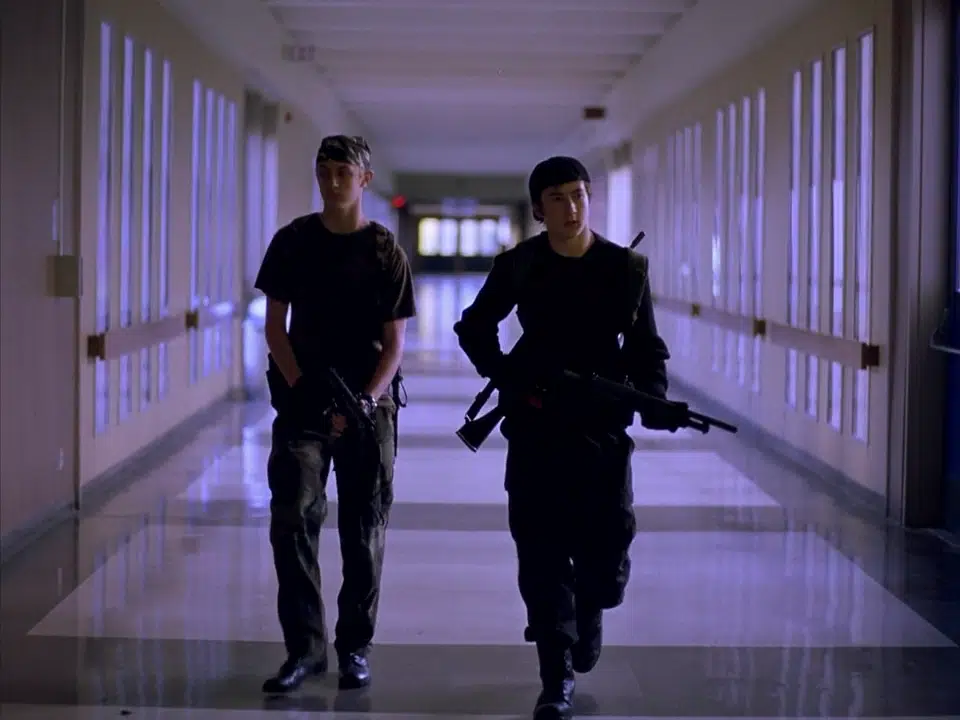
Van Sant fills his movie with real teenagers, not polished Hollywood stock. No prefab archetypes, no CW-channel sheen. It's the first credit for virtually everyone in the cast. For many, it's their only. These aren’t characters, they’re kids. Their character names are their real names. Even the killers. Imagine being seventeen and your one IMDb credit is school shooter. Jesus Christ.
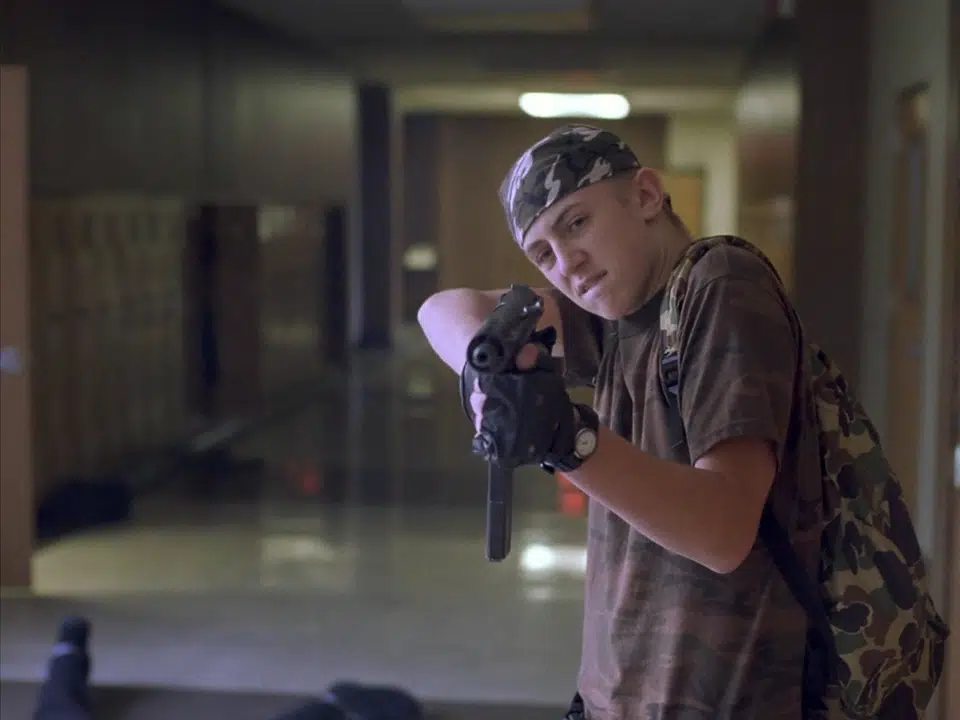
No script was written before filming began either — only a rough outline. Everything was written on-set, with Van Sant letting the cast improvise freely and collaborate in the direction of scenes.
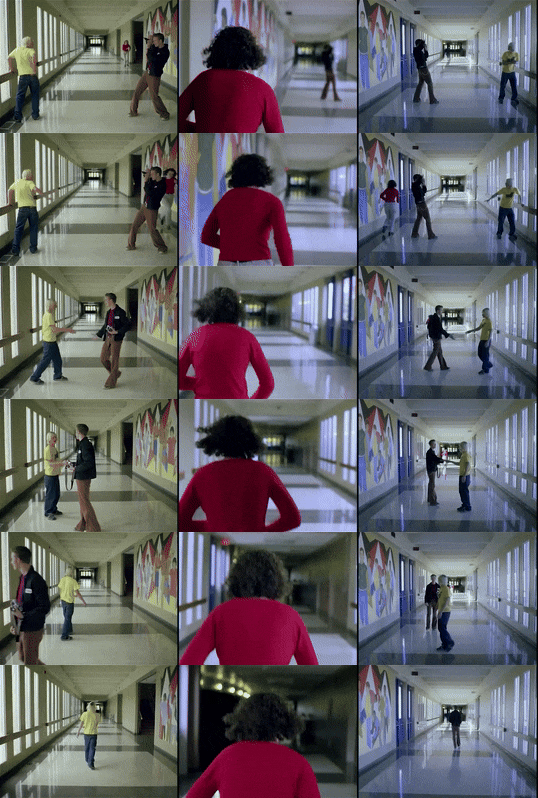
The whole film is stitched together like a daydream that keeps resetting, cycling through the same ten minutes from different angles — each time inching closer and closer to the inevitable moment of violence.
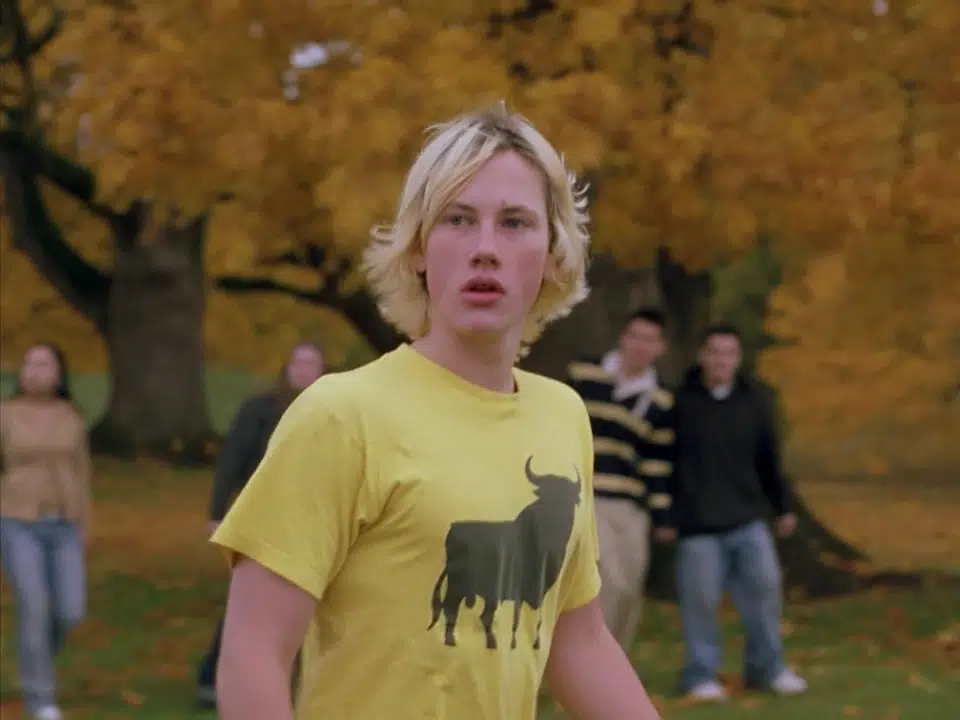
John, weighed down by his drunk dad, drifting through the halls in a daze.
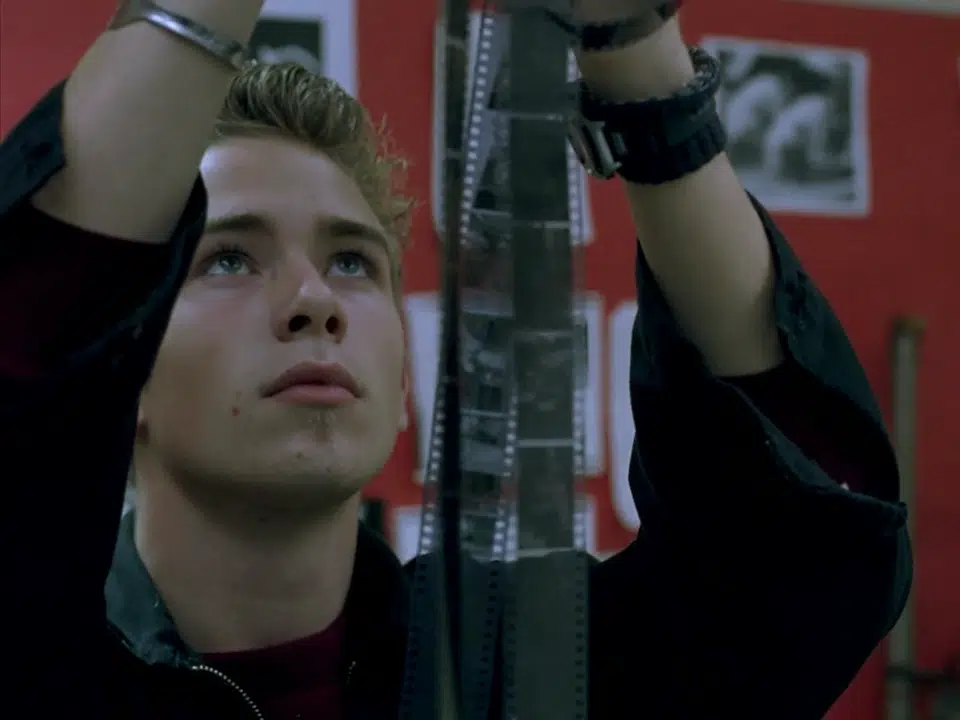
Elias, snapping portraits like his camera is the only safe witness.
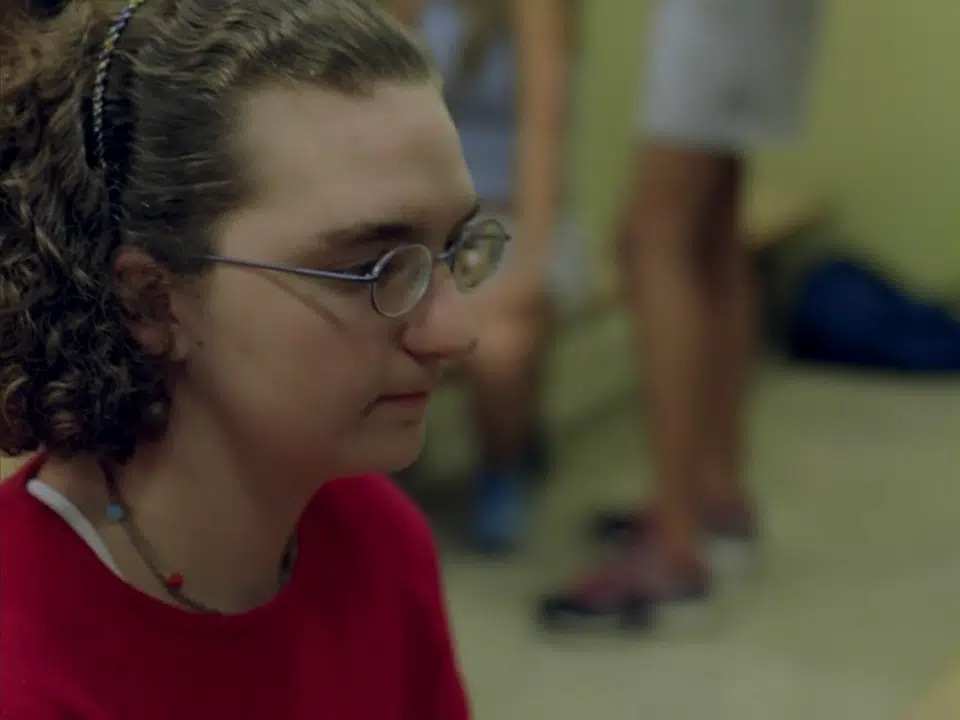
Michelle, subject of ridicule in the locker room, no friends of her own, wandering into the library — and into the line of fire.
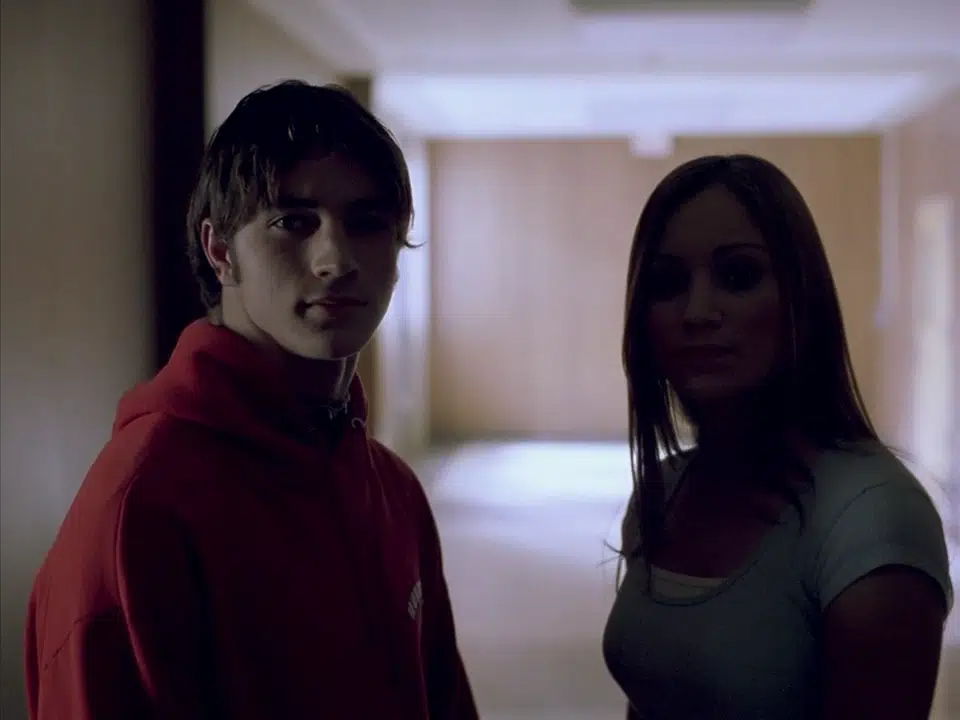
Nathan and Carrie, golden couple swaggering through the halls like youth makes you bulletproof.
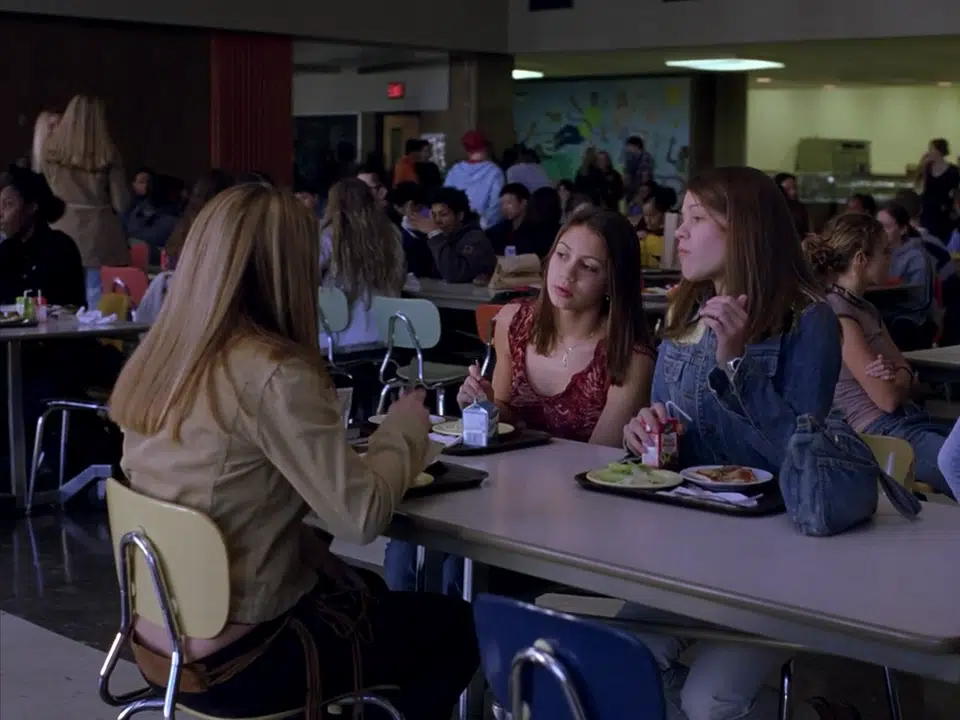
The trio of Brittany, Jordan, and Nicole gossiping and gagging in the cafeteria like nothing in the world matters except lunch drama.
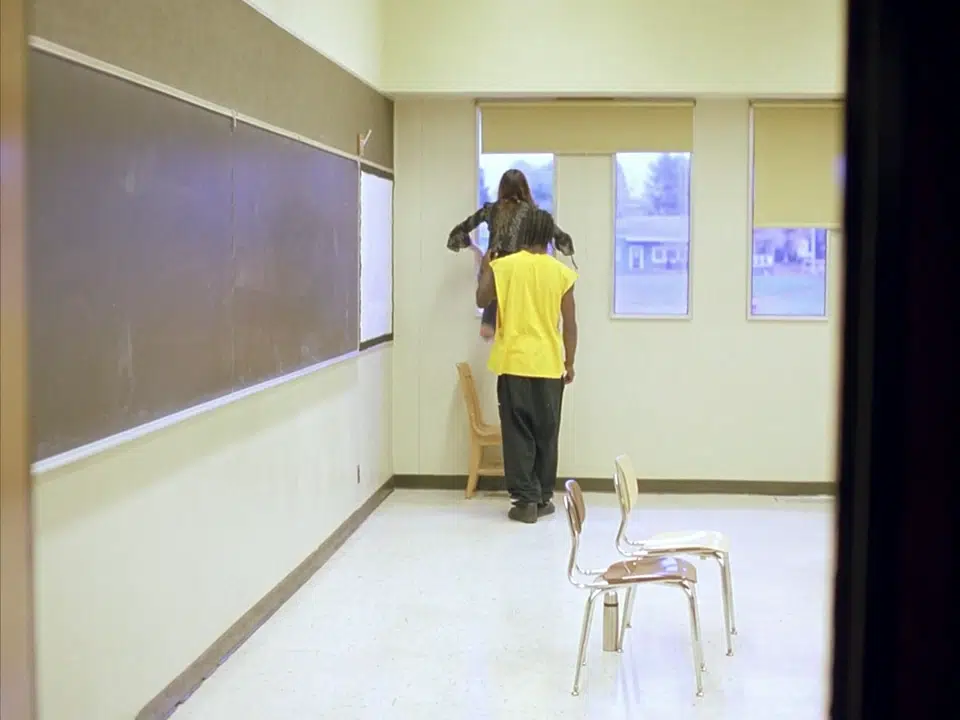
Benny helping Acadia — frozen in shock, GSA pin still on her chest — out the window like he might actually save somebody.
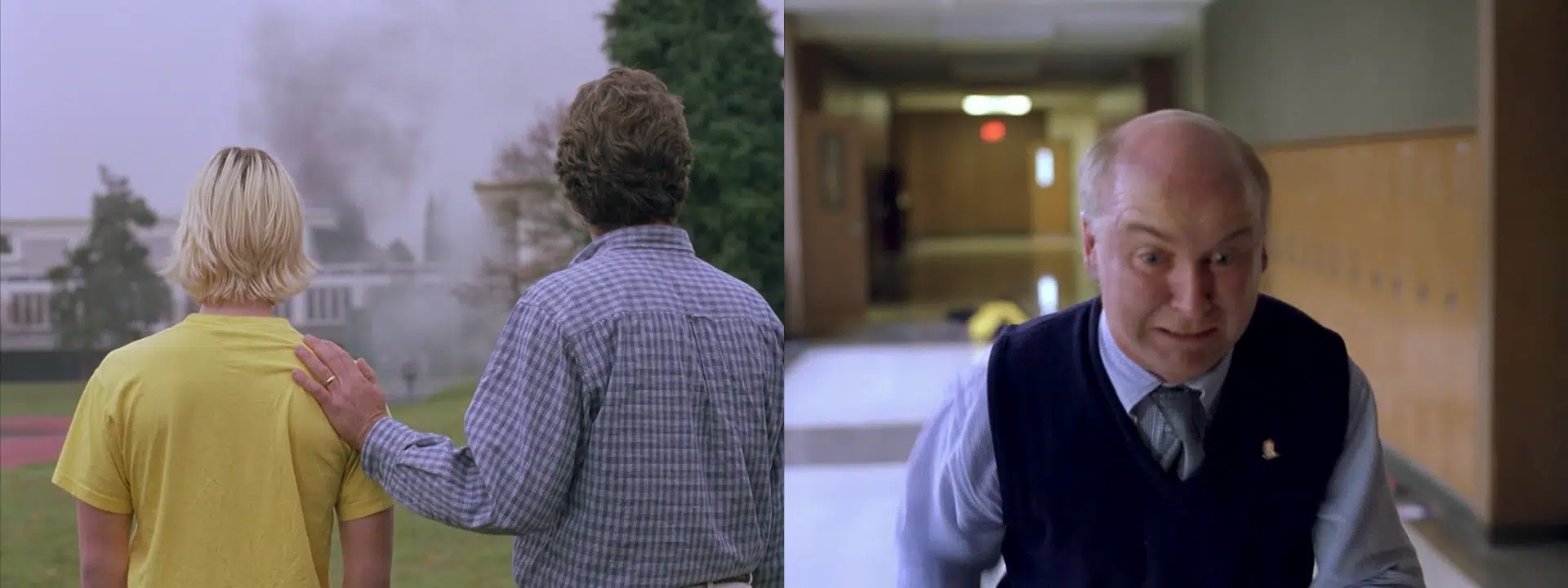
Even the adults get dragged in: John’s washed-up dad, the principal who tries to play authority until authority means nothing.
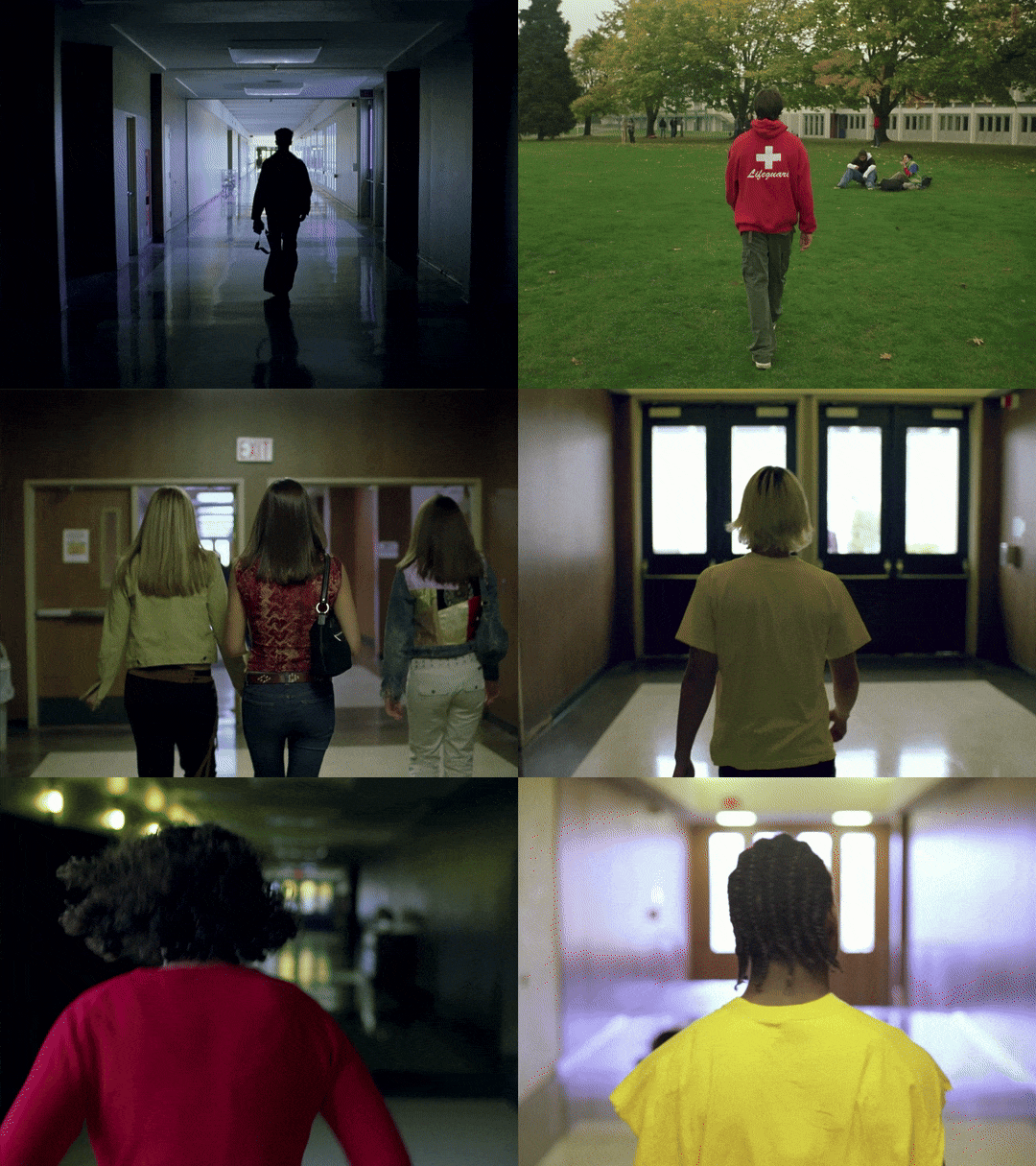
Instead of cutting from beat to beat, many scenes hold no narrative significance whatsoever. A quarter of the runtime is just walking. Entire interactions can be one character moving from one place to another — passing each other in the hallway.
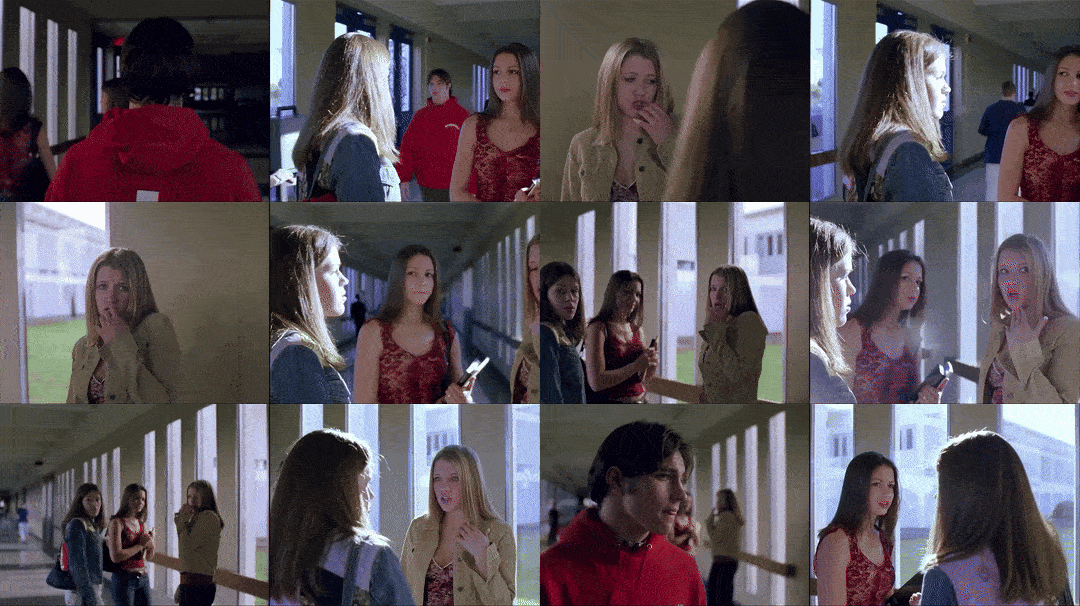
Long Steadicam shots drift across fields and down corridors, trailing these kids like we’re in some fucked-up third-person video game but without the agency.
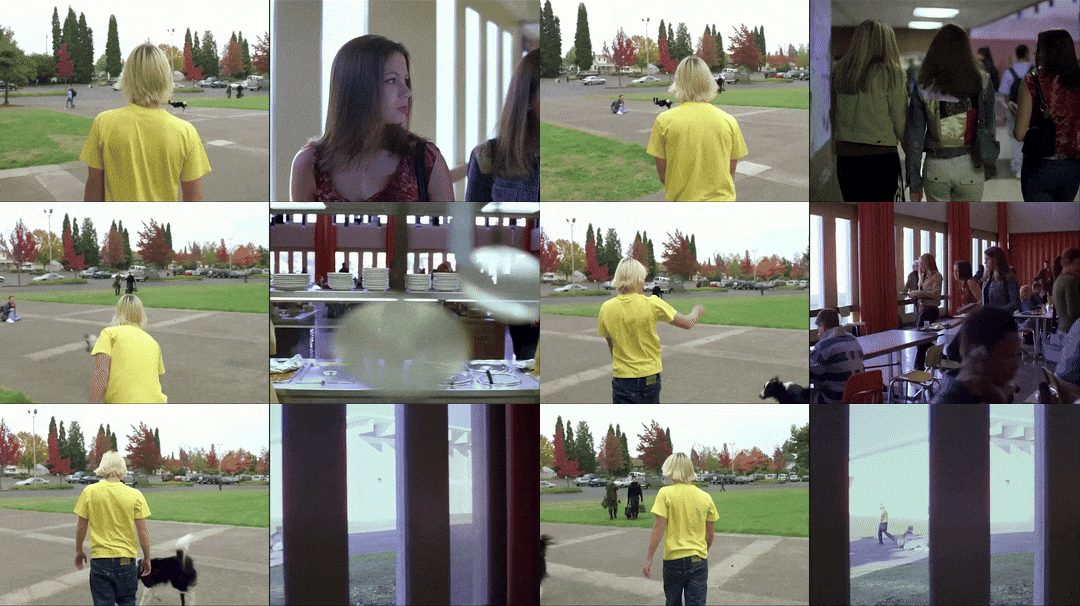
Some people call it boring. It’s not. It’s the school becoming a map in your head — its corridors burned into memory until it feels like your campus too. Every doorway is familiar, every corner ominous. It's a living, breathing ecosystem, and when the guns arrive, it’s not a twist — it’s desecration.
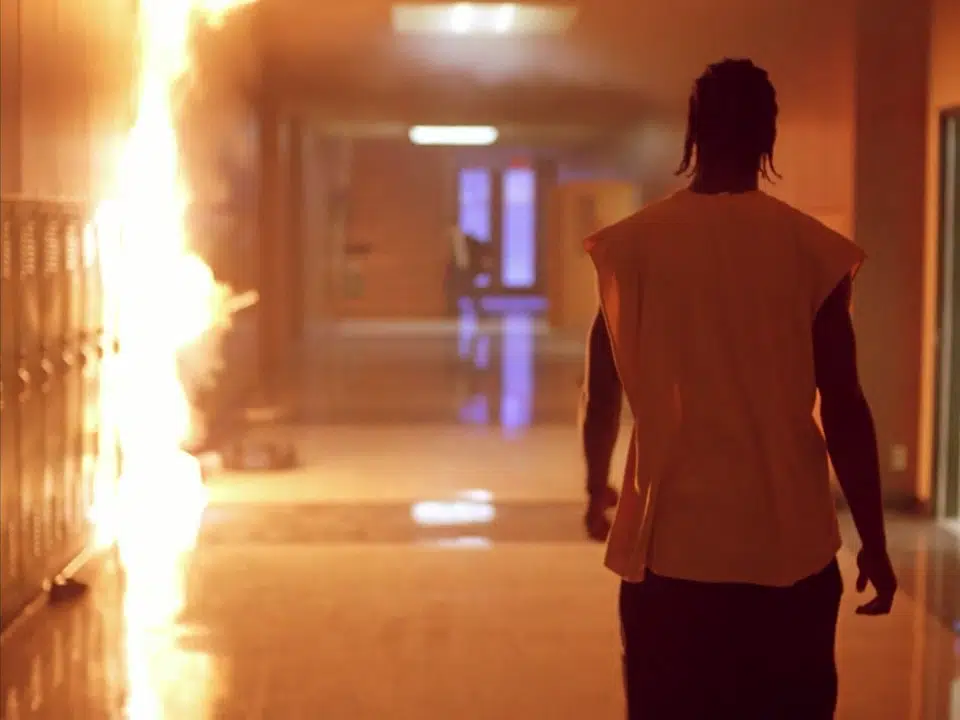
We try to explain away these events. We yearn for conclusions, and we often come to them too quickly — be it violent media, parental neglect, revenge, social isolation, or any other frequently cited causes. The truth is, we don’t really know. There is no one cause. There is no quick solution. There is no societal scapegoat.
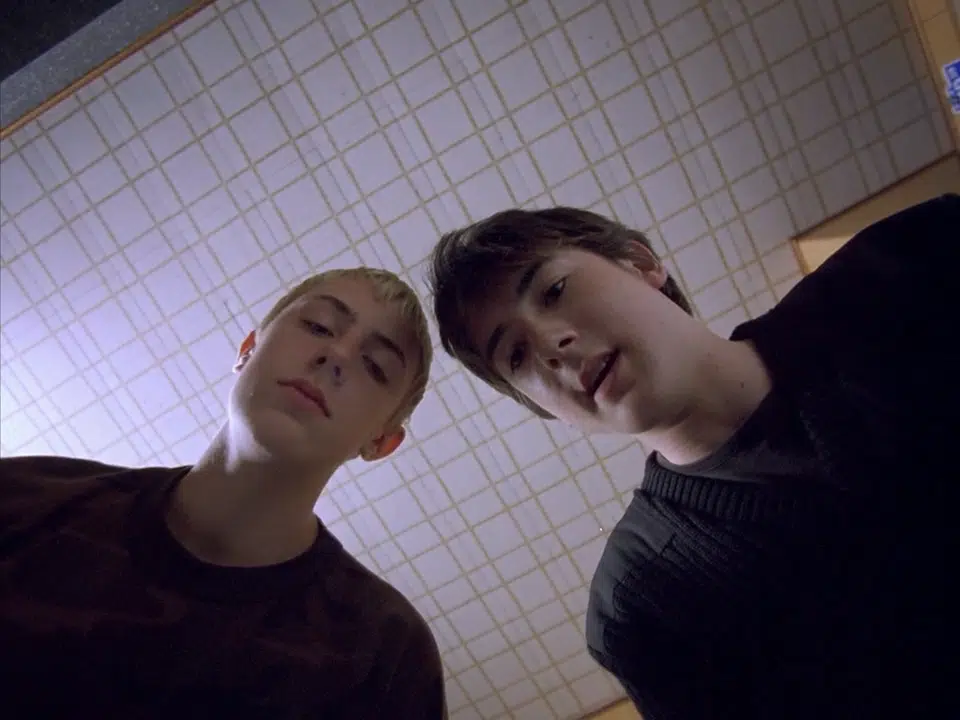
There's only two kids — Alex, frustrated pianist, sketching Hitler, maybe in love with Eric, maybe just manipulating him — and Eric, slacker sidekick, out of his depth until he’s not. They share one awkward kiss in the shower, then march into hell. Their motives? Left hanging. Their sadism? Shown, but never sermonized.
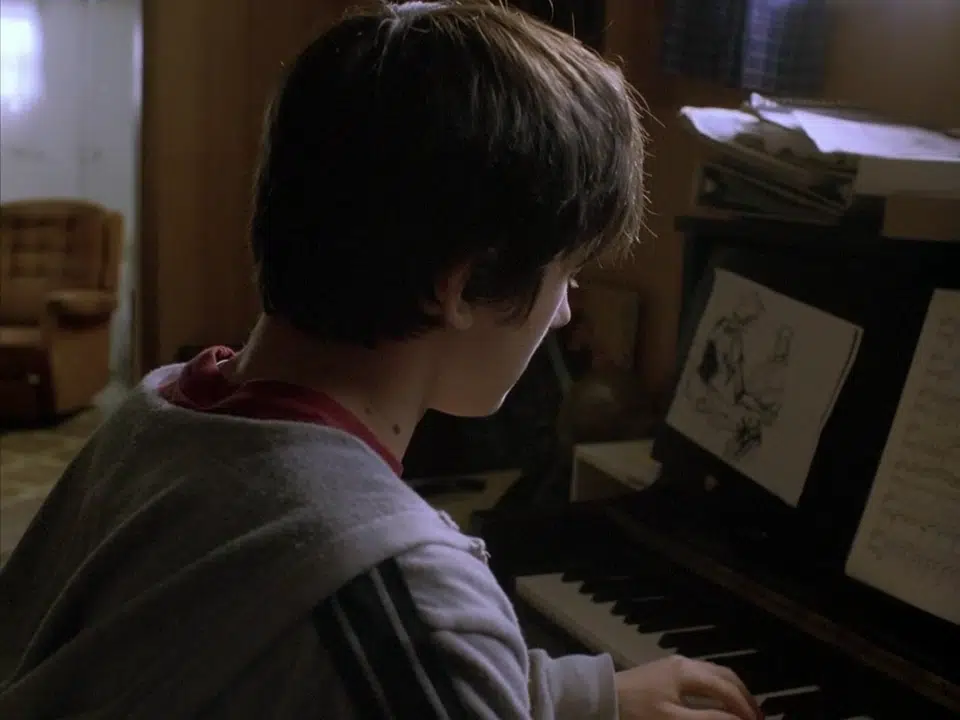
Van Sant doesn’t try to explain. He doesn’t try to rationalize. He merely depicts. He places us in this setting and forces us to experience the tragedy from all sides. Because maybe that’s what we need. It’s easy to look at the issue from afar and call out solutions. "I would do this. They should’ve done this. They shouldn’t have done that." But there's no knowing how anyone would truly react until placed in this situation. There is no knowing what this situation would be like unless you experienced it yourself.
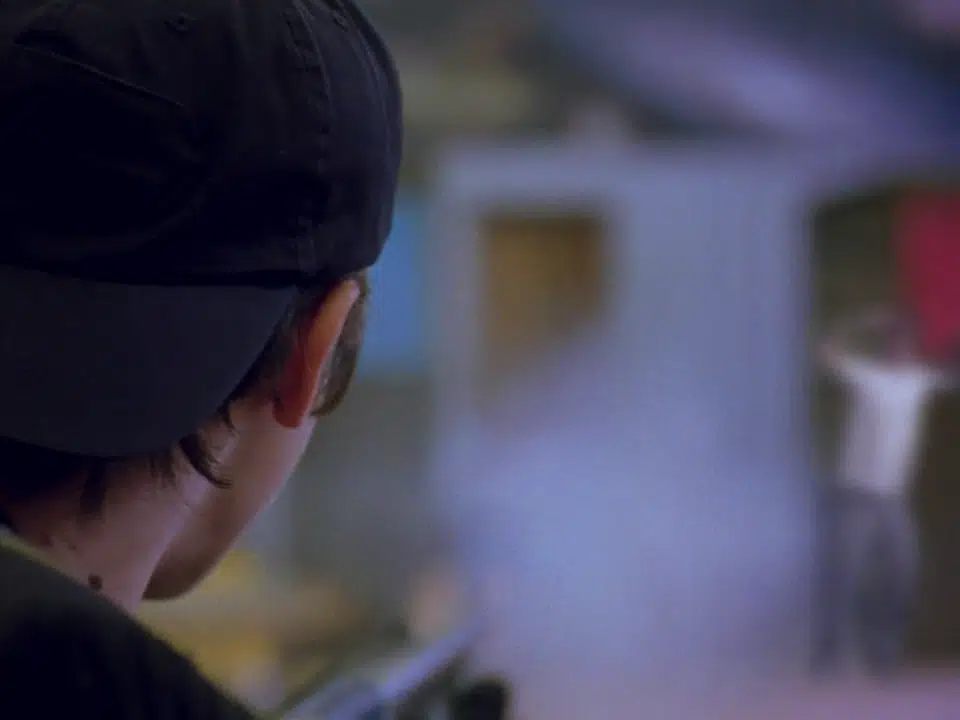
Unlike journalism, documentaries, studies, statistics, or policies — this film is subjective, not objective. It’s less factual, and more immersive. There’s no excitement. There’s no catharsis. No climax. It lingers in dread and mundanity until it ends in what Roger Ebert described as “Just implacable, poker-faced, flat, uninflected death.”
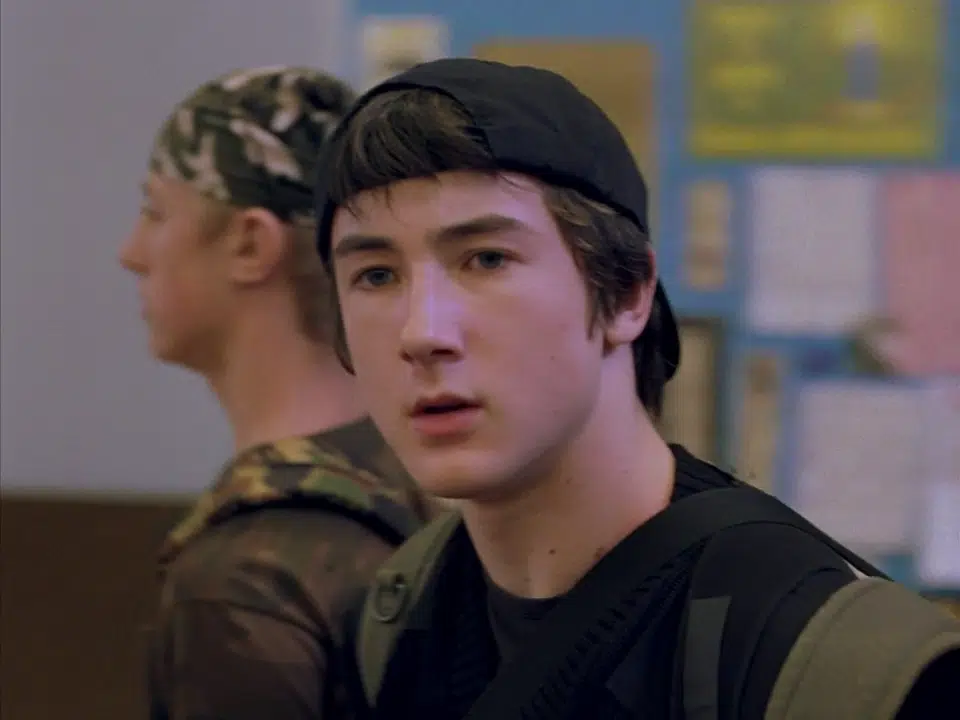
I don’t know how many more ways we can spin this carousel. More guns. Fewer guns. Metal detectors, lockdown drills, “thoughts and prayers” memes repackaged every other week. We’ve made a whole cottage industry out of pretending the problem is something abstract, something solvable with another bill, another scapegoat, or another armed security guard. Meanwhile, kids are still bleeding out on linoleum floors every single week.
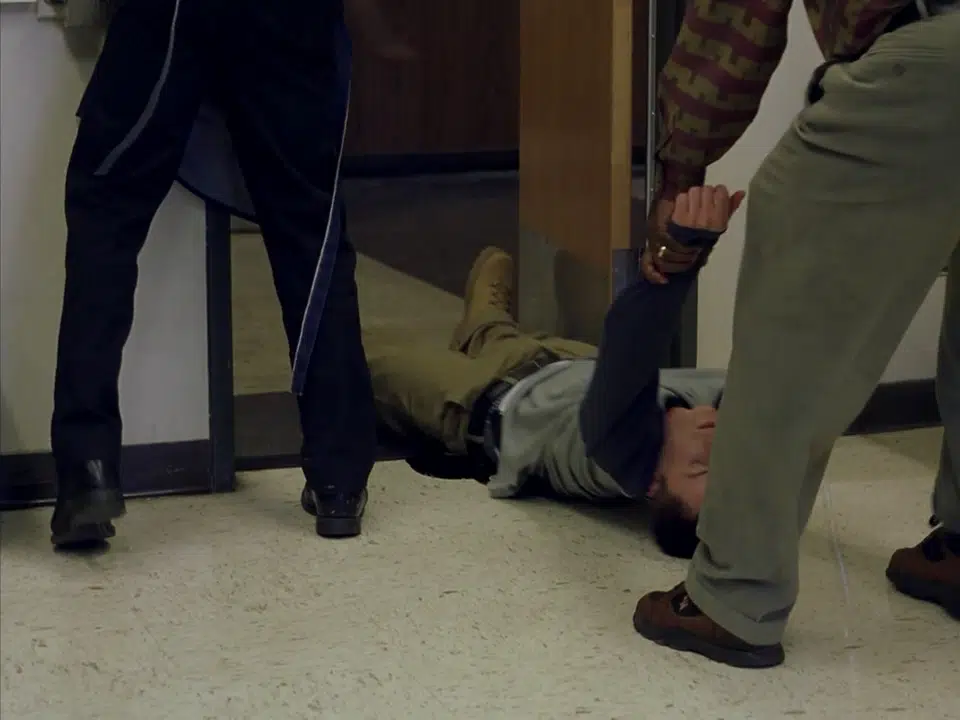
That’s why this film haunts me — why I had to run to my bedroom to grab my stuffed rabbit halfway through, so I had something to clutch between my trembling arms. It doesn’t give you the catharsis, it doesn’t hand you a manifesto. It just forces you to sit there, trailing behind these kids as they wander halls that feel so crushingly normal until they don’t. Van Sant refuses to play the pundit. He listens. And in that silence, you hear it all: the awkward laughs, the cafeteria gossip, the muffled gunshots.
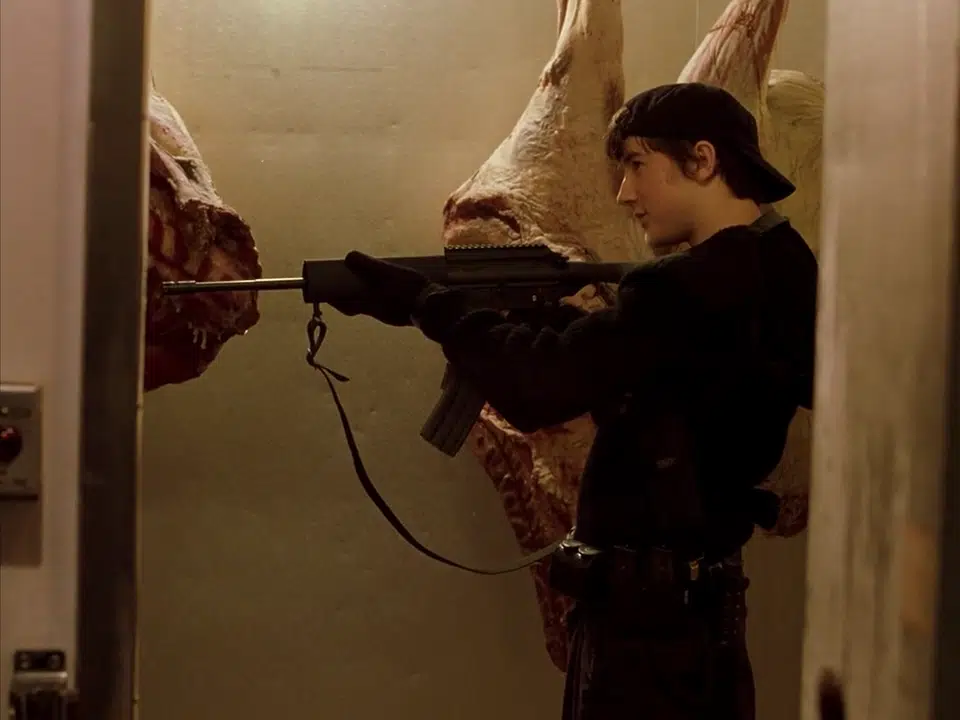
Maybe that’s the most radical thing a film like this can do in 2025 — not to sensationalize, not to offer a cure-all, but to hold us hostage in that unbearable ordinariness until we admit this is the world we've built. Until we admit we’re complicit in the forgetting. The fatigue. The futility.
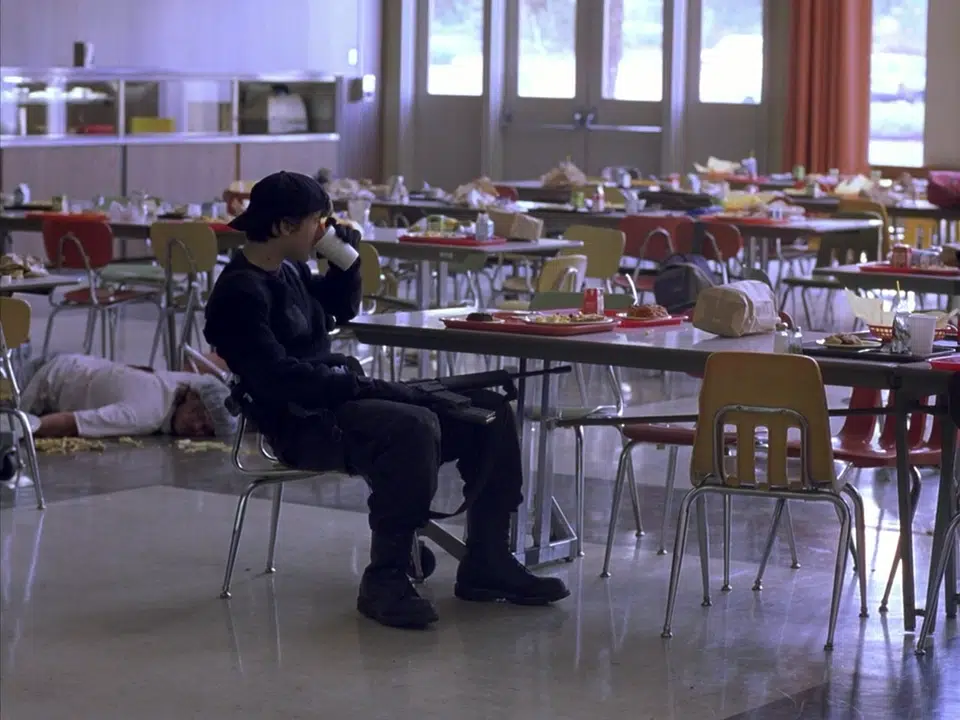
So yeah. “Back to school” season. Clear backpacks. Kevlar binders. Fresh pencils. Another obituary. Roll credits. Summer break. Then it all starts over again.






Share your thoughts!
Be the first to start the conversation.