
What I love most about horror is that it is the only genre bold enough to tackle socio-political issues through unconventional allegories, metaphors and subversive storytelling. On the other hand, horror is also known to have historically excluded the representation of Black and Indigenous narratives. But thankfully in the last decade, this exclusionary trajectory began to evolve and include more diverse voices. As racialized creatives, we need more platforms to share our stories from our own perspectives. We need stories that don’t focus on our suffering, but to instead subvert our stereotypical portrayal as we confront our own fears in ways we might not have the courage to do in real life. Representation matters, and this is exactly what is happening with the noticeable rise of diverse points of view.
I've been a horror fan since I was five,and I always related more to the aliens in sci-fi than the humans. As a Black woman, the feeling of otherness is deeply relatable, and horror offered me a space to explore that. This genre is a cathartic experience for a lot of BIPOC because it allows us to confront our fears and the systemic injustics, paving the way for collective healing.
I only discovered Indigenous horror in 2022 when I was doing my second Master's degree. I was shocked to learn that were so many incredible independent movies that have been overlooked in Canadian cinema.I argue that no one knows horror better than Indigenous and Black storytellers because our life is a horror movie, but we have proven for centuries that we can turn our pain into impactful art that inspires social change.
I will highlight Indigenous Futurism in a few Indigenous horror films that you should totally add to your watchlist. Indigenous futurism is the re-imagining of Indigenous peoples in sci-fi, speculative fiction and other genres where they were excluded. This term was coined by Grace Dillon in her book Walking the Clouds, which I highly recommend. All the films listed are a living proof that horror was, is, and will always be political.They all push boundraies by transforming the societal anxieites and fears into a space of empowerment and re-creating a future that generations have dreamt of.
Indigenous horror invites audiences to learn about history while witnessing Indigenous characters reclaim their sovereignty and space in the genre, demonstrating a unique vision that has long been overlooked in mainstream cinema.
I am writing this as a celebration of Indigenous voices as we approach National Day for Truth and Reconciliation because there is no future without Indigenous presence.
Here are a few examples that will change your perspective on what horror can be:
Blood Quantum- directed by Jeff Barnaby
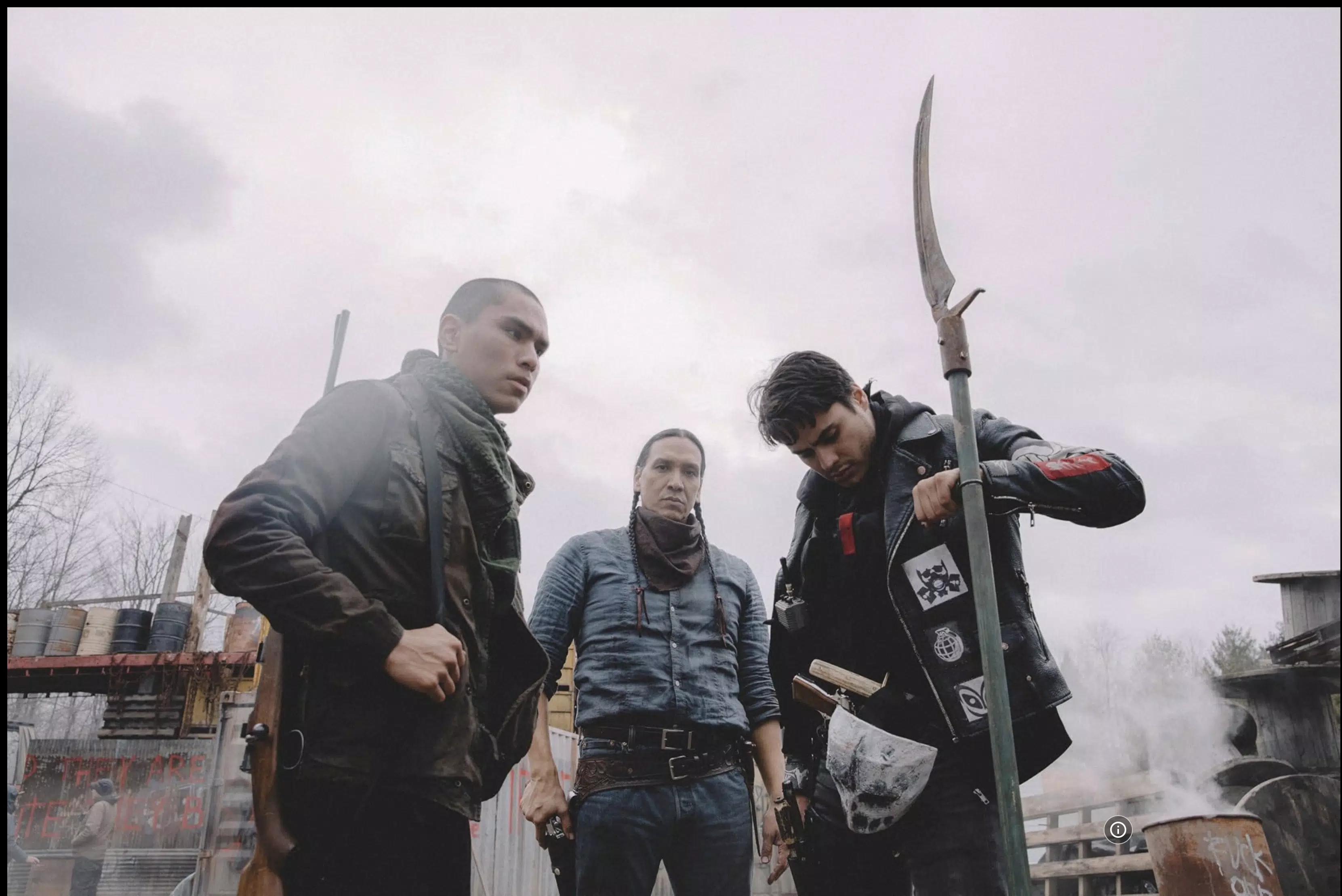
Blood Quantum is about the destruction of humanity by a zombie virus, where the only survivors are the Mi’kmaq community of the Red Crow reserve in Quebec. Their immunity to the virus is a decolonizing tool against imperialism. This is an incredible zombie movie that encapsulates the horrors of colonialism within a fictional context, creating an alternative narrative where the Indigenous characters reclaim sovereignty over their lands in the face of the 1981 QPP raid.
Jeff Barnaby brilliantly combined documentary and horror aesthetics to tell a story about the horrifying colonial history of Canada in such a powerful way. To be able to decode this movie, I recommend researching the QPP raid, the blood quantum system in Canada and the US, and the history of Mi’kmaq people fishing rights.
Fun fact: Barnaby filmed Blood Quantum in his home reserve in Listuguj, giving the audience a glimpse into the disparities in living conditions experienced by a lot of Indigneous communities.
Don't Say Its Name- directed by Rueben Martell:
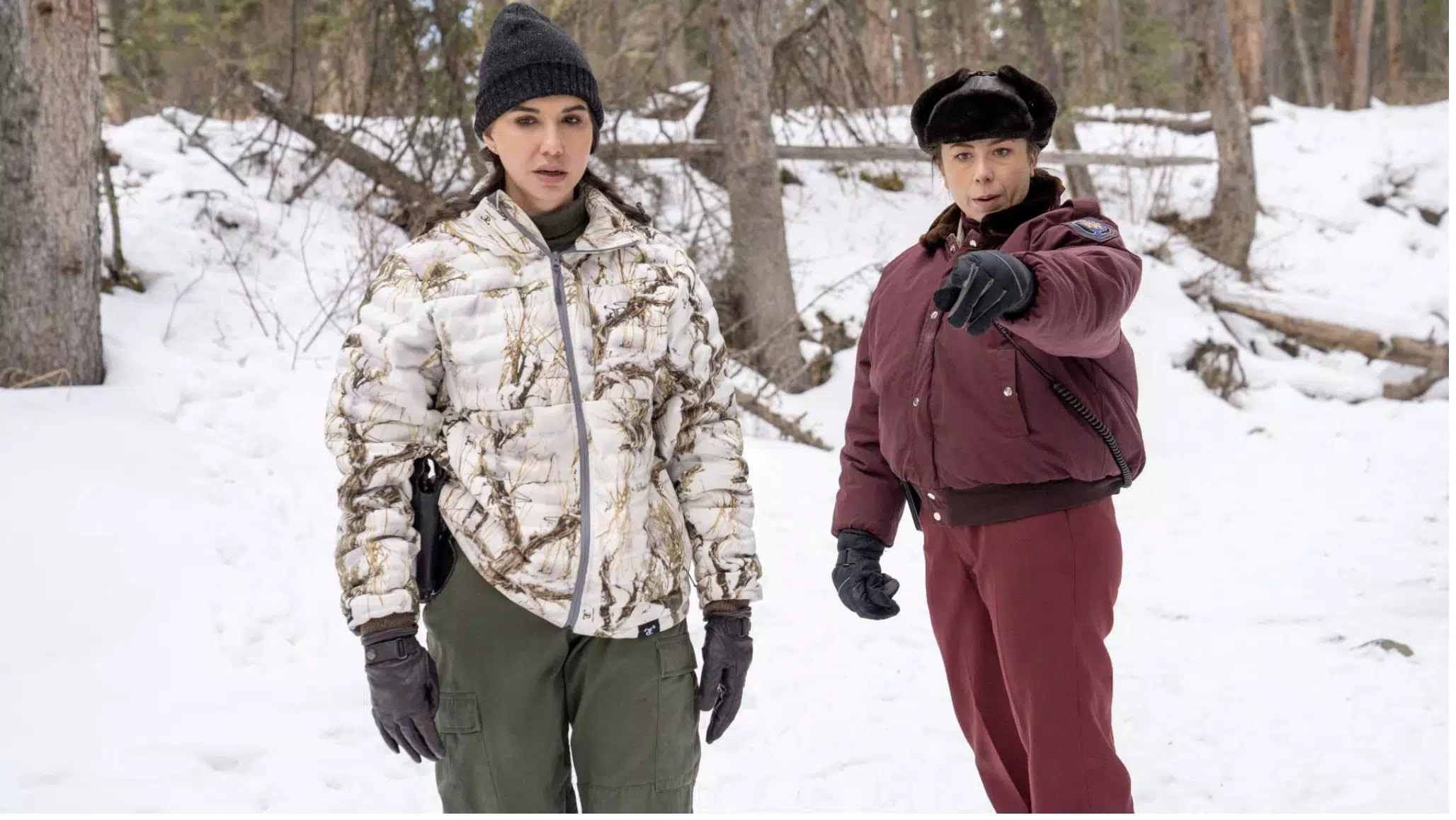
What happens when mining companies exploit and drill on Indigenous lands? You must watch to find out. This supernatural eco-horror film starts by the mysterious death of an Indigenous environmental activist, followed by an investigation of a series of deaths that happen on the land.
With powerful Indigenous women as the centre of the narrative, the film utilizes ancestral knowledges and the connection to Mother Nature as a method to depict the devastating impacts of pipelines on these sacred ancestral lands.
Don’t Say Its Name sheds light on the intersectionality between colonialism, capitalism and the current anthropocenic catastrophe.
It was so refreshing to see a subversive portrayal of Indigenous women in a genre that has excluded them for a very long time.
Fun fact: Martell decided to make a female-led horror movie because he didn’t see Indigenous women in these roles before.
Slash/Back- directed by Nyla Innuksuk
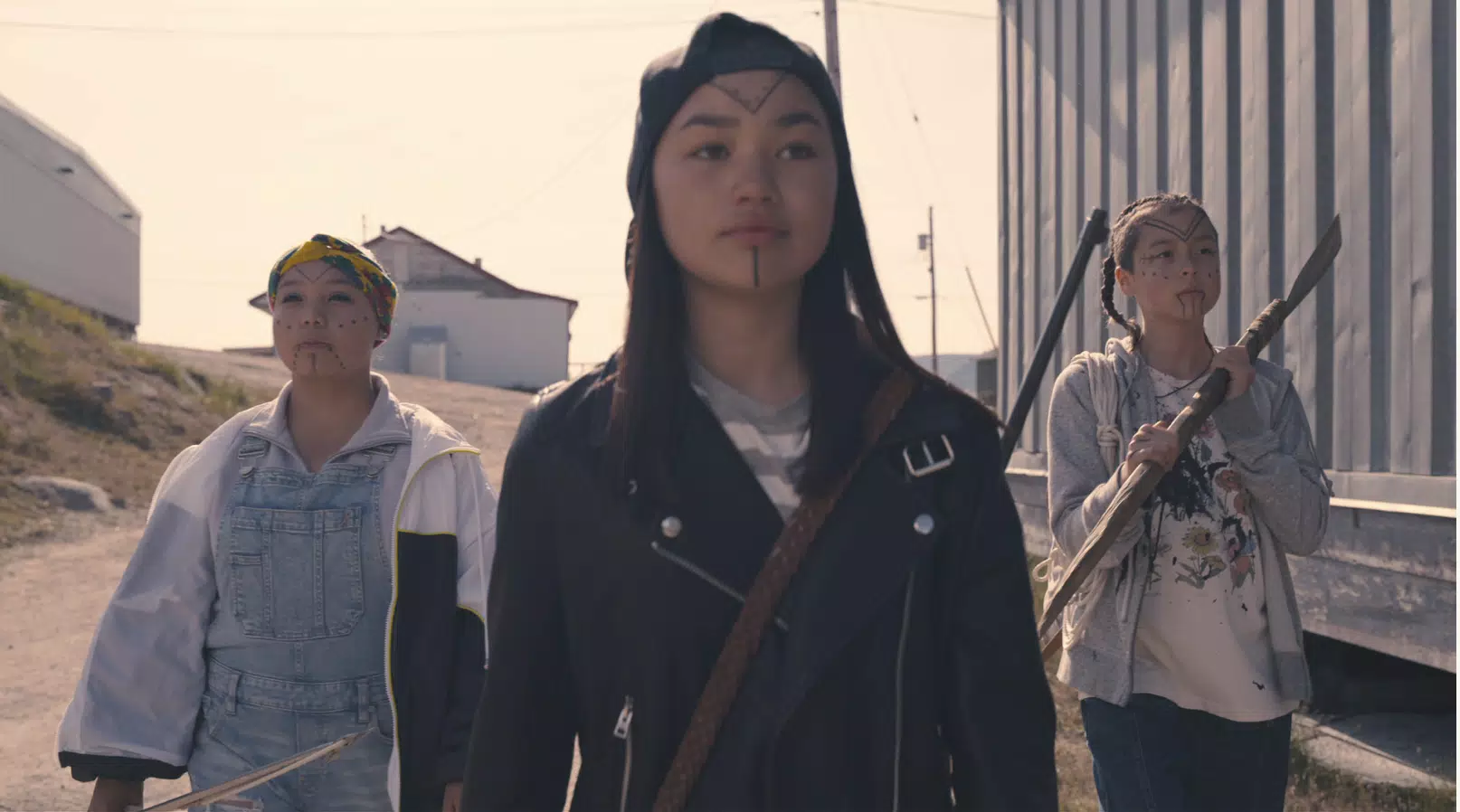
This horror sci-fi is a unique take on coming of age stories. It follows a group of inuit teenage girls fighting aliens in their remote Arctic community. They use traditional Inuit weapons.
It is also a story of community, friendship and re-connecting with one’s cultural identity.
Fun fact: Slash/Back is the first feature to be filmed in Pangnirtung. Due to the housing crisis in the area, the cast lived in a high school for two months while shooting.
40 Acres- directed by R.T. Thorne:
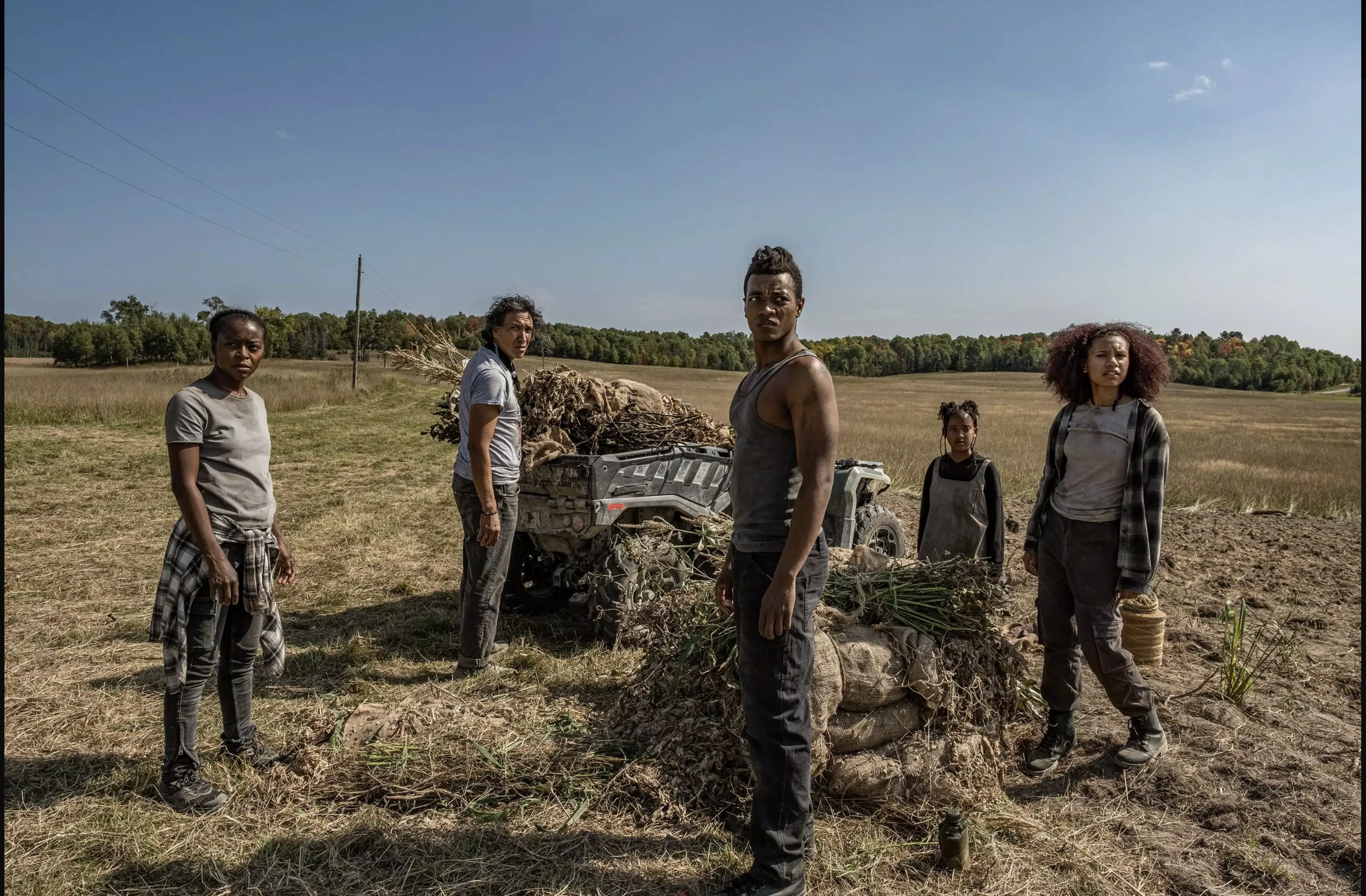
Even though this one is not directed by an Indigenous filmmaker, I added it to the list because it is a remarkable work in contemporary Canadian cinema.
This post-apocalyptic thriller explores the themes of land sovereignty, intergenerational healing through preservation of language and culture, narrated through the Black and Indigenous lens.
With its exceptional cinematograhy, script and outstanding performances, it was a heartwarming experience to witness Black and Indigenous excellence on the big screen.
No one can tell apocalyptic stories better than Black and Indigenous creators because we are post-apocalyptic beings. The apocalypse already happened to us, and now is the time to share our perspectives with the world.
Fun fact: R.T. previously directed music videos for Snoop Dogg and Sean Paul. 40 Acres is his feature debut.
Horror is an expansive genre that uses subversive elements for its storytelling. It's not just about gore, but about the messages hidden behind the lines. It gives filmmakers full reign over unleashing their creativity in whatever way they desire, exploring various themes and challenging societal norms. These films amplify diverse representaiton both behind and in front of the camera, proving that we can make compelling stories in a white-dominated genre.
It is important to recognize the disparities Indigenous filmmakers face when receiving funding for their works. But these examples prove that low budget doesn't mean low quality. Special effects look cool, but in reality the storytelling is what leaves an impact on the audience for years and years.
Even though most of the films listed are directed by men, they put Indigenous women at the centre of the narrative, giving them agency which is not common in horror.
This Halloween season you have the opportunity to diversify your horror library by adding these movies to your watchlist. By supporting diverse horror films, we create a future where more voices and more perspectives shape the genre for generations to come.The horror audience needs more diverse stories. To be able to co-exist in this world we need to learn more about each other and cinema is a great way to do that.
As guests on these lands, it is our responsiblity to uplift Indigenous filmmakers who face significant barries and disparities in the film industry.





Share your thoughts!
Be the first to start the conversation.