
I’ve gone to very few film festivals, but one 2023 VIFF screening of Tótem was the first in a while where I felt like my curiosity was rewarded. The kind of film that creeps under your skin, even though on its surface, not much seems to happen. It's a quiet (sometimes hilarious) and slow-burning movie, but it carries a lot of weight if you give it the time.
Directed by Lila Avilés, it takes place over one day in one house, with seven-year-old Sol at its emotional center. Her father, Tona, is dying from cancer, perhaps past hope, and the family is feverishly preparing a birthday party that quietly feels like it might be his last. Nobody says that aloud, but Sol senses the day is different. She wanders, watches, and is sometimes ignored. The emotional burden, strange and heavy, rests on unspoken things: gestures, glances, rituals.
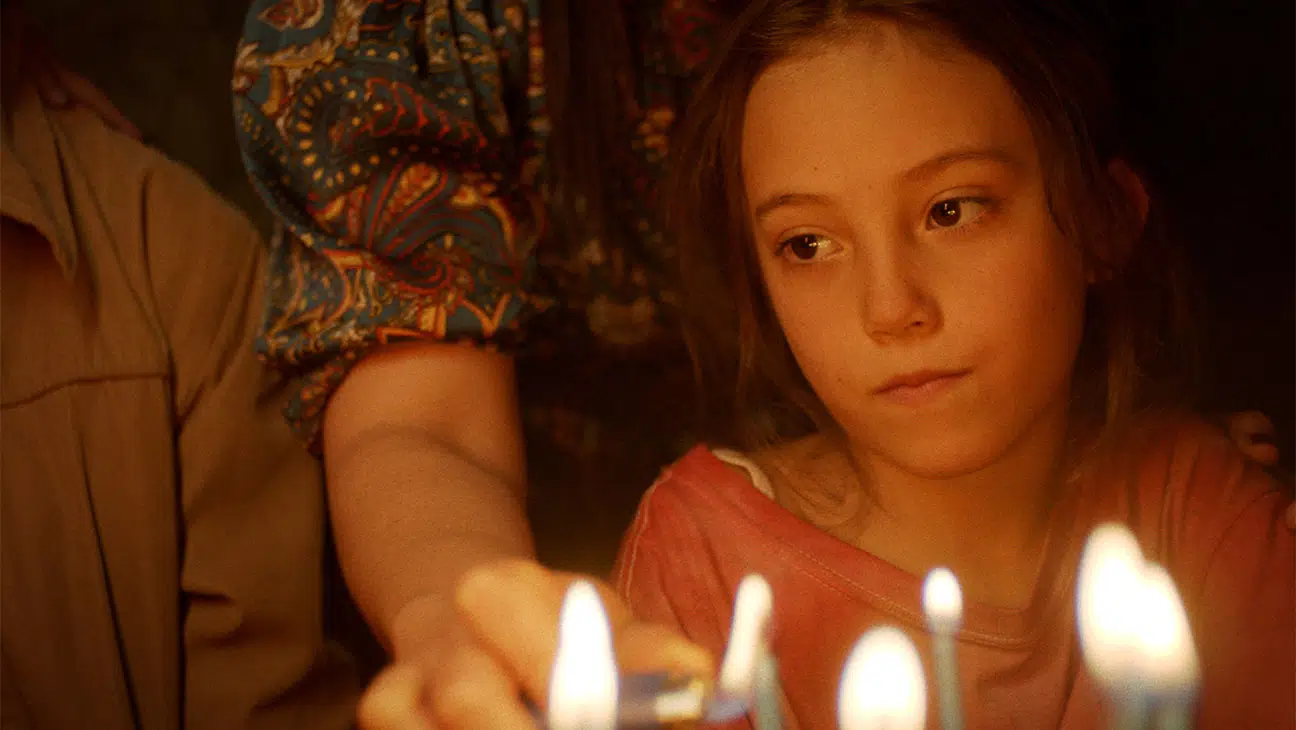
The family dynamics are what make Tótem pulse. You see aunts scrambling to bake cakes, arguing over the clown wig Sol is supposed to wear; one sister, Nuria, shaving her head in solidarity, drinking wine; the other, Alejandra, hiring a spiritual healer to burn smoke and clear bad energy. The grandfather, Roberto, who once survived throat cancer and now speaks via an electrolarynx, is trying to be both anchor and spectator.
Lucía, Sol’s mom, wrestles with what Sol knows and what she doesn’t yet, balancing kindness and protection. And Sol herself is busy decoding adult behaviour: why people whisper, why they avoid his room, why there’s tension over morphine, money, appearances. The chaos of the house becomes a stage for grief, but also for love: small acts of care, inevitability, family rituals that both soothe and wound. Everything is layered: Peeing in front of your daughter, bleaching your hair in the sink, cleansing your house of bad joo joo.

What Tótem tries to say is subtle but powerful. It wants to explore what grieving feels like before you even know what grief is: that stage where everyone is on edge, knowing but not admitting. Sol represents that border between ignorance and understanding. The spiritist cleanses the air, the aunt yells, the family distracts itself with busywork and small absurdities.
Avilés seems to argue that grief isn’t one feeling, it’s many: awkward, strange, kind, guilty, avoidant, desperate, and hopeful. And life’s small beauties are still there: a field of scorpions, snail shells, a garden, shadows, oil paintings, childhood moments that don’t stop just because suffering is happening. The film suggests you can’t separate life from death, that the two exist in the same space, through the same house, the same air. You can choose to hide or to distract yourself, but eventually even distractions, like the clown wig or the cake, carry meaning.

Tótem has become a festival darling for good reasons. It premiered at Berlin and represented Mexico for Best International Film at the 2024 Oscars, even though it didn’t make the final shortlist. It swept the Mexican Ariel Awards, winning Best Picture, Best Director, and Best Screenplay, among others.
It won Best Screenplay, Best Fiction Feature, and Best Artistic Direction in Havana. At the Durban film festival, Avilés was awarded Best Director. It’s the kind of film critics love: quiet but emotionally rich, observational while weaving in symbolic detail, intimate while still presenting the family as a whole ecosystem. And I think people gravitate toward that: when a film trusts its audience to feel rather than explain everything. But it unfortunately got pretty overlooked in mainstream media for the most part.
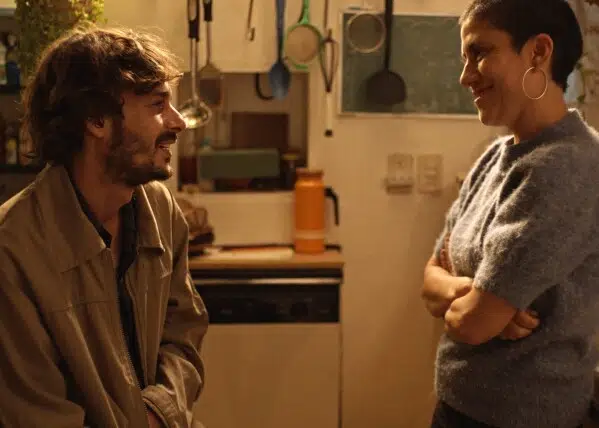
That said, Tótem can feel slow. Very slow in parts. Sometimes the pacing is almost meditative. The cinematography favours long, lingering shots, often from Sol’s height, partly low angles, moving between legs of furniture and shadows. The camera gives you lots of close-ups, not just of faces but of hands, insects, walls, and light coming through window panes. All these visual choices build intimacy, but there’s also a trade-off: we don’t always know who everyone is beyond their role in the household.
The aunts, the cousins, the grandfather, the spiritual healer— they’re sketched with enough detail to feel real, but you might not feel like you know them deeply. The emotional knot is built more from what’s left unsaid than from exposition. Some viewers might want more context or more backstory, but Avilés resists that. It means parts drag, especially in the first half, as we wait for Tona to show up or for the party to begin. But I think that’s intentional. Waiting becomes part of the story.

As soon as I was getting invested in the story, I felt a lump in my throat. Watching Sol ask Siri, “How will the world end?” and telling her nanny she’s fine over and over made me choke up, not because of cosmic horror or some unknown detail, but because of how vulnerable she is. Wanting answers to your questions that surpass the scope of human knowledge, or her family trying to hide things from her, reminded me of my own family’s half-truths, the things I sensed before I fully understood.
The garden scenes with ants, snails, and animals made me feel both comforted and uneasy: life continues, even when it's fragile. There were moments I gagged at the absurdity of the spiritualist, moments I squirmed when someone avoided saying a name or avoiding visiting a room, moments I wanted to reach through the screen and tell Sol it’s okay to cry. And by the end, when Tona finally enters, exhausted, when the party happens and the room feels as full of loss as it is of love, I felt both the ache of what’s being lost and the strange beauty of that last full day together.

Tótem isn’t perfect, and it won’t be for everyone. But for me, it’s the kind of film that lingers. Even days later, I’m still thinking about snails on walls, a bonsai gift, a clown wig—and wondering how much truth we carry without words. On a less pretentious note, it also inspired me to structure my own film over the course of a single day; I hadn’t realized the power of timely, contained storytelling until Tótem.
It all came together in the scene before the big party when Sol is finally allowed to see her father after being told no so many times. She gleefully tells him about the bugs she observed and how they’re born, live, and eventually die in the ground. Tona listens attentively in his debilitated state and asks her questions. It’s the attention she was patiently waiting for throughout the whole movie, and knowing this may be her last conversation with him is painfully bittersweet.

A totem is usually described as an artifact someone keeps that holds deep meaning. The meaning only matters to the owner. Interpreting Tótem, the film works the same way. What might seem like an unassuming and overlooked little movie to one person has become a treasure to me.





Share your thoughts!
Be the first to start the conversation.