
But the movie is absolute trash.
Let me be clear once and for all about this: I love the Tron franchise. Although of that, I can't do nothing but admit that the latest entrance on the universe, Tron: Ares, is disappointing and maybe it'll be the final nail in the coffin for a franchise that hardly could breathe for over fifty years.
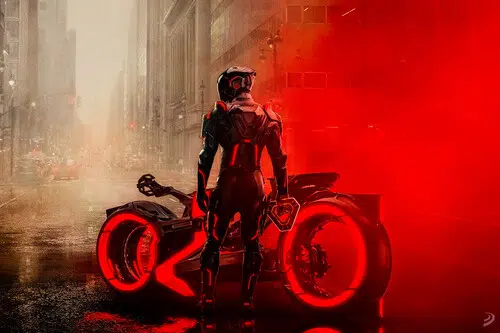
And it pains me in a way few things do to watch this franchise waste every opportunity it’s ever had to build a genuinely good film, only to deliver works that cater to an absurdly specific niche.
Still, there’s a strange mark of quality that has endured through the years: no matter how subjectively bad any given movie might be, the soundtrack has never disappointed, and has consistently stood out as a watershed moment. It happened in 1982, it happened again in 2010, and the pattern held in 2025.
A journey to Tron’s musical origins
Few people know this, but the woman behind the musical foundations of Tron is a pioneer of electronic music—someone who helped define the sound of the 20th century and, with it, the musical landscape as we know it today.
Wendy Carlos is not only the mind behind the original Tron soundtrack, but also behind several of Stanley Kubrick’s films. Remember that orchestral-synthetic arrangement of “Ode to Joy” from A Clockwork Orange? It was Wendy Carlos who made it possible.
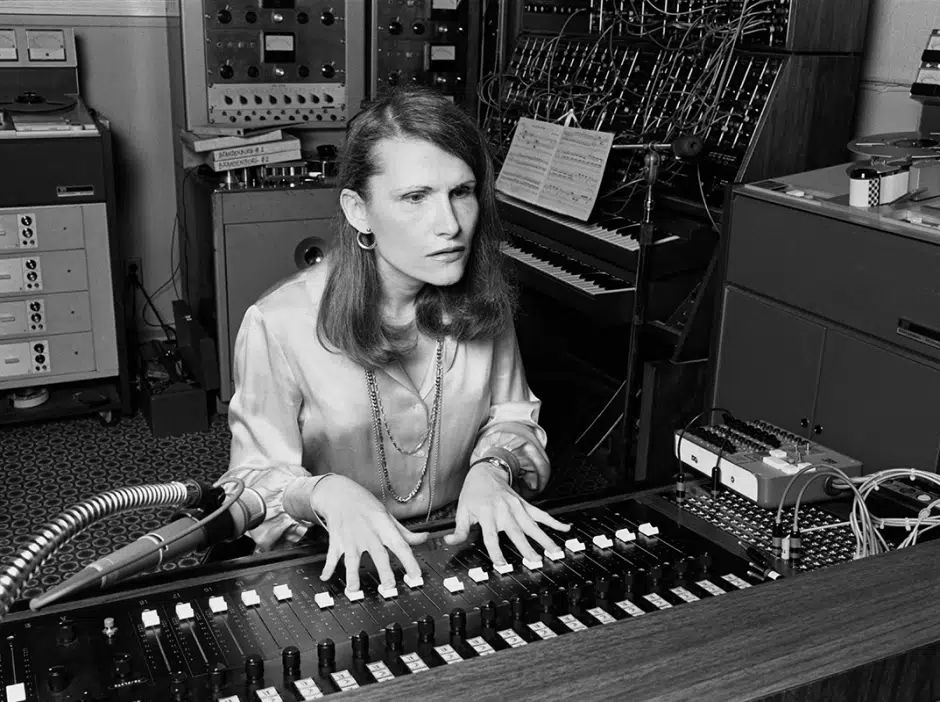
But her importance extends far beyond her work in film. She played a key role in the creation of the Moog synthesizer, which was fundamental to the development of electronic music from the 1970s onward.
And while she didn’t “invent” electronic music outright, it’s true that without her, it wouldn’t exist as we know it today: a diverse genre capable of fusing with countless others. Her work—often built from Baroque and classical arrangements reimagined as electronic compositions—inspired hundreds, if not thousands. This approach, highly uncommon at the time, is especially evident in the TRON (1982) soundtrack, with tracks like “The Light Sailer” or “Sea of Simulation.”
Her influence spread so far that the first DJs of modern electronic music have cited her as inspiration, and even major artists consider her their greatest influence. Among them, of course, is the French duo Daft Punk.
Now retired, Daft Punk became a turning point in electronic music, defining house in the ’90s and dance in the 2000s. Thanks to their eclectic and distinct sound, they were chosen to bring Tron: Legacy’s soundtrack to life in 2010.
Tracks like “Derezzed” make it obvious why they were picked—giving the film an almost indescribable aura aligned perfectly with Disney’s digital, futuristic aesthetic for the franchise. And their reprise of “Sea of Simulation” makes their source of inspiration unmistakably clear.
Great soundtracks for disastrous films
I love Tron as a franchise. But I can’t deny that its cinematic journey falters in countless ways.
The first film, despite engaging debates about the human-machine relationship—more relevant today than ever—is ultimately anecdotal, with little more than a sharply defined visual style that aged terribly. It’s baffling how its special effects turned out so poorly when A New Hope had already set the standard five years earlier.
And while Tron was indeed a pioneer in special effects, today it’s mostly remembered as an example of what not to do, thanks to how badly its cinematography has aged as a whole.
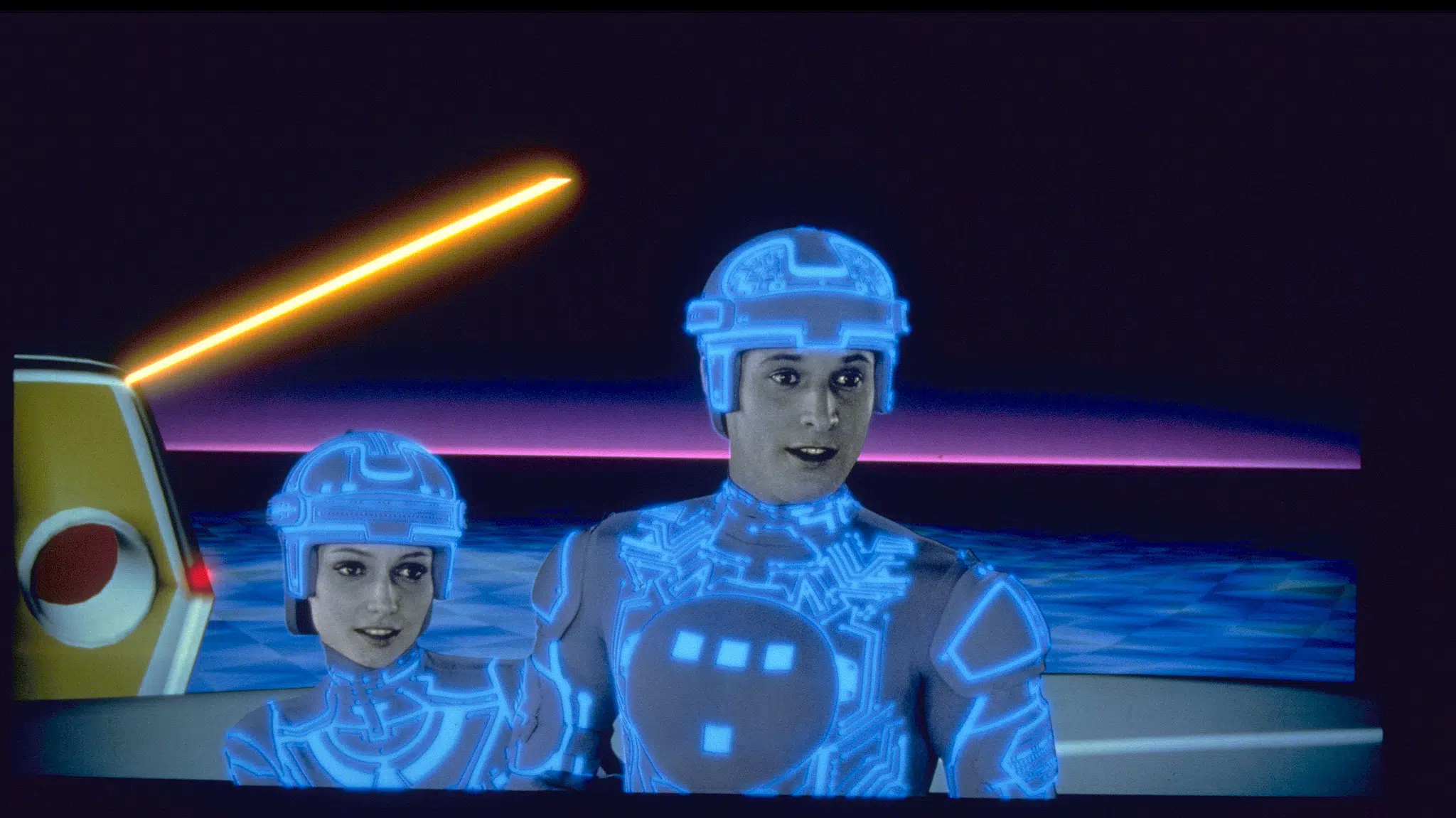
Still, it’s a fun watch—one that inevitably built a fanbase of people (myself included) fascinated by its world. But the franchise remained dormant for nearly three decades because of how specific its audience is, only to break the silence with an even emptier film, despite its impressive visual style.
Few movies achieve the visual design and aesthetic care that Tron: Legacy did. Likewise, few feel as hollow and misguided. All the thoughtful ideas the franchise once carried were muted in favor of a more Disney-friendly plot, reduced essentially to a son searching for his father in a digital world.
Yet its success was enough to draw in more people. Daft Punk’s soundtrack was praised, re-released multiple times with bonus tracks, and its visual style influenced much of how digital worlds were portrayed since the 2010s.
Still—not that many more people. Disney’s approach to Tron has always been cautious: a couple movies, a limited series, a few tie-ins like videogames, but never a full commitment. That’s why the announcement of a new Tron film—starring a major name like Jared Leto—caught the world off guard.
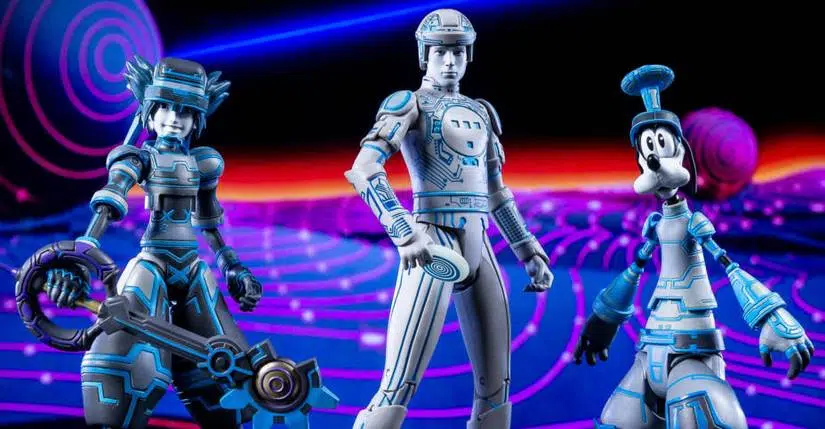
Having learned from its mistakes—or so we hoped—it seemed like the perfect moment to finally give the franchise the recognition it deserved, right?
A cinematic disaster…
Listing everything wrong with the film would take so long it’s not worth it. Simply put: it’s a very bad movie on nearly every front.
Disney struggles to learn from its past mistakes, and Tron is no exception. This time the franchise suffered from everything: a seemingly promising cast—with Jared Leto leading the charge alongside Evan Peters (X-Men, Dahmer) and Greta Lee (Past Lives)—but one that ultimately falls flat.
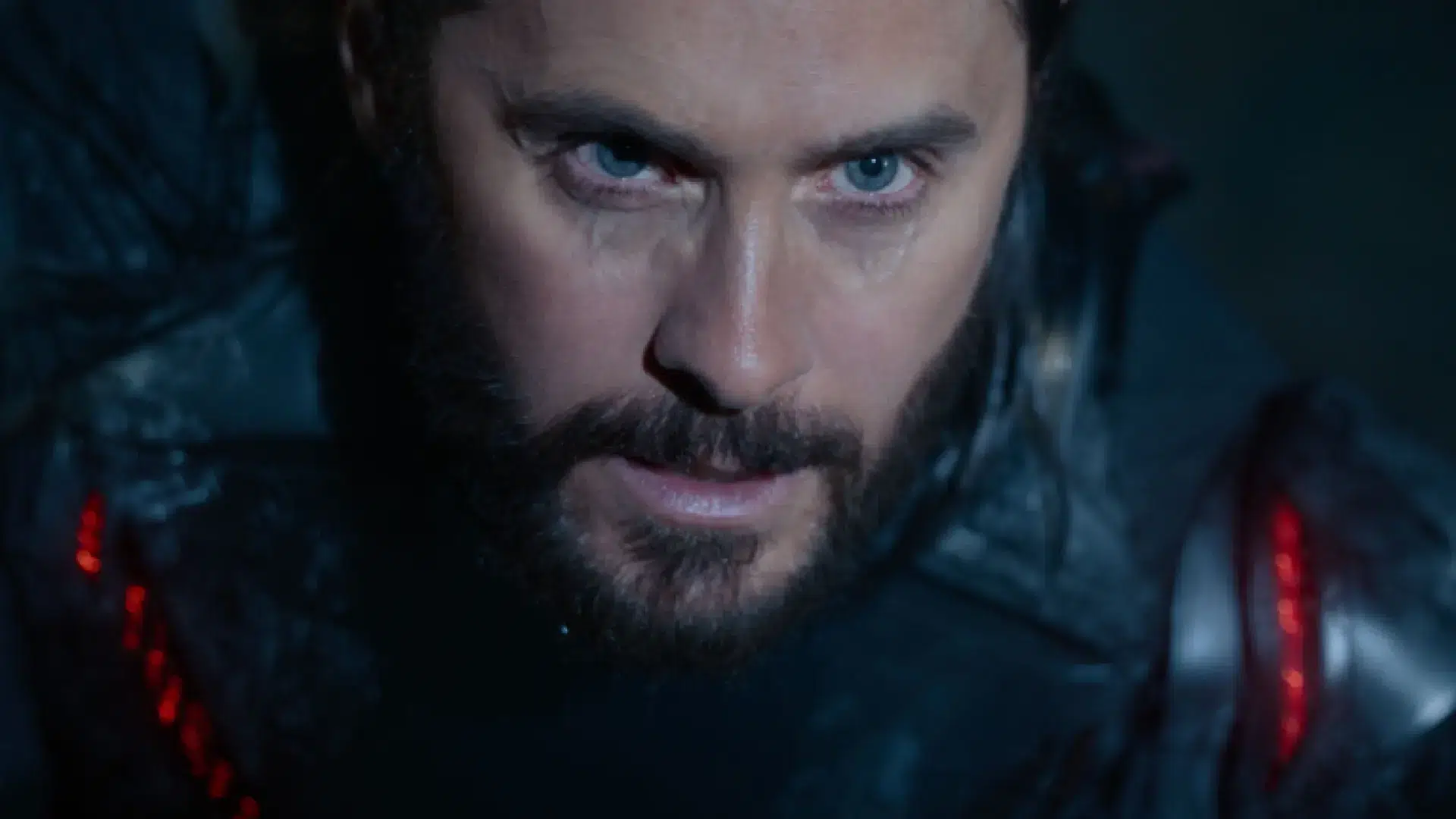
The performances are simply bad and uninspired. When I watched it in theaters, my brother and I even bet on how long it would take for Julian Dillinger’s (Peters) laughably unbelievable reaction to his mother’s death to become a meme. One month after release, I’ve already seen it shared by a couple X and Reddit users.
Jared Leto is Leto at his most Leto—an actor with far more attention than he deserves—and while Lee shined in Céline Song’s film, she disappoints here. Same happens with Peters, who shined on many cinematic and TV roles.
But part of the problem is that every character is unbelievably generic, dull, and predictable—just like the plot. There are practically no surprises, and the interesting ideas the film introduces, like the materialization of programs for military use to build a conversation, end up wasted.
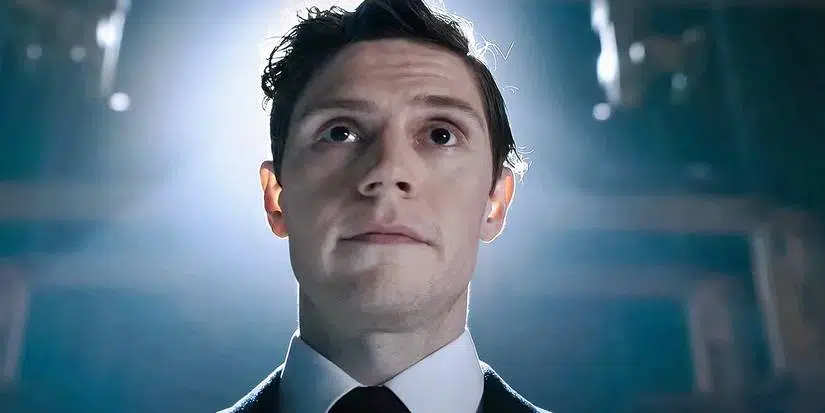
Everything seems driven by an omnipresent deus ex machina. Ares becomes self-aware just because; Eve discovers the materialization code just because; Dillinger becomes violently irrational without consequence…just because.
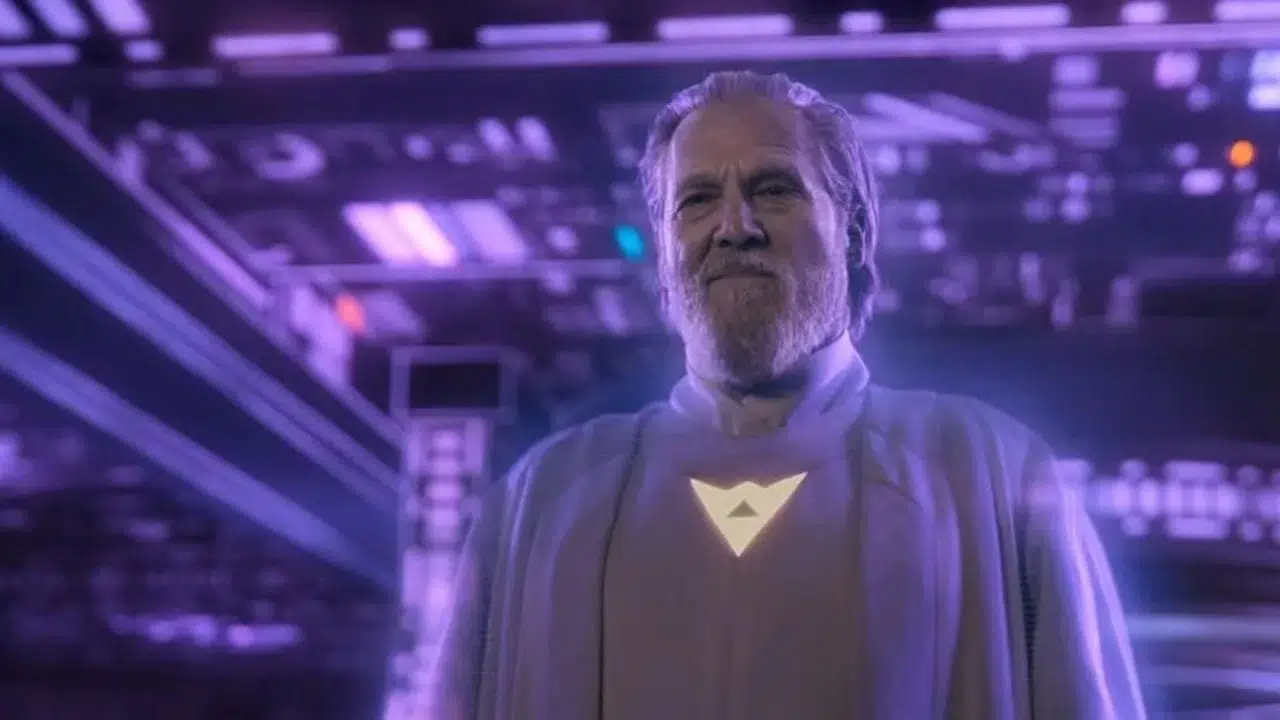
The movie feels desperate to score points through vague gestures meant to make fans jump in their seats at every forced reference. Absurd amounts of shoehorned fanservice—like Jeff Bridges’ cameo or Sark’s appearance in the post-credits scene—are evidence of that.
Yet the film succeeds in two very specific areas. First, aesthetically, it delivers exactly what it should—an evolution of the precedent set by Legacy, expanding and refining it.
And second is, of course, the reason this article exists.
…saved by an incredible soundtrack
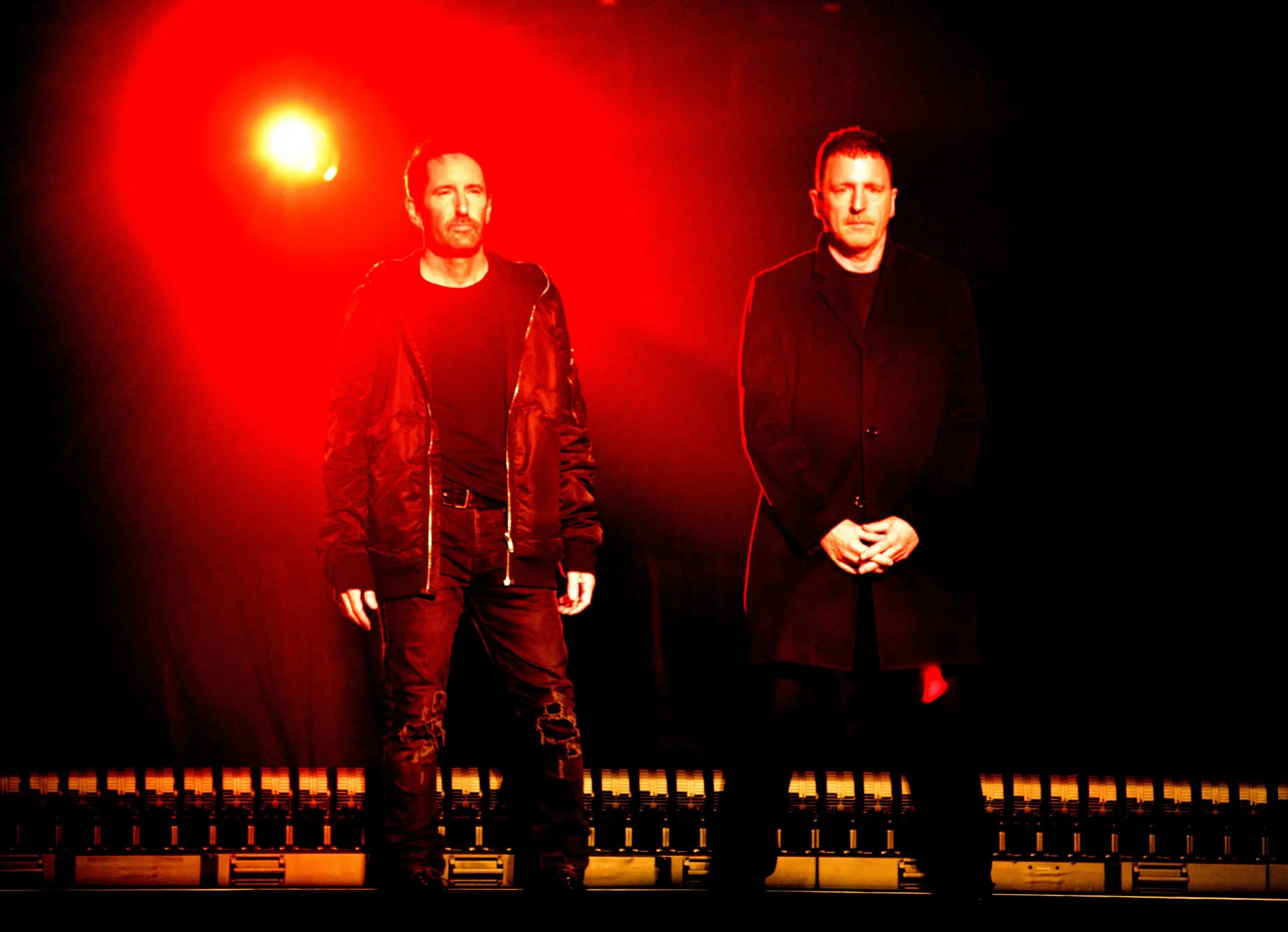
I won’t deny my deep admiration for Nine Inch Nails, the project of Trent Reznor and Atticus Ross, who—like the other composers in Tron’s history—have been pillars of modern music.
Summarizing NIN’s cultural impact in a few lines is difficult, but it’s enough to say that without them, artists like Deftones, Grimes, Muse, Tool, Rammstein, and even Miley Cyrus would not exist as we know them. In fact, industrial metal as a genre wouldn’t exist.
They’ve revolutionized metal from the beginning, pushing it into new territories while blending it with elements like synthesizers—present throughout their discography. And naturally, they were influenced by figures like Wendy Carlos; Reznor even cited her as a direct influence when composing The Social Network (2011).
See how everything’s connected?
This soundtrack gives the film a unique essence, and without it, I doubt it would rise above the mediocre reviews it currently has. In fact, multiple outlets like IGN have said explicitly that their score would be significantly lower if not for the soundtrack.
NIN’s composition is one full of texture and musical complexity; it showcases Reznor’s exceptional abilities and reaffirms that he has been one of the most important composers in the industry since the beginning of his career.
With Tron: Ares, he proves once again that even when his music is attached to a questionable product, he can elevate it and reshape how audiences perceive it.
The musical progressions and the way each track functions on its own, as part of the album, and inside and outside the film, highlight the remarkable work done in the soundtrack. And despite the cinematic disaster that Tron: Ares represents, it leaves you wishing for a sequel—if only to experience another soundtrack.
Regardless of the bad acting, hollow script, or plasticky cinematography—I, like many, would give anything for another Tron film just to get another album. Maybe that has always been the franchise’s true magic: movies that look cool as music videos for exquisite albums.





Share your thoughts!
Be the first to start the conversation.