
There is a distinct difference between representation.... and representation.
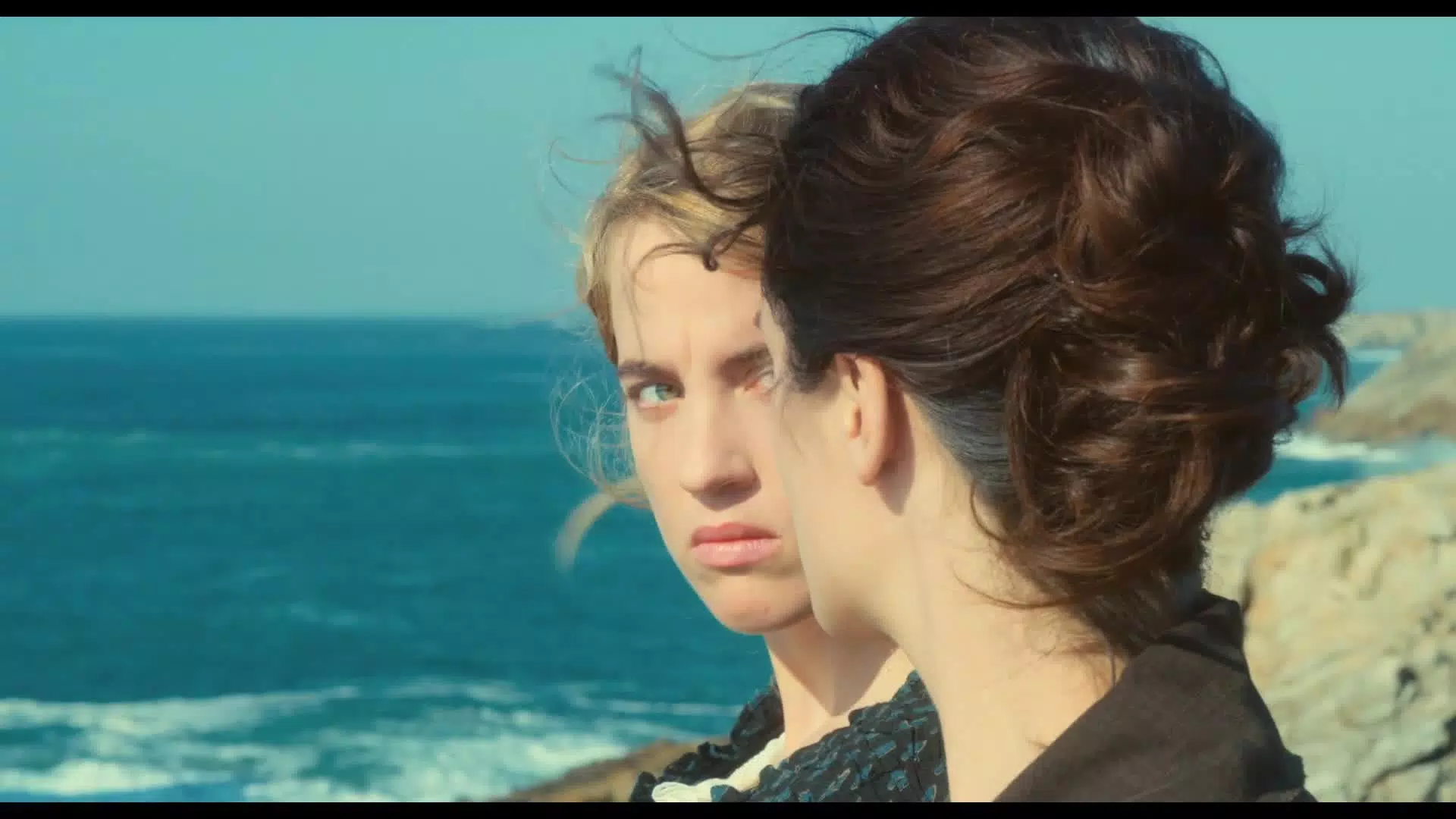
For me, there is no more striking example of this than Portrait of a Lady on Fire. Before I watched it, I had seen plenty of gay characters on screen. I'd even seen some bi and lesbian teenagers like me. The 2010s were rife with discussions of "queer representation in media," so there were many characters who *technically* fit the bill.
(Who else remembers what a huge deal Disney tried to make of Le Fou being gay in the Beauty and the Beast remake?)
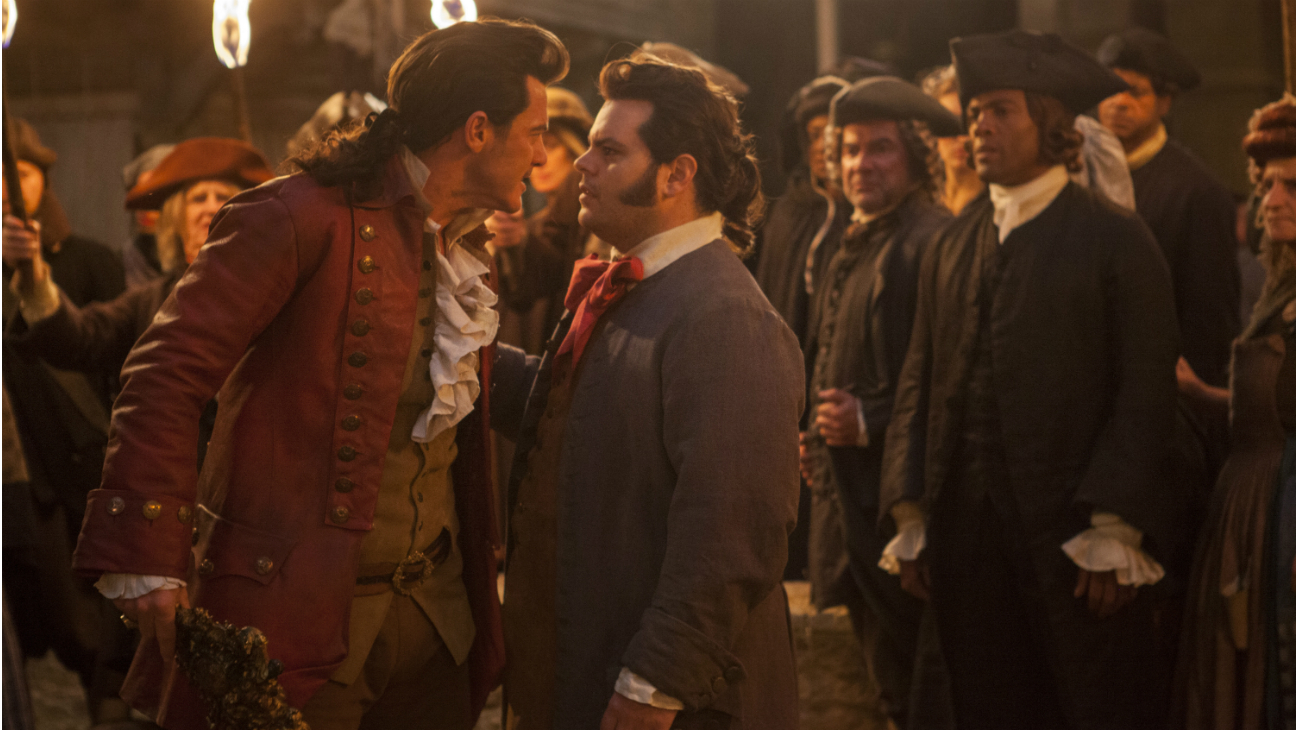
I was still young, so most of the stories I consumed were of the mass media variety. I still looked for characters like me, of course. I searched for love stories that centered queer women the way all my favourite rom-coms centered heterosexual couples, but I didn't know where to look, other than AO3. So I contented myself with the scraps that I could find in popular media. I learned to live with it. I had that one gay couple inTeen Wolf, and Queer Eye, and Rosa in Brooklyn Nine-Nine was bi. What else did I want?
I thought that I was happy with the way things were. I thought I was happy just to see queer stories being included at all in the larger cultural conversation. Even though there was a tiny voice in the back of my mind telling me that these sanitized and mass-produced portrayals were... false.... I pushed it away.
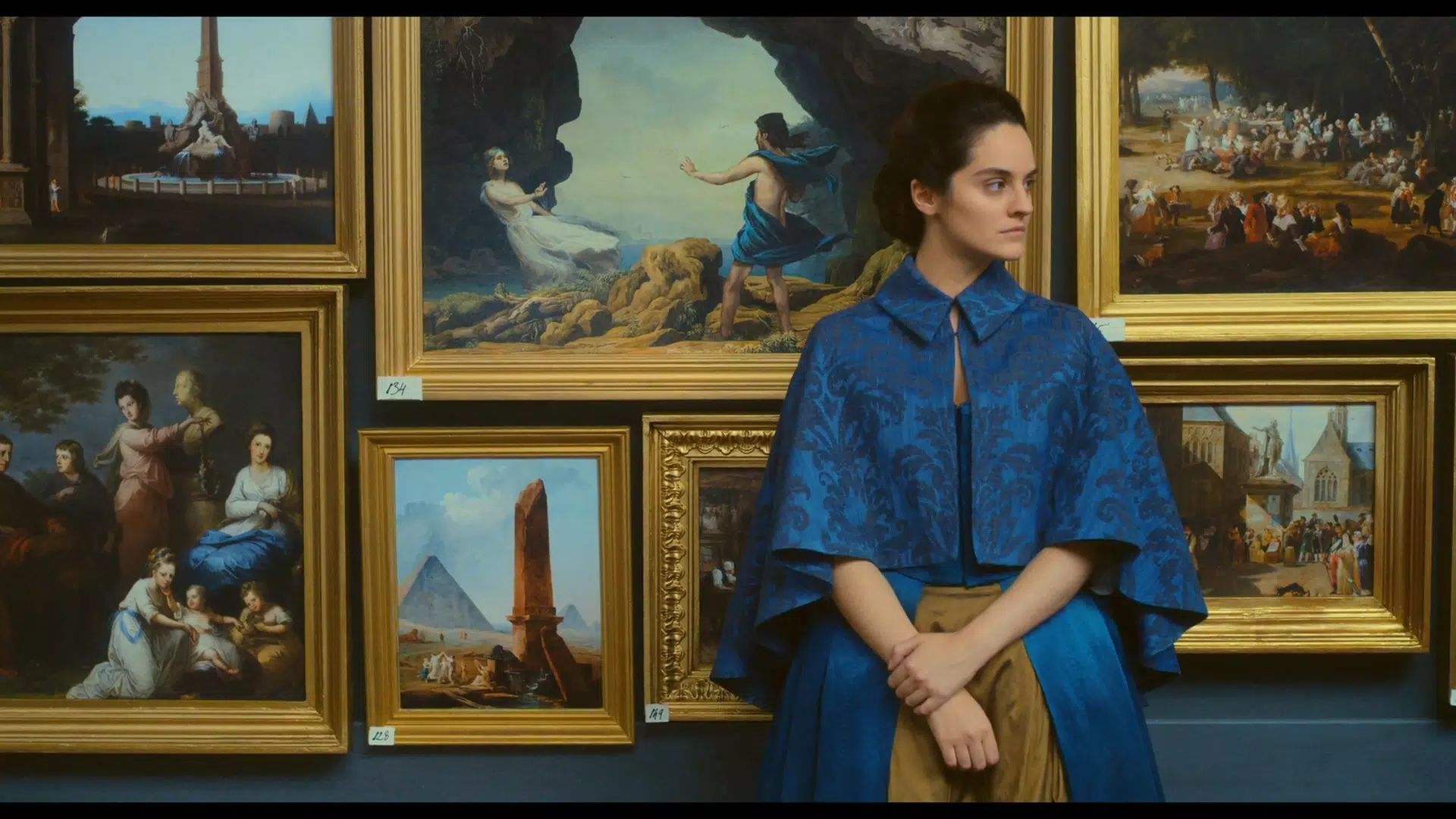
Then I saw Portrait of a Lady on Fire and everything changed. Never before, or since, have I watched a movie and had the striking realization that it was watching me back.
Even now, I struggle to describe exactly why it feels so truthful. The way Portrait imparts the tumult of yearning, fear, anticipation, awe, and love is so raw it's almost tactile. All I know is that the mixture of conflicting emotions is exactly how it felt when I realized that I liked girls, and that they could like me back. As Marianne and Héloïse observed each other, their piercing gaze forced me to look at myself. And I was just as exposed as they were. It was the first time I ever felt what the characters were feeling in my chest. I'm not a French lesbian in the 18th century, but in this confusing and achingly tender love story, I saw a version of myself.
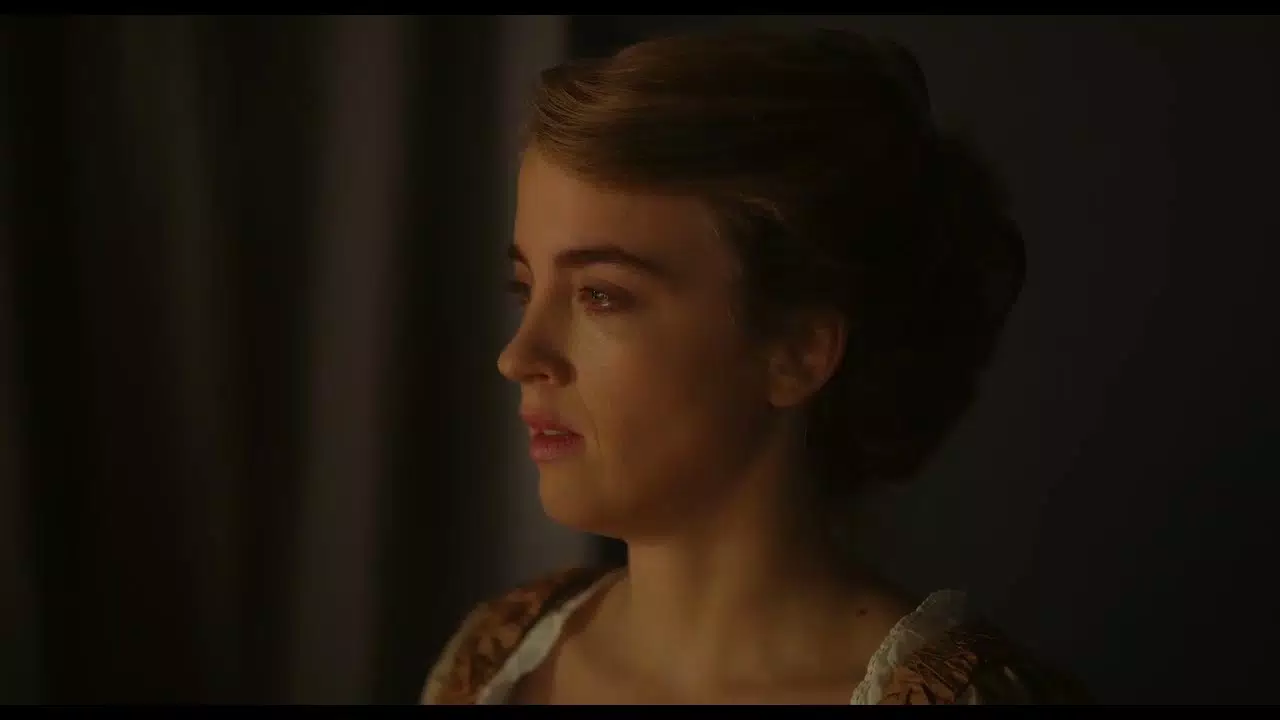
As this is the 1700s, their story was always going to have a tragic end. Marianne is a painter, hired to paint Héloïse's marriage portrait before she is wed. Héloïse does not want to be painted, and Marianne must observe and capture her image in secret. Over the course of a few secluded weeks, the striking power of the eye draws them together, into a forbidden love affair. The fact that they cannot end up together makes it all the more painful, and all the more poignant. It's actually kind of diabolical how much this movie hurts to watch, but I cannot tear my eyes away. The magnetic force between the two characters also, inevitably, pulls me closer and closer to the screen.
That's probably because only lesbians could have made this movie.
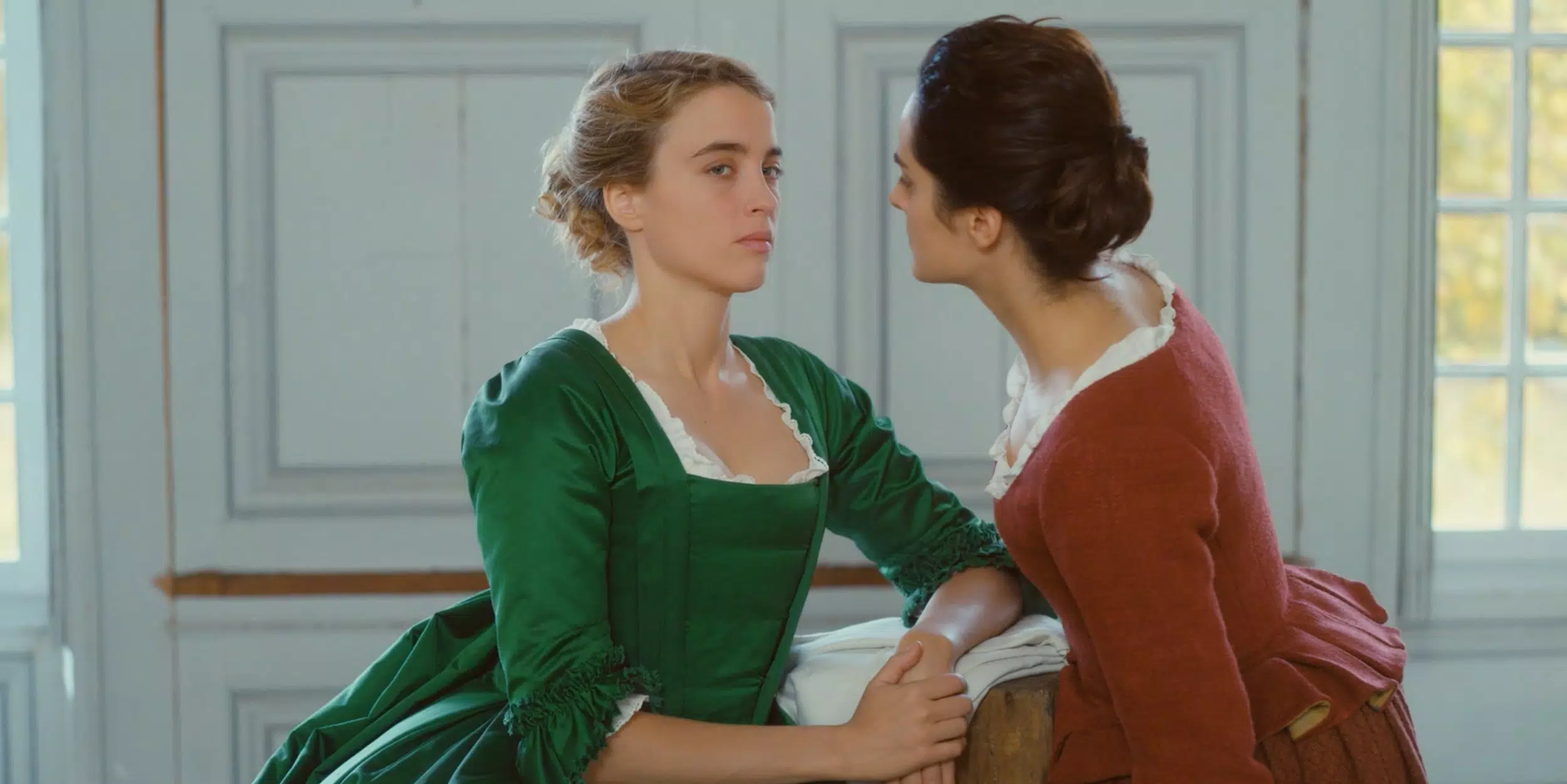
Portrait hinges on a uniquely female gaze, which goes far beyond the sexual, and exists outside the traditional power dynamics of heteronormative relationships. This movie captures with stunning force a deep appreciation beyond mere attraction. For me, this absence of an objectifying lens is the difference between lesbian relationships and straight ones, and it's what I had been missing from the popular representations that I had seen.
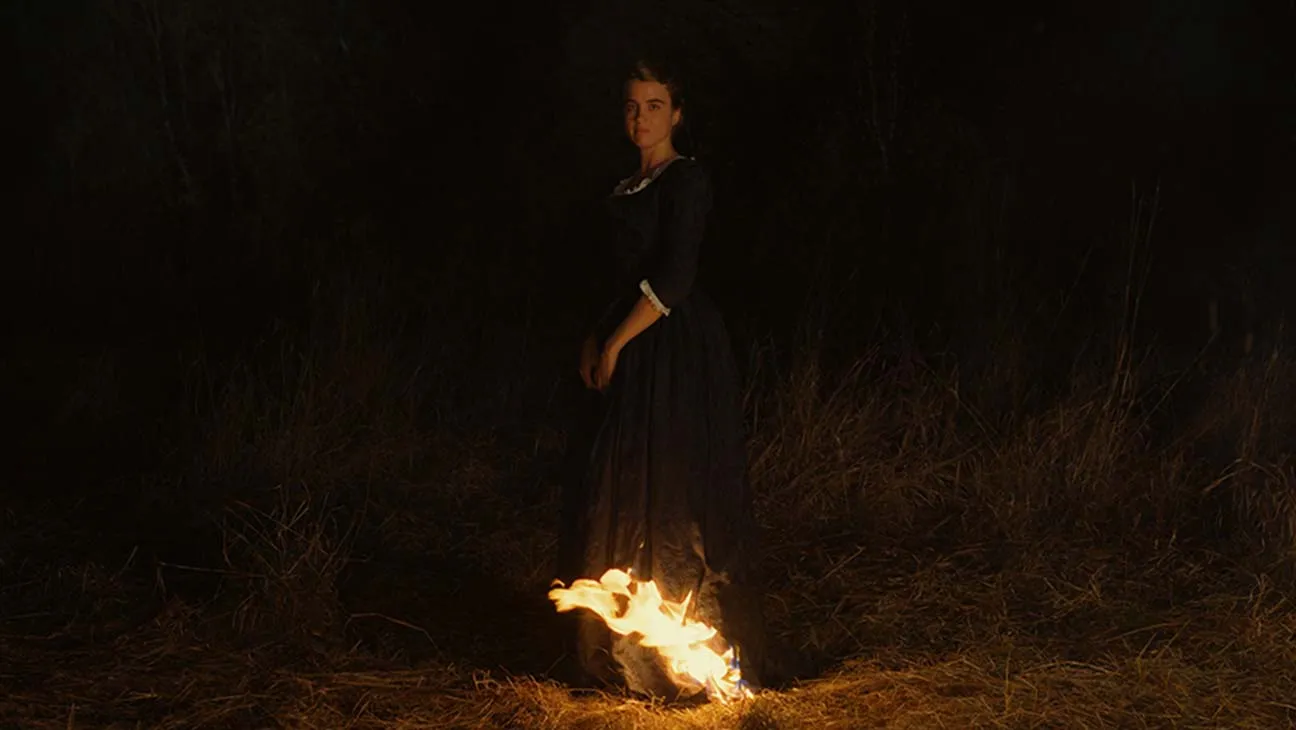
Marianne's body silhouetted in front of the fire. Her careful sketches of Héloïse's face. The way that their eyes glide over one another, drinking in every minuscule detail.
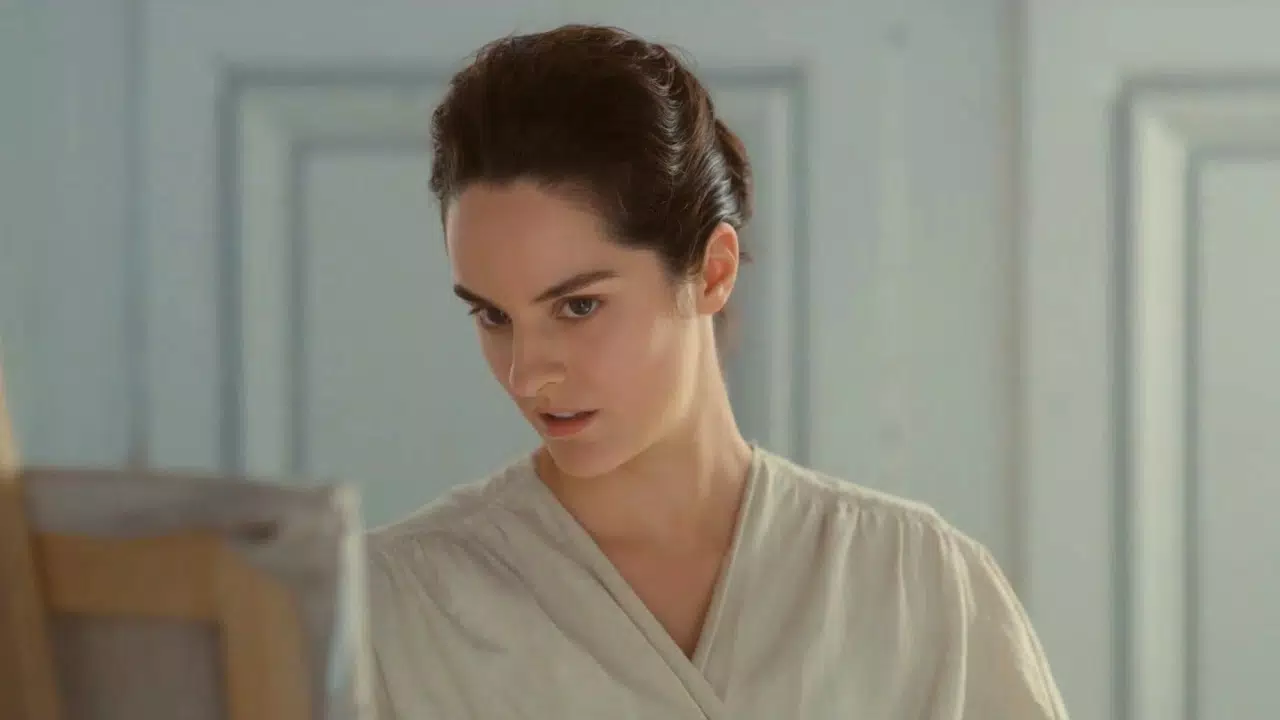
Much has been written about the careful construction of the female gaze in this film, so I will not delve too far into it here. Suffice to say, when these women look at each other, it is as equals. The gaze is not subjugating, but bringing them eye-to-eye. Simultaneously seeing and seen. Other contemporary queer narratives, like Robin's in Stranger Things or Simon's in Love, Simon, adhere to traditionally heterosexual power dynamics within queer stories, by posing one character as the object of desire and the other as desirer, but Portrait dares to depict a different kind of love.
A painter looks at her subject, and the subject gazes back The movie is built on the idea of of not just looking at, but truly understanding another. The power of the gaze is both the flint and the spark that lights the fire between Marianne and Héloïse. In one pivotal scene, their desire is so intense that it seems to literally light them on fire.
The tension in every inch that separates them is enough to make you grit your teeth. Marianne and Héloïse speak of regretting wasted time, but their reasons are more than understandable. Fear—of rejection and of the oppressive outside world—keep them from expressing themselves candidly. Fear that they may have misread signs or misunderstood the meaning behind a look, or a touch, or a conversation. That is a fear that I know well. It is an experience my friends and I talk about often, one that comes with the territory of existing outside the binary.
But in Portrait it isn't melodramatic or overwrought. It simply is; and that makes the moment when they finally do overcome their fears all the more revelatory. Everything between them that until now has been unspoken is mutually understood. The yearning, the frustration, and the oppression, and the temporary nature of their love affair take only a meaningful look to communicate. Marianne and Héloïse love each other in a way that is hard to describe with words. They know and allow themselves to be known by one another. The tenderness of their shared vulnerability is as true to life as any film I have seen.
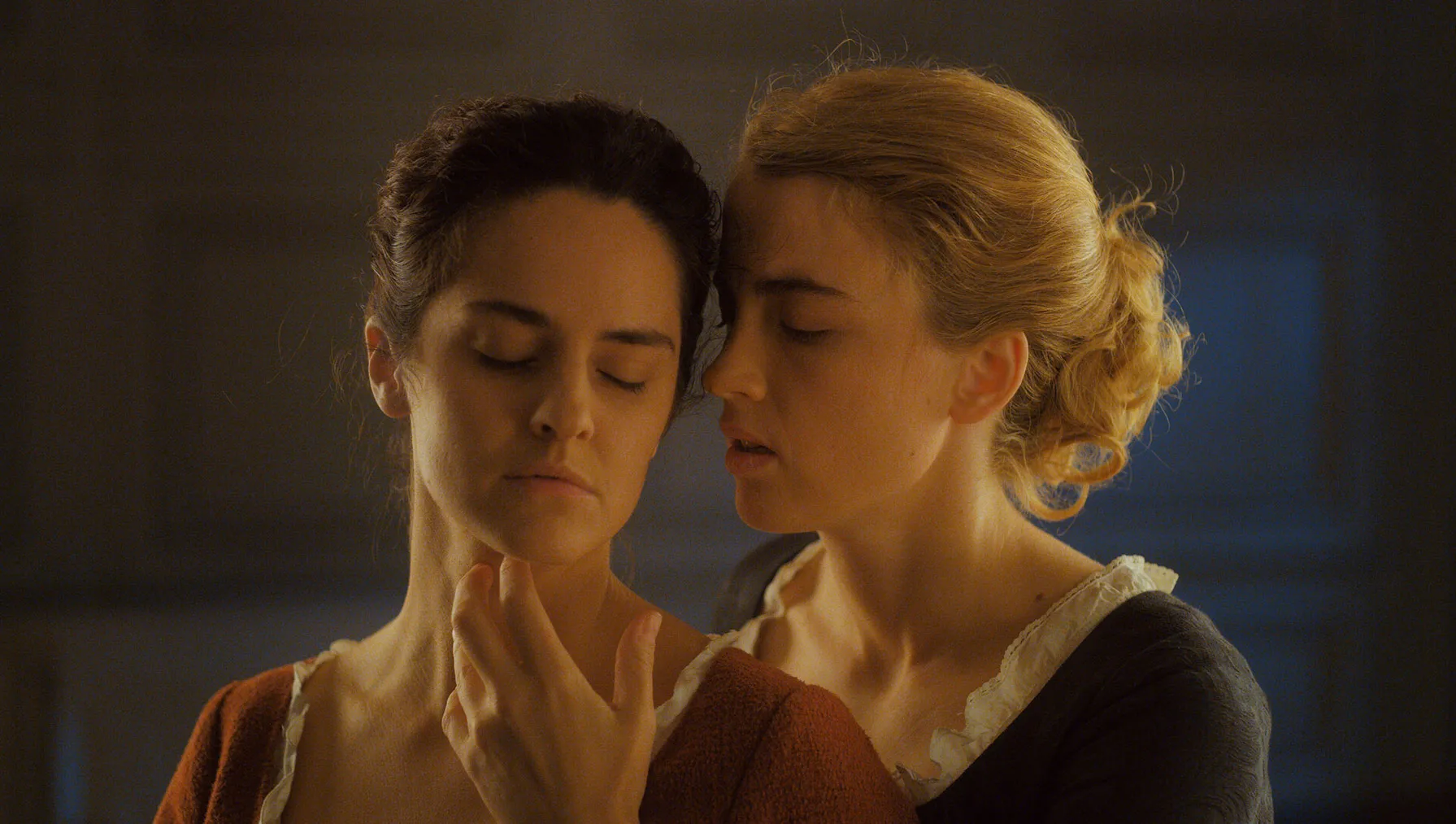
That's something that you wouldn't be able to impart to an audience unless you had experienced it yourself. That's why Portrait is so special. It was the first time that I knew for certain that the characters, the filmmaker, and the actors, completely understood the queer story that they were telling. These women were not here to appease a quota, or full of the cliches that often arise when straight creators write gay characters. This was a story born from something that needed to be expressed. Other narratives that I had consumed felt false because they were refracted through the lens of broad appeal, designed to be accepted by everyone, regardless of sexuality. In them it was enough to show that queer love was different, but not how it was different. Portrait doesn't care about appealing to everyone. It truly felt like it was made for people like me. Specifically.
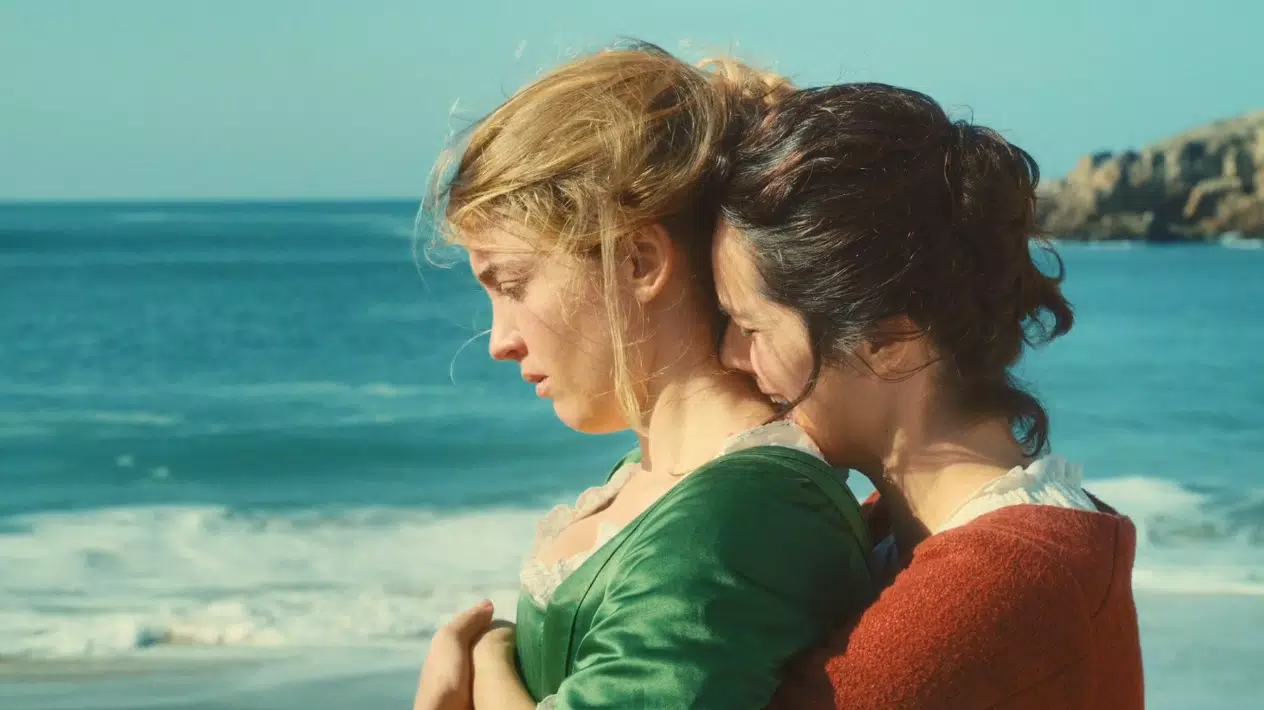
Portrait reset my expectations of "queer representation." Suddenly, the conflicts that had been raging inside me for years were not only understood by someone else, but given a face. From the moment I watched it, I resolved to no longer accept the bare minimum of token representation. The film helped me to realize that there are people who can tell queer stories without catering to the heterosexual perspective; I just needed to look harder to find them. Since 2019, I've made a much more conscious effort to seek out more WLW narratives created by queer people. I've found many gems, but Portrait will always have a special place in my heart, because it was the film that showed me what was possible.





Share your thoughts!
Be the first to start the conversation.