
Now that the calendar has tripped lazily into the early days of December, that magical time of year when frost creeps into your bones and the sun decides it is above working a full shift, I figured it might be wise to coax myself into the holiday spirit before I become a shell of a human being. December has a way of sneaking up on you. One minute you are living your life, and the next the radio is screaming carols at you like a hostage situation and stores are selling peppermint-flavoured everything. If the holidays are a tidal wave of forced cheer, then early December is the moment you decide whether to swim or simply let it take you. Being realistic, I am not much of a swimmer, so I turned to cinema for help.
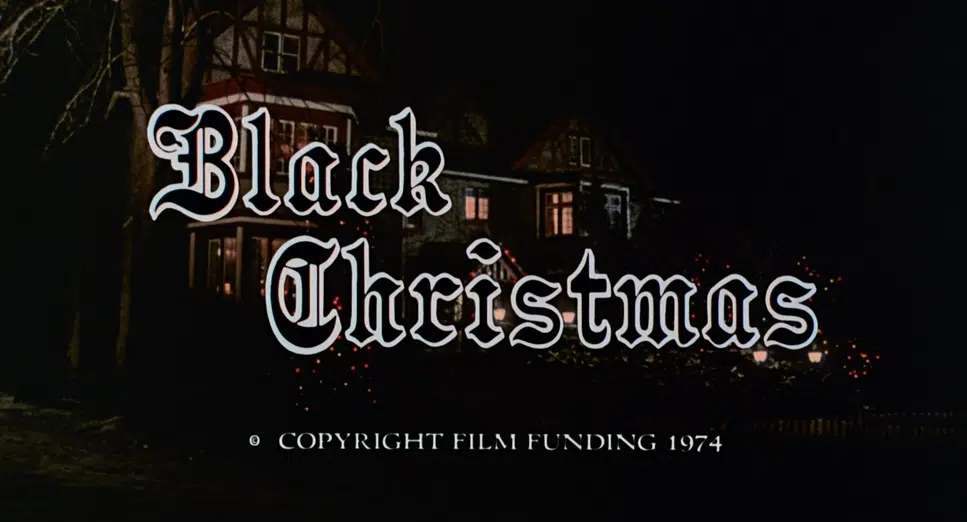
Last night, I stood in front of my DVD and Blu-Ray shelf like a pilgrim seeking divine revelation. I scanned each title, hoping for inspiration, rejecting anything too earnest, too sugary, or too reflective of the holiday spirit in its traditional sense. I wasn’t looking for Santa Claus. I was looking for the emotional equivalent of seasonal affective disorder wearing a Santa hat. And then, as if placed there by some mischievous holiday ghost, I saw it: my Blu-Ray copy of Bob Clark’s 1973 macabre Christmas masterpiece, Black Christmas.
If you have never seen Black Christmas, consider this your formal invitation to correct that. Not only is it one of my favourite slasher films, but it is also one of the most interesting and quietly influential Canadian films ever made. More importantly, it stands proudly at the top of my personal canon of unconventional Christmas movies. I have never been one for the sugary glow of traditional holiday films. Anything that relies on mistletoe, grand romantic gestures in the snow, or the sudden reformation of a capitalist billionaire after being visited by the ghosts of his victims instantly puts me on edge. Instead, my seasonal viewing skews toward something a little weirder, a little darker, and a little more honest. I gravitate to films like Batman Returns, where Christmas is happening but primarily as set dressing for psychological collapse, or Gremlins, a film that asks the brave question, “What if Christmas, but chaos?” Then there is Brazil, which turns the festive season into a bureaucratic nightmare, and Eyes Wide Shut, in which Christmas trees illuminate the slow disintegration of a marriage. These are the movies that speak to me.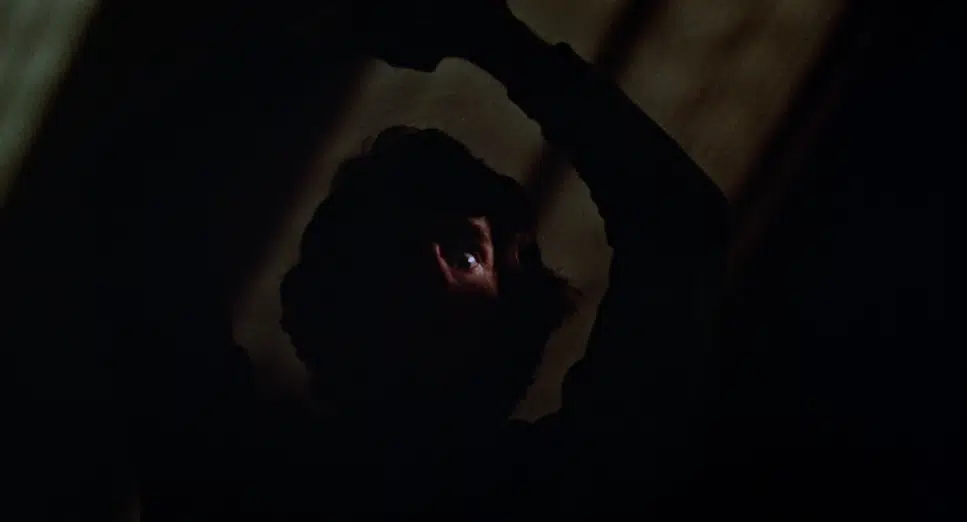 People love to tell me these are not Christmas movies. They are wrong. The rules are simple. If a movie takes place during December and even a single ornament, carol, or nativity figure appears on screen, it is a Christmas movie. Gremlins? Christmas movie. Batman Returns? Christmas movie. Eyes Wide Shut? Christmas movie for adults who enjoy anxiety. And Black Christmas, with Christmas in the title and enough tinsel to fill an entire thrift store donation bin, is unquestionably a Christmas film - one that simply refuses to participate in the cheerful delusion of the season.
So, armed with my Blu-Ray, my blanket, and the gentle herbal encouragement of a quick joint outside (because festive rituals take many forms), I settled in to embrace the holiday spirit as filtered through murder, dread, and the soft glow of Christmas lights that absolutely know something terrible is about to happen.
Bob Clark created something rare with Black Christmas. Long before he directed A Christmas Story, a film that birthed an entire cottage industry of nostalgia and leg lamps, he crafted Black Christmas, which in many ways quietly invented the slasher genre. Yes, Psycho and Peeping Tom laid the foundation, but Black Christmas is the film that built the house, filled it with sorority sisters, and let the audience hear every creak of the floorboards. It is the blueprint from which later films like Halloween, Friday the 13th, and countless less successful imitators were drawn. Yet Black Christmas maintains something that those later films abandoned in their pursuit of melodrama and body counts: real atmosphere.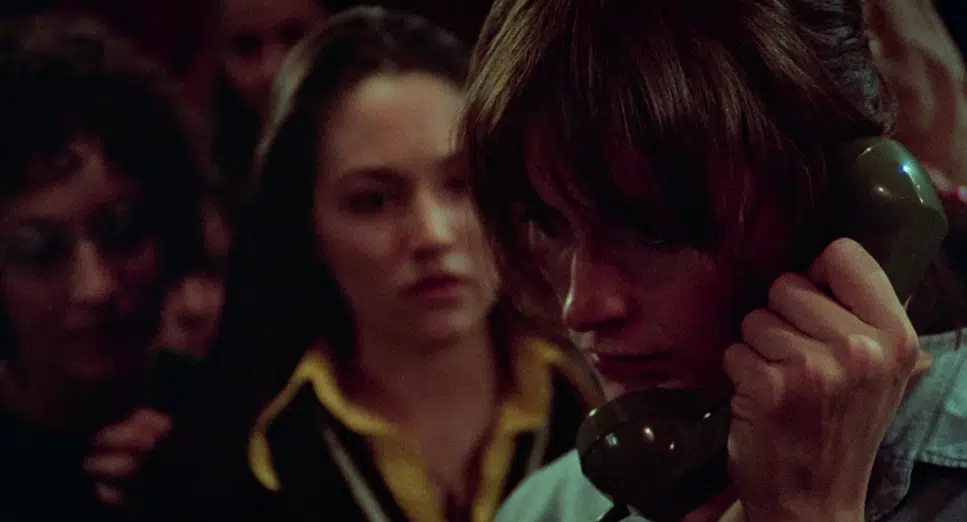
The story is deceptively simple. A group of sorority sisters are preparing to leave for the holidays when a series of obscene phone calls interrupts the festivities. At first they shrug them off, assuming it is someone with far too much free time and access to a phone. But the calls grow stranger, more disturbing, and increasingly unhinged. When one of the girls vanishes, the tension slowly coils around the house. As the police fumble in their attempts to help, the audience is treated to the horrifying knowledge that the killer is already inside the house, hiding in the attic like the world’s most deranged Christmas elf.
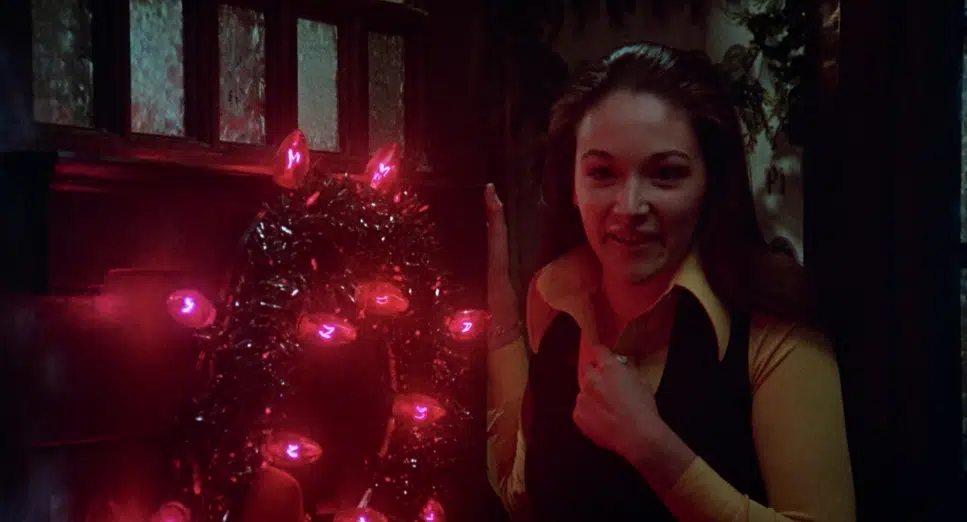
What makes the film brilliant is the way it weaponizes Christmas itself. The decorations, the lights, the snow, the carols - all of it becomes unsettling, like the holiday season has been possessed by something malevolent. Christmas lights flicker softly in the background of disturbing scenes, creating an uncanny sense that the holiday spirit has been hollowed out and replaced with something cold and hungry. Even the carols sound strange, the cheerful harmonies reaching your ears with an uneasy edge. The film understands that beneath the glitter and goodwill, Christmas can be isolating, stressful, and deeply strange.
Black Christmas is also, in a way that feels almost nostalgic now, truly Canadian. You can feel the real winter, the type that bites through your coat like it has a personal vendetta. The characters wear proper winter coats, the kind that make you look like a sentient duvet but keep you alive. The police station feels authentically small-town Canadian, complete with wood paneling, clunky rotary phones, and the constant sense that someone has brewed terrible coffee in the background. Watching it feels like stepping into a time capsule of Canadian film culture, one that proudly refuses to glamorize anything.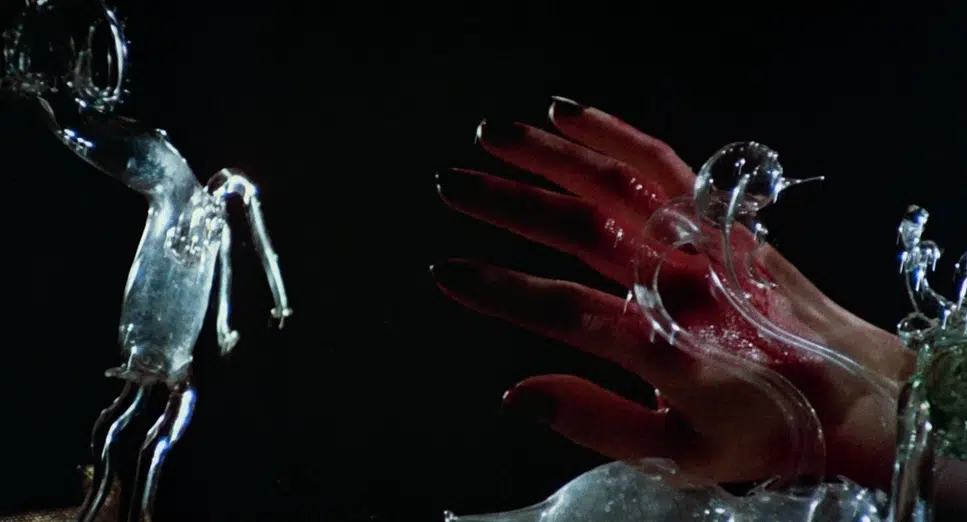
One of the great strengths of the film is its cast of women. Rather than the screaming caricatures that would populate many later slashers, the women of Black Christmas feel real, flawed, funny, and layered. Olivia Hussey’s Jess is the emotional center of the film, intelligent and determined, dealing not only with the escalating terror in the house but also her boyfriend’s outrage over her decision to have an abortion. The film treats her agency seriously, giving her a complexity rare for horror protagonists, especially at the time. Margot Kidder’s Barb, meanwhile, is the kind of chaos gremlin who enters a room and instantly becomes the most interesting thing in it. She is sardonic, drunken, messy, and magnetic. Her presence injects the film with a dark humour that is both refreshing and heartbreaking, because you know in your bones that chaos like hers does not survive in horror films.
The dynamic between Jess and Barb feels lived-in, like a relationship formed over late-night conversations and shared frustrations. Their arguments, moments of tenderness, and bursts of humour give the film a depth that many slashers lack. It is impossible not to care about them, which of course makes the horror hit harder.
The sound design is another triumph. The phone calls alone could power a thousand nightmares, but it is the smaller sounds that truly get under your skin. The creaks of the floorboards, the hushed rustling in the attic, the distant murmur of voices from off screen. The house feels alive, not in a supernatural way, but in the unsettling way old houses are alive, filled with corners and shadows that seem to hold their breath. Watching the film, you feel like a participant in the terror rather than an observer, straining to hear what might be lurking just beyond the frame.
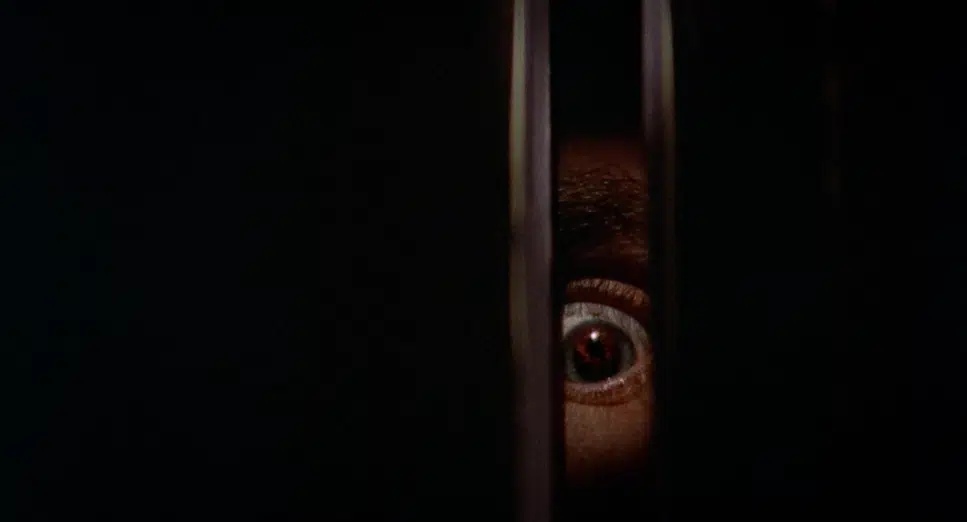
What makes Black Christmas the perfect holiday movie for people who struggle with the season is how honestly it captures the other side of December. The loneliness, the melancholy, the claustrophobia of being stuck with people you love but do not necessarily like at all times. The film takes the emotional undercurrent of the holidays and turns it into something literal, something murderous. It understands that for many people, the holiday season is not a time of joy but of pressure, expectation, and the creeping feeling that everything is falling apart while someone insists you smile for the family photo.
The ending of the film, without spoiling anything, refuses to comfort the viewer. There is no neat resolution, no heroic triumph, no cathartic release. The fear lingers, unresolved, like the leftover tension after a family dinner argument that has simmered beneath the turkey gravy. The final moments are chilling not because of what happens, but because of what does not. It is the perfect encapsulation of the often-unspoken truth of the holidays: sometimes things do not conclude neatly, and sometimes the darkness lasts longer than the tinsel.
This is ultimately why Black Christmas remains, for me, the perfect holiday movie. It sees through the performative cheer and embraces the emotional complexity of the season. It is funny, frightening, atmospheric, and oddly comforting in its honesty. Instead of offering false sentimentality, it offers catharsis. Instead of telling you to be merry, it allows you to sit comfortably in your discomfort.
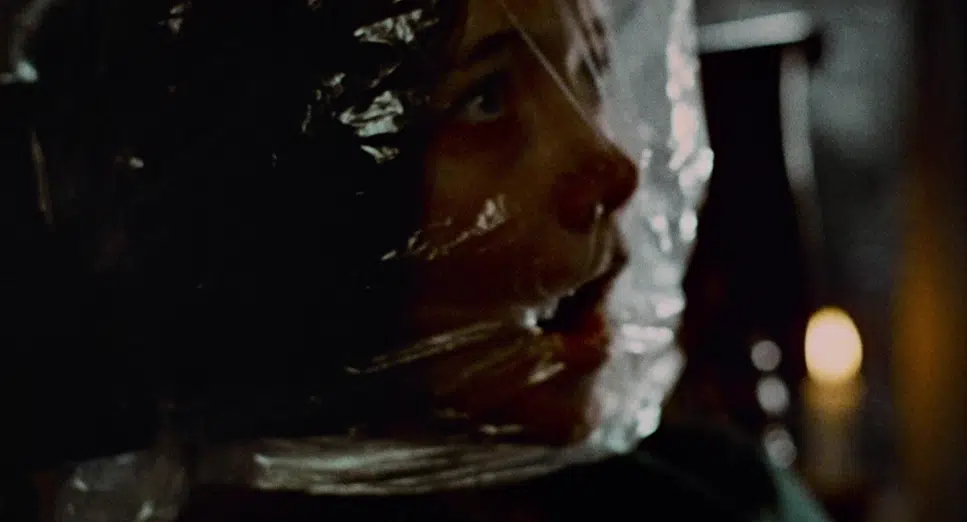
So, while others turn to Love Actually, Elf, or whatever new formulaic romance Netflix has generated by feeding holiday buzzwords into a content algorithm, I will continue to reach for Black Christmas. It is the rare Christmas movie that acknowledges the horror of the season and still manages to be immensely entertaining. It is a film that reminds us that it is perfectly fine if your holiday spirit is less ho-ho-ho and more oh-no-no. Some of us celebrate Christmas by pouring ourselves a drink, settling under a blanket, and watching a killer hide in the attic while the phone rings ominously in the background.
After all, nothing says Merry Christmas quite like a ringing phone no one wants to answer, a flickering string of lights, and the reassuring knowledge that somewhere up there in the attic, holiday dread is alive and well.





Share your thoughts!
Be the first to start the conversation.