
I am the person that unapologetically recommends films. Whether you are my best friend, my mom, or someone I just met, you WILL be getting film recommendations from me. I think the films that most people watch are awful, not worth anyone’s time, disgusting, boring, propaganda, etc. So, obviously, I am going to recommend films I deem good. This year, the film I recommended most, without a single doubt, was Eva Victor’s directorial debut, Sorry, Baby.
I can’t count the number of times I told someone, “Okay, I’m so serious, you NEED to watch Sorry, Baby.” Written by, directed by, and starring Victor, Sorry, Baby follows literature professor Agnes learning how to move forward after being sexually assaulted. Also starring Naomi Ackie (who had an incredible 2025), Louis Cancelmi, Kelly McCormack, Lucas Hedges, and John Carol Lynch, the film is – at the time of my writing this – my favourite film of the year. It is the film that I think helped me most this year.
Whenever I would recommend Sorry, Baby, it would be followed up by a question usually asking what the film was about. I am always careful with recommending films that include subject matters like sexual assault, rape, domestic violence, and similar violent behaviours or acts. I always tell people to proceed with caution when watching these films. However, there is also a weird quiet that comes from some people when I even mention that a film contains depictions of or conversations about sexual violence. It’s like I shouldn’t be recommending or celebrating a film that dares to mention these themes. How can I suggest a film about learning to live alongside the trauma of being raped or sexually assaulted? Easy. I suggest the film.
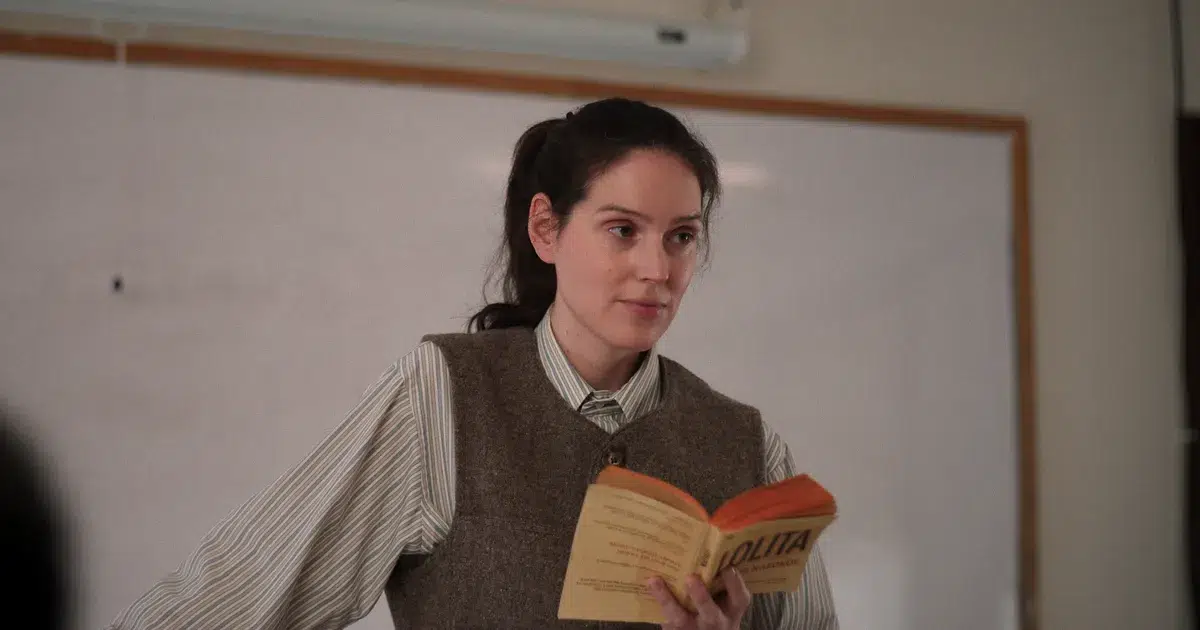
I was lucky enough to attend an advance screening of Sorry, Baby at TIFF with Eva Victor in attendance. During the Q+A, I asked them a question about a particular moment in the film which involves a scene from 12 Angry Men. My question went something like this: “Could you talk about the inclusion of the scene from 12 Angry Men and how it connects to the jury selection scene, or how it points to these systems and structures being flawed?” Victor said something about me putting it better than she could, which I don’t think is true, but I will take the compliment! A part of their answer to my question mentioned justice. In the film, Agnes mentions that she does not want her rapist, Preston Decker – who was her advisor during her time in graduate school – to die or go to jail. It’s hard for me to even imagine having this mentality.
2025 was the year I realized that I am not an Agnes. Or, at least, I finally accepted that I am not an Agnes. If anything, I am more of a Lydie, Agnes’ best friend who offers to light Decker’s office on fire after Agnes first mentions the idea. However, I don’t think I’m a Lydie either. I want those who have, can, and will hurt me and others like Preston did Agnes to DIE! I am not a patient person when it comes to sexually violent people. I am completely incapable of believing that these people can change or grow, especially when this grace is never granted to their victims. However, Victor’s script offers a very human approach to the justice system and its endless, countless flaws.
In my favourite scene of the year, Agnes finds herself in a courtroom for jury selection. As a lawyer tries to select the final jurors, she asks the selected few if they have ever been the victim of a crime. Agnes quickly raises their hand and lowers it even quicker. When the lawyer asks Agnes what crime she was the victim of, she answers that it would be her worst nightmare to tell a group of strangers what happened to her, which is why she lowered her hand. As she answers more questions about her assault, she says something that solidifies the Sorry, Baby script as one of our modern greats. Speaking of Decker and what he did to her, she says, “I want him to stop being someone who does that. And if he went to jail, he’d just be someone who does that, who’s now in jail.” Incredible.
I cannot imagine writing something as bold and delicate as this. When Agnes admits that she doesn't want Decker to go to prison because it would not make him a better person, I feel as though everything underneath me crumbles. It’s so fucking destabilizing to hear this. Why? Because even though I know it’s true, I will never be able to feel or think this way. I will continue to feel immense anger and hatred towards these kinds of people. Because she is not sure she can be impartial during the trial, Agnes is dismissed.
I am not an idiot. I know that seeking “justice” through channels connected to the law rarely ever works for victims of sexual violence. Even the word “rarely” feels like it is doing too much work here. It was not built for or by women and those who are more likely to need it. Victor even approaches this during the jury selection scene. Here, the lawyer defines terms like “shadow of a doubt,” so that jury members know what these terms mean. When it comes to rape cases, things that can be classified as proof or evidence are even harder to define. “Traditional” proof and evidence are not always abundant here. When an entire system revolves around the validity of physical evidence (clothing, markings etc.) over emotional evidence (the trauma suffered after, behavioural changes etc.), these systems and structures were not built to serve rape victims. As Agnes says here, “The law makes no sense, in my opinion.”
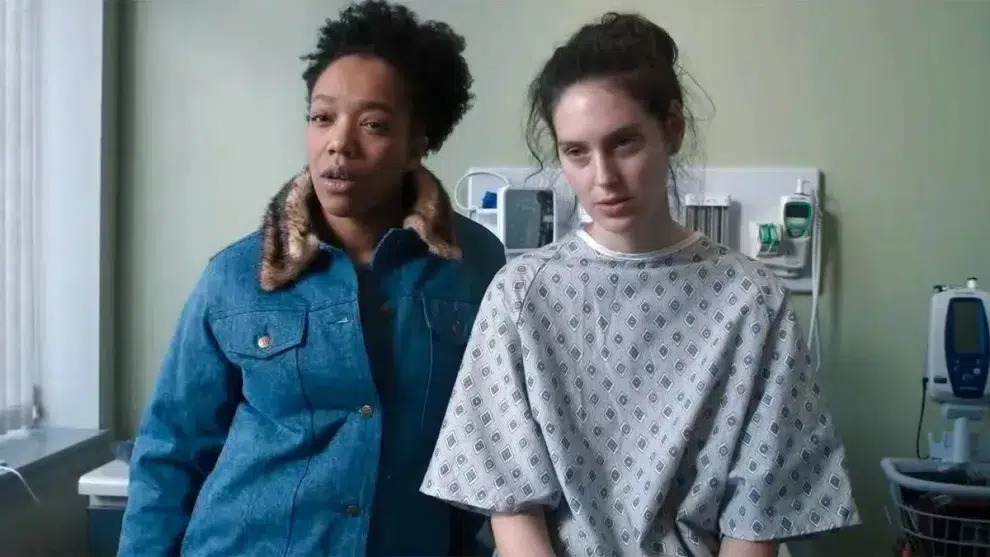
Sorry, Baby can also be classified as a love letter to the friendships that help us navigate what we have been through. The friendship between Agnes and Lydie is one of the best friendships EVER put to screen. One of the reasons I say this is that their friendship is not the kind we usually see in film. It never falls apart because of a fight. They are never jealous of or unkind to one another. It feels reminiscent of the friendships I have in my life that we rarely ever see on screen because they are deemed mundane. There is a scene where Lydie – who later comes out – admits that when having sex with men, she closes her eyes and imagines women. Instead of pressing her about this, Agnes simply asks if she wants to talk about it, before they move on. This simple and hilarious interaction captures the essence of their relationship. It’s supportive, loyal, and the kind of friendship that transcends distance when Lydie moves away.
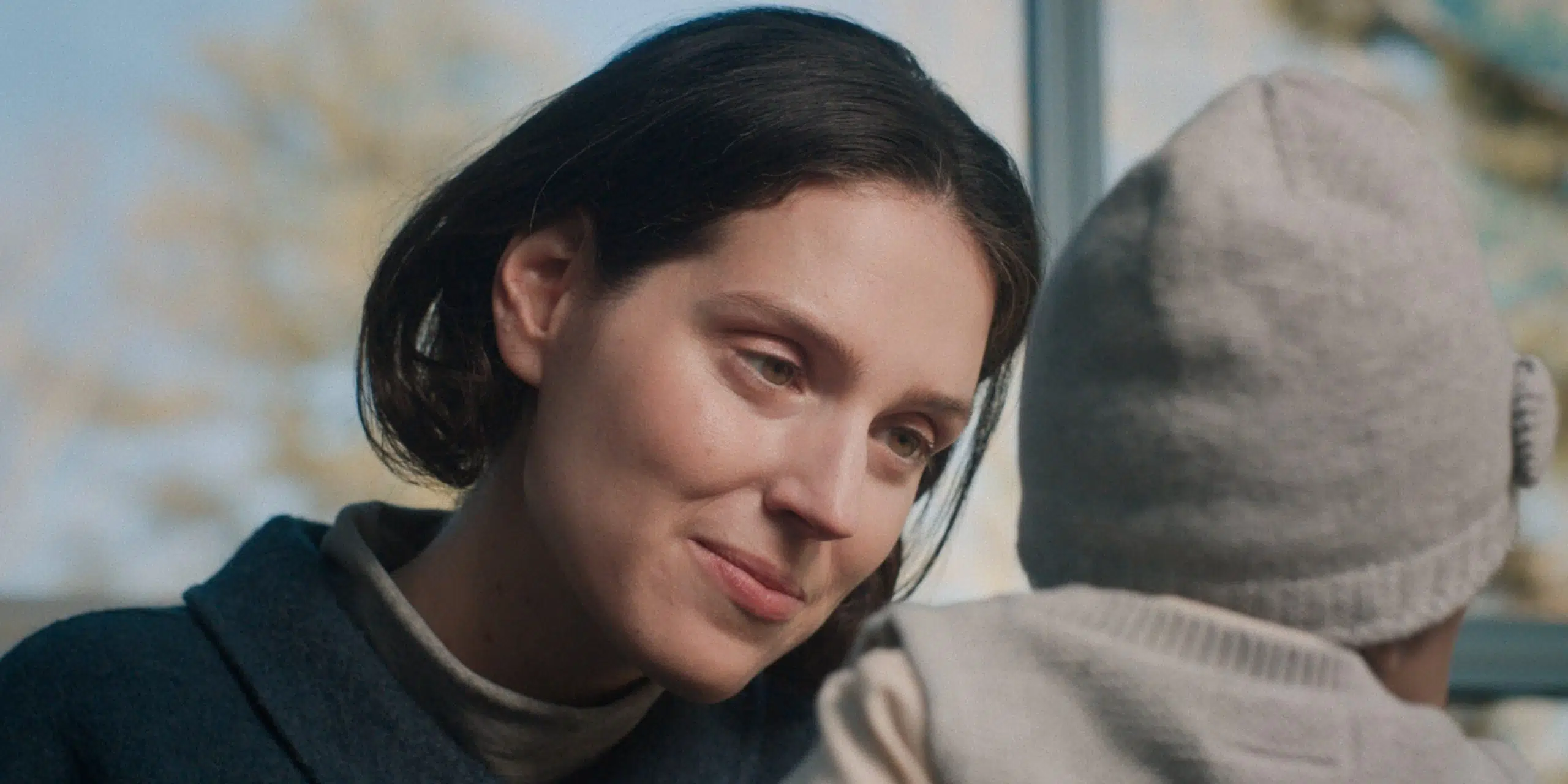
When Agnes comes home one day with a kitten she found on the street, she announces, “I got a cat,” to which Lydie replies, “Whatever you need.” I’ve held Sorry, Baby with me since my first viewing. It’s a film about moving forward after something bad happens to you. It’s about holding on to the friendships and relationships that help you after bad things happen to you. It’s about learning to live alongside your trauma. It’s about doing things that help you stay alive, even if that is bringing home a kitten. It feels analogous to my 2025. This year, I tried my best to learn to live with everything that happened to me. The good. The bad. The both. This isn’t necessarily about “accepting” these things. It’s more about continuing to live. Like Agnes tells Lydie’s baby one day, sometimes, bad stuff just happens. I learned a lot about myself when sitting with this film. Hopefully, we continue receiving thoughtful films like Sorry, Baby forever.





Share your thoughts!
Be the first to start the conversation.