
Not only was One Battle After Another my favourite film of the year — it was also the film that defined it. From illness and diagnoses to imbalanced brain chemistry, financial hardship, heartbreak, heartache, stress, and duress, 2025 was one battle after another for me.
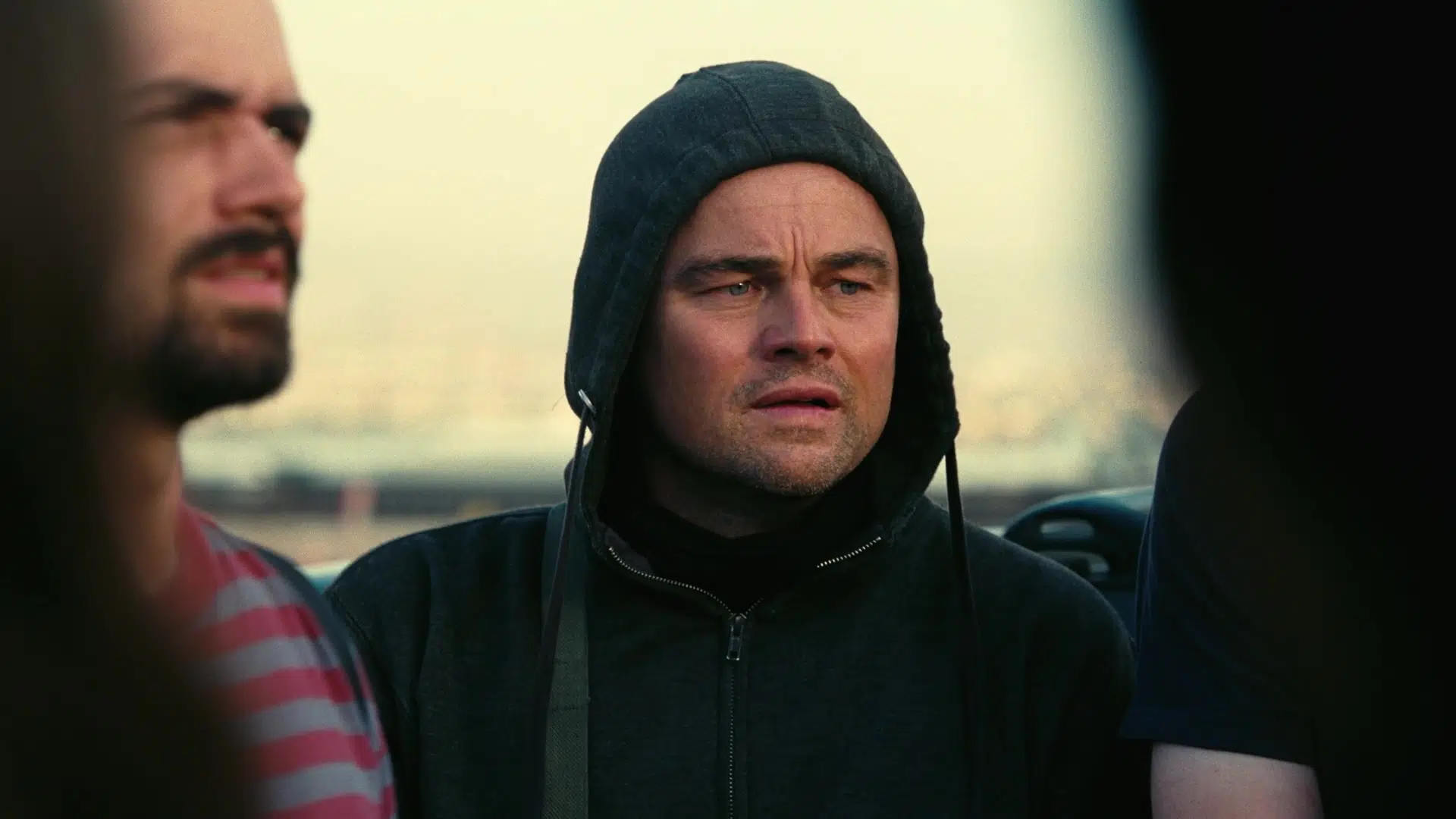
In that way, Paul Thomas Anderson’s film felt both timely and diagnostic. One Battle After Another isn’t about the revolution itself, but about what happens when the revolution fails — when the slogans rot, when the survivors are left holding the debris and trying to convince themselves they didn’t betray something sacred along the way. Watching it, I didn’t see heroes or villains. I saw people stuck in the long middle stretch of history, wondering whether the fight still belonged to them, or if they’d already missed their chance.
But like the characters in the film, I pushed onward. In the face of overwhelming odds, I kept moving. Despite every monumental fuckup and pitfall, there was a sensei waiting for me outside the hospital in a parked car, a few small beers in hand, and a Polaroid camera ready to capture the moment for posterity.
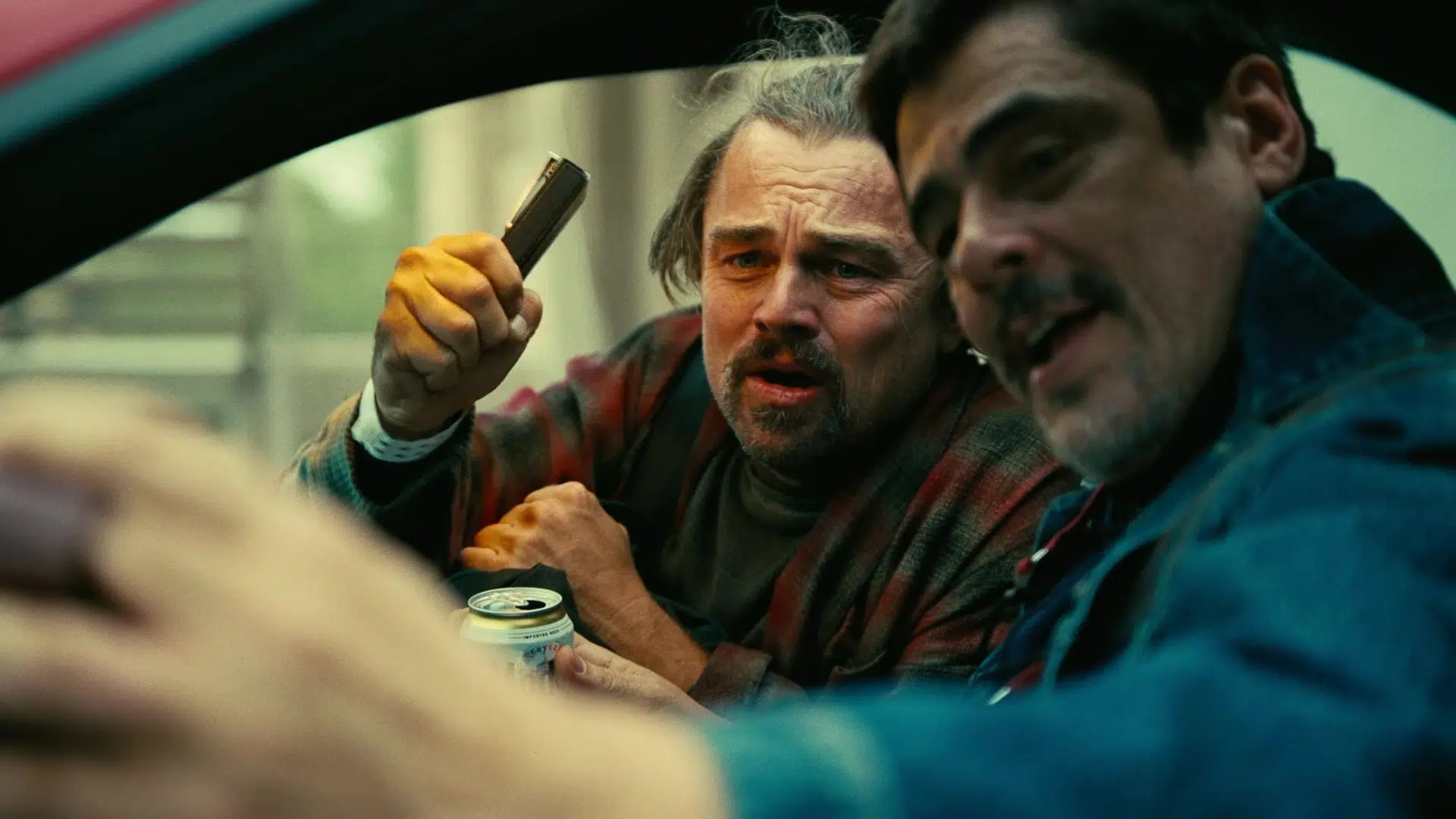
In One Battle After Another, the people who actually save lives aren’t the mythic revolutionaries — they’re the Sergios. The karate teachers. The community organizers. The ones who know where the tunnels are and which doors still open after hours. That moment in the parked car felt like that: not a triumphant rally, not a cure, but a quiet act of infrastructure. Someone showing up anyway. Someone making sure I wasn’t swallowed whole by the system that had just chewed me up.
By the beginning of 2025, I felt like Bob at the start of Act 2. Burnt out. Defeated. Wasting away while the world moved on without me. Bob Ferguson spends most of the film convinced the fight has already passed him by. He’s not a coward — he’s exhausted. He’s lived long enough after the point where action felt meaningful that every new crisis feels like proof he failed the last one. That was me: surrounded by plans and intentions, with no remaining faith in my ability to execute them before the world changed again.
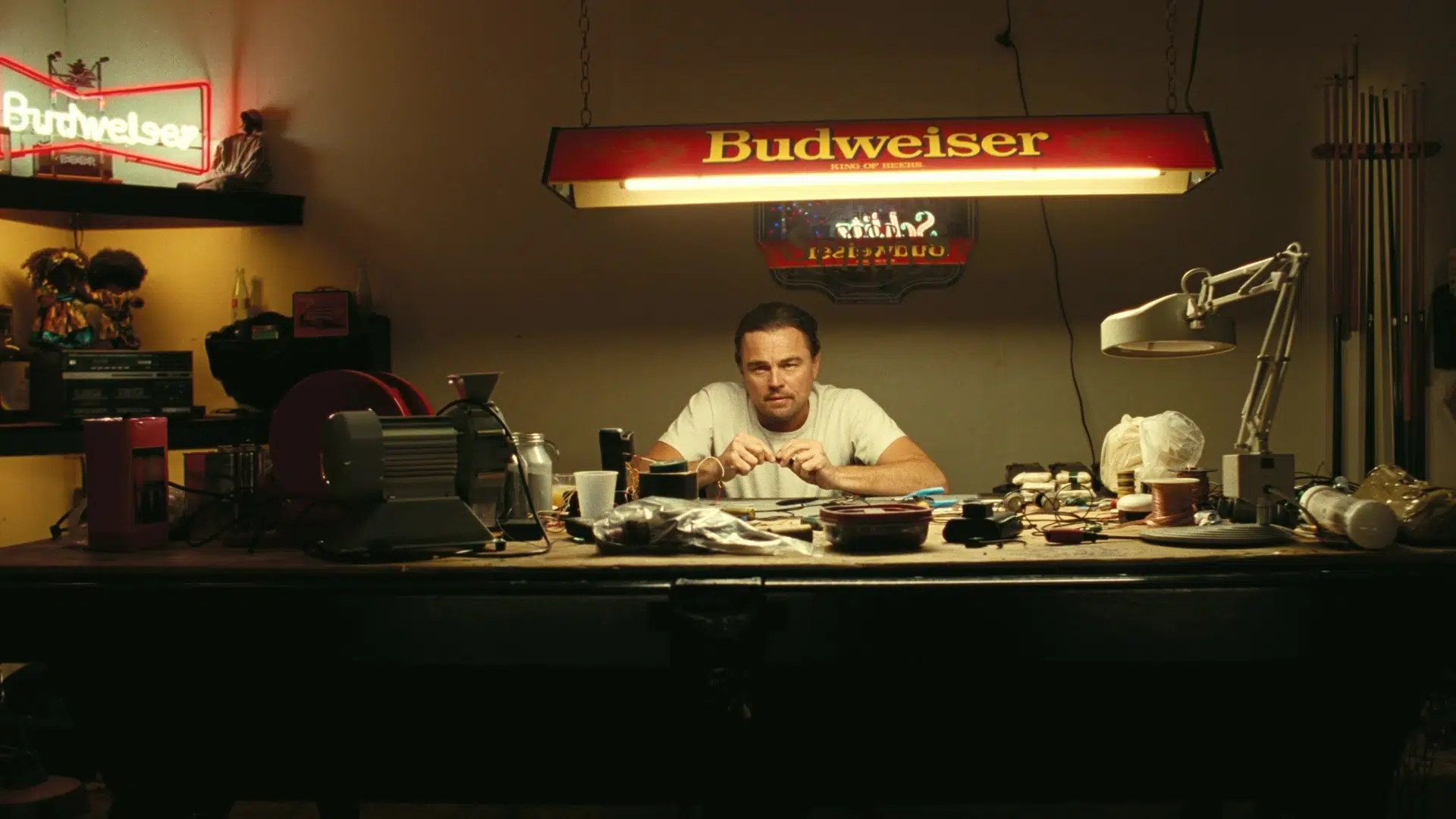
As all new years start, I had resolutions. Behaviours I wanted to change. Outcomes I wanted to manifest. I prepared. I planned. And I was just about to get started when I contracted pneumonia, which anchored me at home for the entire month of February and then some.
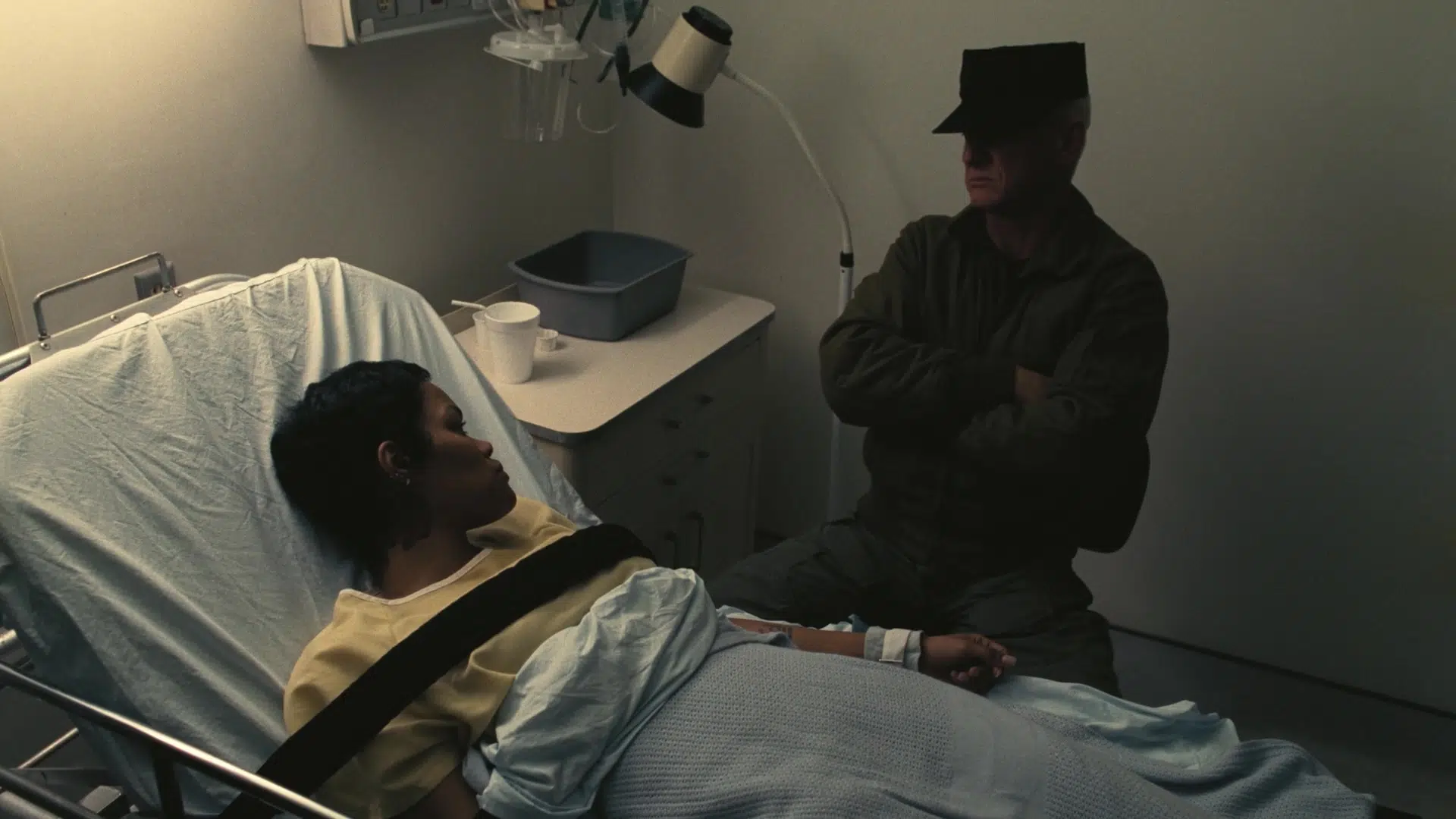
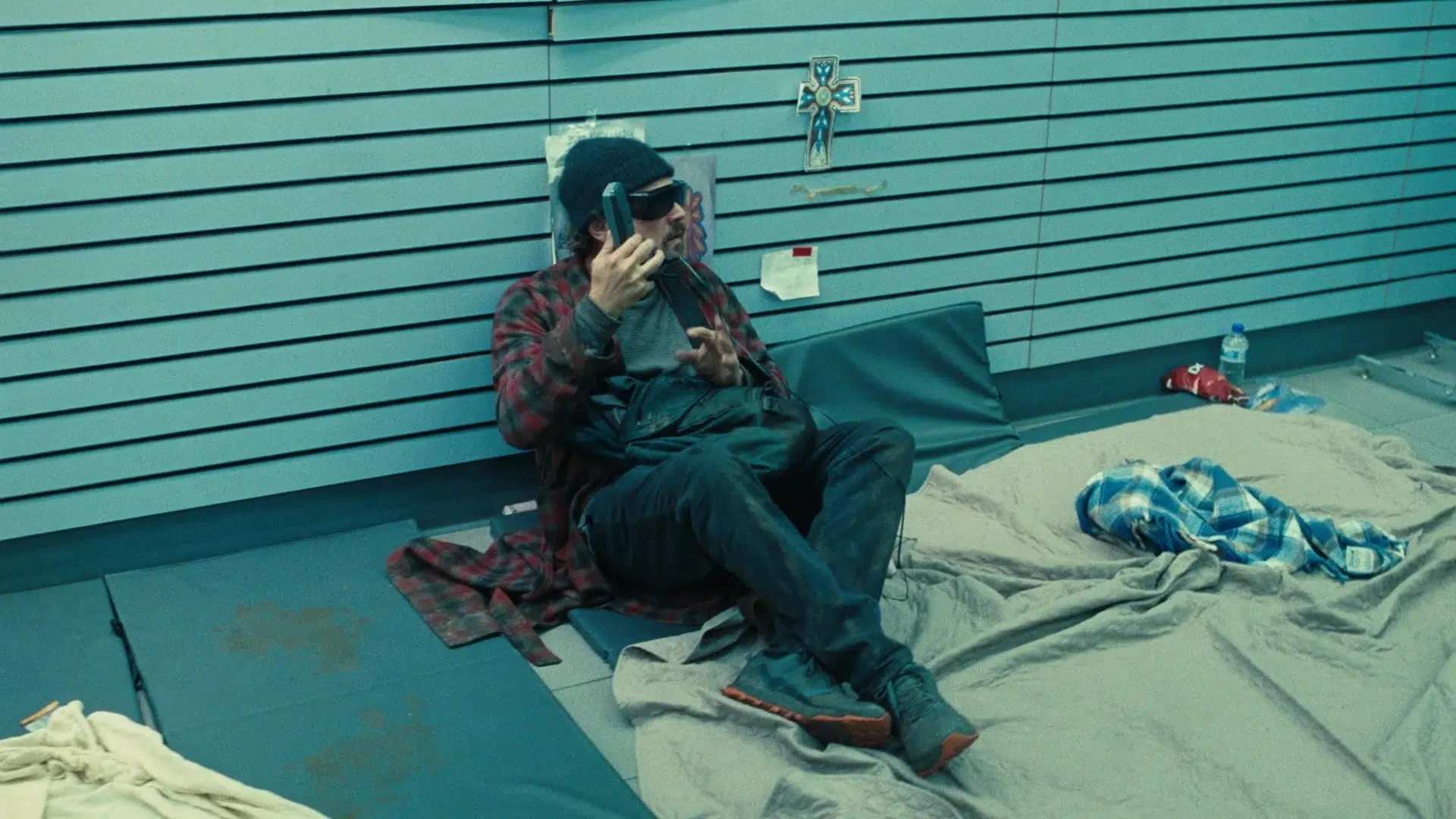
There’s a scene in the film where Bob tries to contact the resistance from a payphone and realizes — too late — that he can’t remember the greeting code. The numbers are there. The phone still works. But the words won’t come. That’s what pneumonia did to my year before it even started: it didn’t destroy my plans outright, it just made me forget how to initiate them.
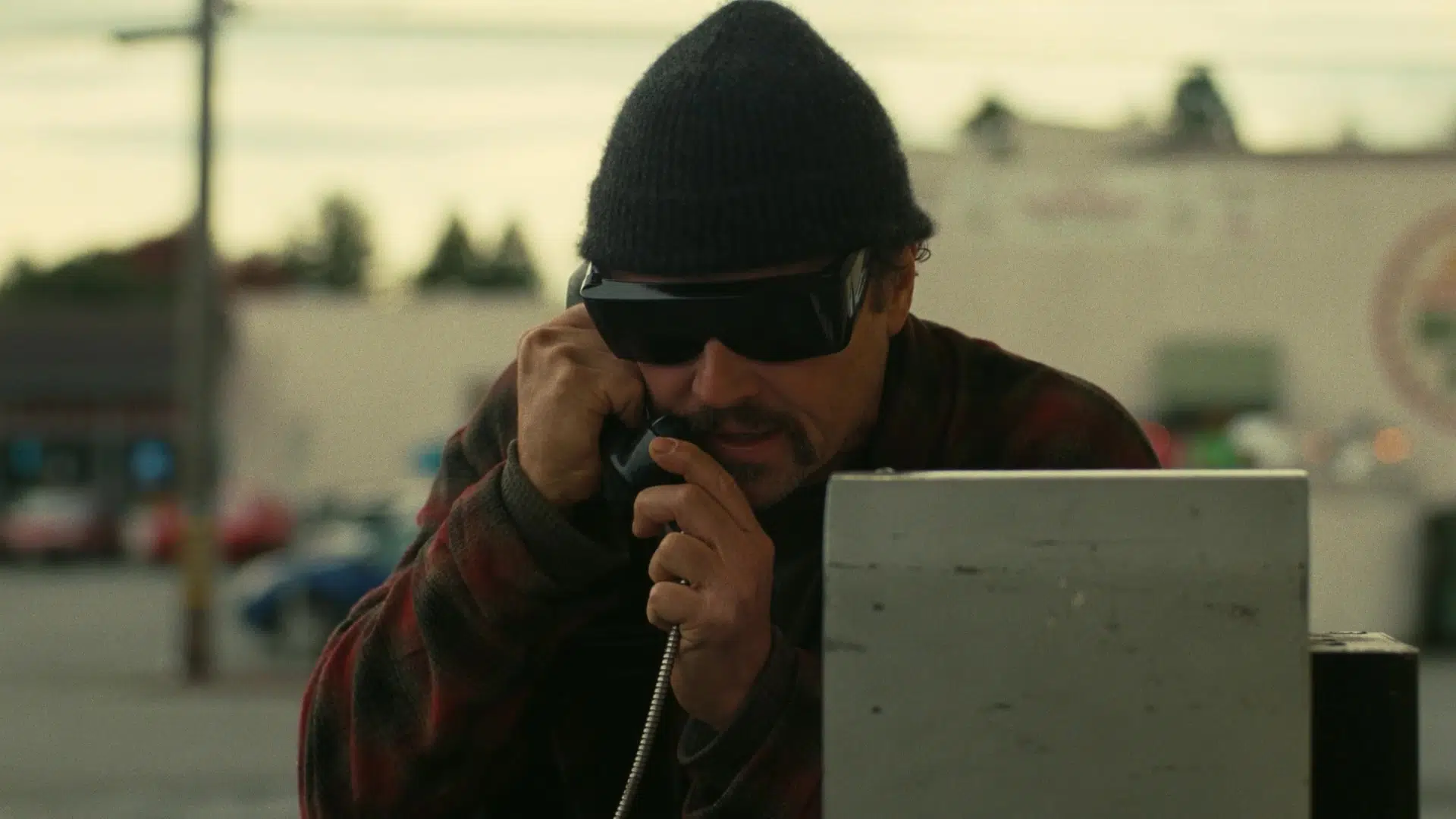
My producing partner and I had spent over a year applying to festivals, trying to land a worthy premiere for my debut short. Month by month, the “not selected” notifications piled up on FilmFreeway. Hundreds and hundreds of dollars in fees, and nothing to show for it.
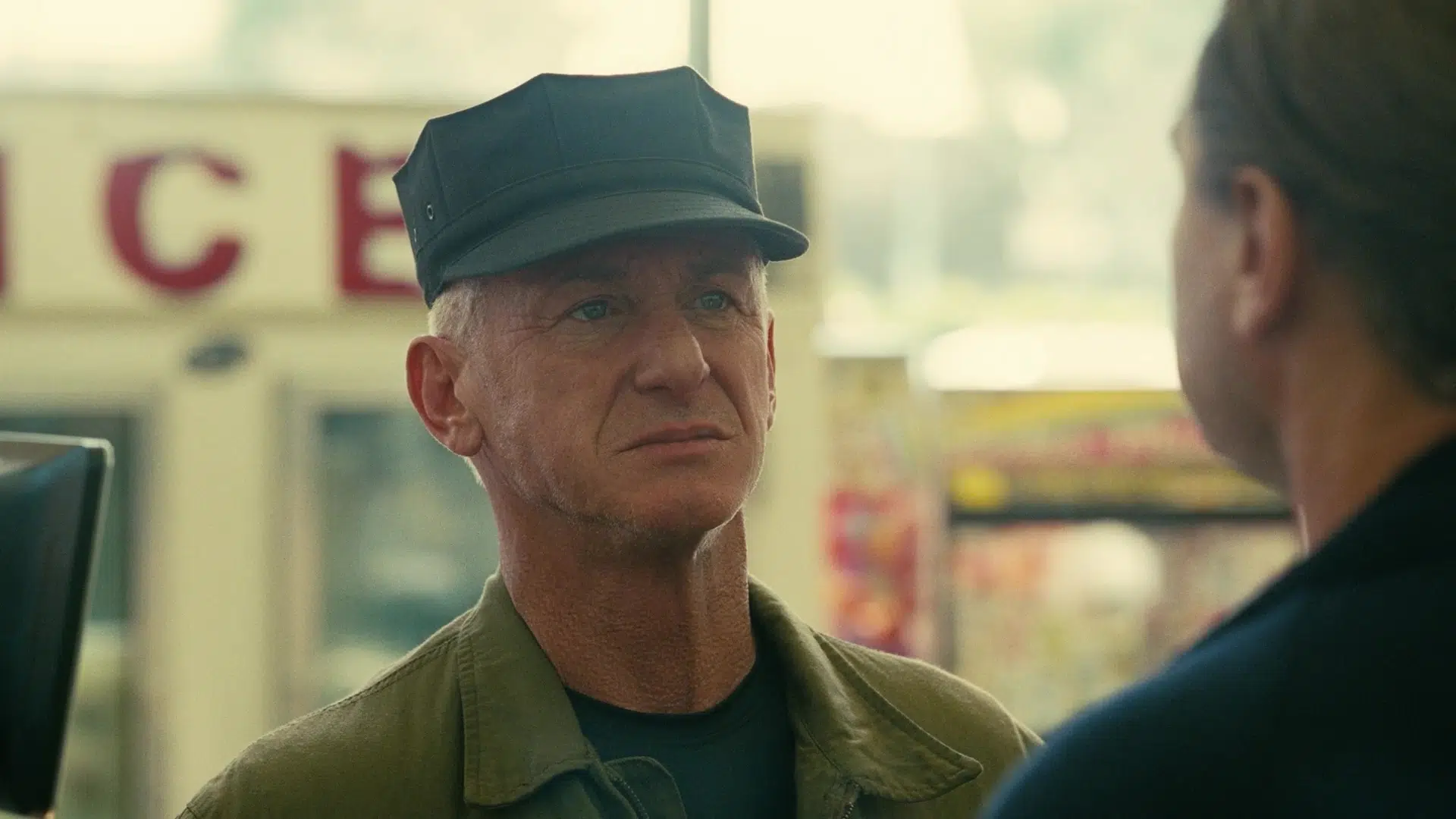
Lockjaw, the film’s antagonist, doesn’t hunt revolutionaries with speeches — instead, he uses paperwork, stealth raids, and quiet authorizations that erase people without spectacle. Watching those notifications pile up felt like that same kind of violence: impersonal, procedural, impossible to appeal. No villain to curse. Just a system doing exactly what it was designed to do.
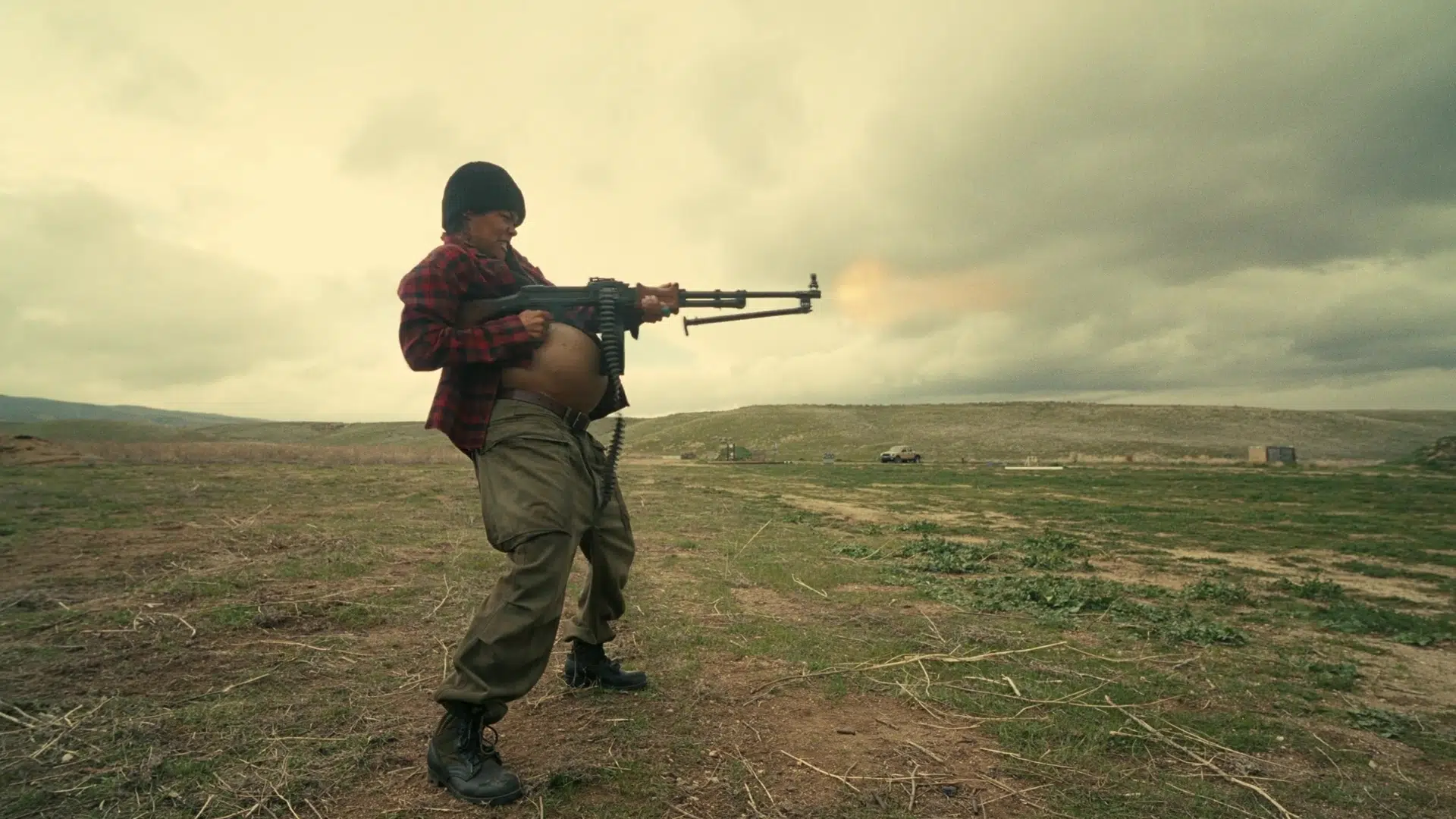
Around the same time, my producing partner had a child and went deep into maternity leave. She’d been my strongest connection to on-set day calls. Without her working, neither was I.
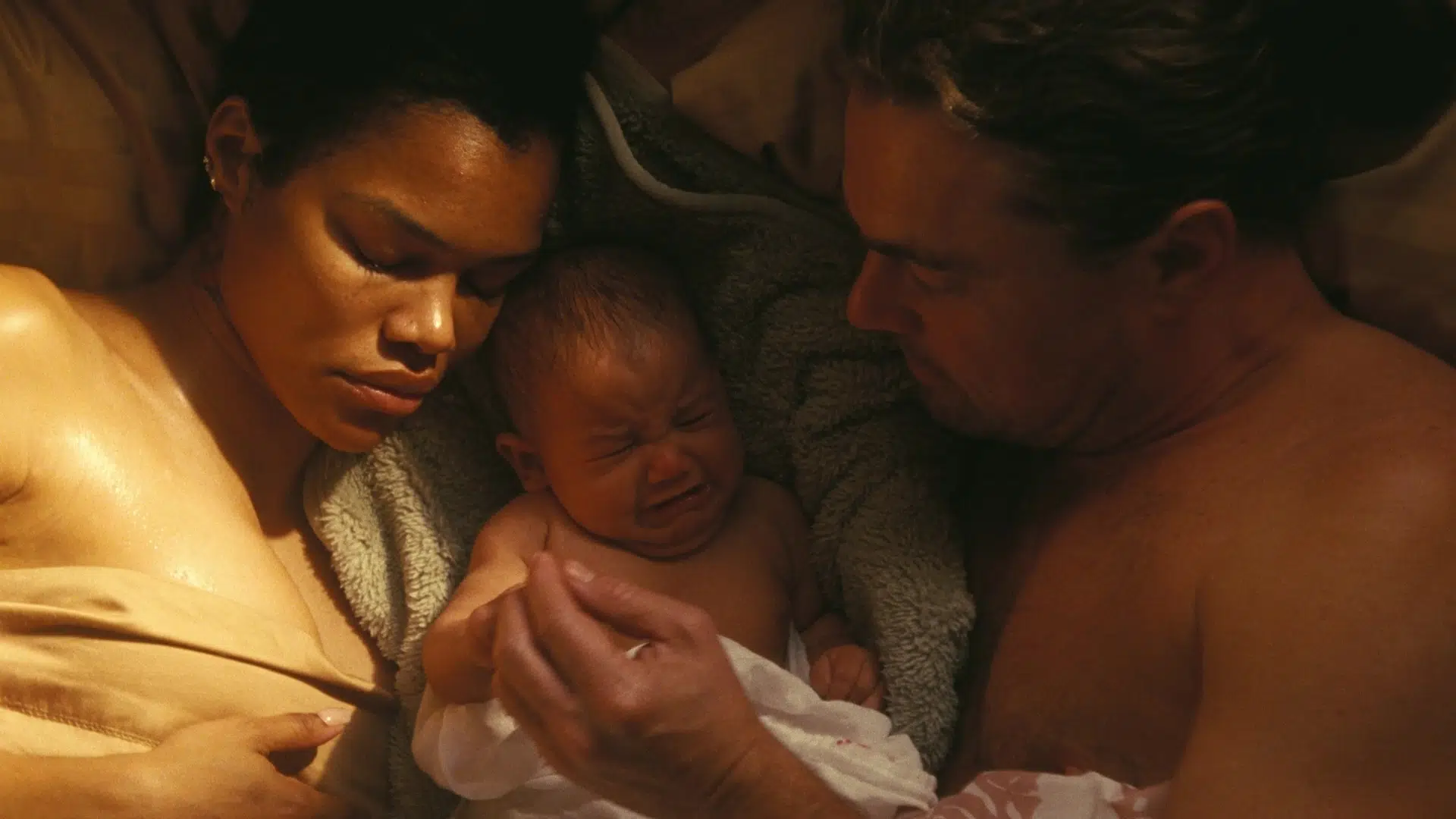
We were also still reeling from the election, which rippled through my other job building and tearing down concert stages at Rogers Arena. Fewer artists were willing to cross borders. Vancouver quietly vanished from tour schedules. The few that did make it through often lost crew at the border — sometimes key ones. You can imagine how those setups went.
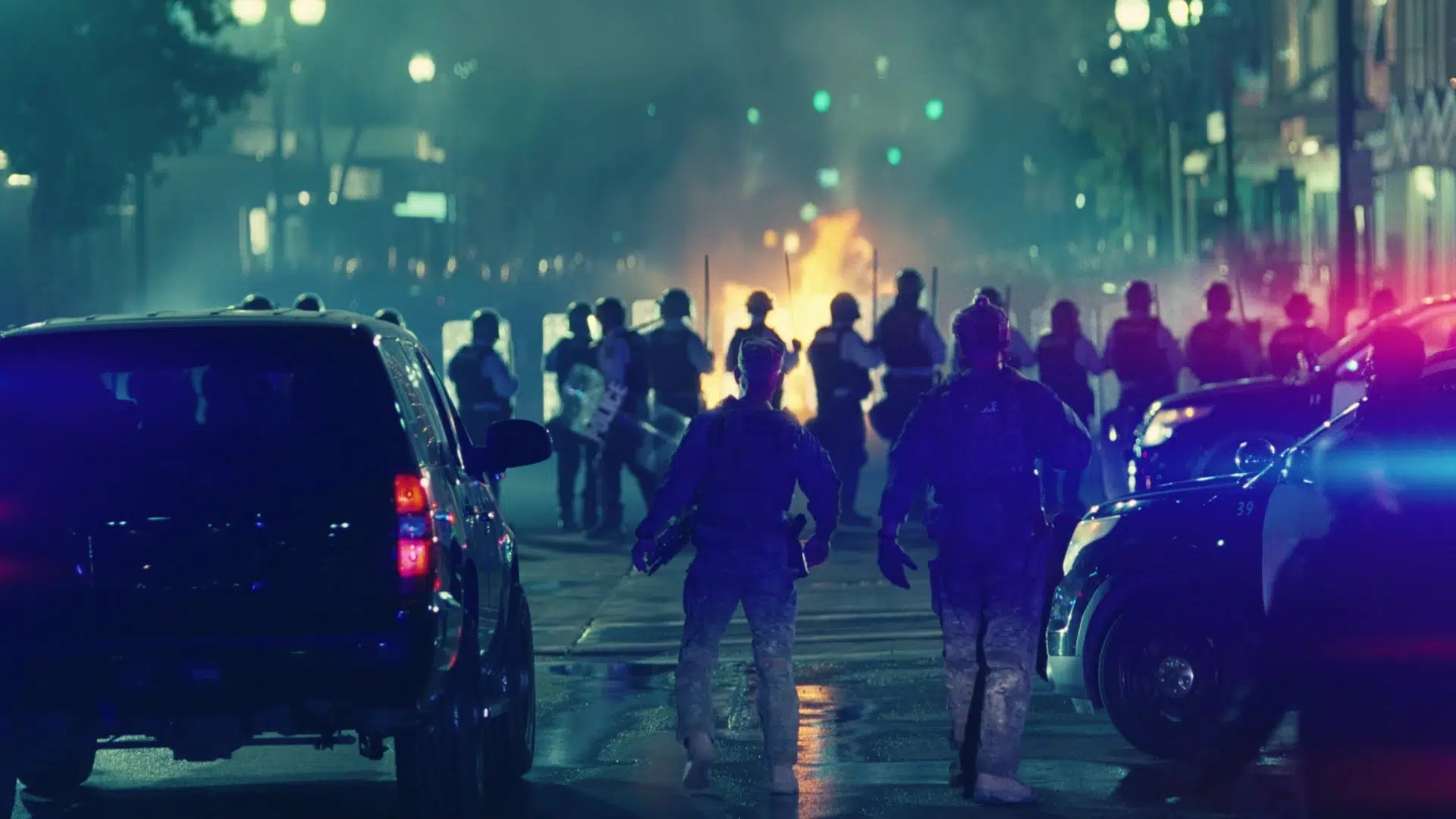
One Battle After Another understands that modern conflict rarely looks like open warfare. It looks like borders tightening. It looks like people disappearing at checkpoints. It looks like entire cities quietly falling off the map because crossing into them has become too risky or too expensive. Watching Vancouver get erased from tour schedules felt like living inside one of the film’s background montages — damage inflicted without anyone ever declaring war.
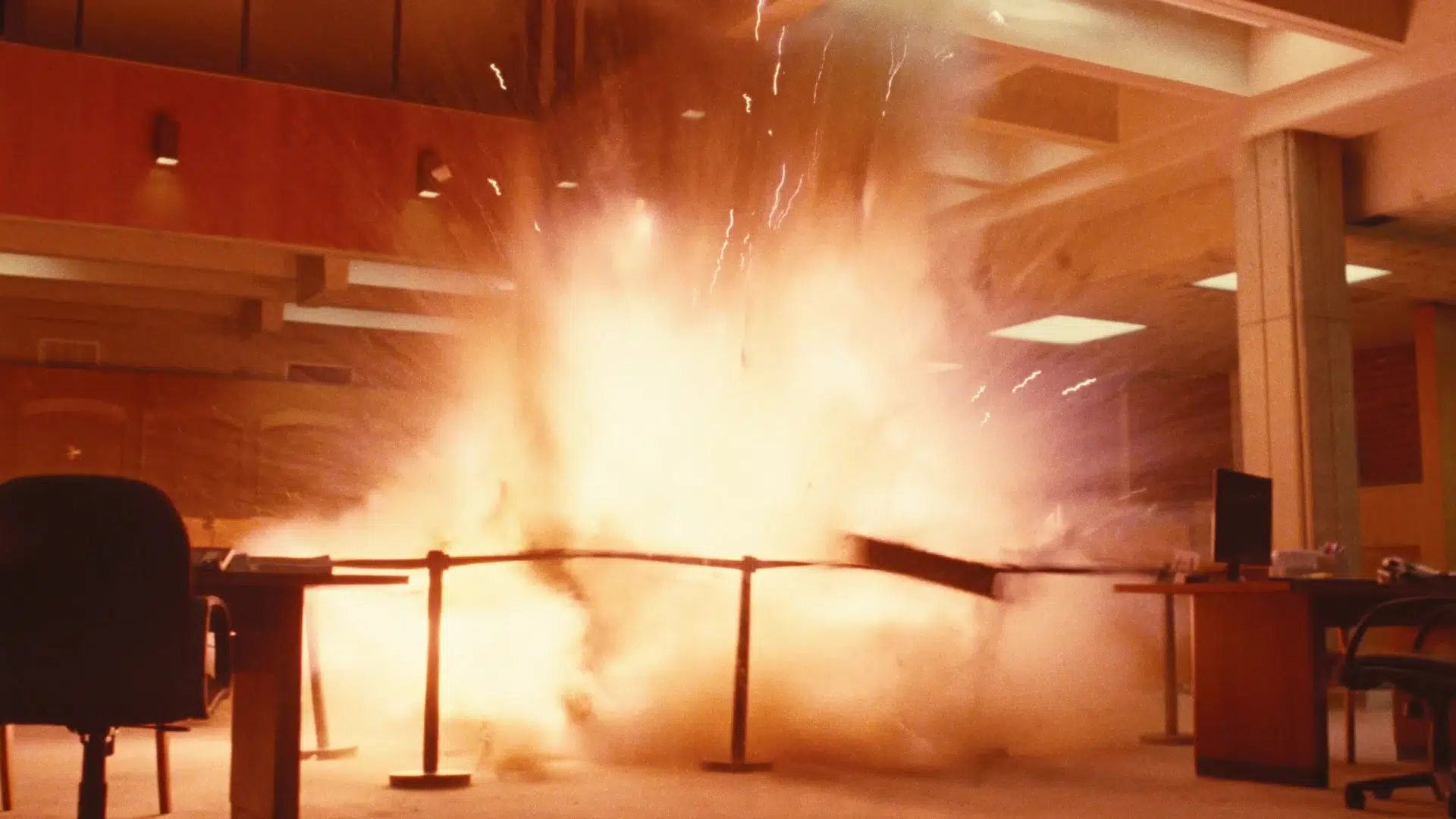
Then, mercifully, hockey came to save me. The Four Nations Face-Off flipped the one patriotic switch I have left, and Canada’s overtime comeback against the U.S. in the gold-medal game gave me a badly needed jolt of life.
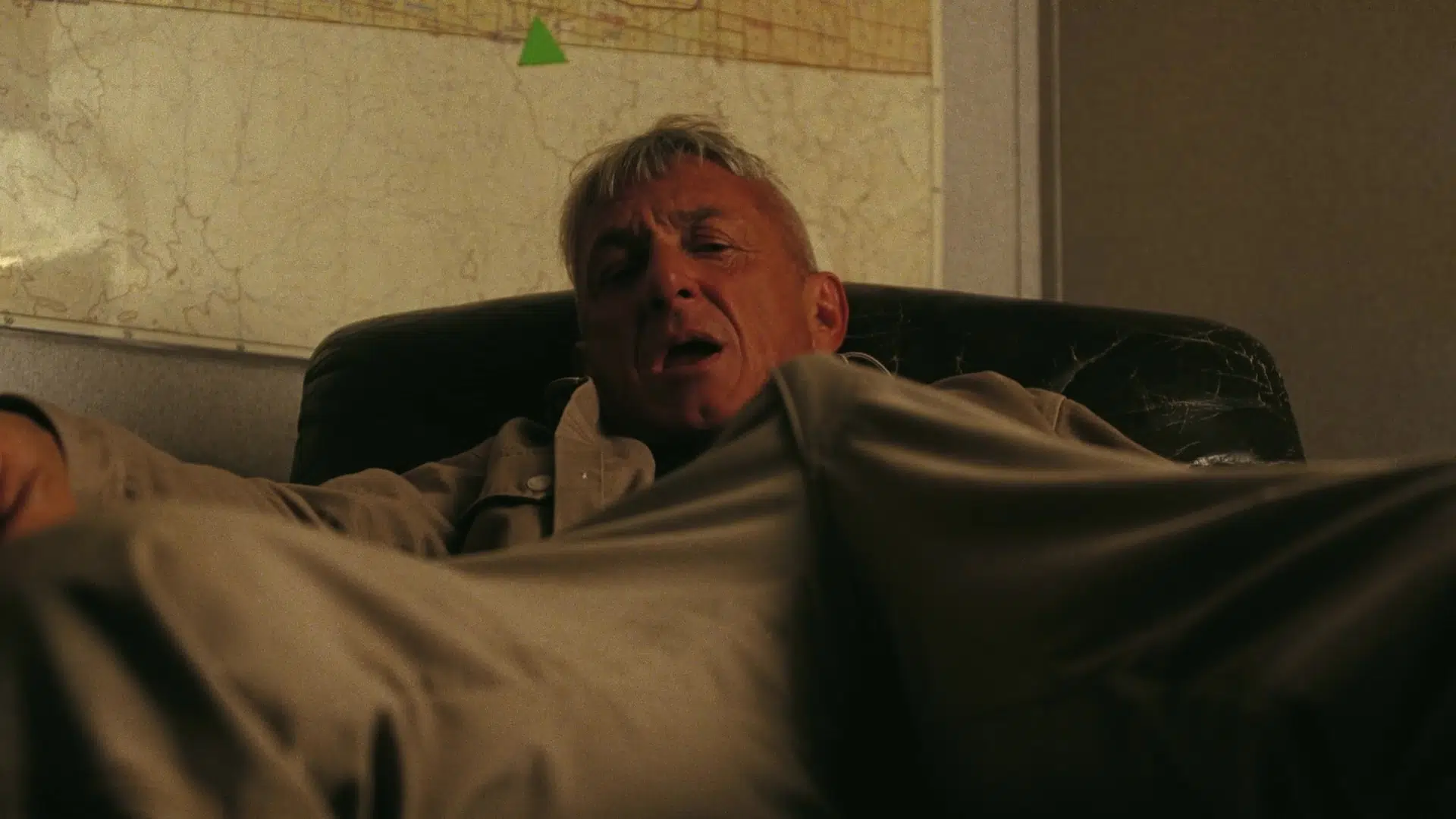
Not long after that, I became a Verified Critic on Peliplat. After years of writing scripts and outlines that kept getting sidelined while I tried to get my last project seen, I finally had a place to channel my energy where I felt seen and appreciated.
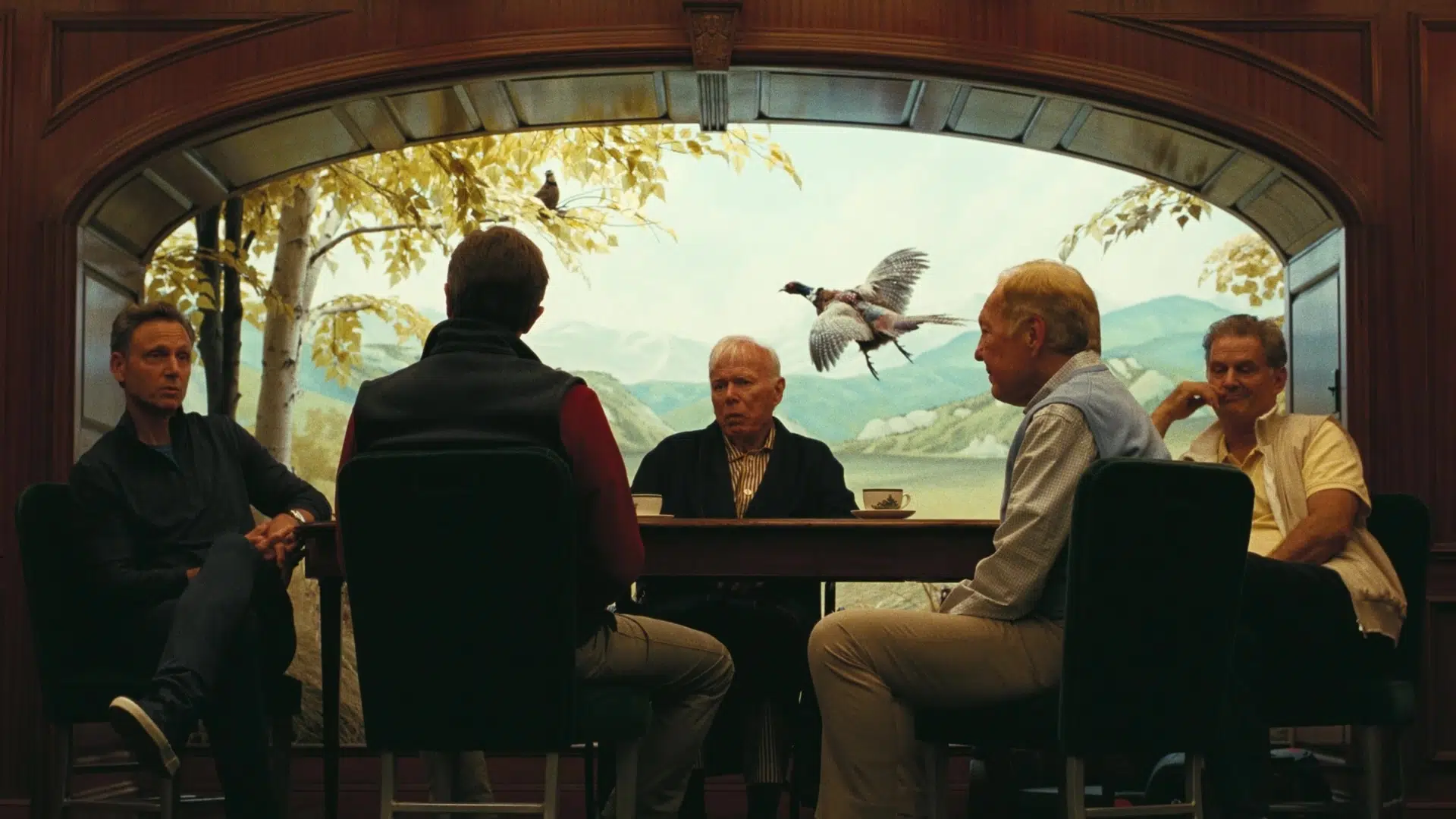
In the film, the French 75 don’t reunite with banners or speeches — they reappear in fragments, through half-remembered connections and unexpected signals. Peliplat felt like that for me. Proof the signal was still being received somewhere.
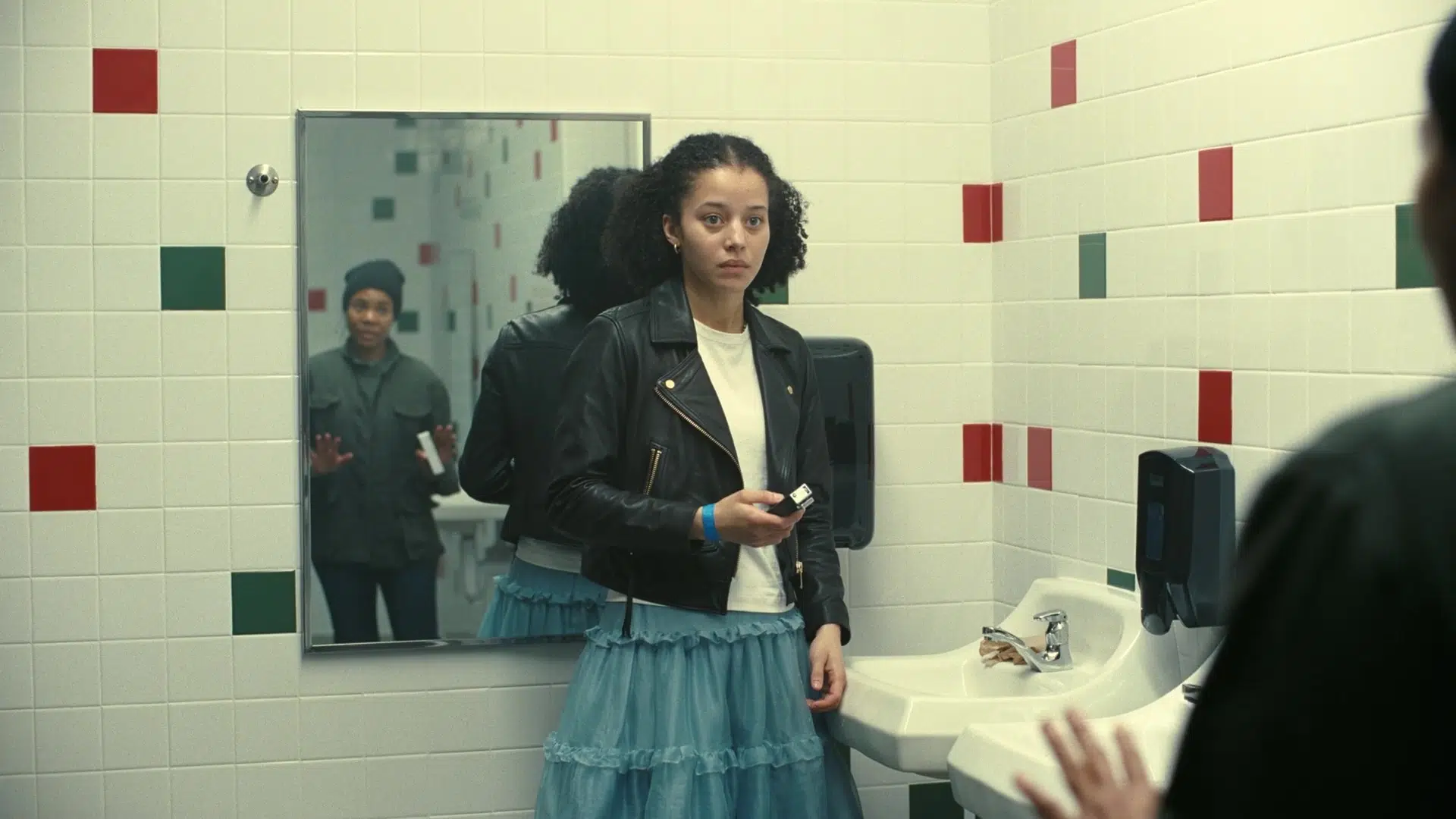
I’d been writing on Letterboxd for nearly a decade, but the platform had shifted toward short-form quips and post-Twitter energy. What I wanted to contribute no longer felt like it belonged there. Peliplat gave me room to breathe — to go long or stay loose, to tell the stories I actually wanted to tell. AND WITH IMAGES!!! We all know how much I love images.
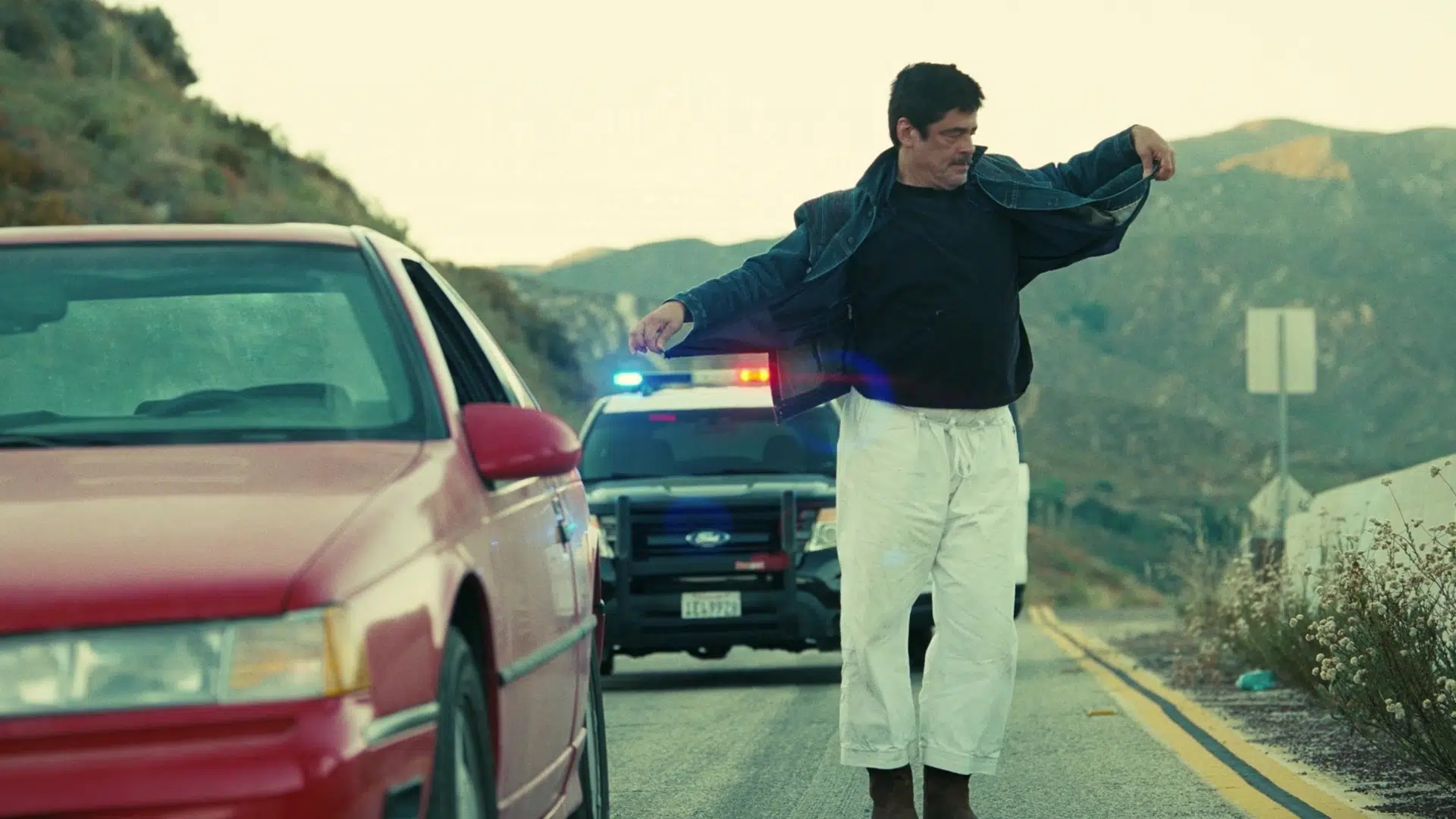
That spring, I was diagnosed with ADHD and re-evaluated for depression. Cue the medication shuffle: dose changes, side effects, missed meals, anxiety spikes, cold sweats, nausea, and all that fun stuff. Instead of manifesting my dream life, I was barely keeping my head above water.
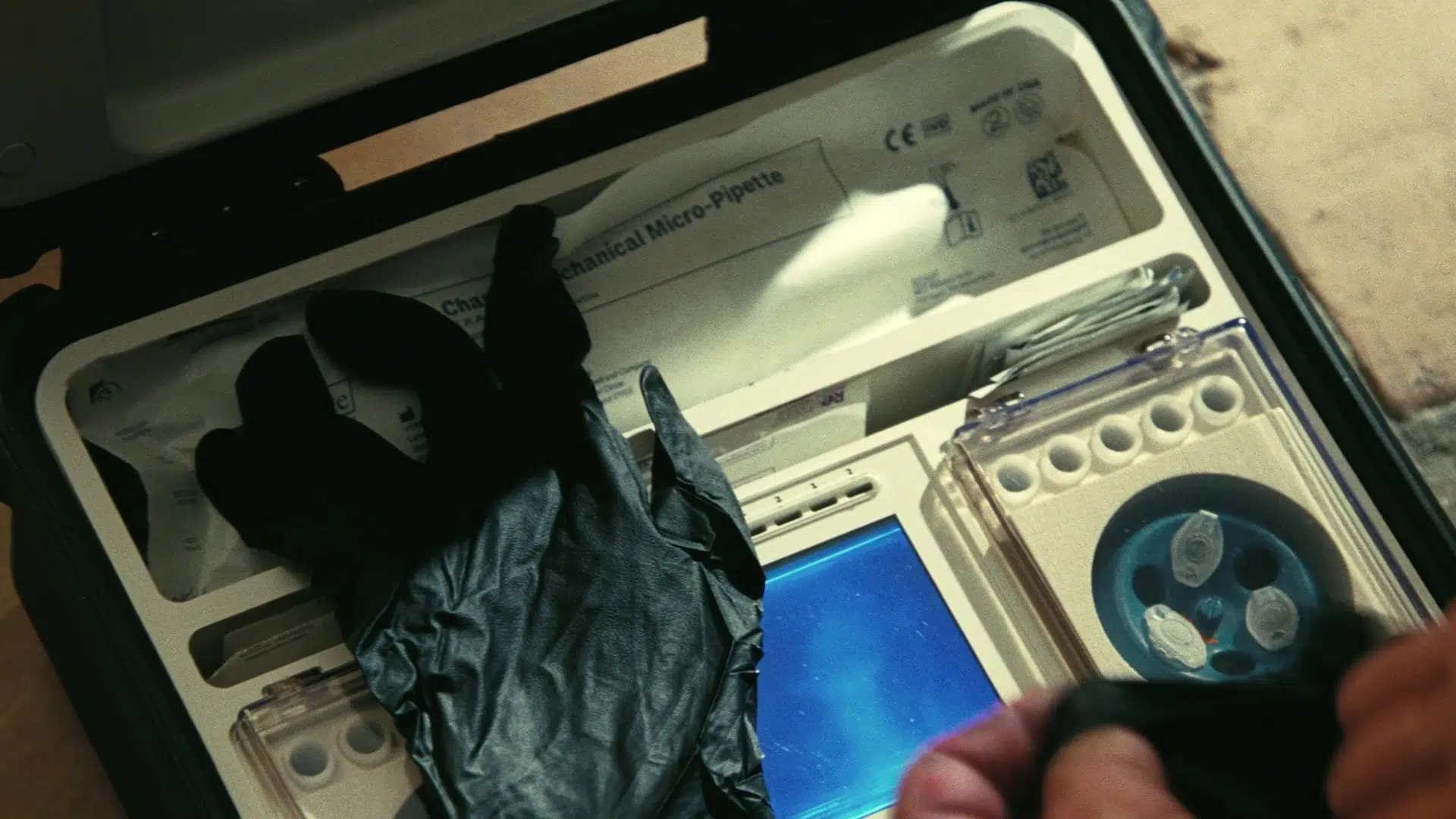
PTA’s film never treats survival as a failure of imagination. Survival is the thesis. Bob doesn’t get better — he gets functional. Clear-headed enough to show up when it matters. That reframing saved me this year. I stopped asking whether I was thriving and started asking whether I was still in the game.
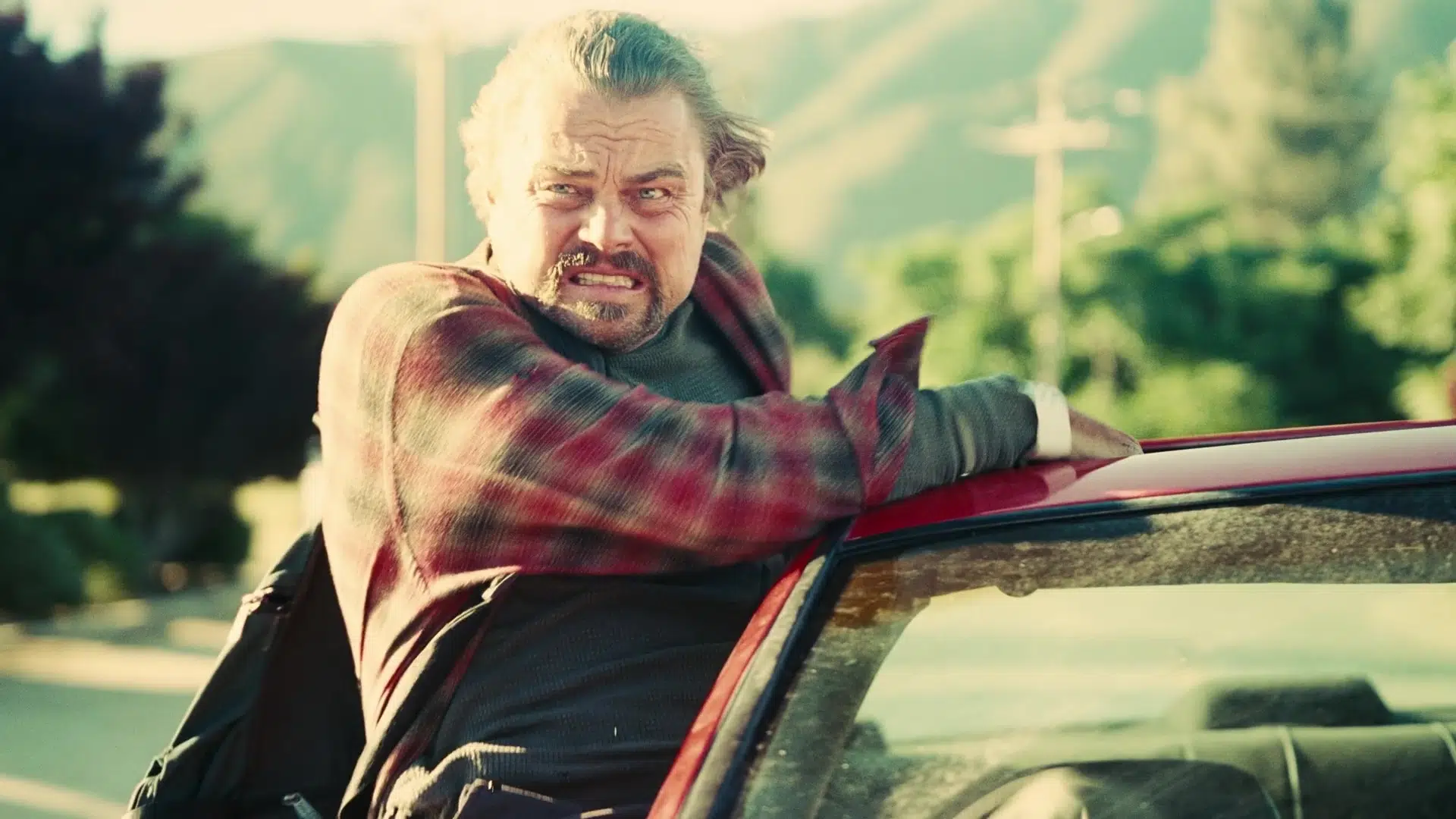
Writing regularly helped. I found my voice again. I placed in challenges, won some money, and built momentum. Then the Oilers made it back to the Stanley Cup Final — and promptly broke my heart again. Soon after, two of my best friends moved across the country.
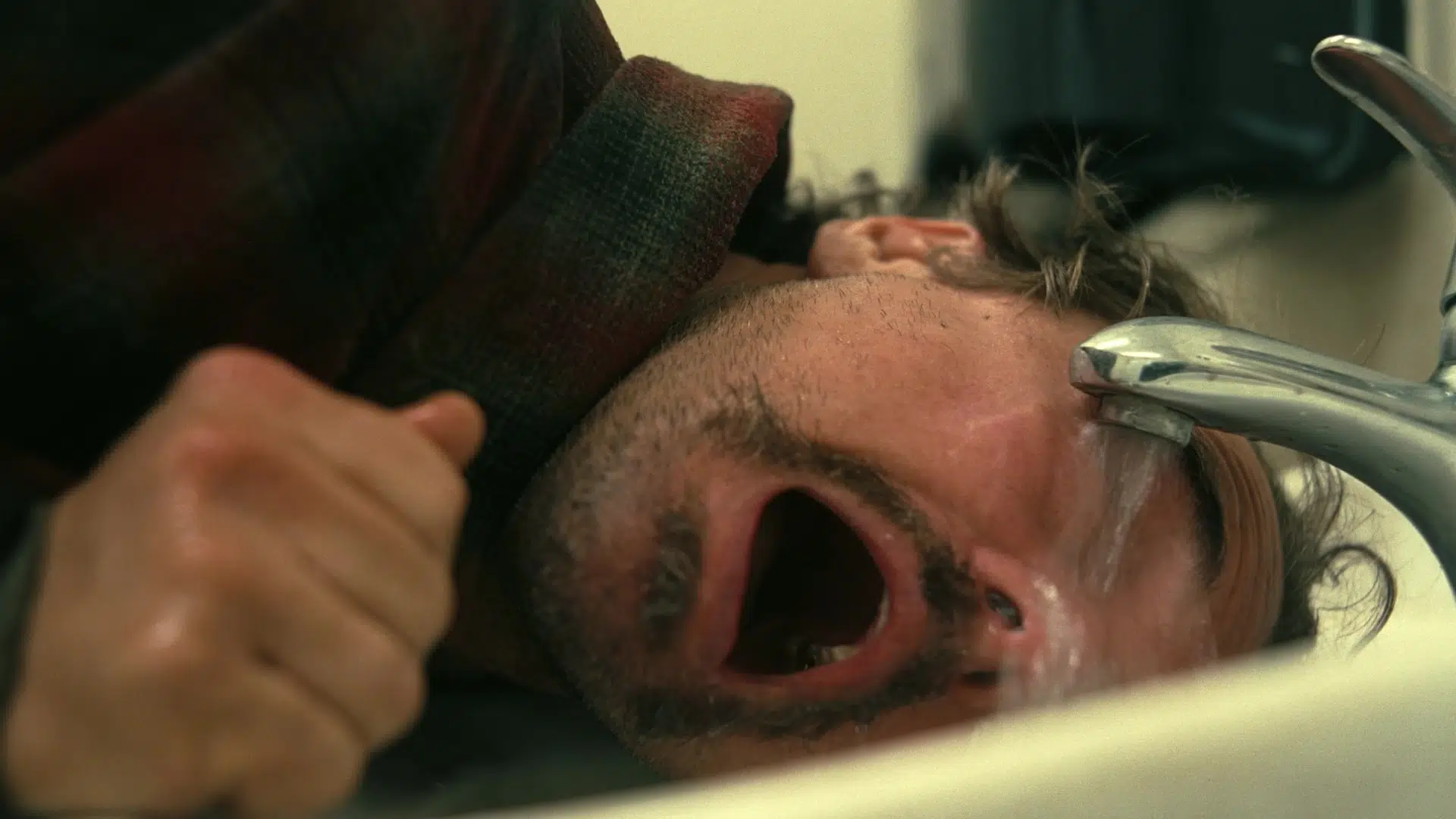
Work picked up over the summer, and my bank account breathed a sigh of relief. I applied to the Catalyst Program again and landed an interview. The same day as my interview, my short was accepted into the Abbotsford Film Festival — Canadian Screen Awards qualifying — and at won Audience Choice against some serious competition, including a Cannes-selected short starring Michael Gandolfini..
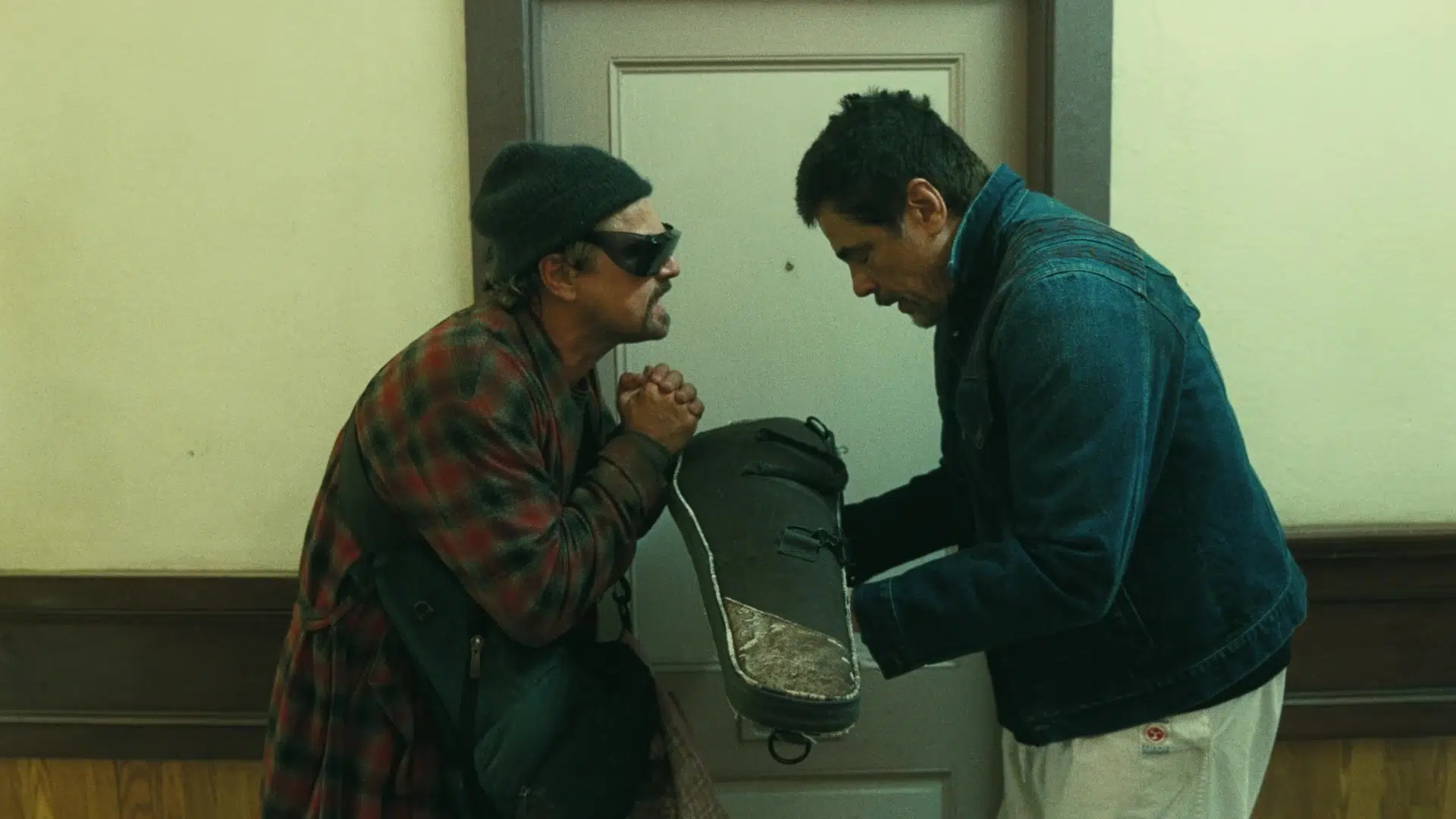
The film understands that wins don’t come as sweeping change. They come as narrow escapes. Someone gets out. Someone lives. Someone makes it to the next scene — even if limping. That win reminded me the connection was real — that the work still reached people. That mattered more than scale. When PTA was my age, he was making Boogie Nights. But we can’t all be PTA, and that’s okay. Everyone is on their own timeline.
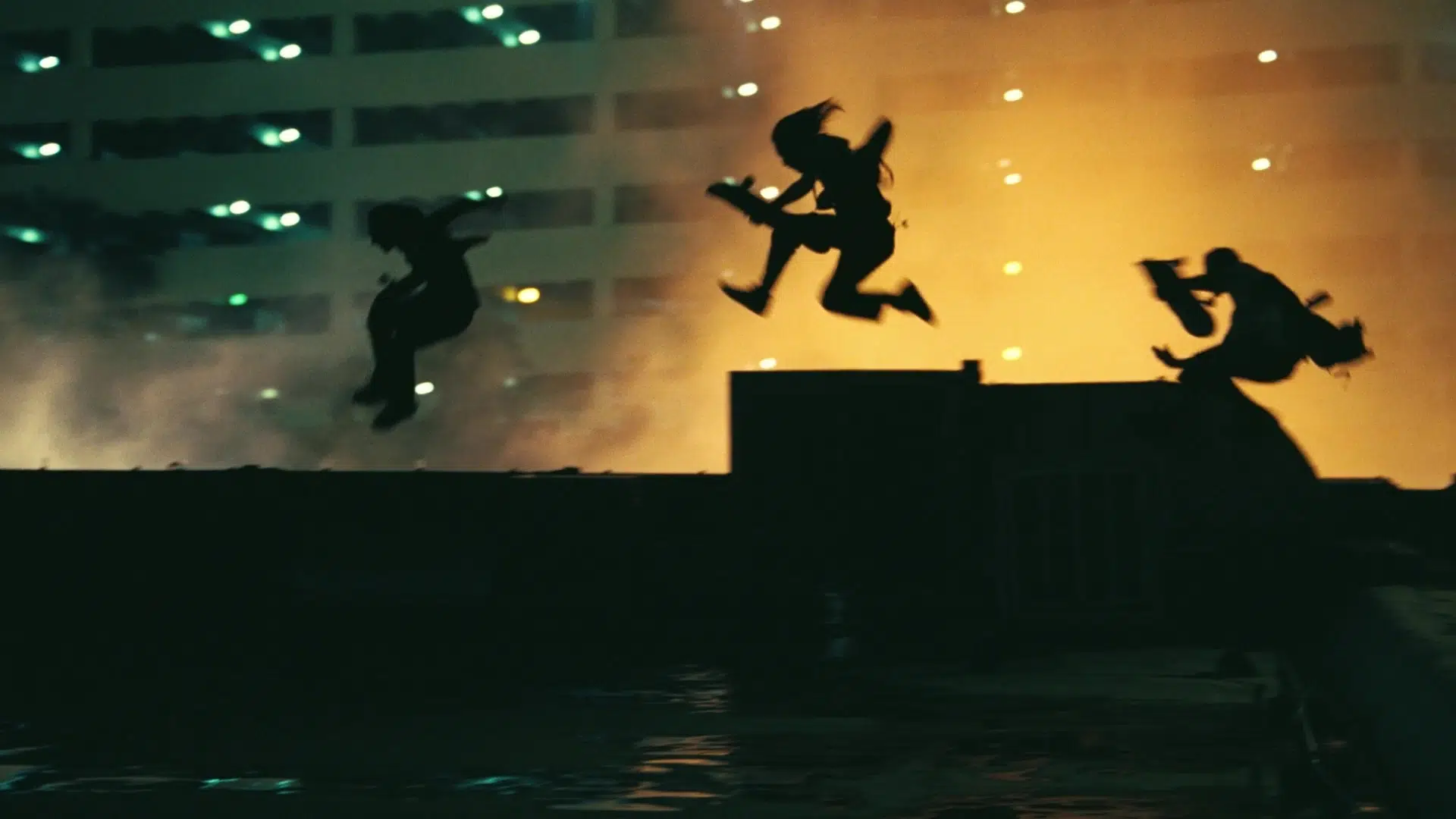
I didn’t get into the VIFF Catalyst program this year, but I was encouraged to apply again. The Abbotsford award will be hanging beneath the buckle come next year.
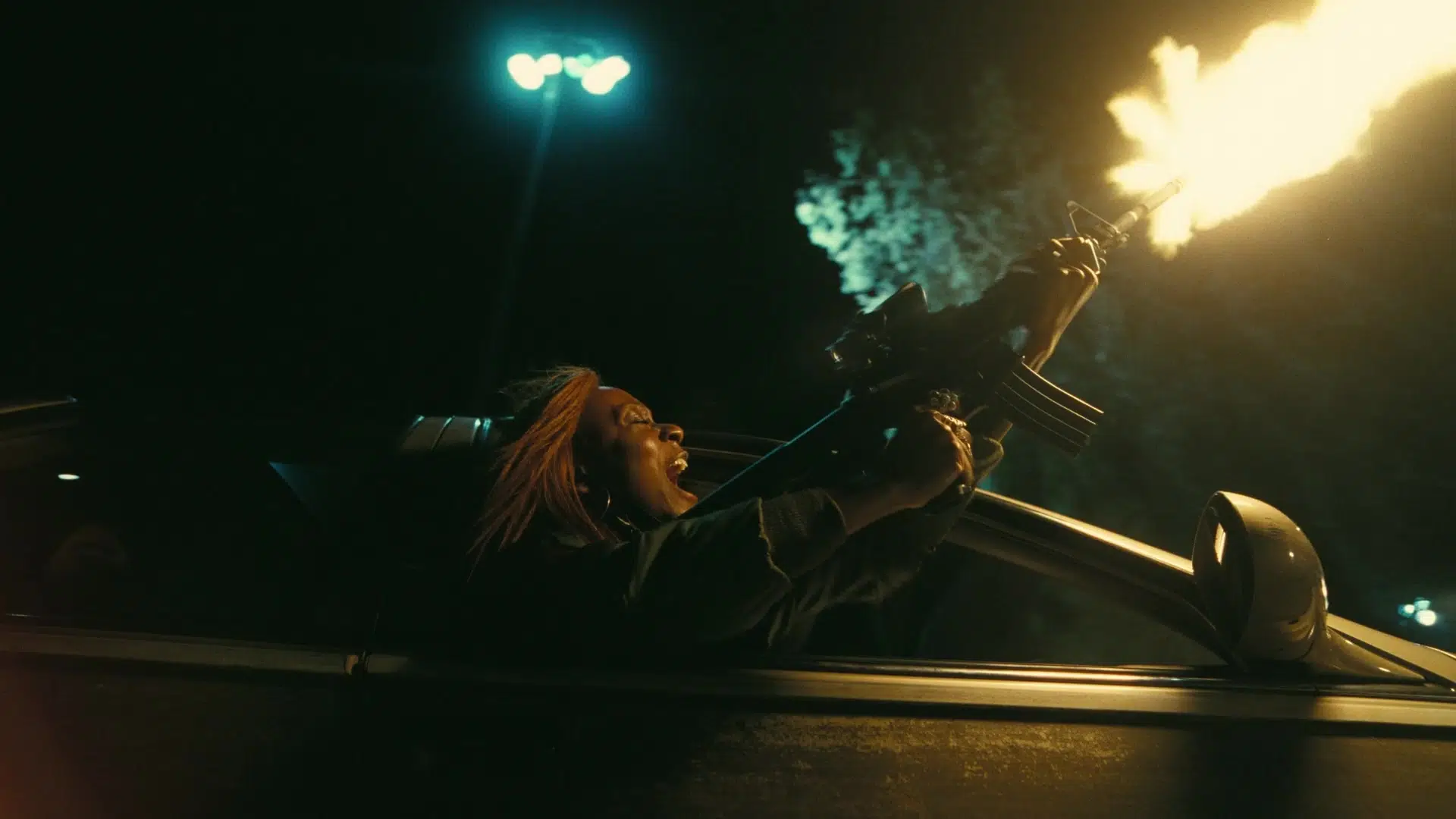
Then came VIFF itself — my favourite week of the year. I was set to attend as a sponsor passholder for Discorder Magazine. Rookie mistake: I waited until day one to pick up my pass. Someone from CiTR had already grabbed the sponsor box and divvied everything up. There was nothing left for me. I went home in a slump: sure I would miss Day 1 of the festival — unsure I would get to see any films at all.
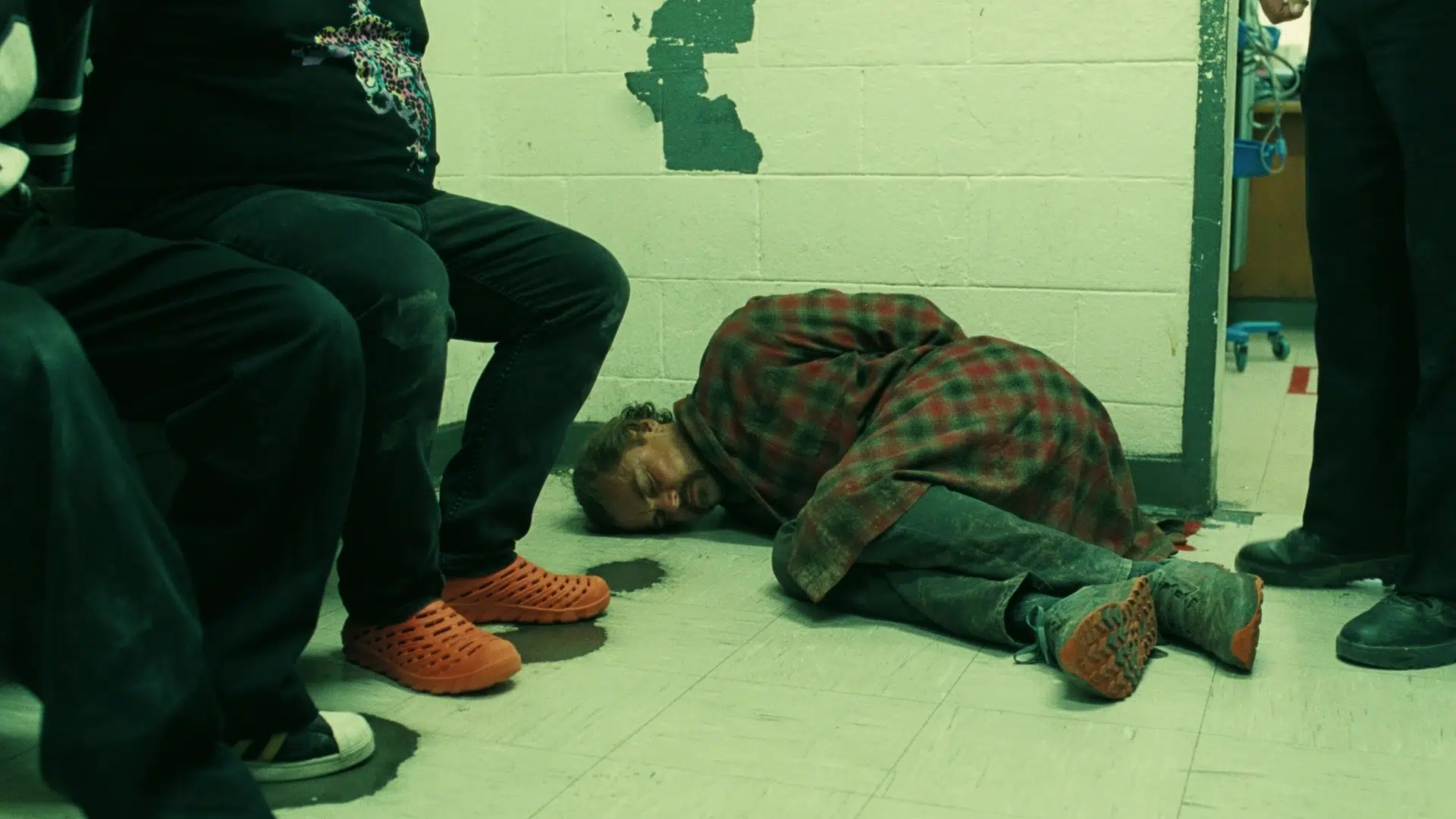
There’s a running joke in One Battle After Another about how no one ever has the right credentials when they need them. Doors open late. Access is misassigned. The people who belong somewhere are constantly being told they don’t. Losing my VIFF pass felt absurdly on-theme.
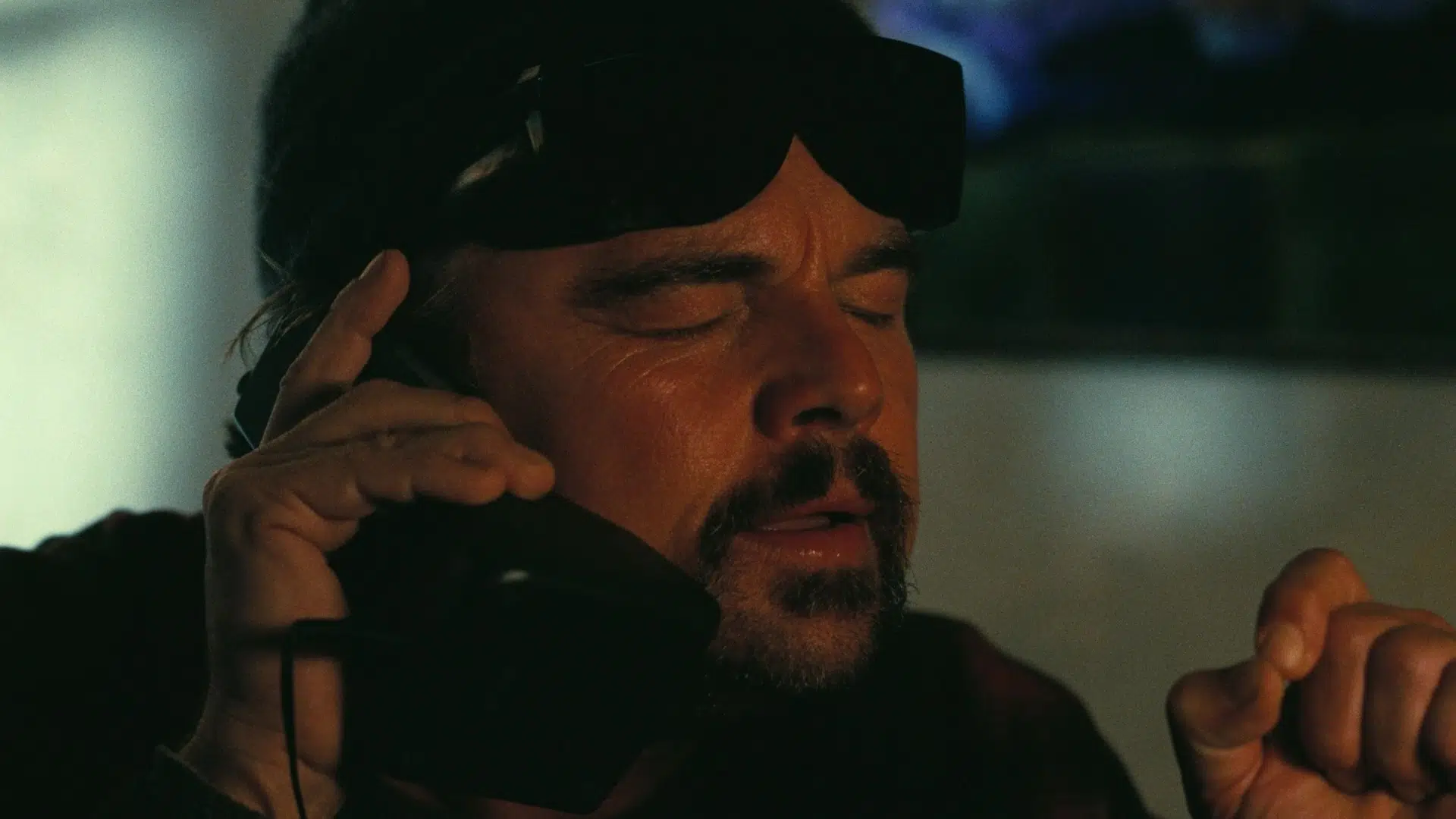
My editor and savior (love you, Tash <3) pulled some strings to finesse me an extra pass on day two. It was an adrenaline shot straight to the soul — just in time too, because not long after, my girlfriend and I broke up. No betrayal. No explosion. No bad blood. Just timing, exhaustion, and the future coming up faster than we were ready for.
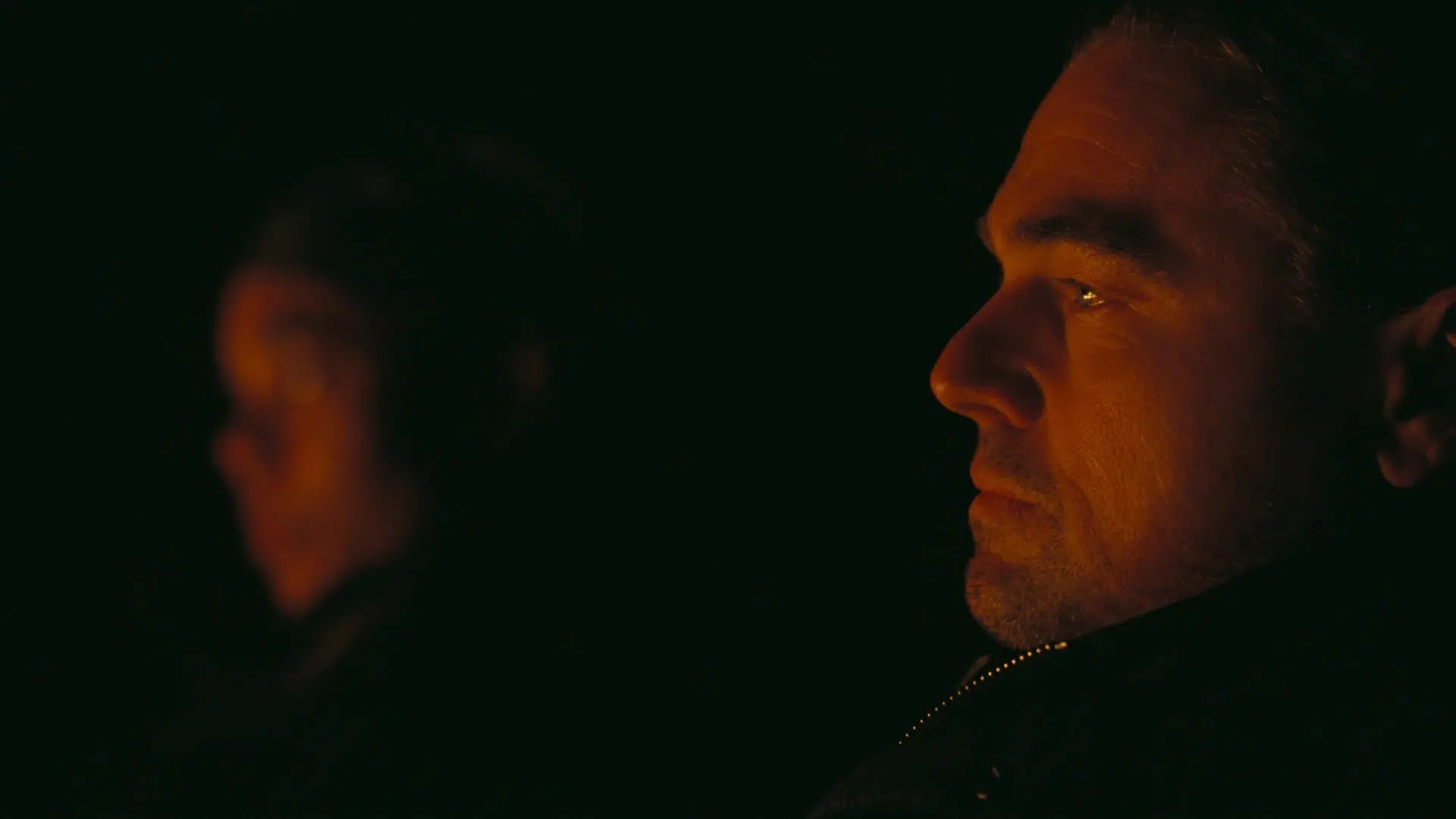
One of the quiet tragedies in the film is how many relationships don’t survive the long war. Some separations aren’t anyone’s fault; they’re just the cost of staying alive through the wrong chapter. Losing that relationship felt like another casualty of the year — not a moral failure, just something the fighting took from me.
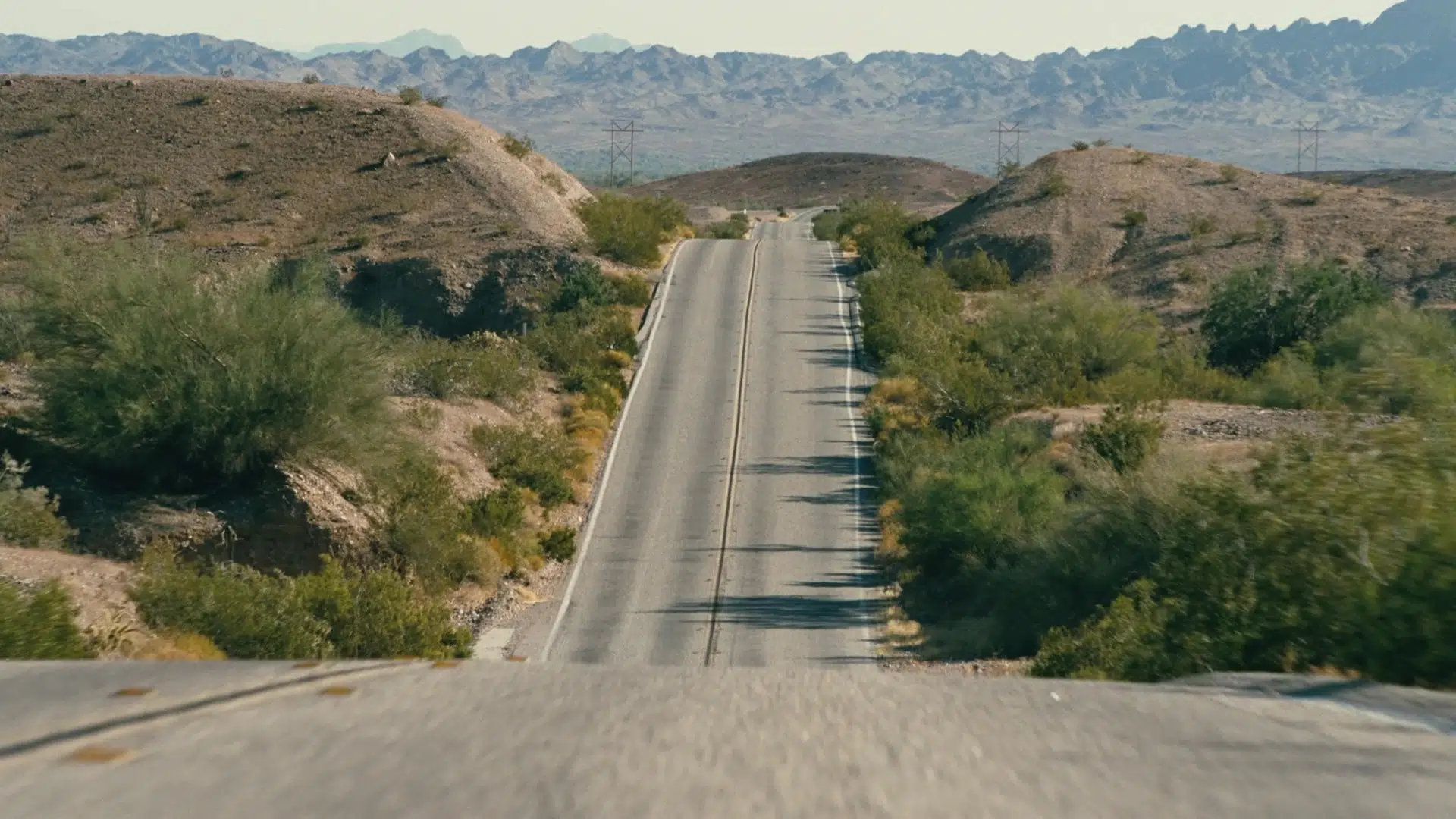
The rest of the year has been a slow upward creep. A few scares. A few expenses. A lot of ambient dread about AI, politics, and the state of the film industry. But things have held, and now the only battle left is the stress of the holidays and the ever-present Seasonal Affective Disorder. But that’s just life — and the thing about life is it never stops. At least, not until you’re dead.
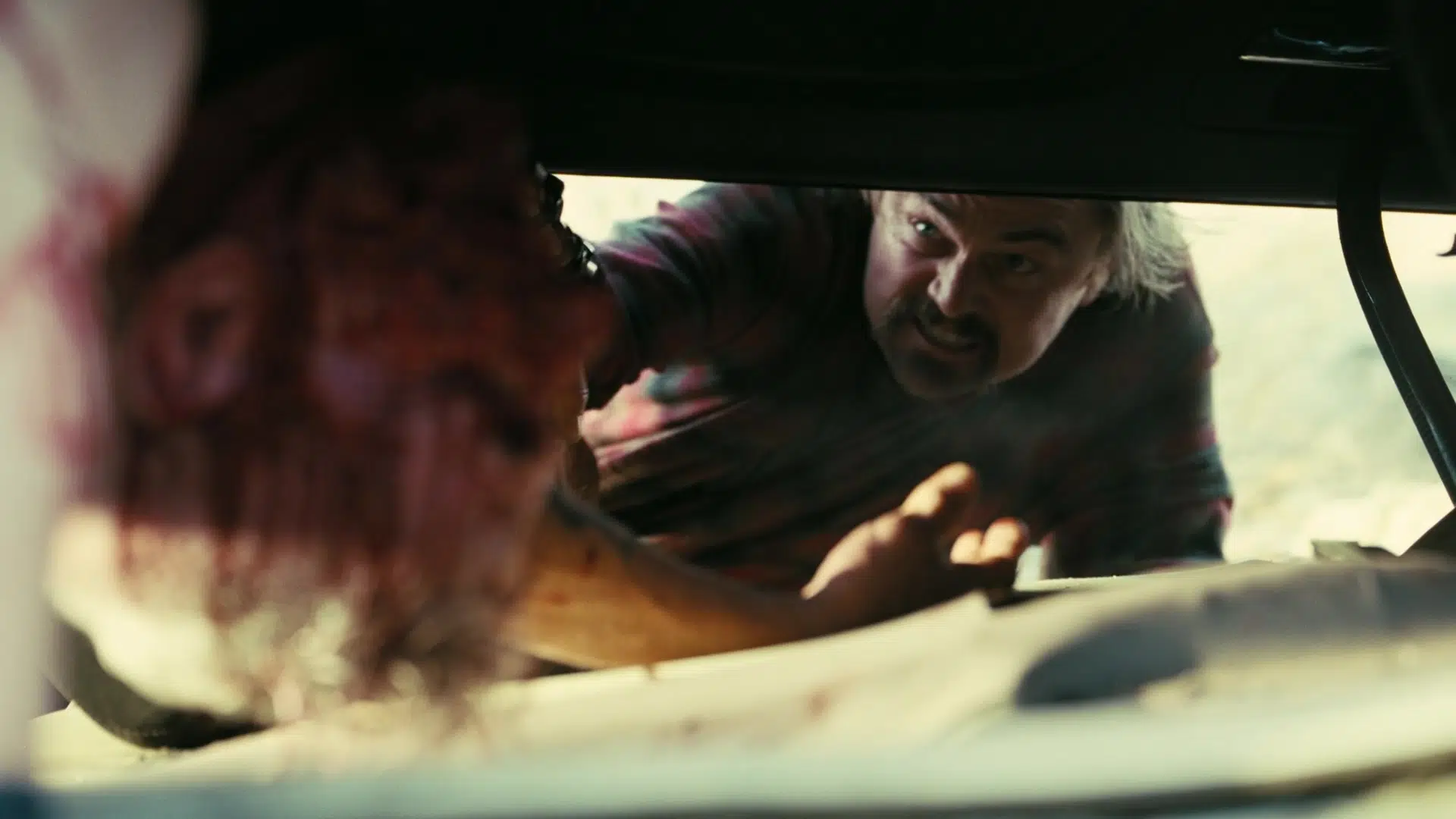
One Battle After Another ends without pretending the war is over. Lockjaw may be dead, but the machine that made him isn’t. The new generation steps forward not because they’re ready, but because someone has to — and that’s the lesson 2025 drilled into me. There’s no final battle, only the choice, every time the walkie crackles back to life, to answer it or not.
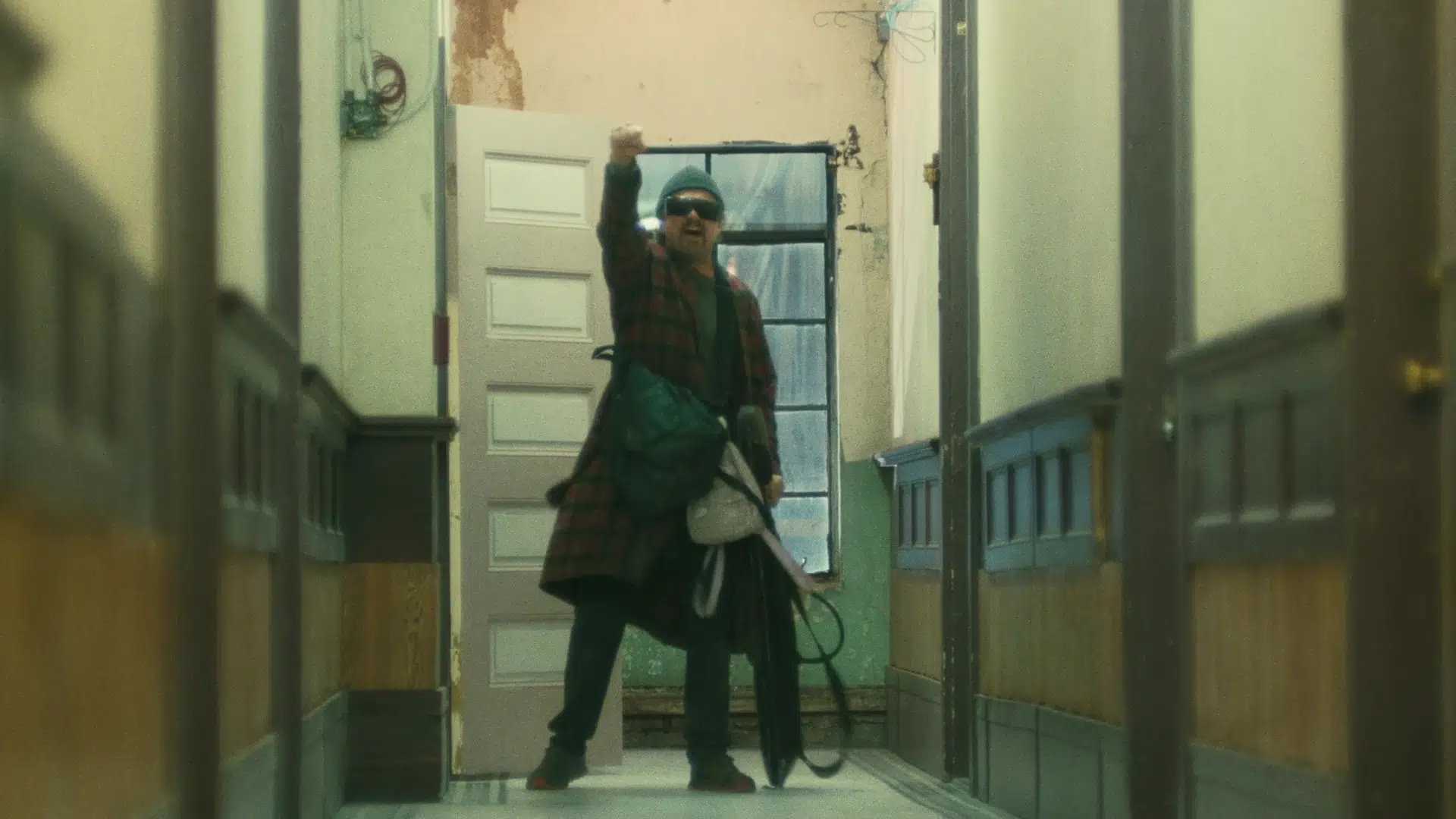
Viva la Revolución.





Share your thoughts!
Be the first to start the conversation.