
Nothing brings me more satisfaction than reading the original book after watching the movie. My logic is: if the movie is good, then so is the book. I don’t mind the differences; I see a movie as a completely new creative piece. If you see potential in a different ending, then be it — not everything that works in a book will work equally well on screen. And plenty of my favourite movies are based on novellas that, in my opinion, didn’t make ideal adaptations — they became ideal films.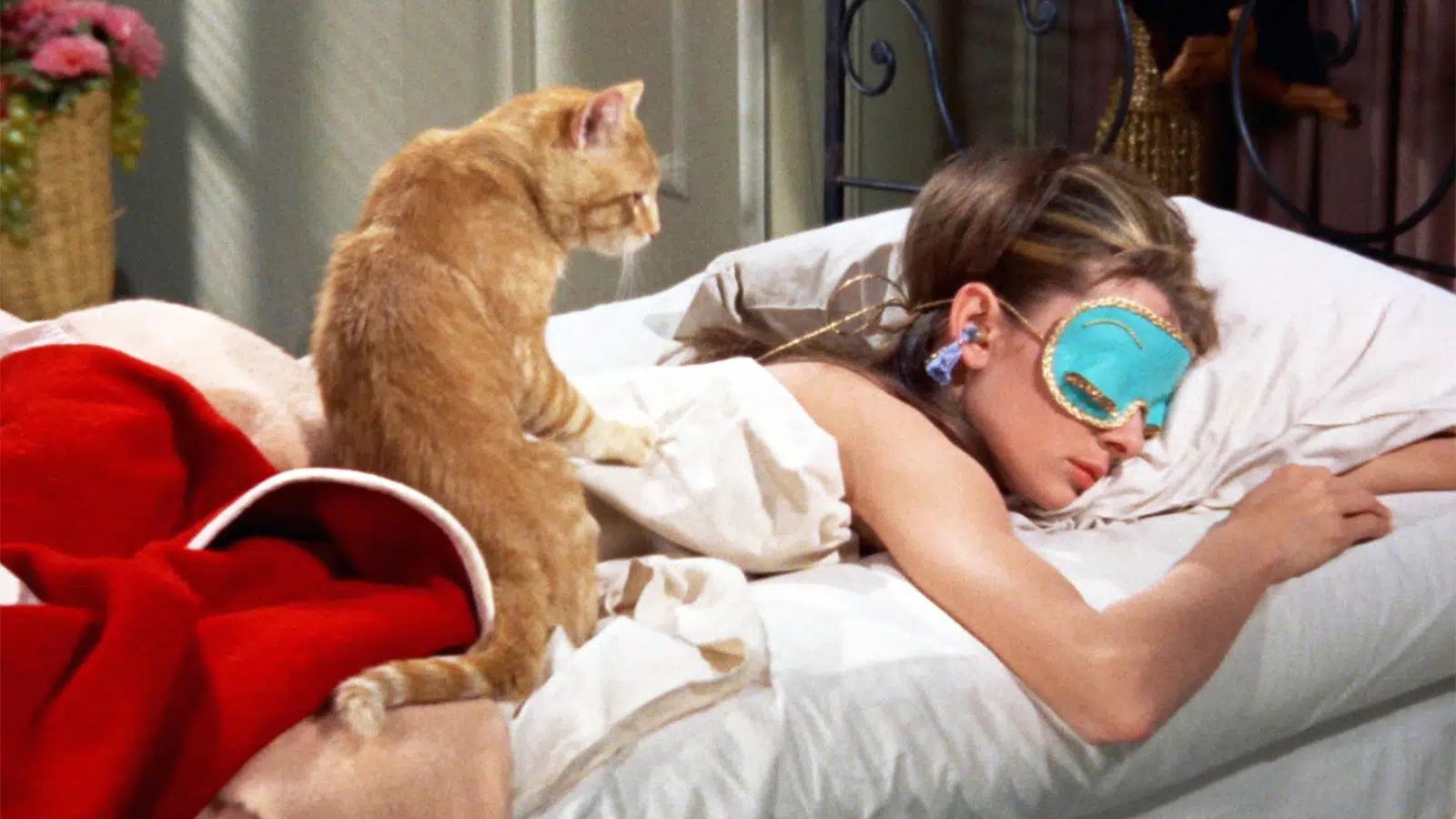
In the iconic Breakfast at Tiffany's, Holly Golightly, also known as “Miss Holiday Golightly, travelling”, undergoes a drastic transformation. From blonde to brunette, from a teenager into a classy woman. In Truman Capote’s novella Breakfast at Tiffany's, she is a frightened nineteen-year-old, unpredictable and elusive. In the film, she becomes composed, luminous, almost untouchable in a different way — a sophisticated woman brought to life by Audrey Hepburn, who was 31 when she played this character.
The casting choice changes everything. There were discussions of Marilyn Monroe for the role, but choosing Audrey adds a kind of quiet magic, an elegance that softens the reality of Holly’s life. What is, at its core, a story about a not-so-innocent call girl becomes something filled with warmth and hope. Everything she does suddenly looks more graceful, thanks to Audrey’s unique introverted nature.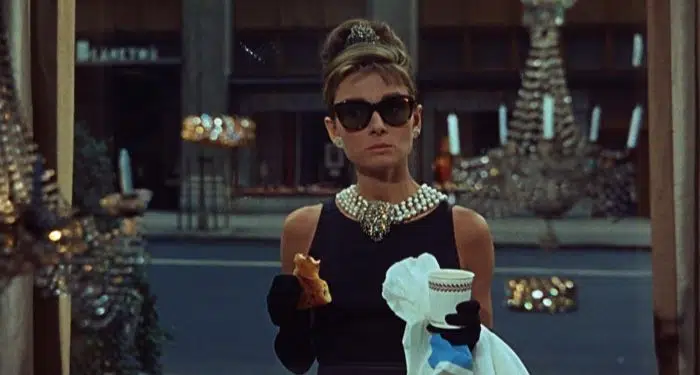
Through glamorous outfits and parties, you can still see the pain, and frankly, quite a dark past, of a girl who wants to belong but is too scared to. Losing both of her parents, running away from a rural Texas foster home, starving, marrying a man three times her age, and then another escape — all of this by the age of 14 could make a very dramatic movie on its own. But with Holly’s light presence, it all becomes background. She never complains about any of it. Yet, if you look closer, you notice a girl who simply had no other choice but to run. Running saved her in the past, and it is the only way she has learned to live. No wonder she uses every possibility to elevate her life, creating an illusion of ease and comfort.
“You mustn't give your heart to a wild thing. The more you do, the stronger they get, until they're strong enough to run into the woods or fly into a tree. And then to a higher tree and then to the sky.”
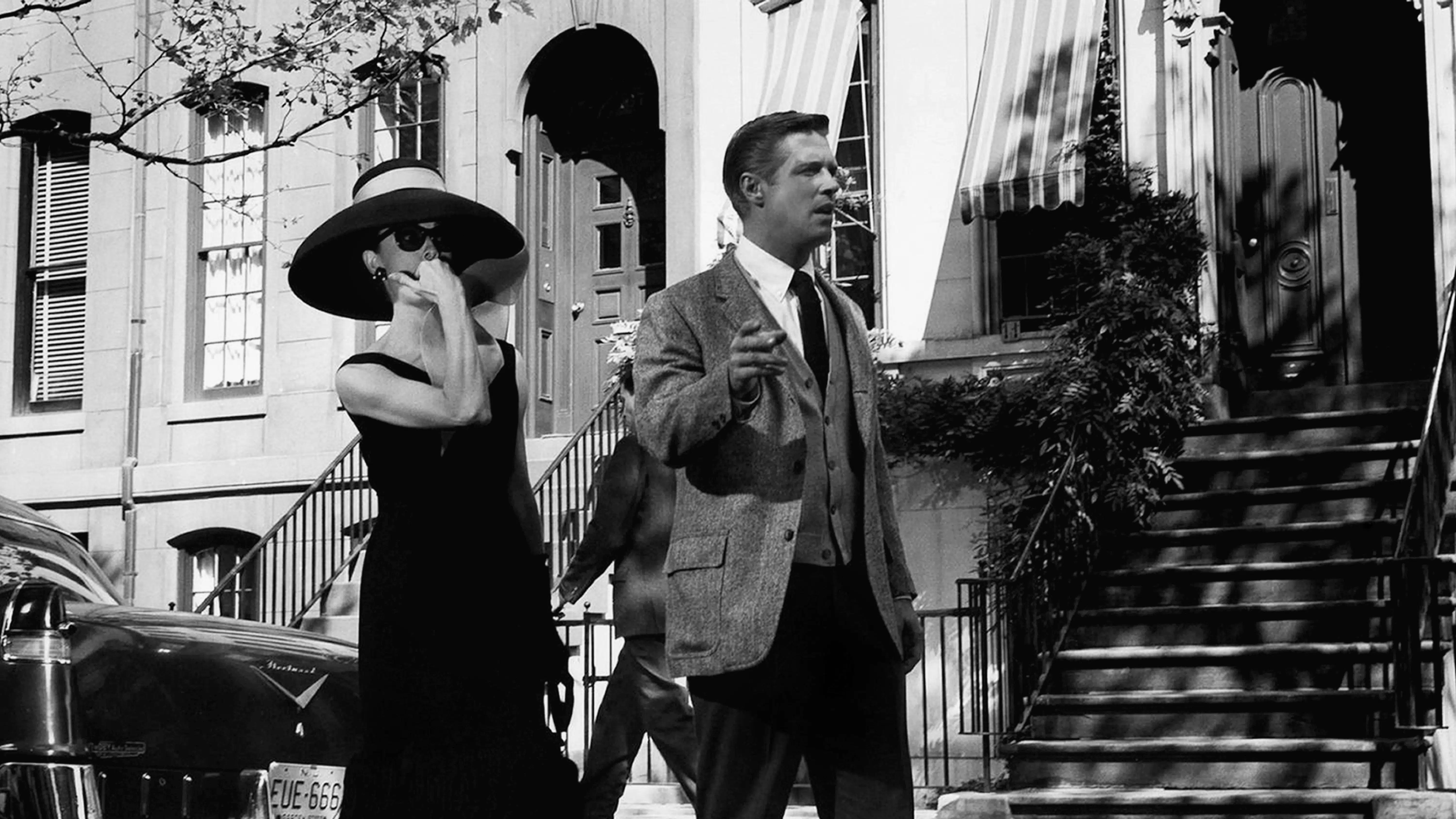 There’s that touch of danger in Holly that makes broken people extremely attractive. She grew up in extreme instability, which influenced her need for independence and her deeply avoidant attachment style. Luckily for her, she meets someone who calls her out on her cowardice. In the film, her new neighbour, Paul, saves her, making it a classic love story where two gigolos get their reality check and a chance to change. The young woman is rescued and given a happy ending, something much needed for a good old Hollywood movie. While in the book, Paul delicately observes Holly, watching how her instinct to escape, which has guided her since childhood, kicks in again. Their relationship is protective but hardly romantic. Paul’s sexuality is not explicitly stated in the novella, but he is often interpreted as gay, which Truman Capote later confirmed.
Every time I come back to this story, I discover more layers. Another fun thing to watch is how your interpretation changes with different stages of life. I was always much more drawn to the movie. But now I see them as two completely different stories: one is about romance and dreaming, warm and visually stunning, just as movies should be; the other is melancholic, ambiguous, slightly detached, leaving a sense that something remains unresolved. Book Holly stays free and uncatchable, but I hope she will eventually find a place where she belongs and a companion who can be trusted with her wild soul, too.





Share your thoughts!
Be the first to start the conversation.