
Plaguing might be too strong a word, but Beef has been, at the very least, festering on low heat for way too long. As in, it's just existed on my Netflix recommended list ever since I watched the first season back in 2023. Now, I am quite the sucker when it comes to random titles, and this one definitely caught my eye. I liked the sound of it, that two people simply have beef with each other and there is no way around it. The only resolution is for the situation to gratituously escalate and combust. It seemed like a simple, solid story that would tie together in the end. No complications. No random side quests that bloat the main storyline and slowly reduce its impact. To be fair, the show did begin that way. It introduced two characters, Amy (Ali Wong) and Danny (Steven Yeun), who get into a bit of a road rage debacle and things just get worse and worse from that point on.
Admittedly, I haven't seen the first season since it came out back in 2023, and don't have much to say about it now other than the fact that the story was exactly what it promised and nothing more. However, when the new season came out and I learned that Oscar Isaac was in it, my hopes skyrocketed. I didn't have much hope for the series as a whole, but at least I knew I'd get some eye candy (can you blame a girl)?

So, I started watching the show, and lo and behold, it was actually a banger? I was shocked. Within the first four episodes, the show skillfully presents the underlying critique of capitalism through each relationship in such a way that it feels like art, like a literal painting, or a tableau. Everything about the first four episodes feels like a grand masterpiece, and it's not like the show ever takes a moment to hide it. From the get-go, the season flings a handful of symbols and images and references straight in your face so you know what you're getting into. The best way I could describe it is like staring at a Renaissance landscape painting; from afar, it doesn't look too busy, but a lot of things are happening in the middle ground and background. All the little bodies littered over the hillside matter, every little detail speaks volumes. Josh (Oscar Isaac) and Lindsay (Carey Mulligan) have their big fight, but it doesn't feel like it's on the nose because more is happening underneath every body movement, every yelled insult, every loose button or colour, even. Same thing with Austin (Charles Melton) and Ashley (Cailee Spaeny); although some of their lines might feel a little bit expositional, or on the nose, it's forgiveable because there is an underlying narrative lurking beneath all that dialogue, evident in the silences or facial expressions.
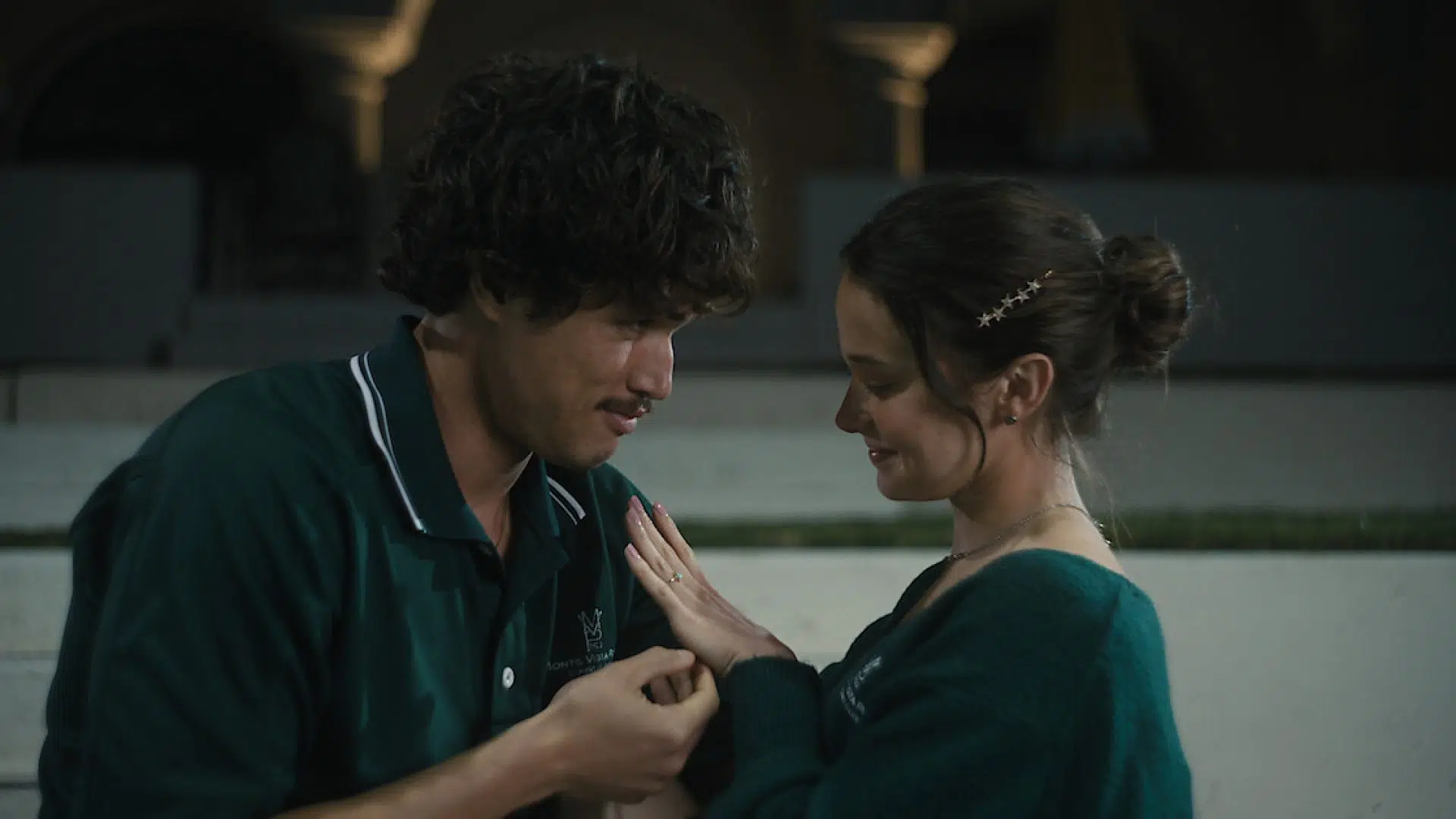
If the very first scene doesn't make it obvious that the main theme of this season is classism, the parallelism between Josh and Linsday versus Austin and Ashley will. The opening episode felt reminiscent of Parasite with the main characters being on opposing sides of the class system, both facing similar fractures in their own personal lives and blaming each other on it. On the one hand, you have Lindsay and Josh who were once in love but are slowly falling out of it as the weight of their debts compiles. They are an example of people who've made it, aesthetically, to the upper class, but what becomes abundantly clear is that this space of wealth is not real. It's a fragile ecosystem that they've managed to scrounge up, but the cost of maintaining this lifestyle is too high. The stress of keeping up appearances, of sacrificing time in order to ensure that they stay afloat, and the resentment of having to burden these stresses bleeds into their personal relationship, distancing them. On the other hand, you have Austin and Ashley who are both broke af kids caught up in the whirlwind of a picture-perfect romance. They live together, but they struggle with their finances; Austin is unemployed but has been to college, and Ashley is a high school dropout working as a cart-drinks girl at the golf club where Josh is the general manager. Despite the circumstances, Austin and Ashley's relationship stands the test of time, becoming an anchor of sorts that enables them to form a united front against the systemic obstacles they face. However, that relationship, too, is precarious, ready to topple at a moment's notice.
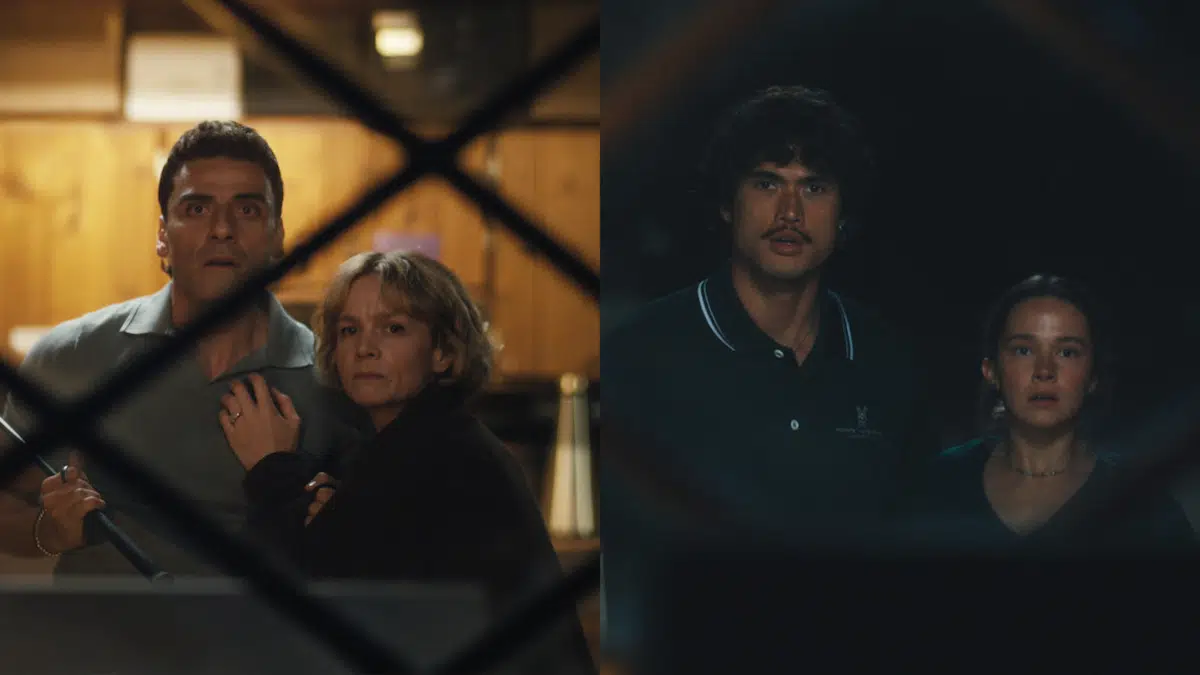
What really hooked me to this season was how class was defined through aestheticism. More than just saying wealthy people suck (although, it did pretty much say that, too), the show poked fun at how luxury was not real, not really; everything was some form of performance, peacocking perfection. I'm not saying that rich people aren't real– they are and it's horrible and unfair. What this show did really well is show how this pursuit of wealth is a facade of sort, a chasing after a mirage. That's what Josh did for Lindsay, through Lindsay's inheritance, and what he discovers is that it is unsustainable– ironically, the only real thing in his life is his love for Lindsay, which is messy and imperfect, perceived almost as a stain in their otherwise pristine lives. Alternatively, for Austin and Ashley, the perfection of their relationship is their only source of wealth. Externally, everything around them is messy and chaotic, but their relationship is pristine and untouchable– they don't fight or argue, they have each other's backs. Ultimately, this form of perfection also turns out to be unsustainable and performative.

Do you see why I was hooked? It started off so well and then everything just fell apart.
Which is why I have serious beef with Beef.
Okay, so as things finally begin to take purchase, the show decides to go in an entirely new direction. I'm not even kidding. It just switches the genres up for no apparent reason. Up to maybe episode 5ish, things are okay. The painting imagery sticks pretty well; as things progress, the picture-perfect landscape of each character's lives starts to decay. It begins with Ashley, who convinces Austin to help her blackmail Josh and Lindsay. This is the turning point of her relationship, one that strips the overpainting to reveal the underlying rot that always existed between her and Austin. As they start demanding more, Austin begins losing faith in the relationship; their lack of fighting, for instance, which was a point of pride between them two, becomes the source of their growing distrust. So, although Ashley works to get revenge and inadvertently tears apart the fissures in Lindsay and Josh's relationship (revealing the lack of communication and respect they have for each other), her actions also create fractures in her relationship with Austin. Similarly, Josh, who'd worked so hard to gain a semblance of wealth, ends up pushing away the one person that he loves in his quest to maintain that status. As both parties struggle to cling to the one element of perfection in their lives, the cycle of pain and corruption and resentment continues, all rationalized through a perpetually shifting moral standard. This narrative technique works. It's simple, it's engaging, and it makes sense. But then, episode 6 happens and then 7 and then 8 and it gets worse and worse and worse...

The writers truly forgot the plot. That's what I think happened. All of a sudden, in the quest for some cinematic, over-the-top dramatic fun, the show lost the point it was trying to make. Suddenly, the Chairwoman took over the entire story and the whole thing became some vigilante-esque, anticapitalist bullshit. I mean, Austin, Ashley, and Lindsay were full on karate chopping the shit out of well-trained soldiers, and they were winning! Come the fuck on. I understand that the whole point is to be absurd, but the season was already doing that perfectly. All the strings were there and they were unravelling exactly at the pace and the way that they should. For then, the last few episodes to be this extremely jarring over-the-top operatic ending felt like a means to an end. I lost interest. I was scrolling through my phone, waiting for the scenes to be over.
This is exactly what happened in the first season, too. The show started off so strong. I was hooked. There was an abundance of themes to analyze, and it was perfectly over-the-top without being obnoxious, but then the ending just fell flat. Completely unmemorable. Pointless. At first, I was arguing that it was forgiveable because the whole beef between the two was petty and meaningless, like the end of the show; it was meta, a reflection of the actual narrative in the format of the episodes, or whatever, some pretentious shit like that.
Following the same formula of its predecessor doesn't work especially in this season because the whole story began with so much intention. There was a genuine grander thematic backdrop upon which everything was happening. The Chairwoman was supposed to stay in the background while things deteriorated up front. The weirdest part about the last three episodes was that things were happening that I felt made sense, like Austin falling hard for Eunice, or Lindsay and Josh ultimately getting a divorce, but the manner in which they happened (the whole Chairwoman scandal) took away from the impact of it entirely. The story got too big and you could tell.

I'm not even opposed to including the Chairwoman at all (although, I do think the show would have been fine without her storyline). I think she posed the perfect backdrop, the invisible, omnipresent hand in control of everything happening below her, the actual marker of wealth. Meanwhile, the four main characters scrambled in pursuit of something that they couldn't touch or really see. I mean, that is the point the show was making in the beginning, right? Like while the rest of us fight and lash out over this facade of wealth, the real wealthy people are hanging around, exploiting the shit out of the system and benefitting off the work everyone else is doing. So, then, to have the four main characters battle the big main guy all of a sudden, like some attempt to actually dismantle the whole system, was so random. The fight got too big and too out of hand and it really didn't need to. The critique was blatant from the get go and would have actually left an impact if the ending stayed consistent.
It just sucks to have a show that has all the foundations and direction of being out of this world just... fail. Not that it's the worst show out there– I'd still recommend you go watch it. Mostly because I want to know if you agree with me!





Share your thoughts!
Be the first to start the conversation.