
After Disney dropped its 100th-anniversary movie, "Wish," this year (November 22), it kinda just flopped. The response was mediocre, not the explosion of excitement and box office glory you would expect for a centennial blockbuster. But hold your chocolate bars, because less than a month later (December 15), Warner Bros. would roll out "Wonka," and guess what? It has almost raced past "Wish" in just over a week, giving it a run for its money. Viewers are chiming in, and some cheekily point out that compared to the lackluster "Wish," "Wonka" is more like a Disney's centennial celebration. Though it's a bit of a roast, it spills the beans on the connection between "Wonka" and Disney.
So, why is "Wonka" tinged with that unmistakable Disney flavor? (What even is the Disney flavor?) Let's unwrap at least five quirks that make "Wonka" a delectable Disney treat:
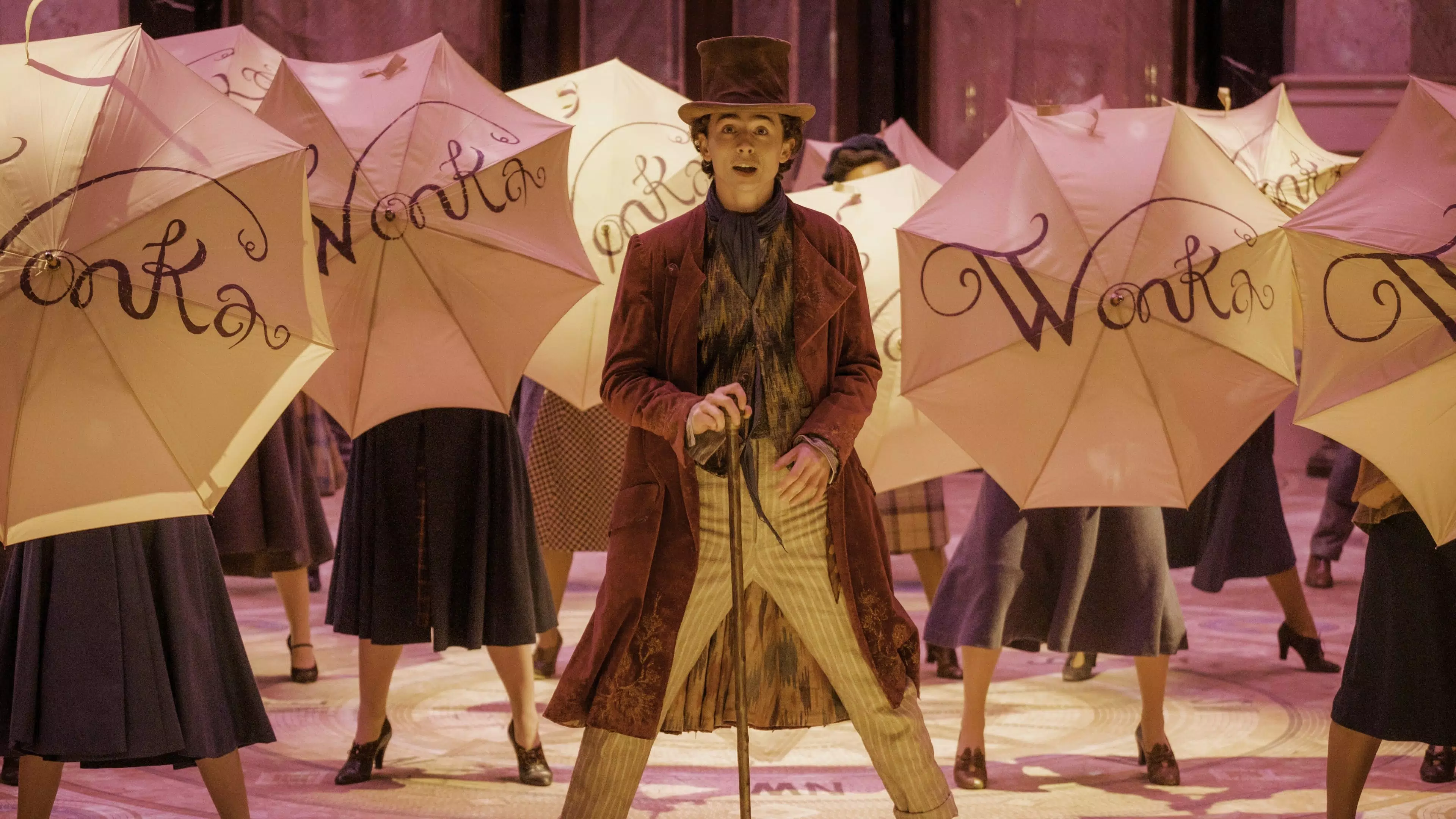
A Protagonist with Animal Communication Skills
Ever since Disney's first animated feature film, "Snow White," characters chatting with animals have become a Disney trademark. And in "Wish," this magic still sparkles. Not only can humans talk to animals, but animals, with a sprinkle of magic, can translate their language into human-speak.
Now, "Wonka" might not have the classic Disney move of having an animal sidekick, but animals do make cameo. The standout moment? Wonka's sneaky visit to a zoo to get giraffe milk for his chocolate-making adventures. Of course, he had to exchange greetings with the giraffe first and get its approval (as if it had a say).
Magic that Ignores the Rulebook
Wonka is a magician, that’s true, but his magic isn't your average hocus-pocus! Imagining him pulling out all sorts of things from that tiny hat on his head is a bit mind-boggling. A flower, some ribbons? Sure. But a whole tea set? And a thermos with hot chocolate? Whatever, "Wonka" doesn't really care. It's like saying, "My magic isn't just tricks; it's more like sorcery. So, why bother explaining why it's not science?"
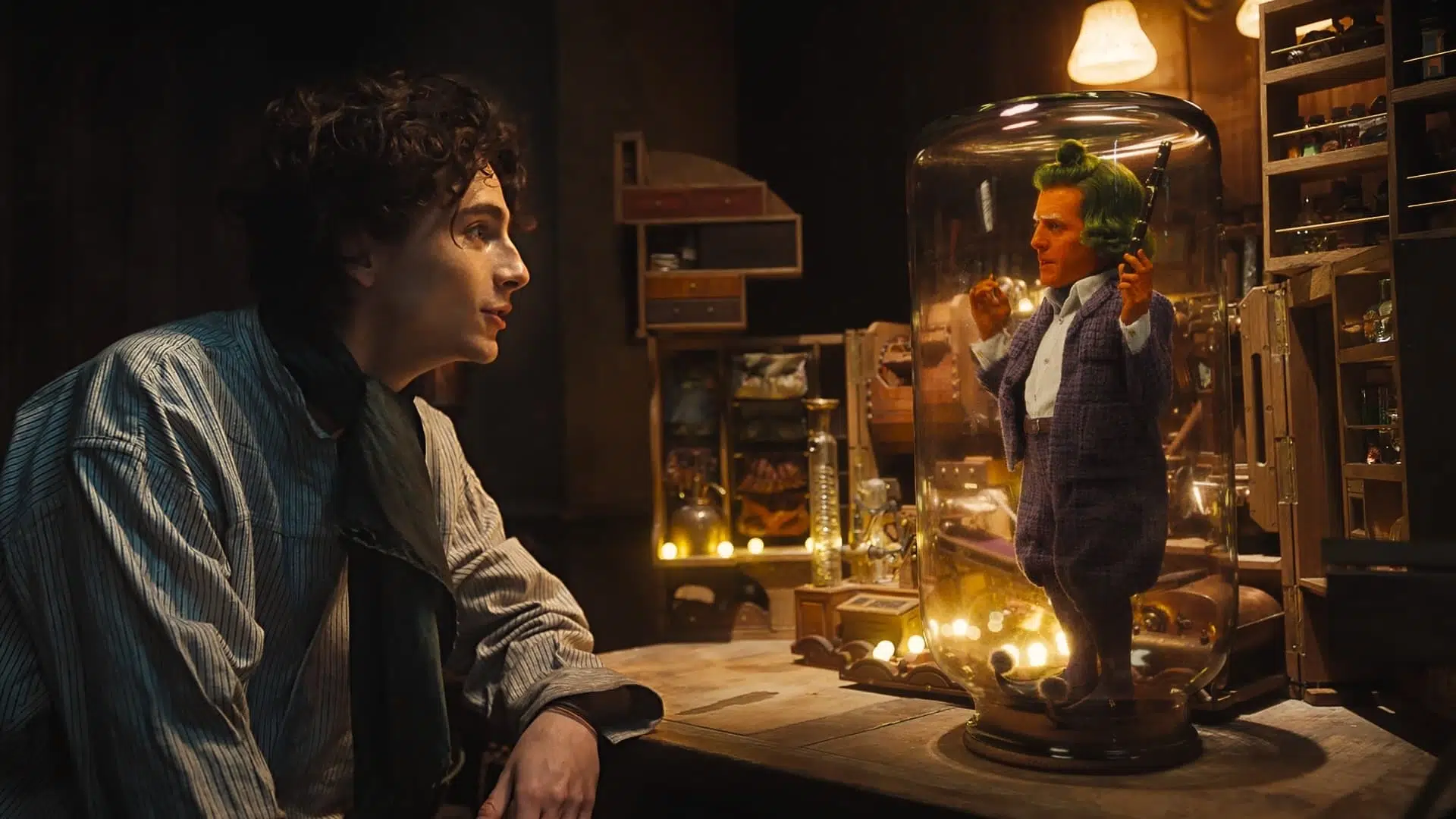
Musical Moments Galore
Our main character belts out a tune whenever, wherever – whether they're feeling on top of the world or down in the dumps. Music is Disney's heartbeat, and "Wonka" has mastered that Disney melodic magic. And I must say, Timothée Chalamet's singing is surprisingly good. Besides, compared to "Wish," where the songs lack pizzazz, Hugh Grant's "Oompa Loompa" in "Wonka" is an earworm – even if this little ditty first graced our ears in the 1971 version of "Willy Wonka & the Chocolate Factory." Help, I've still got an Oompa Loompa in my head singing "Oompa Loompa doompety doo"...
Politically Correct Parade
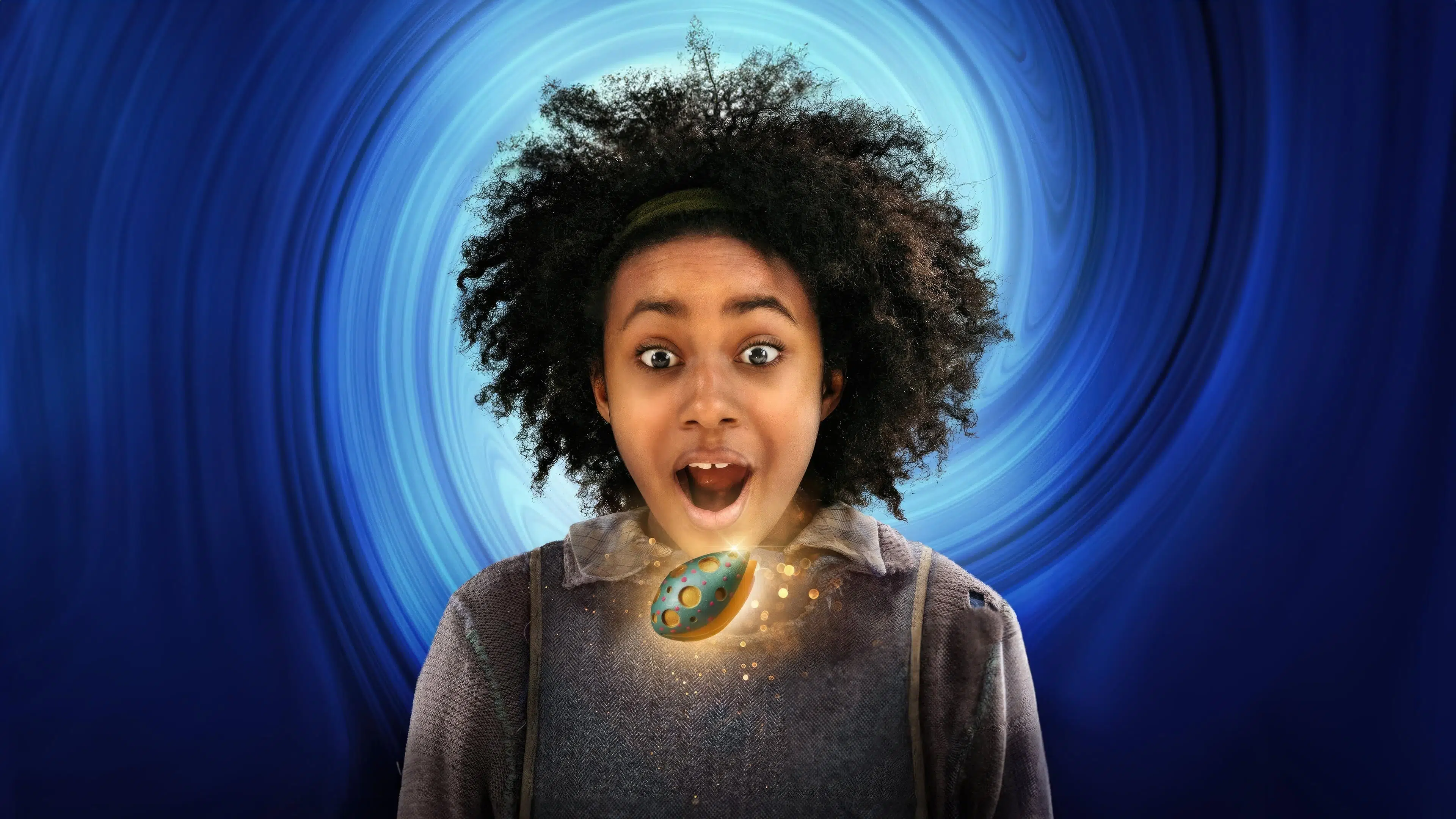
These days, Disney loves shaking up protagonists, giving them an African, Asian, or Latin American twist. Even "The Little Mermaid," an IP that doesn't need any "magical changes," got a black princess makeover. "Wonka" follows suit, introducing a little black girl as another protagonist and making sure the rest of the characters check the diversity box – as if there's a mission to maintain a balance between the white and non-white characters.
Back to the Basics of "Truth, Goodness, and Beauty"
Maybe this is the secret sauce making "Wonka" taste a bit like Disney. It sweeps away the dark and complex elements from the original story and serves up a light, uncomplicated narrative. If you know the original work, you'd understand that Wonka symbolized monopoly capitalism and the ruling class, and chocolate served as a scarce resource being both a form of currency and a representation of social status; Wonka stealing the scarce cocoa beans from the Oompa Loompas also metaphorically represents Western colonial aggression.
But in the hands of Paul King (known for the "Paddington" films), all these metaphors take a back seat, and "Wonka" becomes a sweet treat of a movie, preaching the gospel that "chocolate can cure everything." This return to the simple concept of truth, goodness, and beauty from childhood, sidestepping depth and complexity, makes "Wonka" the Disney cousin we never knew we needed.



Share your thoughts!
Be the first to start the conversation.