

Hirokazu Koreeda is the foremost director in the world regarding loving children, always casting the gentlest gaze upon them, caring deeply about their uncertain futures. Koreeda is also the premier filmmaker to leave an indelible mark on Japan's cinematic landscape. Whether it's the distinguished actress Kirin Kiki or the first-time collaboration with musician Ryuichi Sakamoto, they have all contributed to the collaborative brilliance in Japan's culture of teamwork.
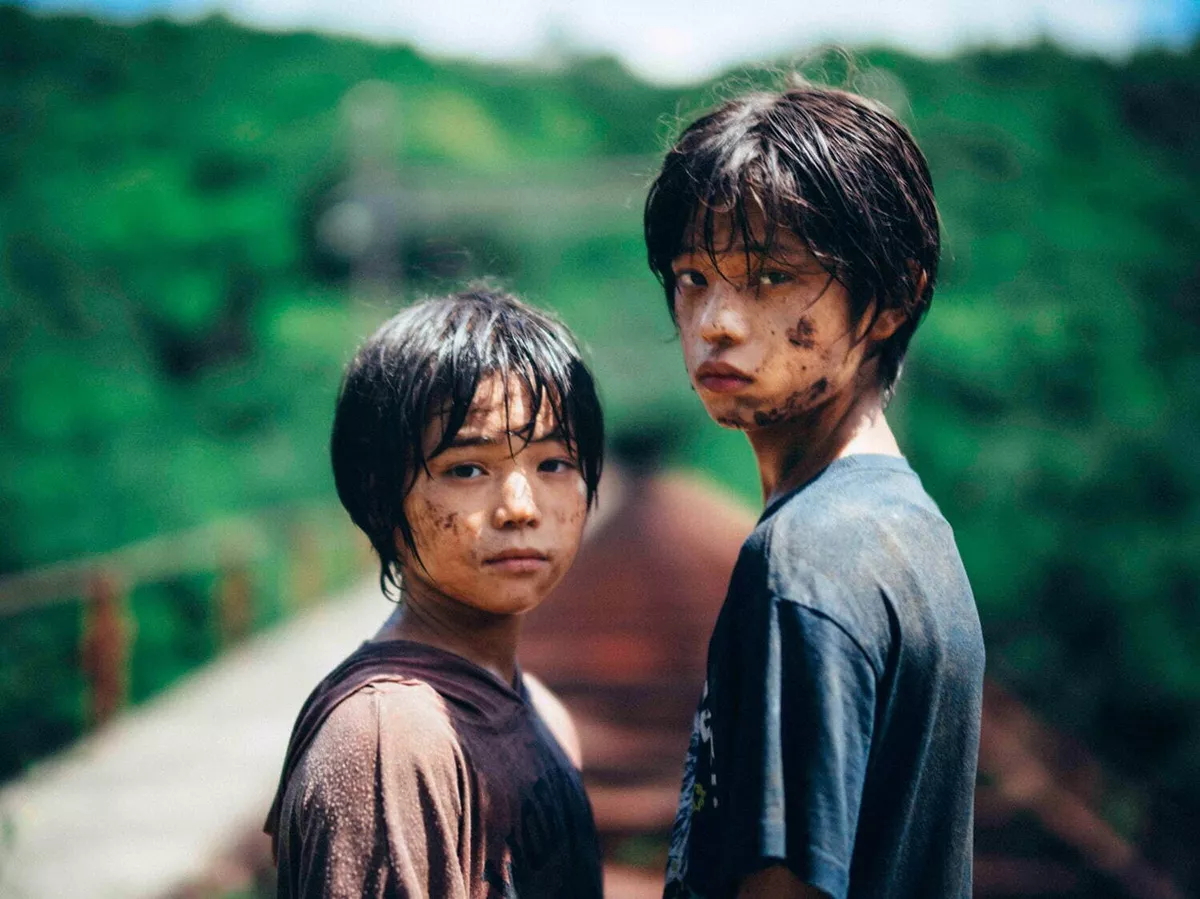
The film "Monster," a collaborative effort among the renowned Japanese director Hirokazu Koreeda, writer Yûji Sakamoto, and musician Ryuichi Sakamoto, features Sakura Andô, Eita, and Yûko Tanaka as the "adults." At the same time, Soya Kurokawa and Hinata Hiiragi portray the children. Together, these five roles collectively perform in a three-part composition, akin to a compound entity merging elements of "Rashomon," "The Hunt," and "Intimacies." This film competed at the 76th Cannes Film Festival, winning the Best Screenplay Award and the Palm Dog Award for the best performance by a canine.
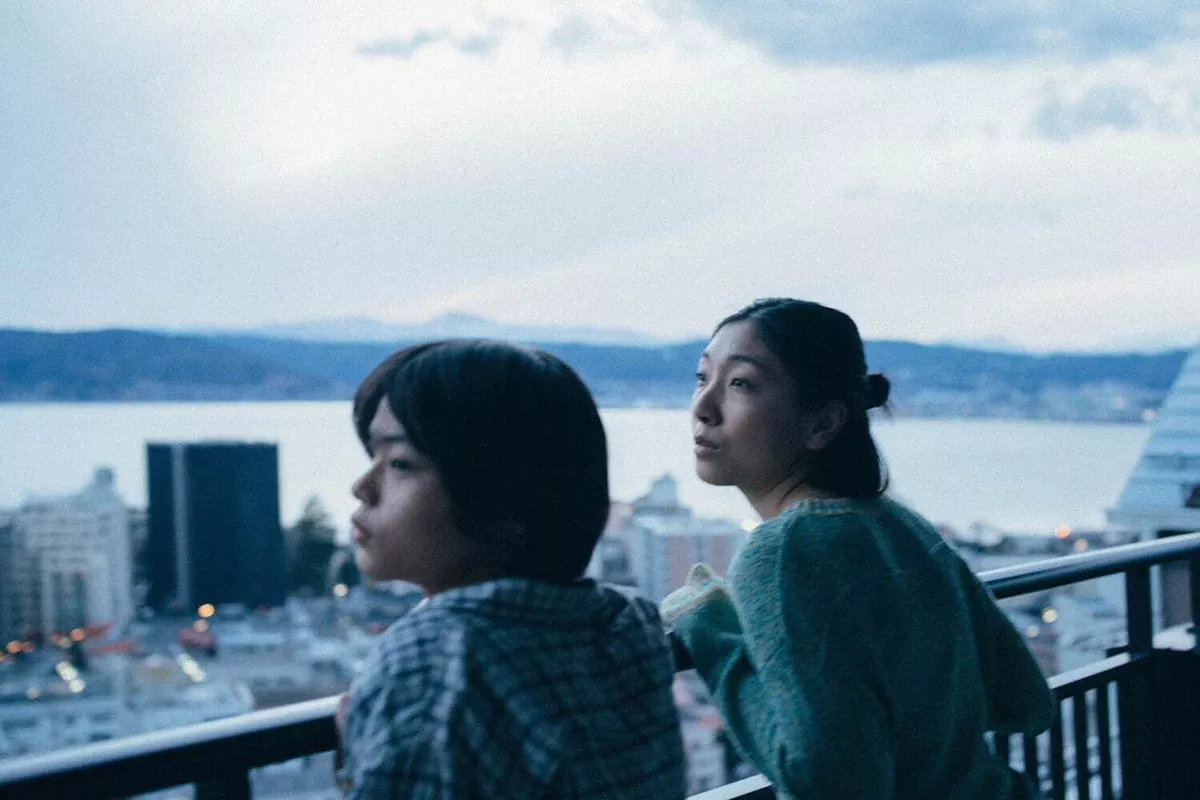
"Monster" opens with a child looking from the Suwa Lake riverside towards a city area engulfed in flames. At that moment, Sakura Andô, the single mother Saori, and her son Minato (played by Soya Kurokawa) also arrive at their balcony to "watch the show." Mother and son, eating popsicles, witness the raging fire until the fire trucks come. Dramatically, Saori loudly cheers for the firefighters. This scene sets the stage for the characters: a mother concerned only about her son's safety and a son concerned about maintaining community harmony. Faced with a significant incident in the city, most Japanese people, like this family, merely observe with detachment. This cold perspective permeates the entire film, with subdued, emotional performances from surrounding actors, except when seen through the eyes of those involved (and these perspectives change).
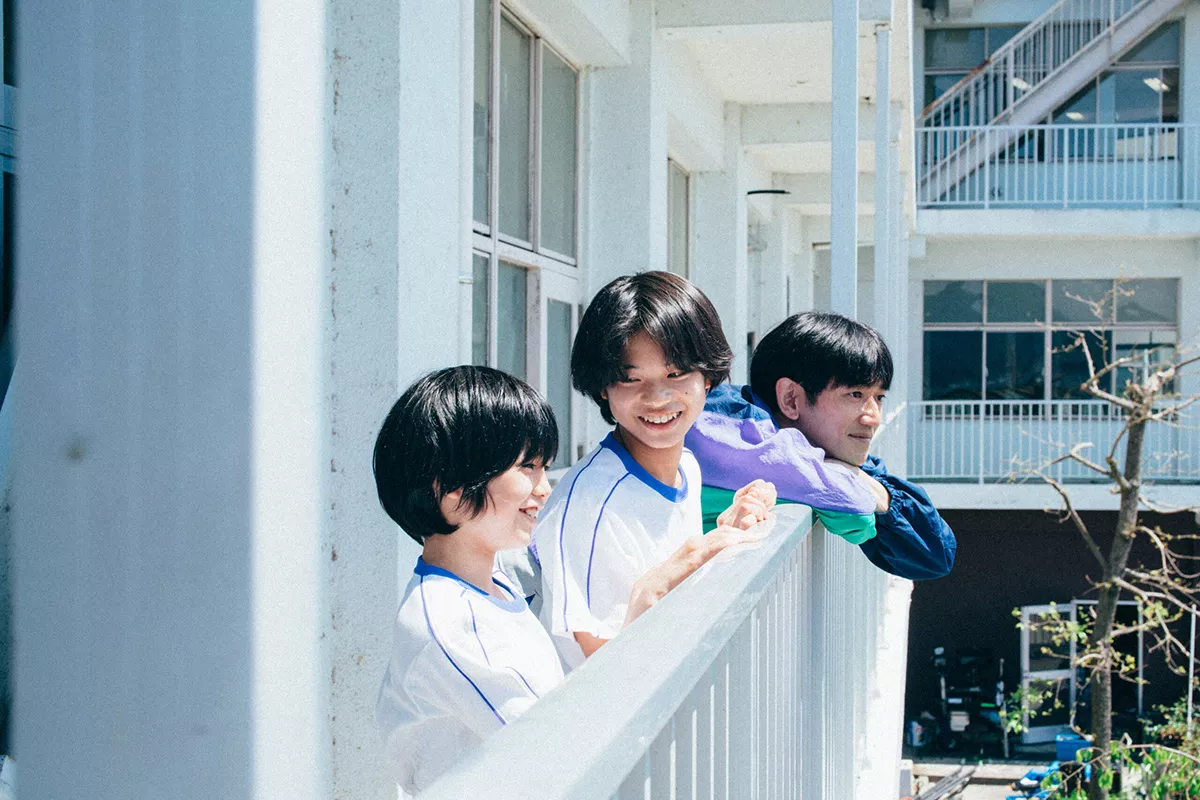
A detached narrative style has always been Koreeda's forte in his nearly 30 years of making feature films. However, in "Monster," this detachment feels colder yet paradoxically elicits more sentiment while watching. Perhaps Koreeda made conscious efforts to tone down the intensity.
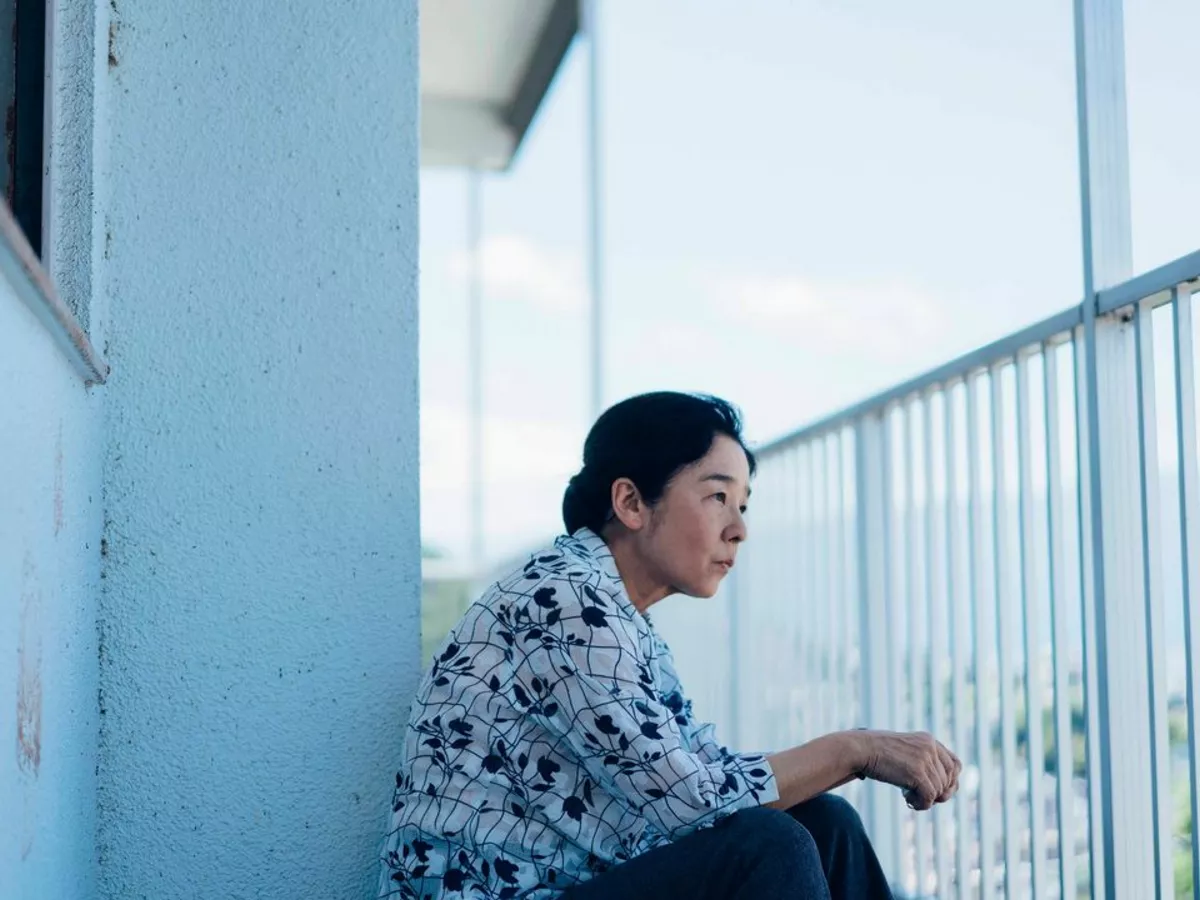
The natural performances by the cast are commendable. Sakura Andô, following her role in "Shoplifters," showcases a stellar performance in "Monster." Her portrayal of Saori, a single mother fiercely protective of her family and unyielding in fighting for her son's rights, stands solid and unapologetic. Saori might come across as stubborn, yet she is highly relatable. When her son refuses to disclose secrets from school, what choice does a single mother have?
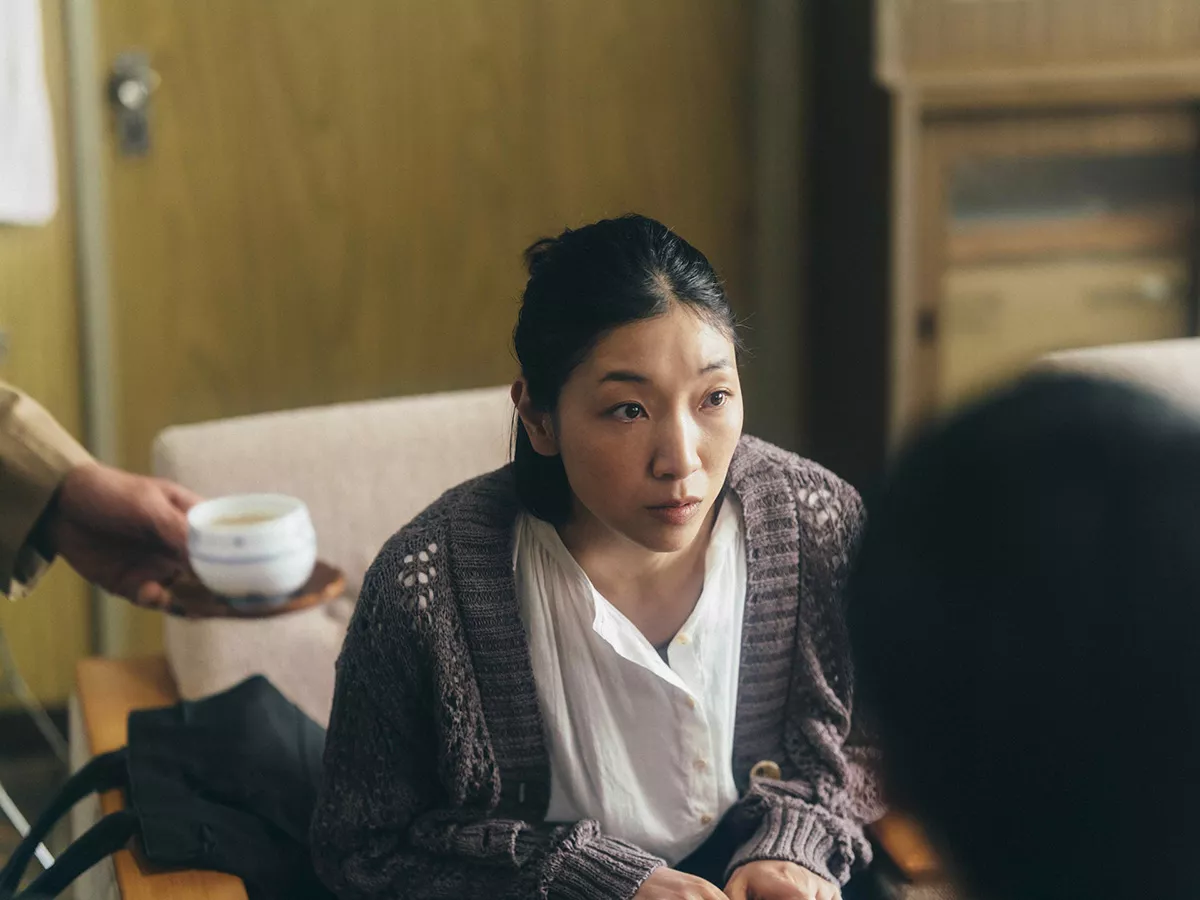
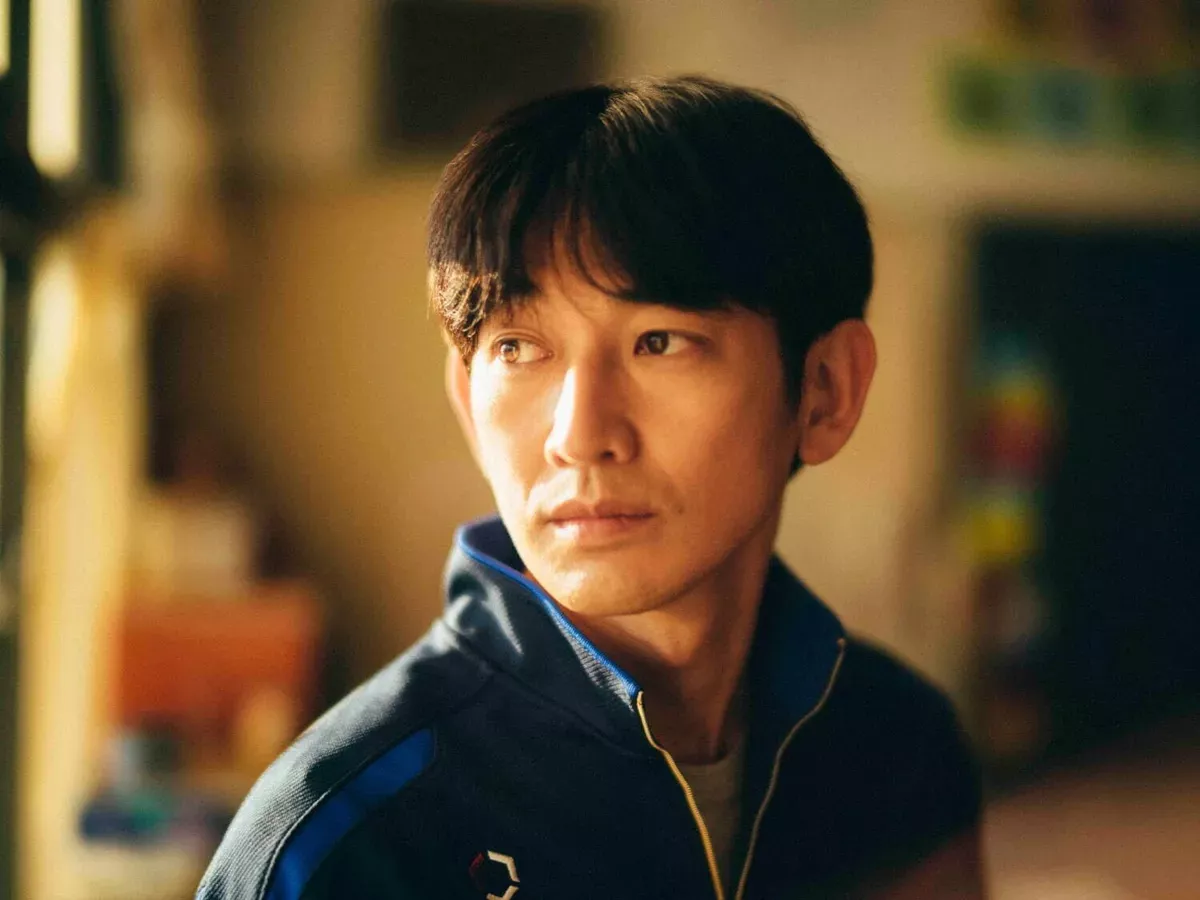
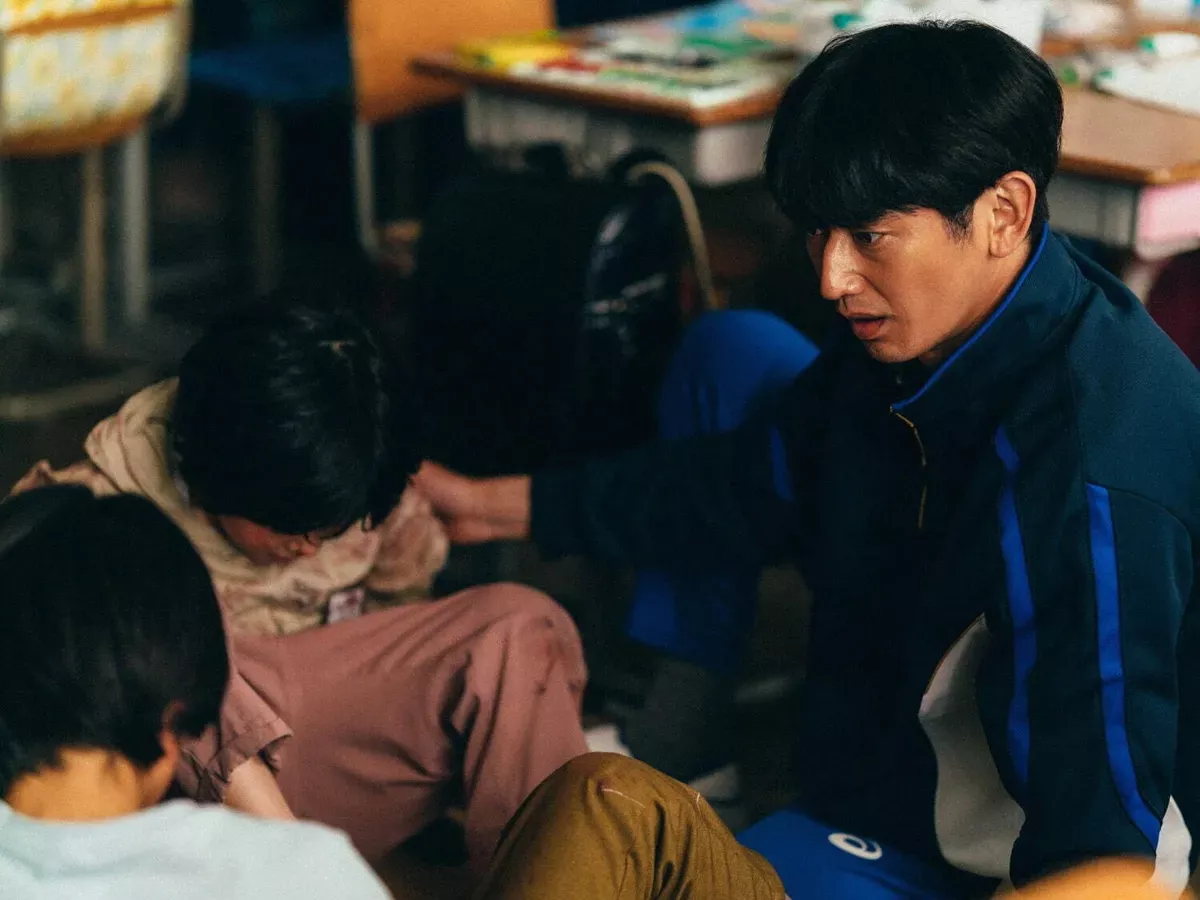
Eita's performance in the three-story arcs of "Monster" is equally impressive. Initially presented from a mother's perspective, the third-person view of Hori, a teacher, is quite peculiar: demonized by the child's mother, eager for strict punishment, the school portrays Hori like a puppet, aligning with their desires at each stage. However, in the second part, the narrative allows Eita to express Hori's struggles, transforming the teacher from a "demon" to a "mere mortal."
Eita's portrayal of Hori's journey from a villain to an ordinary person and eventually a good person is convincing. As a frequent collaborator with Yûji Sakamoto, this actor adeptly embodies the role of Hori. He starts from the first section, where he appears as a terrible teacher in the eyes of others, to the second part, where the audience delves into Hori's struggles, and finally, in the third part, where Hori reveals the students' secrets, sincerely apologizing and making efforts to calm the storm.
Yûko Tanaka, playing the principal role, is enigmatic until the end of "Monster." A teacher for many years, she has witnessed the various facets of human nature among elementary school students and parents. To parents, the principal is not just professionally apathetic and rigid but also someone who bullies children and manipulates them – a ghostly figure. To the new teachers, the principal appears unable to protect her staff, often abandoning them for self-preservation, ultimately selfish. Yet, rumors about her involvement in her granddaughter's death and the unpleasant experiences between her parents, teachers, and the principal do not definitively reveal the kind of person she is, particularly when audiences witness her offering warm smiles to her jailed husband and the perplexed children, still able to express genuine love and guidance.
In this harsh world, everyone has their lives on the line. Faced with an event, everyone is susceptible to harm, transforming each individual into a retaliating beast. Ultimately, they want to survive and live well, not just the selfish principal. A single mother hopes her son remains safe at school; school staff wishes that students and parents avoid trouble, and young teachers struggle to comprehend the various mindsets of the school authorities and the eccentric parents and students. But aren't children, in their socialization process, striving clumsily to fit into this "expected world"?
Compared to Koreeda's Cannes Palme d'Or-winning film "Shoplifters," Yûji Sakamoto's text in "Monster" revolves around a non-linear narrative focusing on family members and school teachers and students, offering a more representative view of contemporary Japanese society. Yûji Sakamoto's usual protagonists in "Quartet" could freely express themselves, facing obstacles but not often met with such intense repercussions. However, in "Monster," everyone's efforts frequently meet barriers, and the recoil hits them back, making it nearly unbearable.
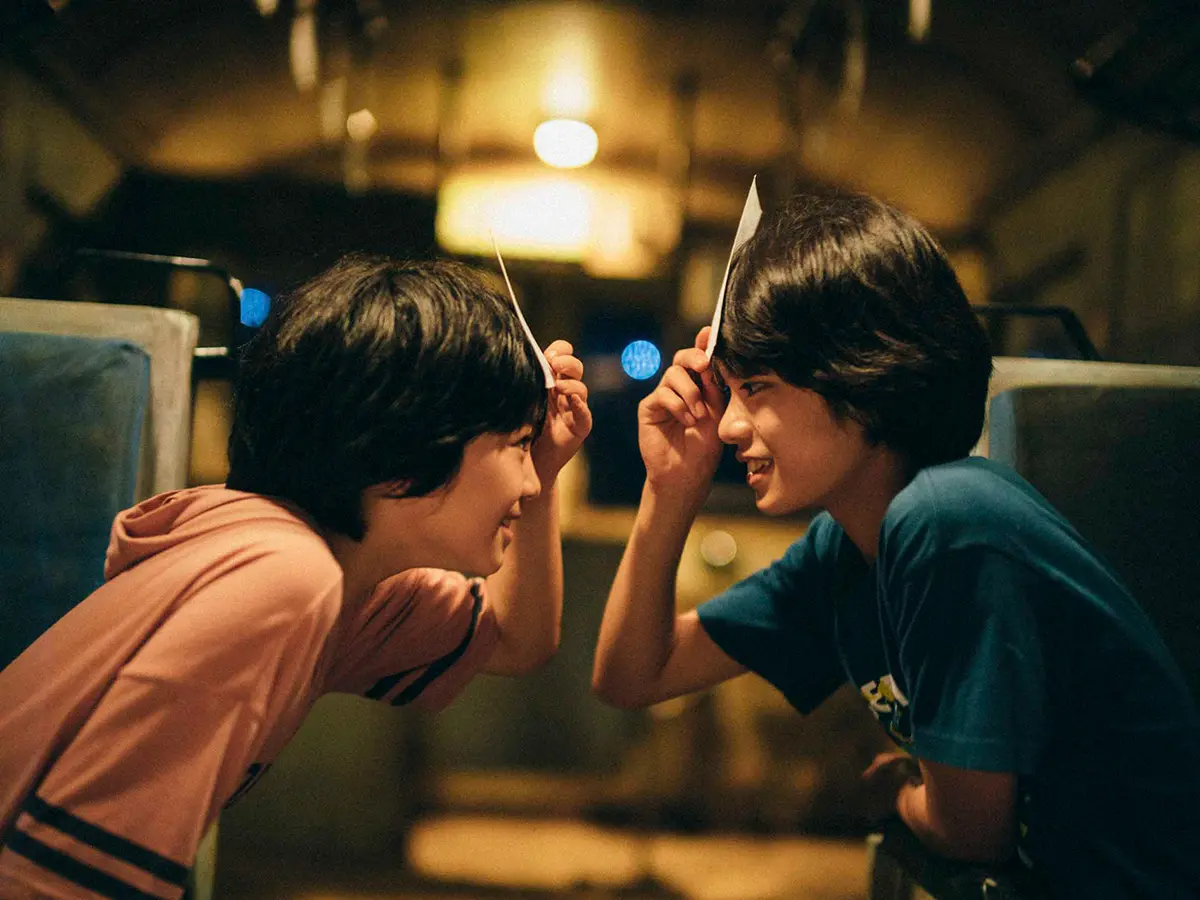
The discord among parents, teachers, children, and the principal manifests in full, revealing pervasive barriers. "Monster" successfully brings together people and entities with differing mindsets who cannot communicate. Communication has already lost its function and significance, as everyone lives within their cognitive realm. "Monster" refers to something a person fears in their heart, yet that thing could turn the person into a monster, whether the initial intent was to conceal it (pretend it doesn't exist) or destroy it (eliminate it).
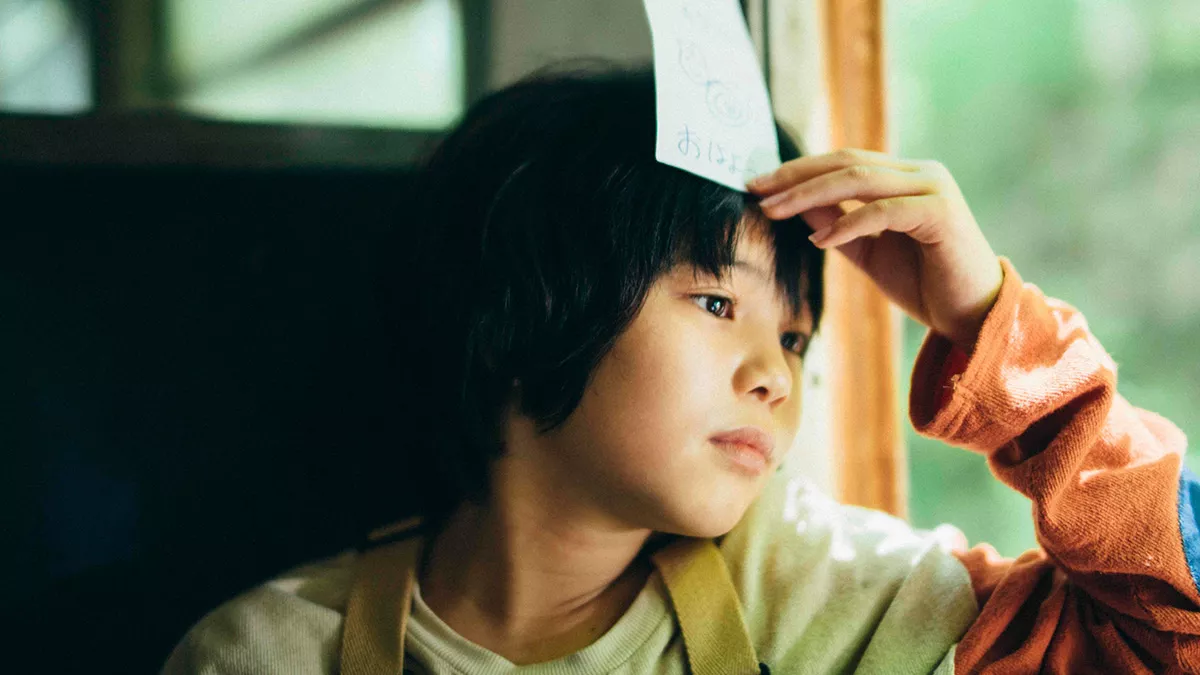
"Monster" is a diagnostic report on how existing human value systems lead to civilization's illnesses. Those severely affected are the most precious and potentially-filled group of children. This leads many cinephiles to compare "Monster" and "Intimacies." Civilization's illnesses encompass children's unintentional words hurting adults, much like "The Hunt," and various interpretations of events akin to "Rashomon," destroying spaces for interpersonal trust, elevating the cost of honesty. Consequently, even the loving Saori and Minato, this mother-son duo, cannot be completely honest with each other. How does love shatter everyone's hearts?
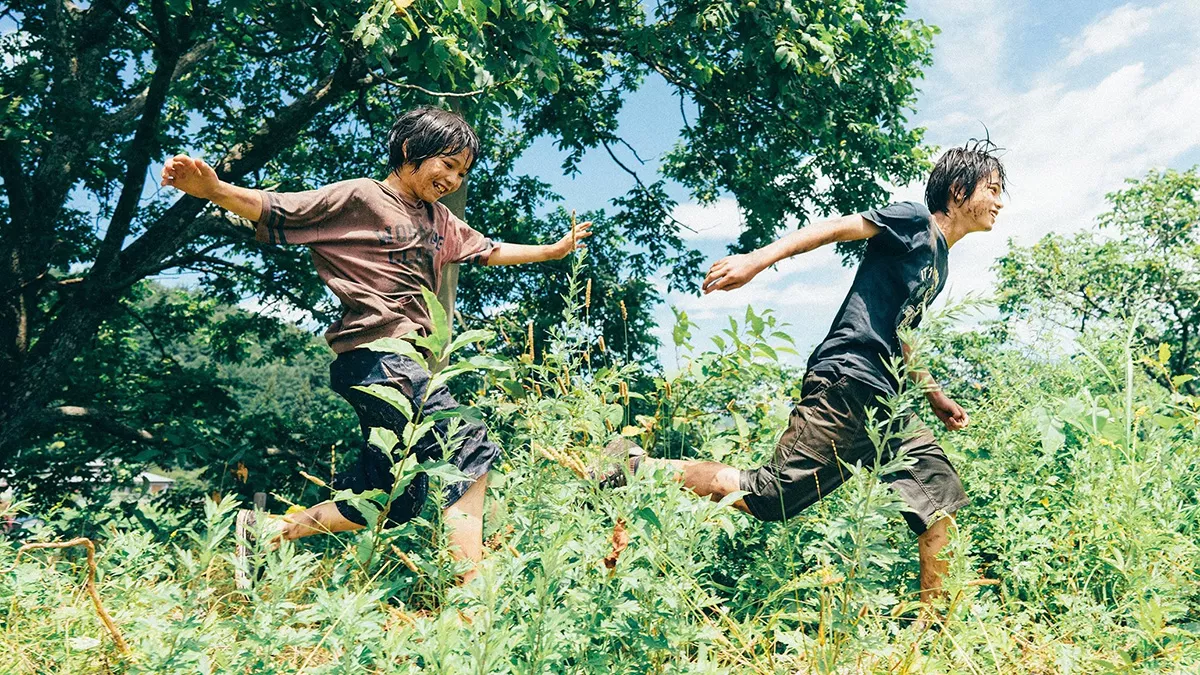
What's most surprising about Hirokazu Koreeda is not the increasingly pure and intense signature style he displays but rather the ability to continue presenting fresh possibilities beyond that seemingly inexhaustible. In the presence of such a giant, is there any room left for human laziness and stagnation? "Monster" is Koreeda's long-awaited return to Japanese cinema. It must be said that since his ventures to France and Korea for "The Truth" and "Broker," returning to the Japanese film industry, Koreeda has mastered the art of Japanese live-action films, combining realism and aesthetics, rich in humanity. He delivers Japan's essence through cinema, offering a direct immersion into Japan's magic, an experience of living in Japan akin to that of a wizard director.




Share your thoughts!
Be the first to start the conversation.