
If I had to choose the most unforgettable debut film, I would unhesitatingly blurt out "Girl." I can hardly name another debut that has surpassed the experience "Girl" brought me. This Belgian film, which premiered at the Cannes Film Festival in 2018, can be described as a stunning revelation in its aftermath. Not only did media outlets around the world unanimously praise the film, but netizens also jokingly predicted that its young and handsome director, Lukas Dhont, would become the “golden child” of future Cannes Film Festivals. Ultimately, the film lived up to expectations, winning the Best Performance in the Un Certain Regard section and the Camera d'Or for Best Debut. At the Toronto International Film Festival, I had the fortune to watch the film at its North American premiere. I was once again convinced that the praise it received at Cannes was well deserved.
The movie is called "Girl," but the protagonist is biologically male. The protagonist's name is Lara, a child who loves ballet. Although her physical characteristics are male, she has always been a girl psychologically. Due to her love for ballet, she needs to maintain a slender physique to perform the female movements well. Therefore, she not only takes estrogen but also tapes her male genitals every time she practices ballet. Apart from the daily life of a typical teenager, the most important things for Lara are practicing ballet and regularly visiting the doctor to receive estrogen and check on her gender reassignment surgery.
As Lara grows, she constantly battles her increasingly masculine body because she desperately wants to perfect her ballet moves to satisfy both herself and her teacher. Despite the immense understanding and care from her father and family, Lara must continuously struggle with her body and soul to dance ballet well. In the end, to truly dance as a girl, Lara makes a foolish decision driven by youthful stubbornness...
It can be said that the protagonist of this film is the happiest yet most “unfortunate” person on the big screen this year. Her happiness and misfortune both stem from her understanding of her identity. She is fortunate because she firmly believes she is a girl, a belief that holds invaluable and irreplaceable significance. This identity is rooted deep within her, needing no external validation or judgment. However, she is “unfortunate” because her body retains male characteristics, preventing her from fully enjoying the inherent freedom of female dancers.
Her happiness and misfortune also come from her obsessive love for ballet. She is fortunate because she has a dream that allows her to forget all pain. The intense pursuit of this dream has become an incredibly strong conviction. This conviction is so strong that she is willing to make any sacrifice for it, overcoming all obstacles, even resorting to the most primitive means to overcome physical barriers, despite the indescribable pain. Yet, the pain she endures also reveals her misfortune. With a male body, she must exert more effort and overcome more challenges than her peers in the ballet troupe, whether male or female. She endures the pain of taping her toes and breaking them while dancing and faces curiosity and mockery from the girls in her dormitory about her male body. Her misfortune also stems from her almost obsessive belief.

As a debut, director Lukas Dhont shows no signs of timidity throughout the film. In telling the story, he weaves together many fragments of the protagonist’s life, allowing the audience to follow the camera and feel the protagonist’s inner conflicts and struggles with her body. Although there are many poignant and emotionally overwhelming moments in the film, the director skillfully controls these emotions, avoiding any sense of melodrama or sentimentality. This restraint and composure are commendable for a new director. Moreover, Dhont achieves a calm and unpretentious quality in this LGBT-themed film. Unlike other films about transgender protagonists, which often highlight the injustice faced by this community or their fight for rights (as seen in last year’s Oscar-winning foreign language film "A Fantastic Woman"), "Girl" does not follow this route. It is purer and simpler. The protagonist always has an incredibly clear understanding of her identity, needing no external validation or caring about others’ opinions, giving the film a transcendent and extraordinary quality.
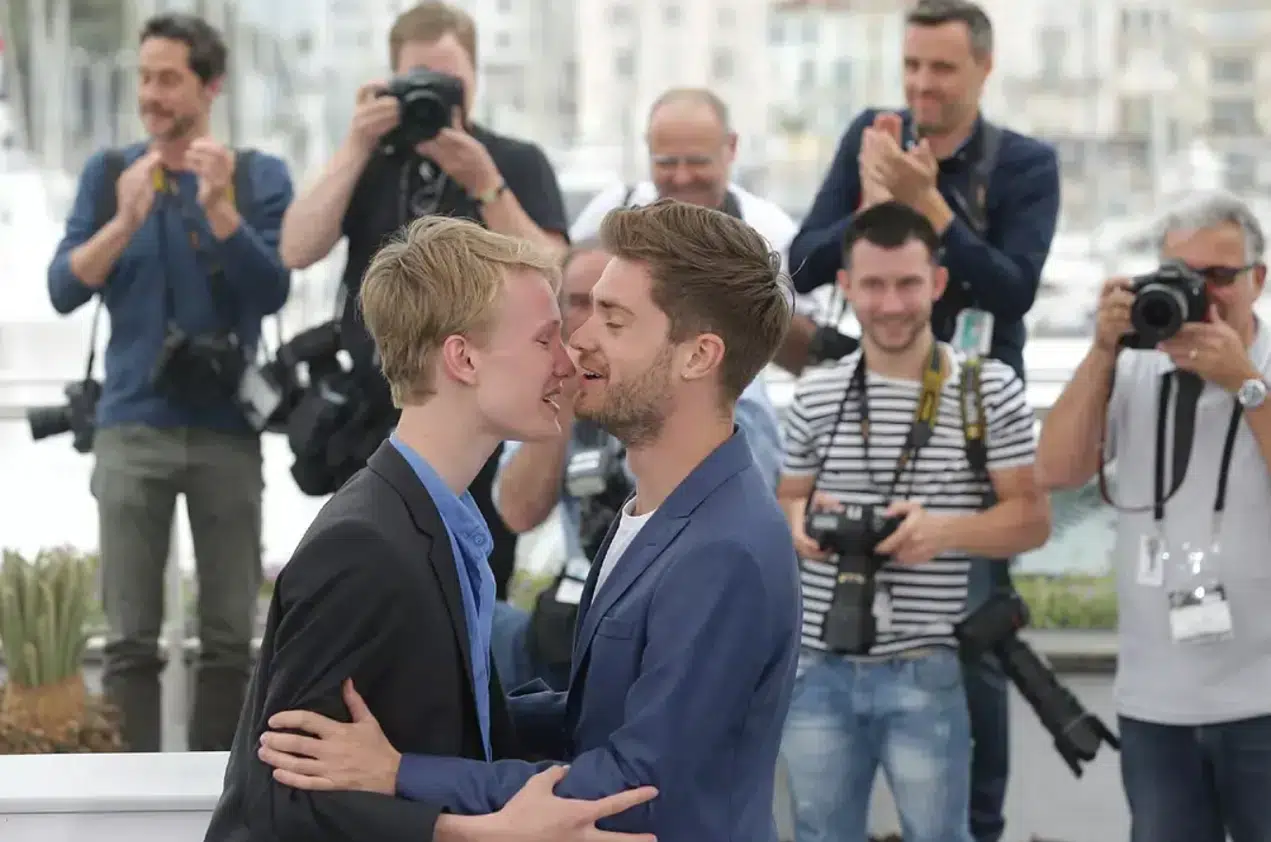
As mentioned earlier, "Girl" won the Best Performance award in the Un Certain Regard section at this year’s Cannes Film Festival. This award went to the film’s lead, Victor Polster, who absolutely deserved it. This young boy was the perfect choice for the role, or rather, his precise and profound performance brought unique charm to the film.
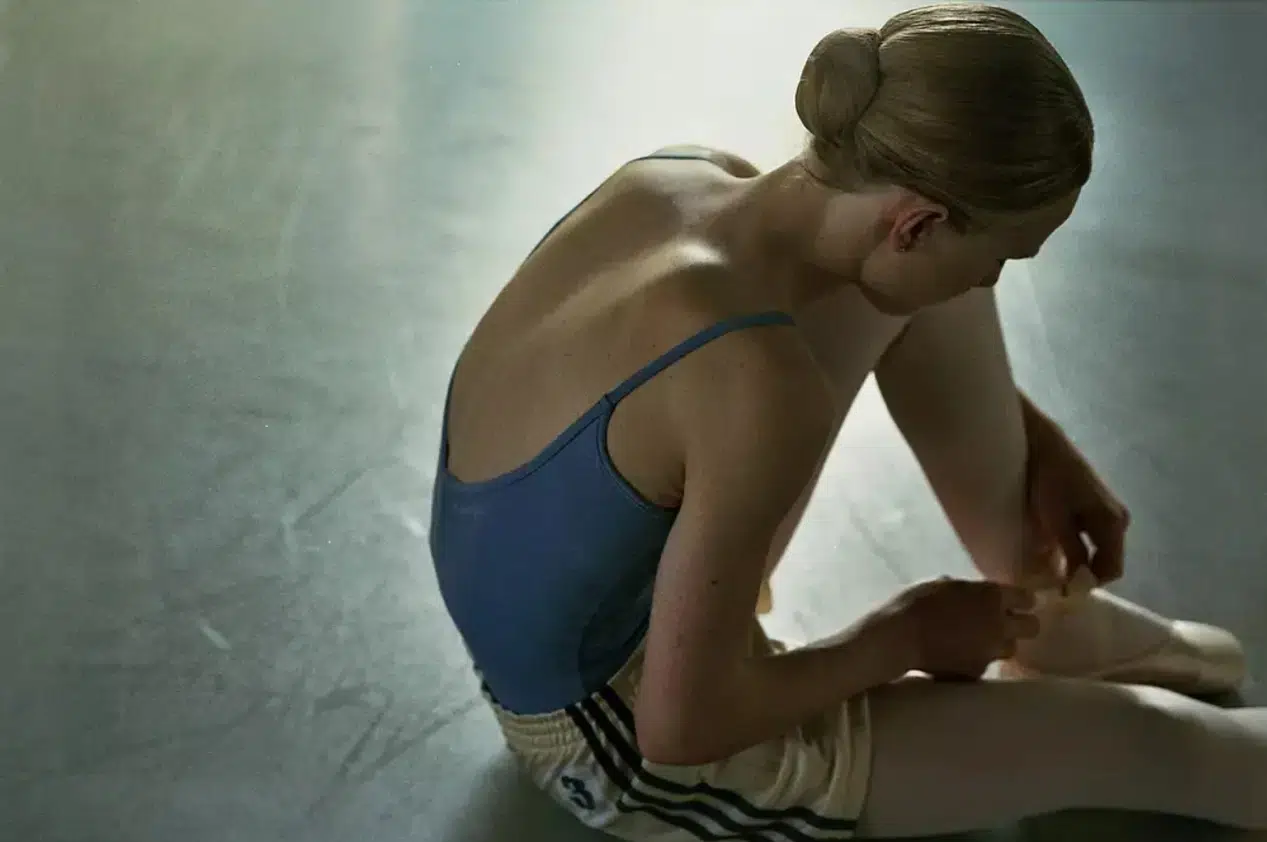
Victor’s undeveloped, slender physique and delicate, fair facial features gave him an innate advantage in portraying the character. Besides his physical suitability, Victor’s performance was also vivid and dynamic. In his actions and expressions, he not only presented the shyness and bashfulness of a “girl’s heart” during puberty but also detailed the character’s strength and stubbornness when faced with difficulties brought on by a “boy’s body.”
Two scenes left a particularly deep impression on me: one was when Lara’s toes, wrapped too tightly and damaged by intense dancing, caused her immense pain. In the dance studio, she had to endure the pain and continue dancing. Despite sweating profusely from the pain, she hesitated and silently wiped the sweat, continuously exhaling. Her resilient and fearful eyes trembled slightly, evoking deep compassion. The second scene was at the film’s end. After enduring much pain, Lara walked confidently and gracefully through an underground passage. From her slightly upturned mouth and raised head, you could sense a sense of liberation and confidence after weathering the storm. Honestly, this shot could be considered one of the most beautiful in 2018.

Lastly, I must commend the film’s depiction of the father. He is the most understanding, gentle, and supportive father I have ever seen on screen.
No matter what decisions young Lara makes, the father consistently supports her throughout the film. He not only accompanies Lara to see doctors and consult about surgeries but is always there when Lara needs help. If all LGBT people’s families were as understanding as this father, the world would undoubtedly be millions of times better.





Share your thoughts!
Be the first to start the conversation.