
Media can be a powerful tool for education and acceptance. Or rather, it can be, if it's thoughtfully made. When I first clicked on Goyo, I didn’t have much hope. I don’t have an official autism diagnosis, but I did score 124 on the RAADS-R test (if you know, you know). As a result, I've done a decent amount of research and learned about the diversity and struggles of the autistic community - diversity and struggles which unfortunately rarely find their way onscreen. Goyo looked like more of the same.
But luckily, Goyo was a pleasant, if imperfect, surprise.
If you haven’t watched the movie, Goyo is the story of Goyo (shocker), an autistic man who works as a guide in an art museum. One day, he falls in love with a stranger on the street - an older woman named Eva who just so happens to be his new coworker. Goyo sees her as his new muse and decides to pursue her, but between his diagnosis and her estranged abusive husband, things get complicated fast.
I won’t spoil the whole thing, but let’s just say it was refreshing to see a movie about a character with autism that wasn’t ABOUT autism. Instead, it’s a pretty standard romance film where one of the characters has autism. It’s a delicate distinction, but an important one nonetheless.
That isn’t to say the film doesn’t delve into what it means to exist as an autistic person, though. It doesn't make out autism to be a horrible, debilitating illness. Instead, Goyo’s special interest in art makes him not just a good museum guide but a skilled artist too - a skill that helps him pick up ladies, as we see with his portrait of Eva. Not only that, Eva likes Goyo in part because of his autism, saying that it makes him a more honest and caring person.
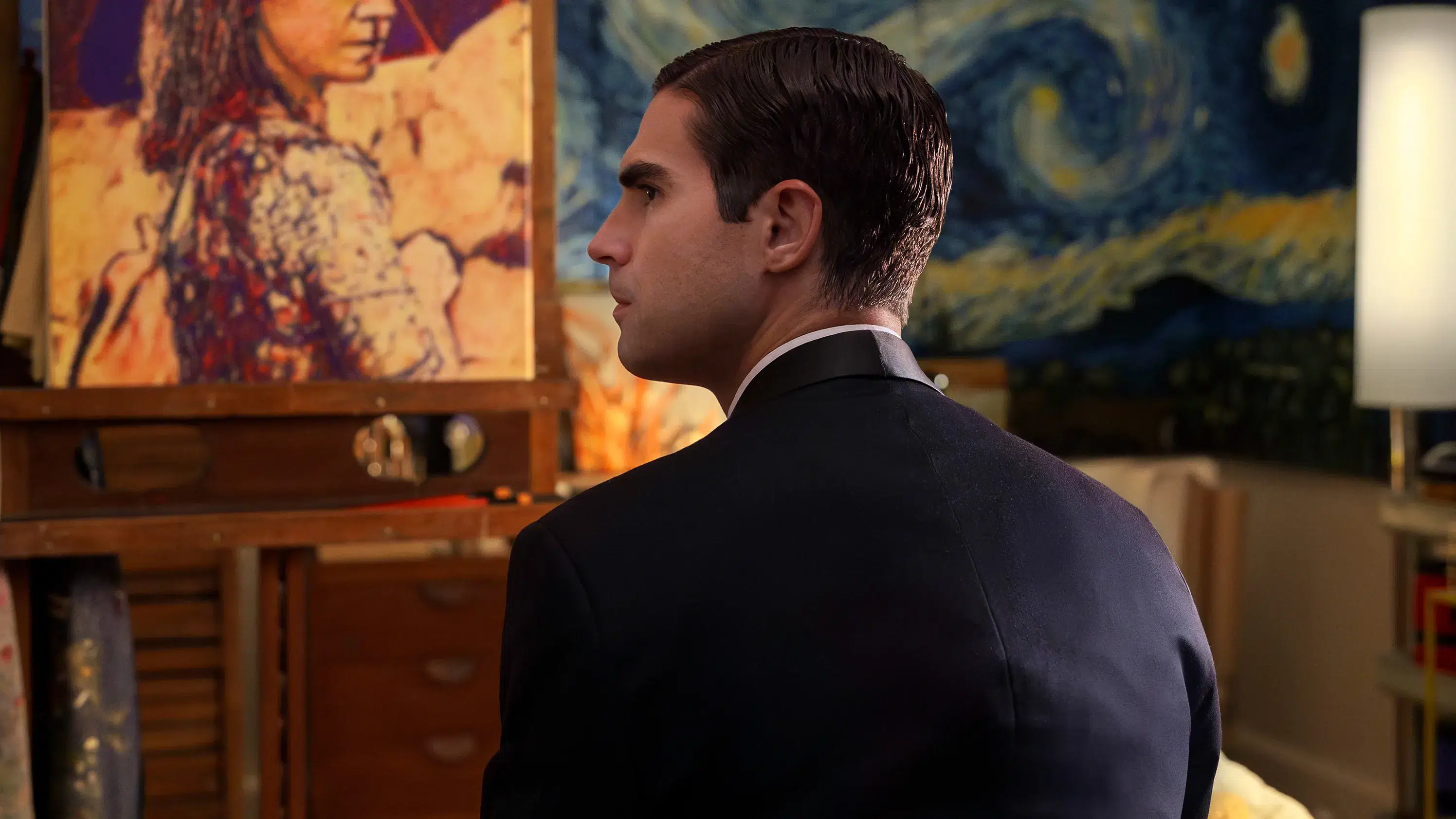
Still, Goyo’s autism isn’t all sunshine and roses. Goyo experiences a (impressively realistic) sensory overload when he follows Eva into the metro one day, scaring her as he struggles to understand social norms. His mother abandoned him because she struggled to understand him or his diagnoses. His sister treats him as a child because she thinks he’s too “different” - a well-intentioned impulse, but also a very reductive and limiting one.
While it might seem pretty negative, those are all issues that real autistic people face. If Goyo hadn't included them, it would erase the lived realities of autistic people for the comfort of a neurotypical audience, losing authenticity. Instead, Goyo balances the positives and negatives and even challenges some of the preconceived notions people have about autistic people, forcing the audience to confront their own biases.

Like I said, though, Goyo was an imperfect surprise, which brings us back to Goyo’s depiction as “more honest” - literally, Eva says he never lies. Sure, some autistic people don’t lie… but not because of their diagnosis. It’s because they don’t want to, not because they can’t.
And that's just the thing. In theory, there’s nothing wrong with Goyo’s depiction of autism. It's only problematic in the context of other media about autistic people, because it's another case of what I call the “perfect autist” character that's in everything. From Atypical to The Good Doctor or, god forbid, , there seems to be a mythical universal autistic experience - one where autistic people check off just about every single diagnosable “symptom” and even some non-symptoms people have decided to associate with autism.
It's not just the inability to lie. Sensory overload, savant syndrome, lack of eye contact, difficulty with social norms, stimming... The only thing that never seems to show up is masking, which is where autistic people force themselves to hide their autistic traits. Do people like Goyo and all the other characters exist? Sure, that’s how autism presents in some people… just not as often as shows and movies would have you think.
Only showing this one version of autism and especially portraying these autistic characters as inherently good and kind-hearted is infantalising in its own way when it's the only kind of autism that exists onscreen. I wish there were autistic characters onscreen with a bit more complexity than “walking autism”, ones that showed the vast range of human experiences that autistic people can have rather than just showing the same autistic archetype as always. Hell, maybe some of them could even be evil and cruel sometimes.

In the end, am I mad about Goyo? No. It’s not the best representation, but it’s not the worst either. I read that the creators collaborated with experts, and I can believe it - I just wish they’d gotten a bit more input from actual autistic people, too. Movies like Goyo want autism to be understood by non-autistic people, I get it. But by only showing one image of it, that's all the audience learns to understand.
It's better than nothing, sure... but it means actual autistic people get told they’re not autistic enough because they don’t seem like the caricature onscreen.
So it's still not good enough.
If you’ve watched Goyo, let me know what you thought about Goyo's characterisation! Better yet, let me know if there’s anything else I should watch that has really good autism representation.
Thanks for reading!





Share your thoughts!
Be the first to start the conversation.