
As you settle into your seat, prepare to embark on a chilling journey into the depths of human depravity. “Silence of the Lambs” is a masterpiece of psychological horror, weaving a tapestry of suspense that will leave you breathless. This groundbreaking film, directed by Jonathan Demme in 1991, invites you to explore the intricate dance between good and evil, sanity and madness. From its haunting performances to its meticulously crafted plot, every element of this cinematic triumph demands your attention. Join me as I dissect the layers of this thrilling masterpiece, uncovering the genius that has captivated audiences for decades and continues to set the standard for the genre.
The Plot and Characters of The Silence of The Lambs
A Chilling Narrative Unfolds
At the heart of this feature film lies a gripping story that intertwines the lives of its complex characters. You will be drawn into the world of Clarice Starling, a young FBI trainee who finds herself caught up in the pursuit of a serial killer known as "Buffalo Bill". As we follow Clarice's journey, you will witness her determination and vulnerability in equal measure as a perfect yin and yang balance, making her a compelling protagonist you can't help but root for.

The Dance of Minds: Clarice and Hannibal
The film's narrative reaches its zenith in the interactions between Clarice and Dr. Hannibal Lecter, a brilliant psychiatrist turned cannibalistic serial killer. Their psychological cat-and-mouse game forms the backbone of the story, creating a tension that will keep you on the edge of your seat. Hannibal's creepy intellect and manipulative nature serve as both an obstacle and a twisted form of mentorship for Clarice, adding layers of complexity to their relationship, being a particular visionary of master and apprentice.

The Elusive Buffalo Bill
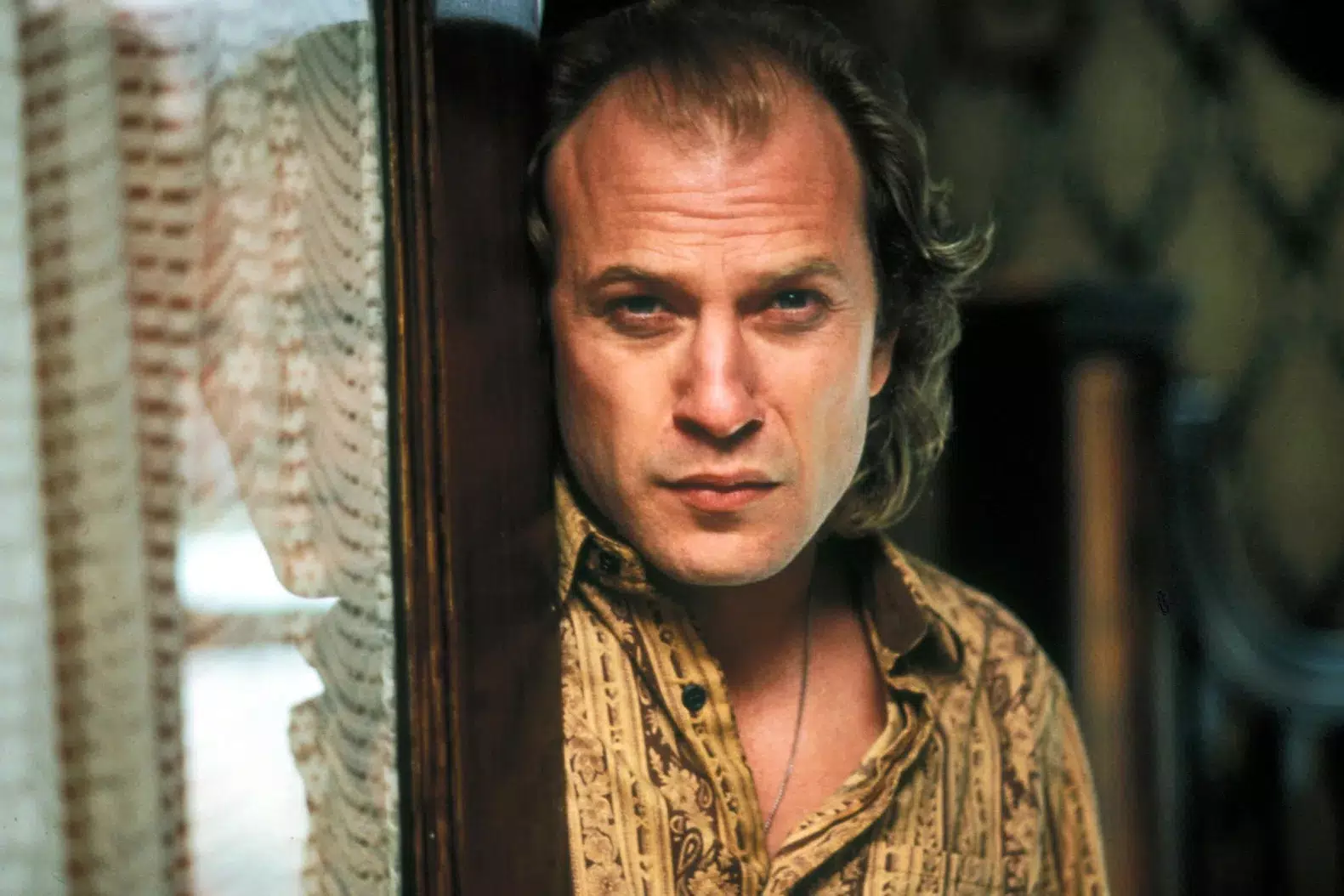
As the plot unfolds, you are drawn into the hunt for Buffalo Bill, whose heinous crimes drive the urgency of Clarice's mission. The killer's unsettling motives and methods create a sense of dread and overwhelm that permeates every scene in which we are immersed in this troubling plot. This subplot not only drives the narrative, but also serves as a dark mirror, reflecting society's fears and the depths to which human depravity can reach. It weaves a psychological tapestry that leaves you captivated and unsettled long after the credits, but, in its counterpart, grips and fascinates you like good filmmaking mastery.
An Analysis of Hannibal Lecter, the Iconic Villain
The Cunning Mastermind
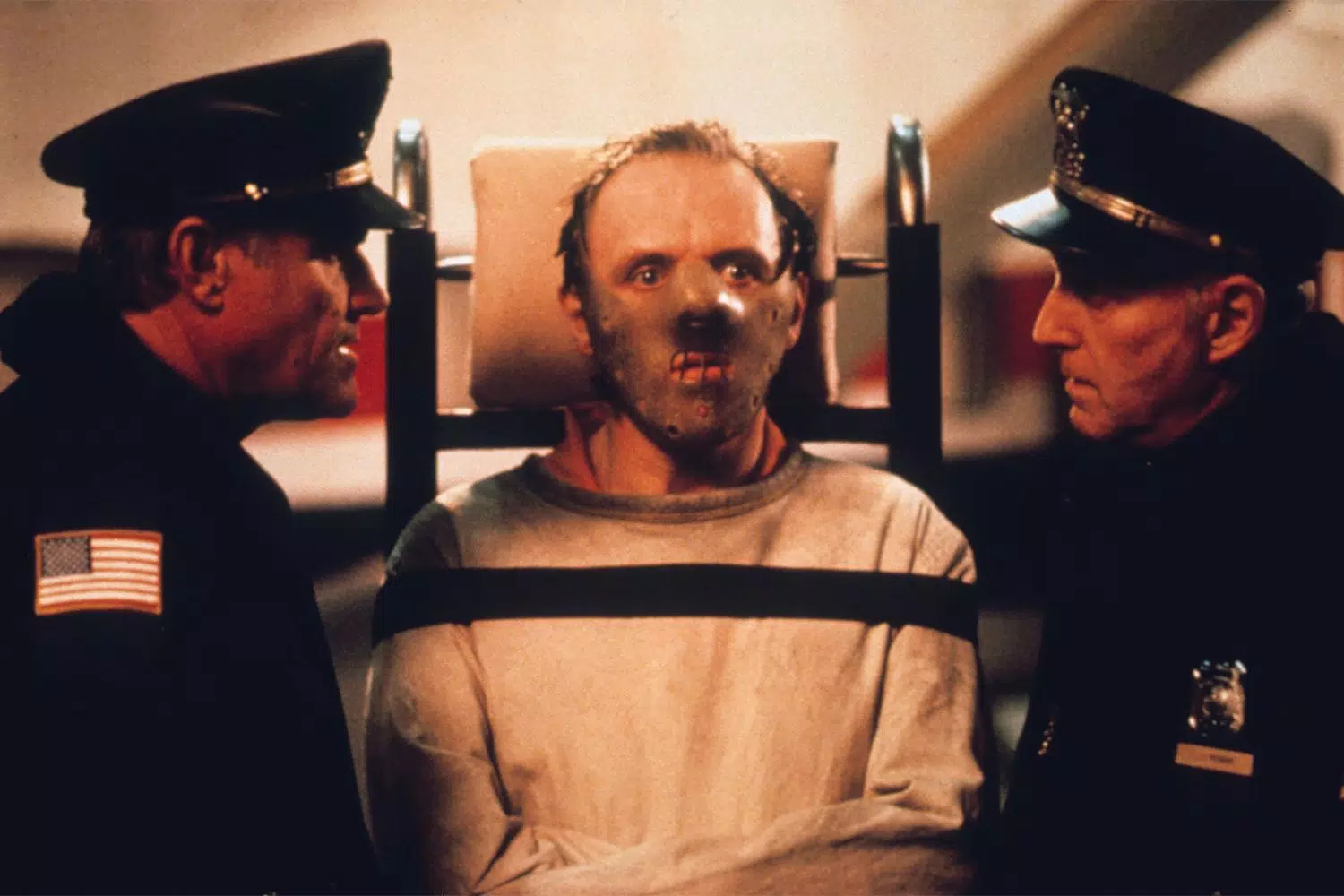
Hannibal Lecter, played masterfully by Anthony Hopkins, is one of cinema's most captivating and terrifying villains. His character in this film is a perfect blend of sophistication and savagery, intellect and madness. As a former psychiatrist turned cannibalistic serial killer, Lecter's deep understanding of the human psyche makes him a formidable adversary and an absolutely dangerous one for anyone without the mental strength to confront him.
What sets Lecter apart is his ability to manipulate those around him, even behind bars. His interactions with FBI trainee Clarice Starling (Jodie Foster) show his uncanny talent for getting under people's skin, both figuratively and literally. Lecter's refined tastes in art, such as his paintings hanging in his cell, create a shocking contrast to his brutal nature, adding layers of relief to his arc as a complex character. A great demonstration of his glorious and dangerous abilities is with the same protagonist with whom we track all the plot seen in the film, which we will address below.

The Psychological Puppet Master
Lecter's most powerful weapon is his intellect. He does not merely physically dominate his victims, but outwits them with intricate mind games that leave lasting psychological scars. His conversations with Clarice are a masterclass in psychological manipulation, as he gradually peels back layers while revealing very little about himself. The character's influence on popular culture cannot be overemphasised. Lecter's famous line: "I ate his liver with some fava beans and a nice chianti", accompanied by that chilling whistle, has become iconic. His performance redefined the concept of the "intelligent psychopath" in cinema and influenced countless subsequent villains, simply a chef kiss on an artistic level.

A Complex Antihero
Despite his monstrous actions, Lecter paradoxically becomes something of an anti-hero throughout the film. His assistance in the capture of Buffalo Bill creates a moral ambiguity that keeps the viewer uncomfortably trapped and naively empathetic. This complexity makes Hannibal Lecter not only a villain to be feared, but a character to study and, in a twisted way, appreciate for his depth and mineral-rich nuances in understanding a great written character.
Clarice Starling as the Brave yet Flawed Heroine
A Complex Protagonist
Clarice Starling becomes one of cinema's most compelling protagonists during the nearly two hours we see her on screen. As an FBI trainee on a high-stakes investigation, we witness her unwavering determination and keen intellect. However, beneath her tough exterior lies a vulnerability that makes her identifiable and human.
The story of our beloved spunky young woman, scarred by childhood trauma and a burning desire to prove her worth, adds tools to her towering construction. You can't help but root for her as she navigates the male-dominated world of law enforcement, facing scepticism and sexism with calm composure.

Facing Inner Demons
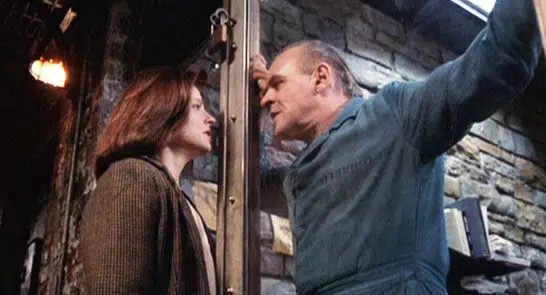
As you follow Starling's journey, you'll realise how her search for Buffalo Bill forces her to confront her own psychological scars. The film masterfully interweaves her personal struggles with the investigation, creating a multi-layered narrative that keeps you on your toes with every witty detail. His interactions with Hannibal Lecter mirror and reveal his deepest fears and insecurities. You are captivated by the psychological chess game between these two characters, in which Starling must decide how much of herself to reveal in order to catch a killer, succumbing to the king on the board to catch the one whose pawn dares to reach the other side.
A Symbol of Perseverance
Clarice is a testament to the power of perseverance. Despite facing overwhelming obstacles and personal demons that have plagued him all his life, he never wavers from his goal. Her bravery in the face of unimaginable horror inspires and gives pause to those who in the face of doubt choose to decline the call. Watching her navigate the twisted world of serial killers and bureaucratic hurdles even engenders a new appreciation for the complexities of law enforcement and the psychological toll it can take. Starling's journey serves as a powerful reminder that true strength often comes from facing our deepest fears, because that's what bravery is all about, facing what's most terrifying despite being terrified of it.

The Thrilling Cat-and-Mouse dynamic between Lecter and Starling
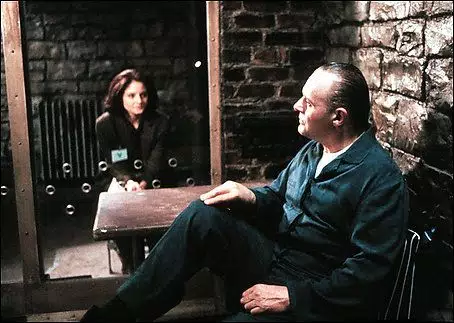
The pulse-pounding tension of Silence of the Lambs arises from the intricate psychological dance between Dr. Hannibal Lecter and FBI trainee Clarice Starling. Their interactions form the film's glittering core, creating a riveting tug-of-war that leaves us anxious to see each other's next move.
A Battle of Wits
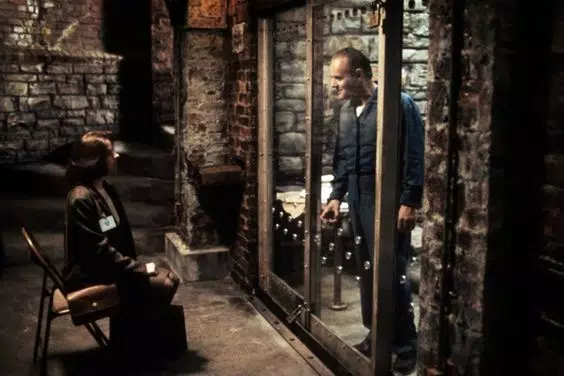
Dr. Lecter, brilliantly played by Anthony Hopkins, is a cunning adversary who revels in psychological manipulation. His keen intellect and sardonic wit make him a sadistic opponent for the young and inexperienced Starling. However, Jodie Foster's Clarice proves to be more than a match, as her determination and quick thinking allow her to take on the pretentious cannibal.
Their verbal sparring is a masterclass in building tension, with each word carefully chosen and laden with hidden meanings. Lecter's probing questions and cryptic clues are met with Starling's unflinching resolve, creating a palpable electricity that crackles in every scene they share.
A Dangerous Alliance
As the story unfolds, the dynamic between Lecter and Starling evolves into an unlikely partnership. Lecter's fascination with Starling's past and her vulnerability become key elements of their relationship, adding particular interest and complexity to their interactions. This dangerous alliance keeps us guessing as to Lecter's true motives and the degree of trust Starling places in him.
The film masterfully balances this delicate relationship, never allowing the viewer to become entirely comfortable with their collaboration. It is this constant state of unease that elevates the cat-and-mouse game to new heights, making it one of the most memorable aspects of this cinematic masterpiece.
The Horrifying Murders by Buffalo Bill
A Pattern of Terror
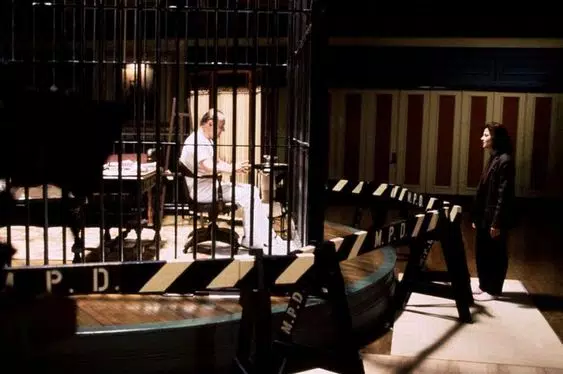
The Dantesque murders perpetrated by Buffalo Bill form the disturbing backdrop to "Silence of the Lambs". This serial killer, whose real name is Jame Gumb, instils fear with his grisly modus operandi. Throughout the film, the disturbing details of his crimes will ensnare you, being justly achieved by our beloved protagonist, Clarice.
Buffalo Bill's victims are always young women, carefully selected for their physical attributes. His most characteristic method consists of kidnapping them and holding them captive in a makeshift pit inside their house. The terror doesn't end there: Buffalo Bill's ultimate goal is to create a "woman's suit" made from the skin of his victims, a grotesque reflection of his disturbed psyche and mental illness.

The Hunt for a Killer
As the body count rises, we witness the intense pressure on the FBI to capture this elusive and sick killer. The discovery of each new victim adds to the tension, as Buffalo Bill always seems to be one step ahead of law enforcement. The film masterfully portrays the race against time to stop this psychopath from taking the life of his next victim. The investigation takes unexpected twists and turns, leading you through a maze of clues and red herrings. Clarice pieces together the puzzle of Buffalo Bill's identity and motivations. The hunt for this killer becomes not only a physical pursuit, but a constant and tedious psychological game which engages you until the very last moment in dubious darkness as we see the state of danger for Clarice.

The Underlying Themes of Good vs Evil
The battle between good and evil takes centre stage, presenting a nuanced exploration of morality that fascinates us. This psychological thriller delves deep into the human psyche, challenging our perceptions of what is rightly moral or unethical.
The blurred boundaries of morality
In essence, the film presents a world in which the boundaries between good and evil are not always clear-cut. Starling embodies the forces of good, but must navigate a morally ambiguous landscape where her interactions with Dr. Hannibal Lecter, brilliant psychiatrist and cannibalistic serial killer, blur the lines between ally and enemy. This peculiar relationship forces us to question the very moral compass on which we will have to take direction.

The nature of evil
The film does not shy away from portraying the darker aspects of human nature. Buffalo Bill, the main antagonist, is a chilling representation of evil incarnate. His horrific acts contrast with Clarice's unwavering quest for justice. However, the film also suggests that evil is not always born, but sometimes made, a product of trauma and social failures that can trigger a myriad of attitudes that lead to the psychopathic madness of every serial killer in a great film.

Redemption and sacrifice
We also explore the themes of redemption and sacrifice. Clarice's determination to save Catherine Martin, Buffalo Bill's latest victim, symbolises the power of will to overcome with justice in the face of a murderer's evil no matter what it takes, including letting your innermost demons be known to a former psychiatrist turned cannibal killer. This quest for redemption extends to Clarice herself, who confronts her own past traumas as she struggles to prove her worth in a male-dominated field and take up her recognised position after solving the case
Outstanding acting and direction
Masterful direction by Jonathan Demme
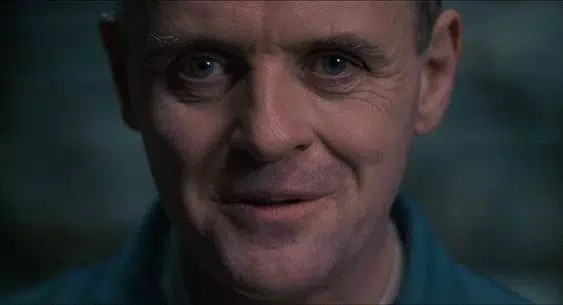
Jonathan Demme's direction is extraordinary. You'll notice his unique approach to framing the characters, often placing them in direct eye contact with the camera. This technique creates a haunting intimacy, drawing you into the psychological depths of the story. Demme's use of close-ups, especially in scenes of intense dialogue, heightens the tension and makes you feel as if you are in the same room clashing manipulative and resolute intellects with Clarice Starling and Hannibal Lecter.

Jodie Foster's compelling performance
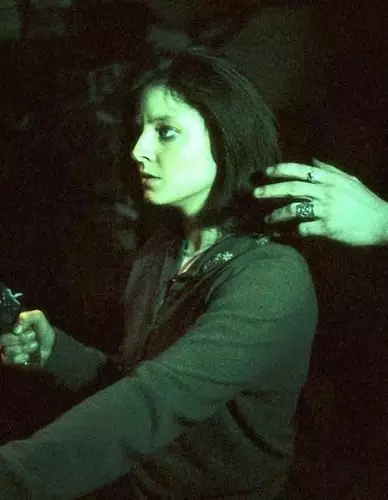
Jodie Foster's performance as FBI trainee Clarice Starling is a feat. You'll be captivated by her ability to convey both vulnerability and determination. Foster's nuanced performance brings depth to Starling's character, allowing you to empathise with her struggles while admiring her resilience, and even her natural beauty. Her interactions with Anthony Hopkins are especially riveting, and demonstrate her ability to take on one of the most iconic villains in contemporary cinema.
Anthony Hopkins's chilling Hannibal Lecter
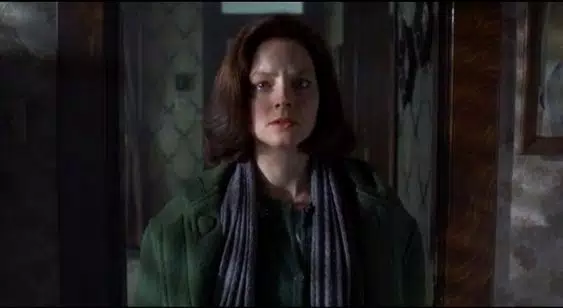
Anthony Hopkins gives a career-defining performance as Dr. Hannibal Lecter. His portrayal of the brilliant but twisted psychiatrist will both repulse and fascinate you. Hopkins' ability to convey menace with just a look or a slight change of tone is truly remarkable. His scenes with Foster exude an overwhelming tension that carries the excellent script through his dialogue, creating some of the most iconic moments in the entire film that would go down in posterity.

Cast excellence
The cast also shines, with standout performances from Scott Glenn as Jack Crawford and Ted Levine as Buffalo Bill. Their performances add authenticity to the film, creating a rich tapestry of characters that enhance the viewer's overall experience. The fact that each actor brings his or her best, contributing to the intense atmosphere and psychological complexity of the plot, enriches on other levels the film's overall critical value.

The film's enduring legacy and influence
A milestone in psychological horror
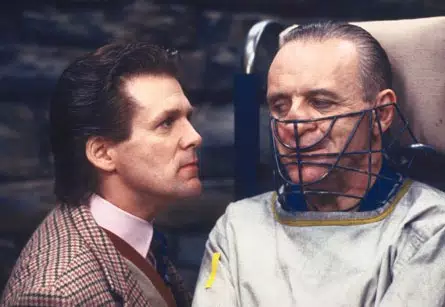
"Silence of the Lambs has left an indelible mark on the psychological horror landscape, setting a new standard for the genre ever since. Its masterful blend of suspense, character development and psychological depth has influenced countless films and television shows in the decades since its release in '91. The film's ability to create tension without resorting to excessive gore and scares has become a model of intelligent horror storytelling, and for myself, I find it to be the best resource for telling this kind of story.
Cultural impact and iconic status
The film's impact goes far beyond the cinematic realm. Hannibal Lecter, brilliantly played by Anthony Hopkins, has become one of the most recognisable villains in pop culture. For example, his iconic line: "I ate his liver with some beans and a nice Chianti", along with the infamous slurping sound, has been parodied and referenced countless times. Similarly, Buffalo Bill's haunting "He puts the lotion in the basket" scene has become a cultural touchstone, demonstrating the film's lasting imprint on our collective consciousness over the years.
Influence on female representation in cinema
Jodie Foster's portrayal of Clarice Starling broke new ground for female characters in the thriller and horror genres. Starling's intelligence, determination and vulnerability created a complex and relatable protagonist, paving the way for more nuanced female roles in traditionally male-dominated genres. This shift in representation has had a lasting impact on the way women are portrayed in film, inspiring future filmmakers to create strong, multi-dimensional female characters, citing an example of this, despite not directly being an inspiration, Kim Wexler from Better Call Saul serves as an example to note the cultural impact that such roles as Jodie Foster's had on the film world.

Critical acclaim and awards recognition
This film achieved the rare feat of sweeping the "big five" Academy Awards: Best Picture, Director, Actor, Actress and Screenplay. This unprecedented success for a horror film elevated the status of the genre in the eyes of critics and audiences alike, challenging preconceptions about the artistic merit of horror cinema. Its critical acclaim has ensured its place in film history and continues to inspire new generations of filmmakers to push the boundaries of the genre, though none quite matches Jonathan Demme's unbridled mastery.

The Silence of the Lambs: Discussion and Analysis
A masterpiece of psychological thrillers
This thriller stands as the pinnacle of psychological horror, captivating audiences with its intense narrative and unforgettable characters. This critically acclaimed film, directed by Jonathan Demme, delves deep into the human psyche, exploring the darkest corners of the mind. Its gripping plot, centred on FBI intern Clarice Starling's pursuit of a serial killer, keeps the viewer on edge from beginning to end for an impressive innocent addiction to the emotional and reflective dilemmas seen in the footage.
Iconic performances and character dynamics
At the heart of the film's success are the stellar performances of Jodie Foster as Clarice Starling and Anthony Hopkins as Dr. Hannibal Lecter. Their on-screen chemistry is electrifying and tense, creating a complex and fascinating dynamic that drives the narrative. Hopkins' portrayal of Lecter is especially chilling, embodying a brilliant, twisted mind that has become synonymous with cinematic villainy.

Themes of power and vulnerability
The film masterfully explores themes of power, gender and vulnerability. Clarice Starling's journey as a young woman in a rightfully male-dominated world adds depth to the story, highlighting the challenges she faces both professionally and personally. The predatory nature of Buffalo Bill, the serial killer she pursues, further accentuates the exploration of power dynamics and the objectification of women.

Visual storytelling and atmosphere
Demme's direction, along with Tak Fujimoto's cinematography, creates a tense, claustrophobic atmosphere that perfectly complements the psychological elements of the story. The use of close-ups and subjective shots immerses the viewer in the world of the characters, making the experience even more visceral and impactful.

Conclusion
When you reflect on your first viewing, think about how this landmark film continues to captivate audiences decades after its release. Its masterful blend of psychological horror and crime thriller elements, coupled with unforgettable performances, has cemented its place in film history within the horror genre. Its exploration of the human psyche, its tension-filled plot and its wonderful characters have left an indelible mark on both its own enraptured post-release genre and cinema in general. The Silence of the Lambs is a particular and incredible journey into the depths of human nature and the complexities of good and evil, like the mere yin and yang itself. And remember, when waking from a nightmare, only you can know whether you will continue to hear the cry of the lambs at dawn, or whether you will continue to be haunted by their silence.




Share your thoughts!
Be the first to start the conversation.