
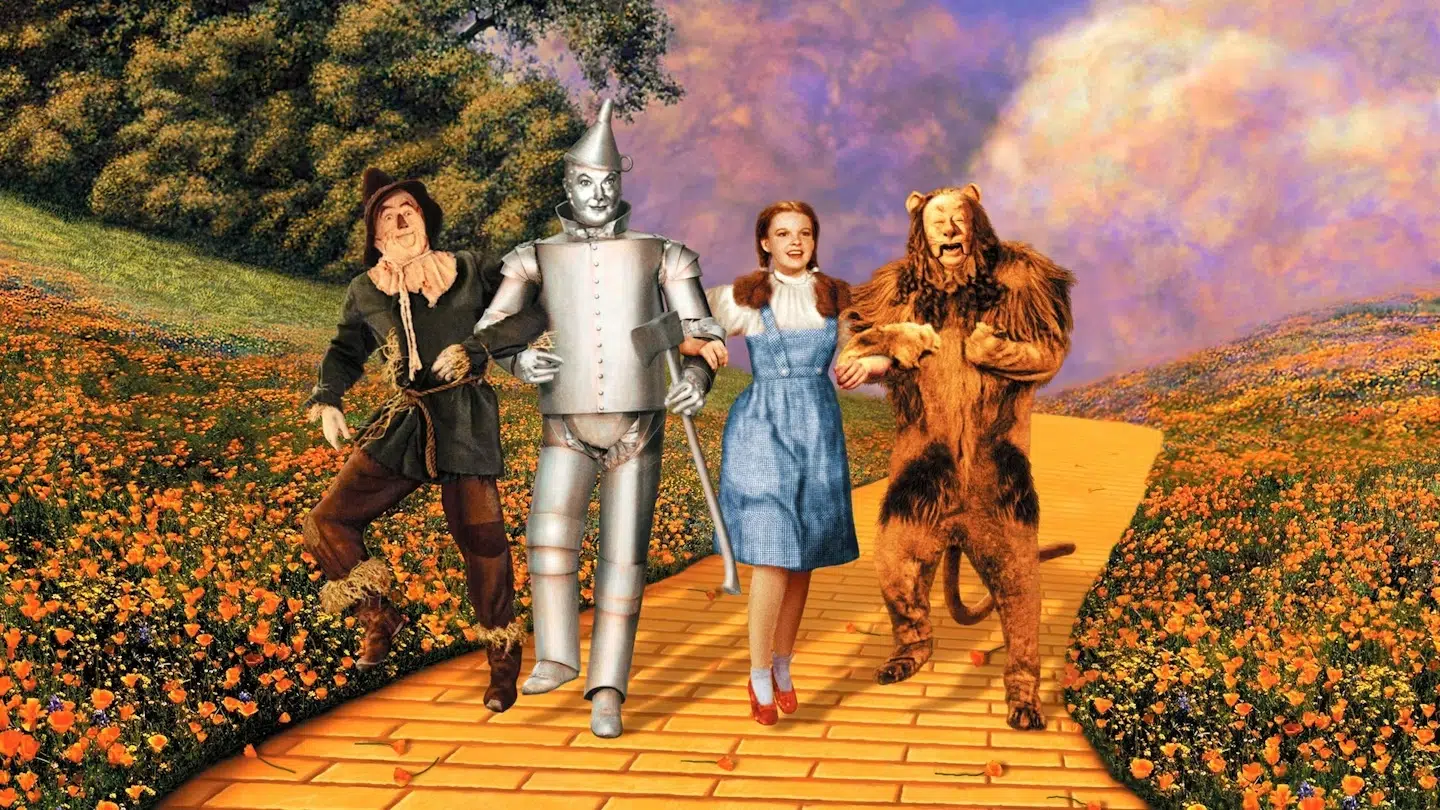
 When you’re a child and you watch a film about a young girl taken from her home and having to confront both a tornado and the Wicked Witch of the West, life and your outlook on it will truly change forever. Even if you are very young, something changes within you. Having the experience to then watch that same film years later, after having seen it multiple times previously for different reasons (including for University studies), on the big screen alters your perspective even more. Lucky for me, Picturehouse at FACT presented The Wizard of Oz (Fleming, 1939) on the big screen as part of their Tribute to David Lynch season, happening at Picturehouses across the UK throughout 2025.
The Wizard of Oz is one of those films that sticks with you. Not only has it provided magic for children and families around the world, but it has affected so many directors in the past. It gives them inspiration to create new masterpieces that follow up from a tremendous feat for cinema – David Lynch’s Wild At Heart (1990), and even the likes of the Coen brothers have both been influenced by the masterpiece that is The Wizard of Oz. At the time of its release it shaped the way for a new era of cinema with Technicolor use and all the elements incorporated within. Yet nowadays when discussing The Wizard of Oz some might focus more on what actually happened behind the scenes and was what happened truly worth the final, and lasting, results? How can a film that has so many production flaws still remain an audience and family favourite after all this time? We may never know, but one thing’s for sure, The Wizard of Oz continues to transport its viewer(s) to a world unknown, no matter how many times they’ve seen it before.
In 1900 L. Frank Baum wrote the novel The Wonderful Wizard of Oz and just under 40 years later, Metro-Goldwyn-Mayer (MGM) produced a film adaptation of the groundbreaking children’s novel. Young, and feeling misunderstood, Dorothy Gale (Judy Garland) lives on a farm with her Uncle Henry (Charley Grapewin) and Aunt Em (Clara Blandick) but wishes to be somewhere else. Though she has friends with the farm’s employees – Hunk (Ray Bolger), Hickory (Jack Haley) and Zeke (Bert Lahr) – being so young keeps her isolated. Their wicked old neighbor Miss Gulch (Margaret Hamilton) threatens to destroy her dog Toto at all costs, which drives Dorothy to run away. After a chance encounter with Professor Marvel (Frank Morgan) – a con-artist magician – she returns home. Only, she did not return home, a cyclone hits as she enters the farm and Dorothy hits her head. The house begins to spin, and Dorothy in the house get sucked up into the tornado. When she lands, she finds herself in the magical land of Oz. She finds new friends in a scarecrow (Bolger), a tin man (Haley), and a cowardly lion (Lahr). The four friends head to the Emerald City to meet the wizard in hopes of returning Dorothy home. The only thing in the way of their success is the Wicked Witch of the West (Hamilton).

The Wizard of Oz is a true feat for cinema with Judy Garland and Margaret Hamilton giving career changing performances. Almost 90 years later it is still celebrated for its use of Technicolor. Directed primarily by Victor Fleming, until he left to take over Gone With the Wind (1939), the problems with The Wizard of Oz stem from behind the scenes and production issues. Most of us are aware of the stories from creating The Wizard of Oz – Garland’s terrifying treatment, Hamilton suffered second degree burns from a prop malfunction, the snow in the poppies had asbestos mixed in, and much more – yet film connoisseurs continue to return to this masterpiece of cinema. When you’re a child watching The Wizard of Oz you’re most likely lost in the magic or scared of a tornado coming through your small town in Canada, but your perspective changes as you age. Years later, when you’ve gone from a Disney princess kid to a film studies student, watching the film requires a different eye and just so happens to provide one with age as well. You see so much more, both the good and the bad, that you’d have not seen at such a previously young age. The Wizard of Oz leaves you in the era of Technicolor. The change between sepia into colour as Dorothy opens her door into the land of Oz, nothing feels as if it could have been done before in any better way. The main cast of characters each have such distinct qualities to them that, as an adult and film student, you can tell come from within the actor’s portrayal and talent. Different directorial and production choices are evident and their influence on following directors can be seen as well.
Even with the issues surrounding the production, a big screen rewatch of The Wizard of Oz provides a deeper and different view of the film. In many places, it is somewhat comedic what can be seen on the big screen that you would not notice at home on the television (trap doors for special effects events, for example). Yet, the magic comes through so much more. The Technicolor is elevated with crisp colours showcasing each element, highlighting the ruby slippers immensely. The lasting popularity is aided with its reintroduction to audiences of later generations with screenings on television throughout the year and rereleases in cinemas. The connection it made with viewers comes from the empathetic and memorable characters, coming from each actor’s portrayal and talents, as well as the musical numbers.
As previously mentioned, Garland and Hamilton definitely provided performances that changed their careers, and for Garland sent her on a trajectory to lasting fame. Their portrayals of Dorothy and the Witch allowed audiences further connection with the characters deepening the message of the film. Then, add three ‘side-kicks’ to your powerful protagonist and antagonist, you have a superior character list. With any children’s film, the adult appeal comes from the rapport available between the viewer and a character, and The Wizard of Oz does not lack this experience in the slightest. Magic for a child, yes of course, but as an adult and on the big screen, each emotion can be seen and felt more intensely. There’s no doubt about it, the connections made between character and viewer allow for empathy and a want to rewatch the film again and again or share it with someone new.

Originally distributed as a feat of Technicolor, never been done before and leading the way into cinema of the 1940s, The Wizard of Oz has been screened and seen in a number of ways. Black and white on television, beautiful sepia and Technicolor, it continues to evolve and change for the better. You may question why The Wizard of Oz is able to stand the test of time, but it cannot be denied that it was an unequivocal feat for cinema in that era. Remaining relevant and memorable with its audiences – both new and old – The Wizard of Oz is truly a film unlike any other.





Share your thoughts!
Be the first to start the conversation.