
We're currently living in an extremely tumultuous time in terms of…everything. Of course, capitalism is always in full-swing, people are struggling to survive, marginalized communities continue to suffer, and the rich are still getting rich. Horror has always been a genre that's willing to unpack the horrors of the world. We've seen plenty of eat the rich horror films over the years, and it's satisfying to see rich people not get what they want for an entire film.
Though, what about horror that might not pan out for our protagonist(s)? What about horror that focuses on capitalism, where there might not be a happy ending? Occasionally, the horror films that don't give you a “happy ending” are more realistic, as capitalism continues to live on regardless. The following films range in their tones and endings, but they all have one thing in common: one of their themes or their sole theme is capitalism. If you want to read an eat the rich horror listicle then check it out here. Otherwise, buckle up.
Society (1989)
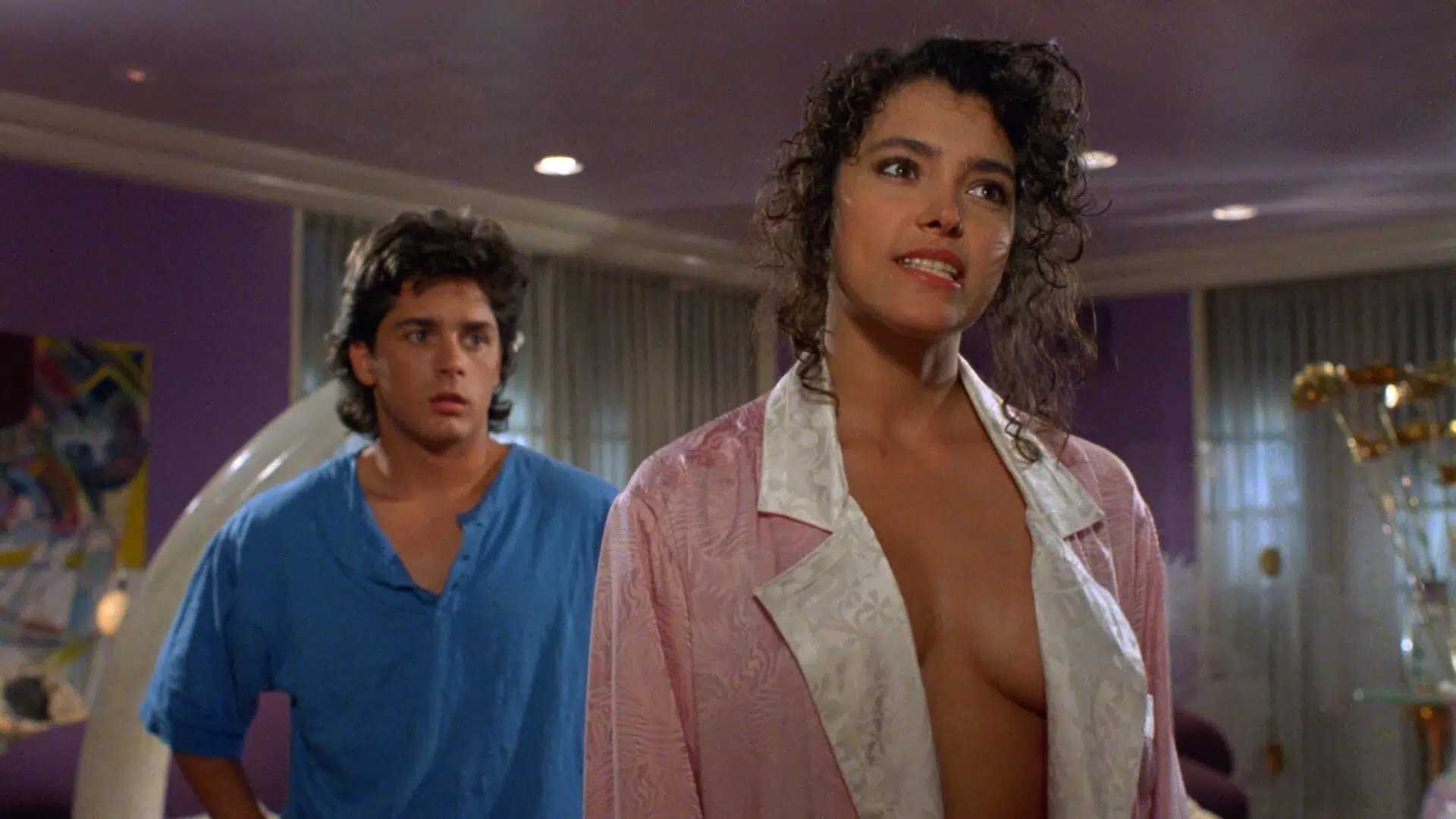
The latter half of Society is extremely bonkers, and you likely have never seen anything quite like it. Society follows a teen who begins to suspect that his family and most of the community are involved in a high society cult. Little does he realize, there's something even nuttier going on than he ever comprehended.
Society is very satirical in how it touches upon how high society (or the social elite) behave. Class division is also a huge part about this film, and those who aren't part of the cult are perceived as less than immediately. The body horror and the bonkers sequences will have your eyeballs growing larger like you're in a cartoon. Spoiling what occurs will only ruin the surprise, but just know that the themes of capitalism and how the elite benefit from it are heavy in this.
Candyman (1992)

It's considered a classic for a reason, and Candyman (Tony Todd) as a horror figure will always be iconic (R.I.P. to Tony Todd). Candyman follows a graduate student named Helen (Virginia Madsen), who finds herself dangerously wrapped up in the lore and legend of Candyman. The original story is from Clive Barker's short story titled “The Forbidden”, but this classic takes on different themes by exploring the exploitation of Black communities, race, and class divide in the US.
Helen's pursuit of Candyman, a desire to exploit the legend and use Black folks in poor communities for her thesis, is what ends up ruining lives. There's no happy end result, and she gets in trouble because of her lack of knowledge on the trauma of the community she's trying to exploit. There are also many other themes going on such as how being rich seldom protects Black folks from the insidiousness of racism, white supremacy etc. Candyman is a film that's rich in social themes, especially capitalism, and is worth revisiting or watching for the first time.
Slaxx (2020)

The idea of a possessed pair of pants might seem too silly, but somehow it works in this horror comedy. Slaxx follows employees at a clothing store who are forced to face off against a possessed pair of jeans. Instead of this being a case of just an angry ghost, there are themes going on regarding consumerism and the horrible reality of how unethical the clothing industry is. Corporate capitalism doesn't care about workers' safety, and they often exploit marginalized people.
Slaxx has funny moments, obviously, but there's a lot being said here about fast fashion and how there's nothing ethical about that. This underrated Canadian gem has so much to say about how our clothing is often made. And the jeans being possessed becomes less silly when the reveal hits. It's a worthwhile horror comedy to check out, potentially get a few chuckles in, and also think about the reality of the clothing industry.
Would You Rather (2012)

A dinner party where you are given money for participating, what could go wrong? The answer: too much. Would You Rather follows Iris (Brittany Snow) who attends a dinner hosted by an extremely wealthy man, but her and the guests quickly realize that what he has planned is deadly. There's no mistaking what this film is about or what it's trying to say about the elite or the world at large. When people get desperate, they make decisions that might be detrimental to them. And rich people will absolutely exploit the poor, as well as those in nearly inescapable debt.
Would You Rather doesn't promise any happiness for its characters, nor does it shy away from being cruel to them. There's a very bleak tone throughout this film and that's not just visually, but also thematically. Everyone is there for reasons that are so commonplace, such as needing money for medical services and procedures, or being in extreme debt due to addiction problems. I get into the film a bit more in this piece, but regardless this is a horror film to watch if you're not seeking a happy ending.
The Belko Experiment (2016)

Forcing people to kill their fellow employees is another level of insidious for corporate big wigs. The Belko Experiment follows mostly American employees working in another country, who find themselves having to kill each other to avoid being terminated. Corporations often pit their employees against one another, and they watch the carnage without experiencing so much as a scratch, so-to-speak. Therefore, this film is a literal take on corporate wars and the lengths people will go to in those environments.
Instead of this being a very serious film, there are comedic undertones woven throughout that might be a bit jarring. Though, they are necessary to break through the violence happening on screen because they are fleeing, being executed based on their value or age, and it's just a very gruelling experience for the characters in The Belko Experiment. What it's saying about corporations, corporate capitalism, and how the rich exploit workers for their own gain heavily thrums throughout this film. And it's also got some solid performances throughout. If you want a horror film set in a locked down office building, you've come to the right place.
(image credit: Tristar Pictures, The Horror Collective, and IFC Midnight)





Share your thoughts!
Be the first to start the conversation.