
It's no secret I love anime, but the type I’m into is usually pretty specific. I lean towards seinen (for adult men/women) or the occasional shoujo(teens/teens). Shounen(for little boys) is always the genre I avoid unless someone literally forces me to watch it.
I’ve never been into action replacing plot or the predictable arcs where the main hero is kind, underestimated and eventually unbeatable. Even now, while my boyfriend is finally getting into anime, I lose my mind watching him gravitate only to the most mainstream shounen titles. He loves the justice strength, friendship pipeline, and I just don’t connect with it.
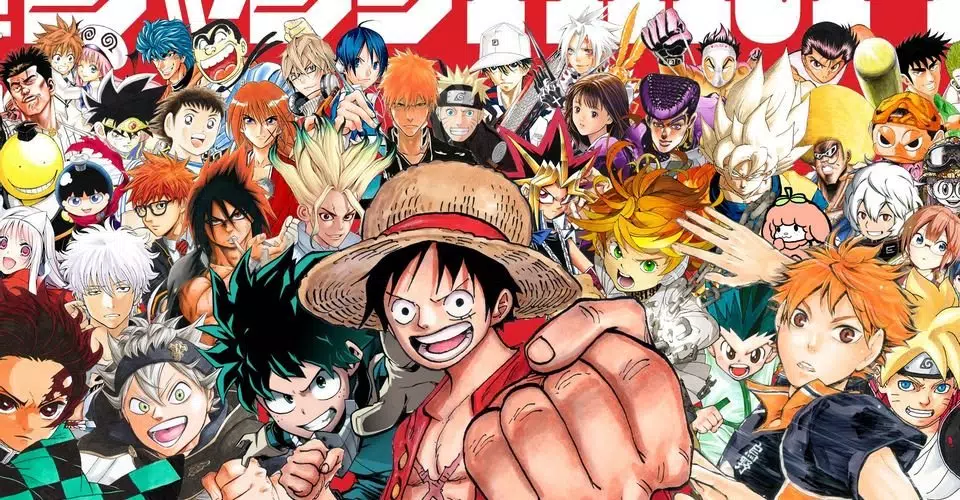
One of the most polarizing parts in a shonen anime is known as the "tournament arc" where characters compete in a structured series of matches, often with brackets, rounds, eliminations, and escalating opponents. It’s basically when the narrative pauses its usual plot to focus on a competition. Unpopular, it's one of my least favourite acts in anime because it doesn't narratively develop the characters or story.
But then I saw Marty Supreme, the new 2025 fictional sports biopic about a table tennis player, and I really had to rethink all my biases. Marty Supreme is literally a shonen anime. Or at least it takes the best parts from shonen anime and leaves out the gunk. Let me explain.
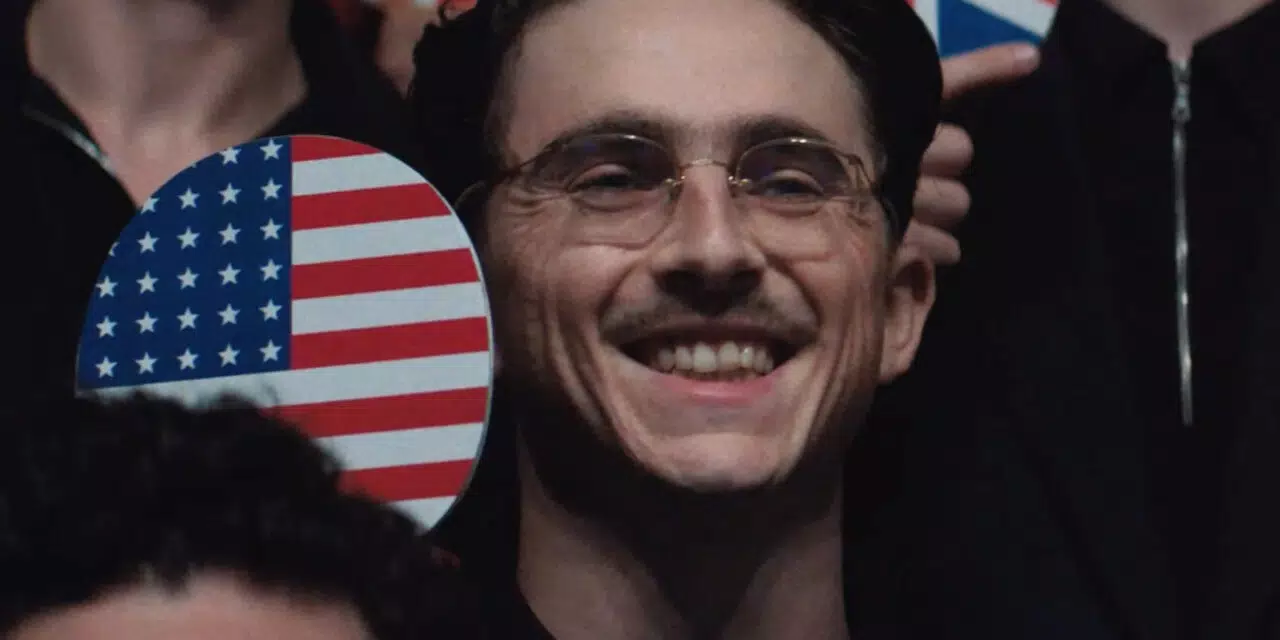
Last week, on a rainy Wednesday afternoon, I had the privilege of accompanying Jenn, the Editor, to an early screening of Marty Supreme. The movie starts with Marty in 1950s New York, selling shoes and barely making rent. He dreams of being a notable table tennis player, but he isn’t some sweet underdog. He crosses boundaries, takes advantage of people and disregards others.
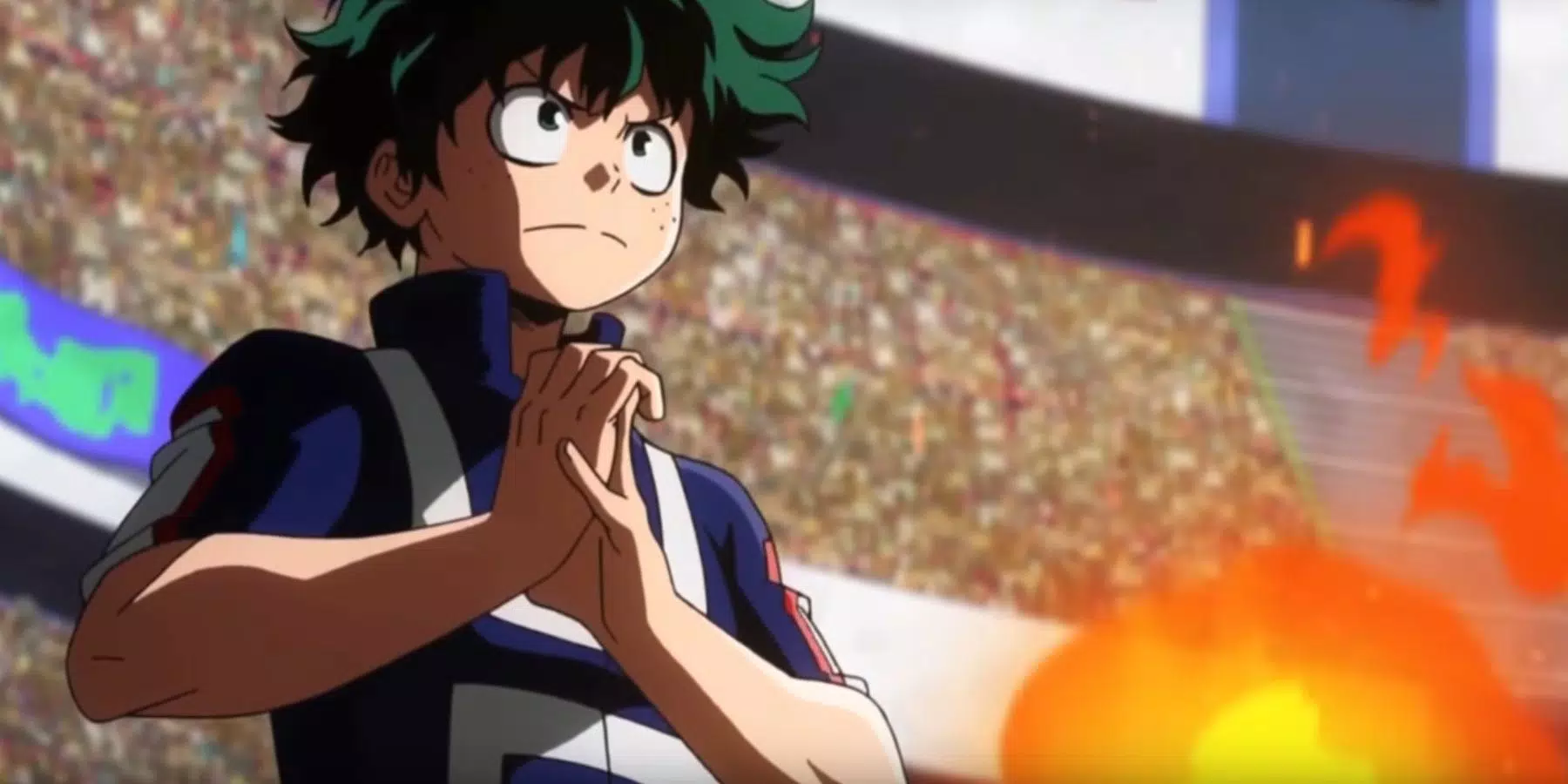
At 1st, this sets him apart from typical shounen protagonists. Think about characters like Izuku from My Hero Academia, who starts off as painfully earnest, or Tanjiro from Demon Slayer, who is basically the definition of pure-hearted. Even Luffy from One Piece, for all his chaos, has an unshakeable moral compass. Marty is nothing like that.

Marty also gets involved with a wealthy actress, and the relationship is tied directly to his hunger for wealth and status. It reflects his obsession with getting somewhere better in life, not just love or chemistry. I might just sound like there's nothing connecting the two, but there's one very important thread.
Despite everything, Marty still gives you moments where you root for him. His love for table tennis is real. He respects the great players he meets. He cares about his childhood friend even though he constantly screws up around her. You see his ambition in a way that feels honest. Much like Izuku, who lives under entirely different circumstances, yet still carries childish traits and the same oversized dreams.

The table tennis matches build tension the same way shounen tournament arcs do. In anime, tournament arcs are used to show growth, pressure and the emotional stakes behind competition.
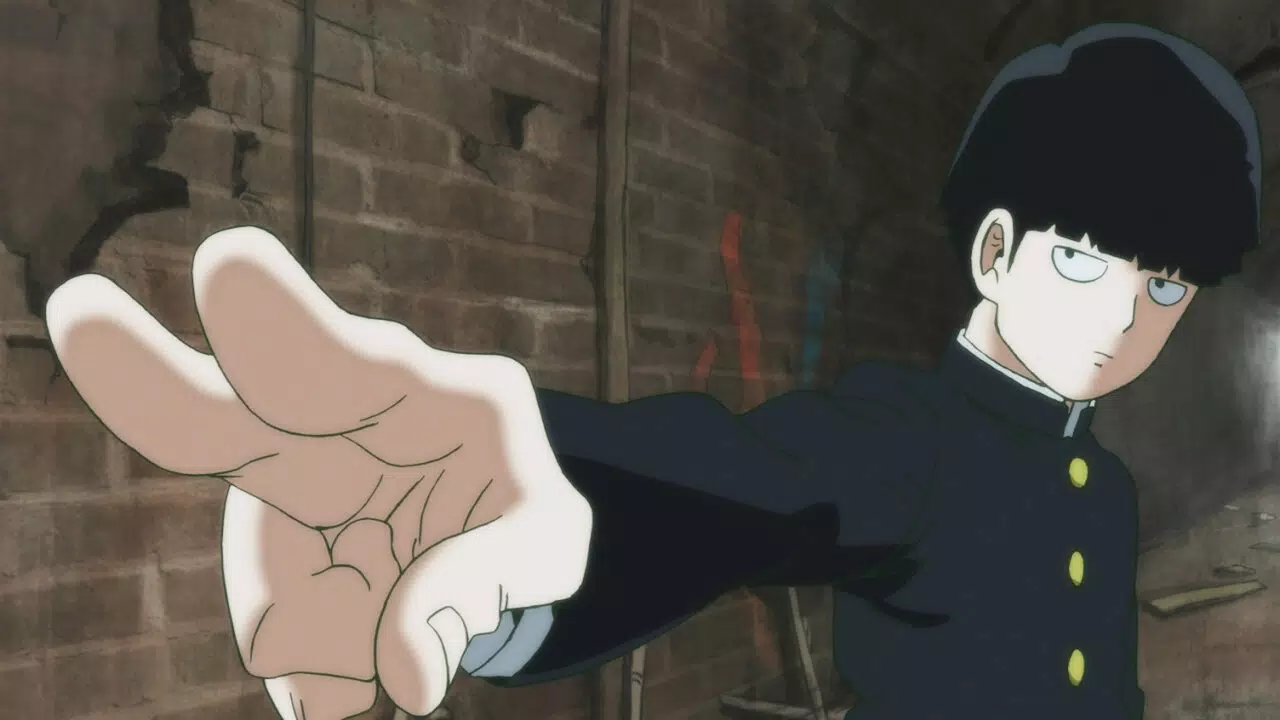
Mob Psycho 100 does this when Mob enters the school tournament, and you realize the story cares more about his emotional limits than the actual sport. Hunter x Hunter uses entire arcs built around matches to reveal how characters break under pressure. Marty Supreme has that same intensity, just grounded in live-action table tennis instead of psychic powers or Nen abilities.
The story moves through his life the same way long-running anime move through arcs. You get one rough situation after another, then a major match, then another setback, then another match. It reminded me of how anime like Bleach structured their pacing. Ichigo faces an emotional or personal hit, then a fight, then a recovery, then another challenge. It is a rhythm that works because it mirrors how life feels when you are chasing a goal.

Marty being successful in the last match against Japanese champion Kawaguchi wasn't a result of rigorous practice or mastering his skill to its fullest potential. But I realized the movie cares less about technical progression and more about what it means to want something so badly that you organize your whole identity around it.
That is the core of so many shounen series. Haikyuu does it with volleyball. Blue Lock does it with soccer. Even Attack on Titan uses its action to explore ambition and personal drive. Marty Supreme fits right into that tradition without copying anything directly.
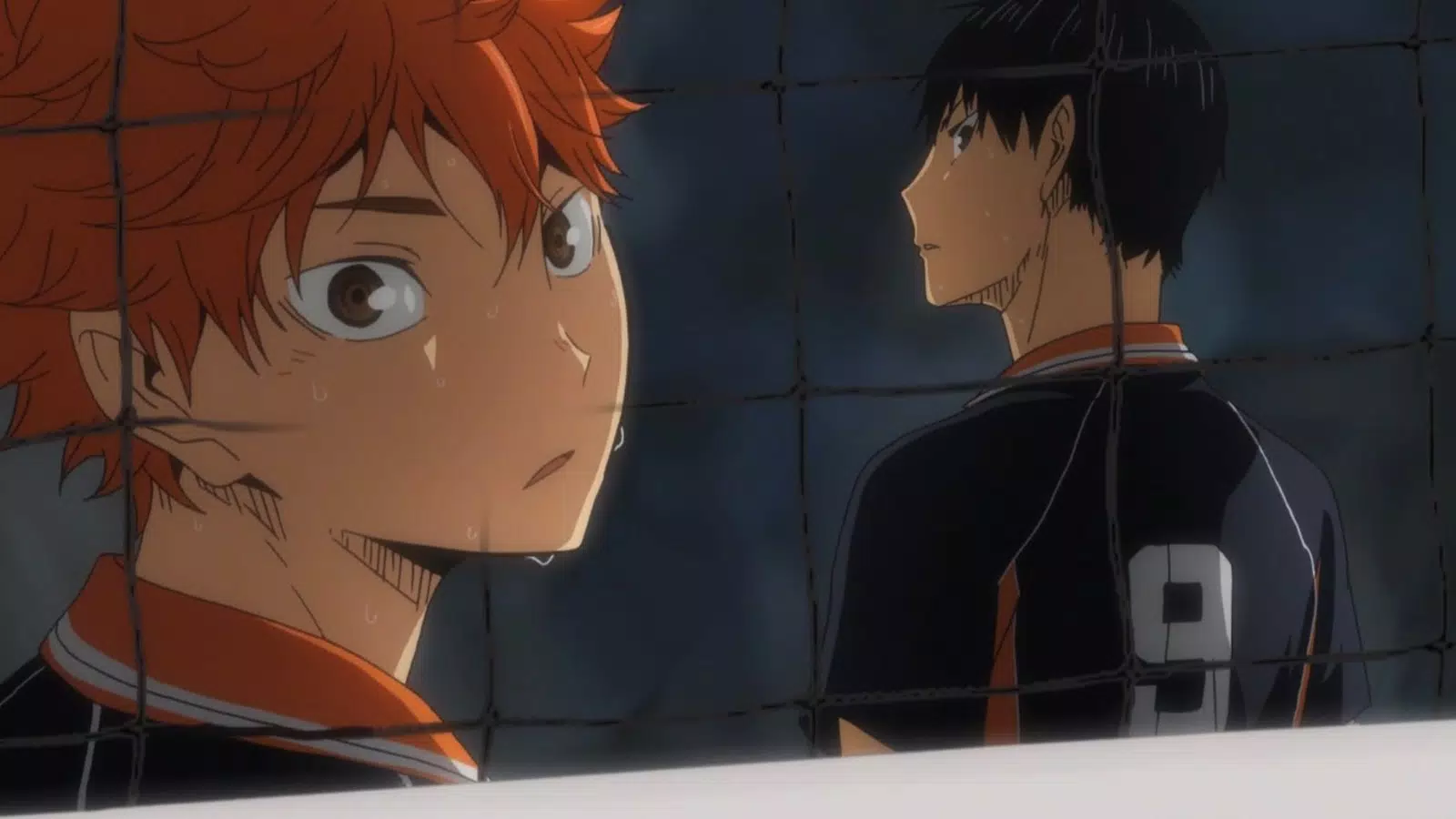
Shounen usually follows a very specific template. The underdog with hidden potential. The tragic or difficult background. The rival who pushes them to improve. A close friend or a girl who encourages them. Training sequences. A humiliating loss. A comeback. A villain or opponent that represents everything they fear or aspire to be. Think of Midoriya vs Todoroki in My Hero, or Mob vs Teru in Mob Psycho, or even the many rival matches in Yu Yu Hakusho. The structure is familiar because it works.
Marty Supreme mirrors that template but with way more grounded behaviour. Marty is not kind to everyone. He is not steadily noble. He is not fighting to protect the world. He is trying not to drown in poverty. He has agency and accountability instead of tragedy moving through him. He is trying to be someone. He gets selfish, greedy, impulsive and reckless. He gets punished for it. He gets humbled. But he still wants more. That is what makes him compelling.

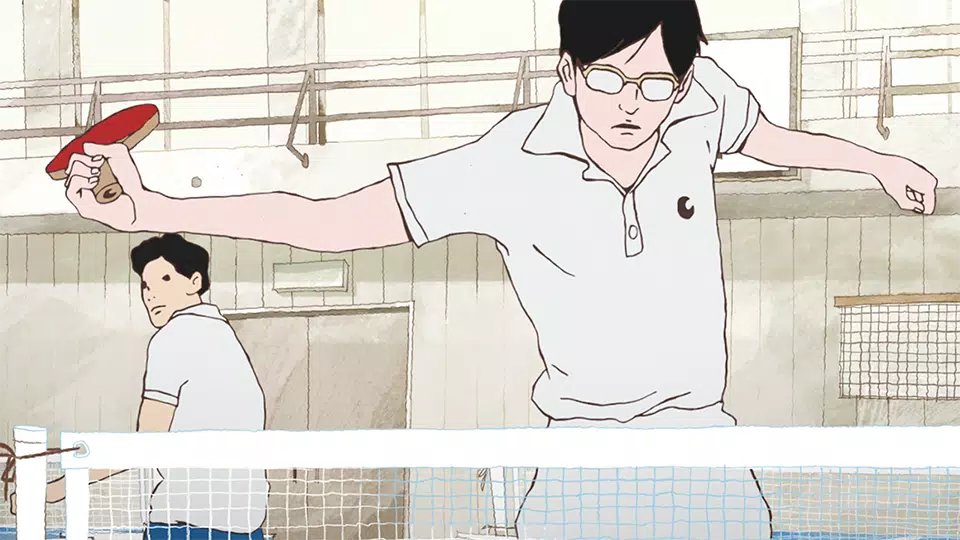
The movie actually reminded me most of Ping Pong The Animation, which is sort of an experimental cult classic in the anime world. Ping Pong is one of the few anime that understands the psychological side of competition. It cares about insecurity, talent, burnout and the stress of wanting greatness. Marty Supreme captures that same energy even though it is a live-action film.
I wish more anime adaptations understood this tone. Hollywood adaptations always seem to strip away everything that gave the anime depth in the first place. They rush through emotional beats or flatten character motivations. Marty Supreme feels like the kind of anime adaptation people have been begging for, even though it is not technically an adaptation at all. It carries emotional beats, the arc structure, the intensity and the sense of growth without any of the clichés.

It also made me rethink how I judge shounen as a genre. I have always brushed it off as too optimistic or too formulaic, but Marty made me realize the structure itself is not the problem. It is that most shounen do not let their characters be complicated enough. When a story actually gives its protagonist room to be layered and unpredictable, the shounen framework suddenly becomes way more interesting.
It's also a pretty ambitious and endearing tale for young kids to grow up with, in a world where everything seems too big or too impossible to achieve. I think part of this might be tied to the Japanese mindset around escapist fantasy. So much of shounen is built around the idea of becoming the person you definitely are not in real life. You get these powerful underdog heroes who grow into their potential in a way most people wish they could, but cannot. The fantasy fills the gap. You are not strong or gifted or fearless, but the story lets you live through someone who is.

Marty Supreme broke that pattern. Suppose you take that same structure and give it to a protagonist who is actually complicated, selfish, insecure, ambitious and flawed. In that case, you end up with a story that works way better than any dramatic power-up or friendship speech. It proves the formula works; it just works better when the character feels like a real person instead of an ideal.
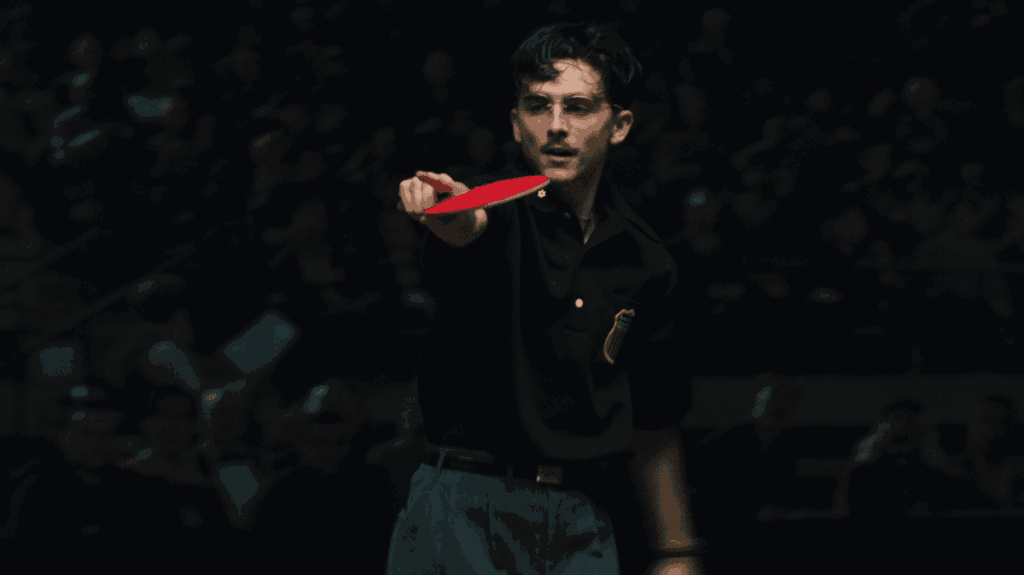
By the time the movie ended, I realized I had basically watched the best shounen anime of the year, except it was a 2025 ping pong biopic with no superpowers or villains, just ambition, humiliation, small victories, and someone desperately trying to prove they matter.
So, if you still think you hate anime, too bad. You just watched one of the greatest ones ever.





Share your thoughts!
Be the first to start the conversation.