
"This was Manhattan in the 21st century, and money is more powerful than ever. Rare is the city dweller who doesn't grasp it when presented with an opportunity for a sudden and unexpected influx of cash. Of course, this money almost always comes with strings attached."

This passage from New York magazine editor Jessica Pressler (represented in the series by Vivian) perfectly encapsulates the essence of Anna Delvey's story. Anna, who claimed to be a wealthy German heiress, was a con artist exploiting the New York elite. Netflix's "Inventing Anna" is a crime drama series based on this real-life story, emphasizing Anna's constructed image with the title "Inventing Anna" (2022).
Anna Delvey, a character created by the Russian-born Anna Sorokin, embodies the 21st-century American Dream—young, beautiful, wealthy, mingling with the upper echelons of society, and wielding immense power and wealth. Yet, those she deceived willingly embraced these illusions. As her lawyer argued in court, "We all have a bit of Anna in us."
More Than Just a Social Media Fraud
Many media reports on Anna focus on using social media to craft her deceitful persona. However, a deeper look reveals that her success relied on Instagram followers and her keen understanding of human nature.
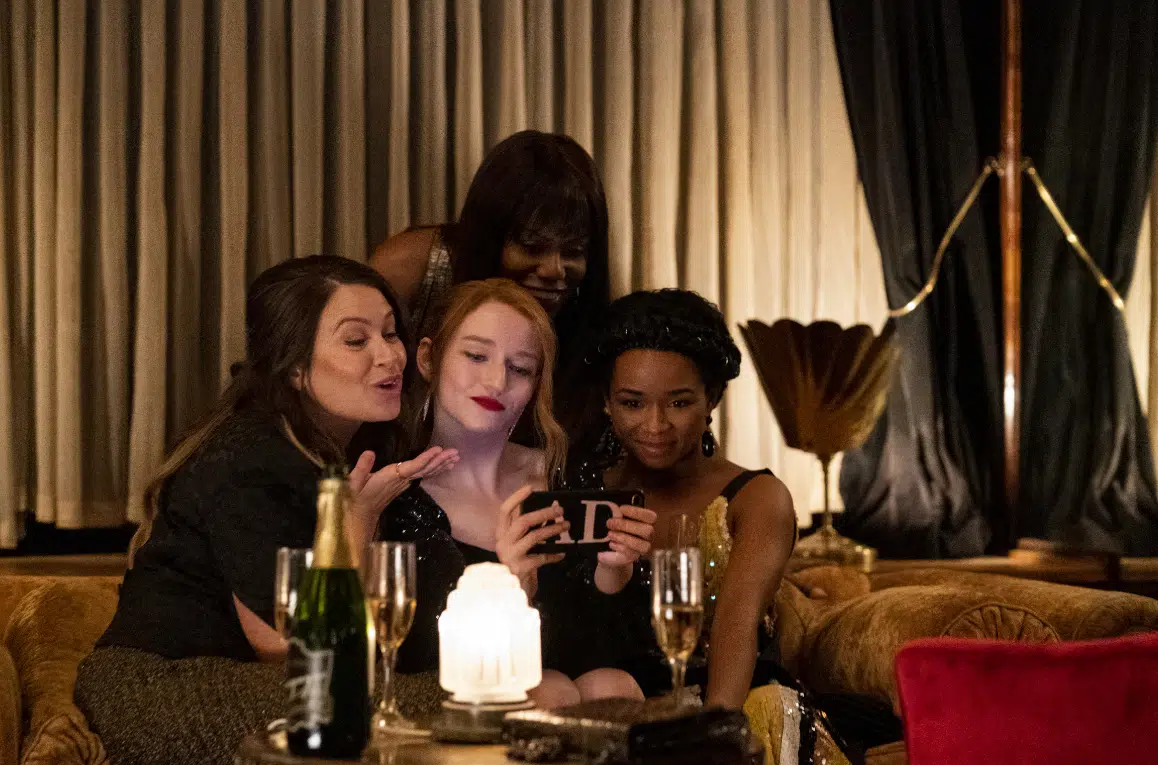
In her guise as a high-society socialite, Anna's behavior was sharp-tongued yet lavish, mimicking the privileged disregarding others due to their status. When Jessica interviewed Anna's friend, Neff, Neff remarked that Anna's crudeness didn't make her a racist but a classist. Anna's high self-regard and disdain for others attracted people like Val from the fashion world. Val had encountered countless women aspiring to be social darlings, but Anna was different—authentic. She wore understated designer clothes, knew exactly what to say in any situation, and understood the nuances of high society, like knowing the best salmon at Lucien and avoiding the most expensive wine not to appear nouveau riche—she exuded the aura of a natural aristocrat.
She was aloof and alluring, making people want to be close to her. Anna embodied "desire" itself, reflecting the superficial world's relentless pursuit of money and fame. She created these desires and used them to her advantage. Anna was like a mirror revealing people's ambitions: she could be the elegant heiress or the savvy entrepreneur.
Using Systemic Discrimination as Justification
Anna understood systemic discrimination and used it to garner sympathy and rationalize her actions. She exploited Manhattan lawyer Alan's trust to secure funding. Her identity as a woman played a dual role: it made her seem manageable and underestimated while emphasizing the challenges female entrepreneurs face. When trying to persuade Alan, she said, "If I were a man with the right accent, wearing the right suit, graduating from the right Ivy League school, would I be facing the same hurdles? Think about what your daughter will face when she enters the workforce."
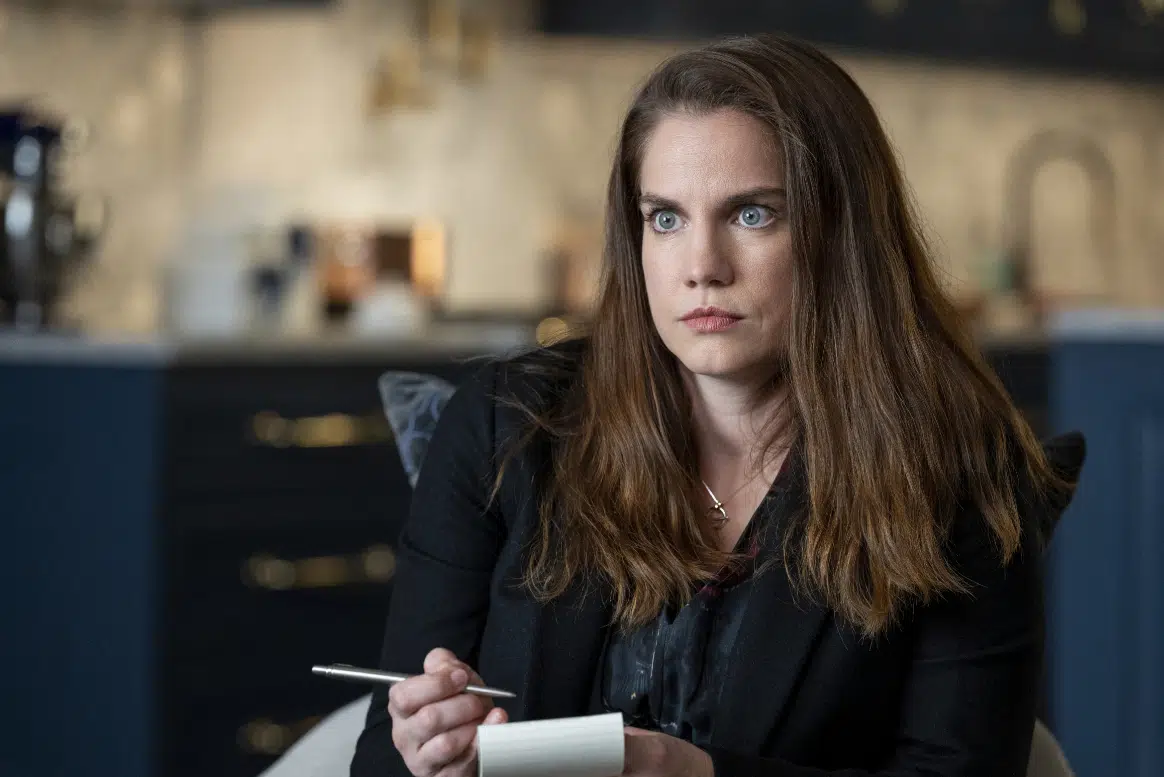
Anna used her status as a woman to her advantage, yet the discrimination she faced was real. When embodying a socialite, her blonde hair and luxurious attire were seen as unreliable, prompting her to dye her hair red-brown, donned glasses, and business attire, transforming into a startup star. Anna's metamorphosis highlighted the harm stereotypes inflict in a male-dominated world.
When Vivian questioned how Anna deceived Alan, she replied, "Men do worse things every day and face no consequences—no jail time, no repercussions, they even get promoted." Ironically, Anna's statement reflects an uncomfortable truth. After defending herself without remorse, Vivian, the actual victim of societal inequality, looked somber. As a journalist, Vivian's career suffered from a false report based on a friend's tip. At the same time, the male colleague who misled her faced no consequences and became her boss. Even Alan, the lawyer fooled by Anna, was promoted despite his firm being defrauded.
Figures like Vivian's boss, Alan, and former U.S. President Donald Trump illustrate the privileged position of elite men in society—they enjoy ultimate impunity. You might ask: What about ordinary male fraudsters?
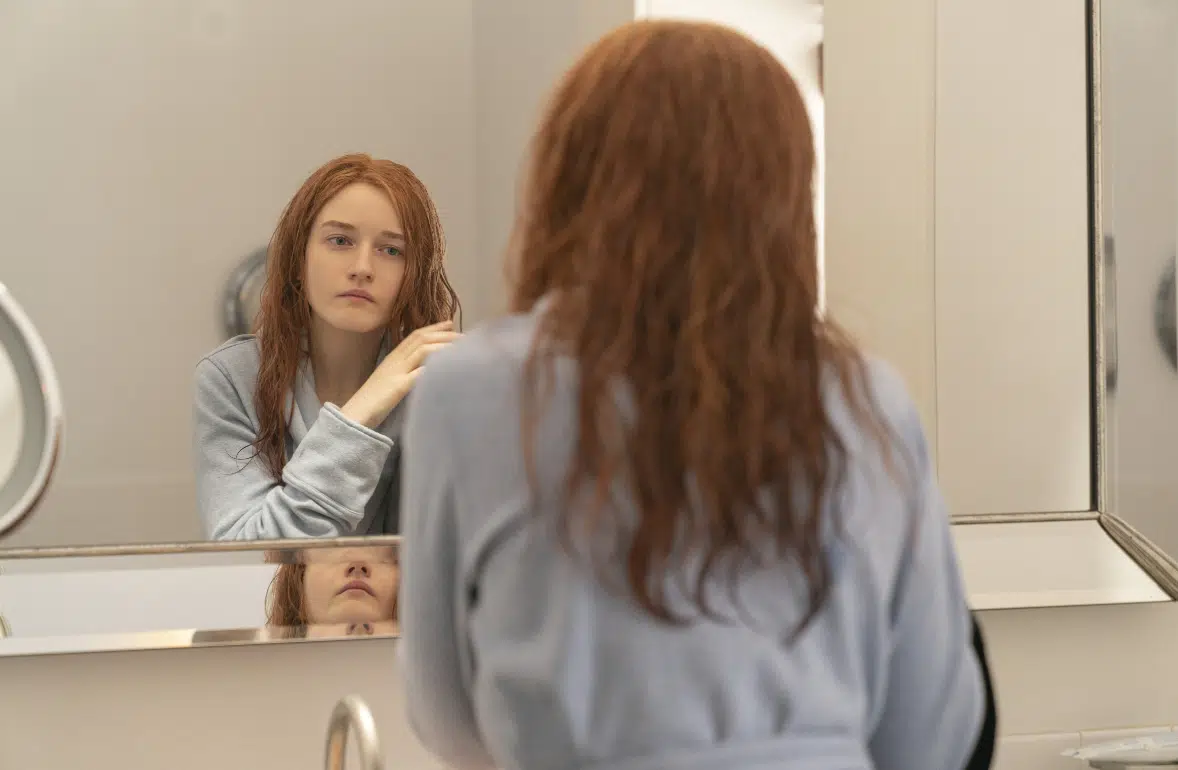
The series also features a real-life male fraudster, Fyre Festival organizer Billy McFarland. Anna even stayed in McFarland's luxurious apartment. The Netflix documentary “FYRE” (2019) chronicles McFarland's opulent life post-bail, continuing scams through fake VIP concert tickets. When McFarland's cameraman shared his judicial experiences, McFarland calmly responded, “I won't go to jail.” Despite eventually facing the consequences, McFarland's confidence stemmed from a place of inherent privilege.
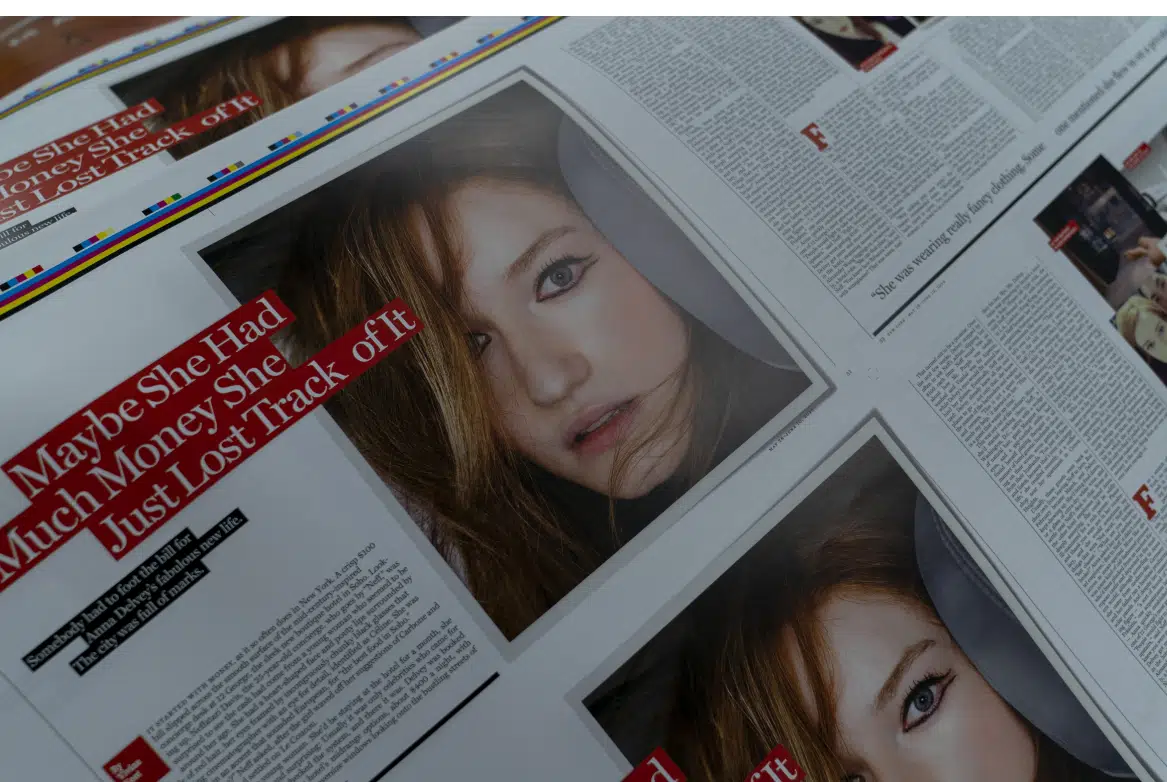
Anna represents the 21st-century American Dream. Unlike past ideals of ambition, hard work, and social mobility, today's dream is a beautiful illusion inflated by financial bubbles. When these bubbles burst, ambitious figures become laughable fraudsters. The series' repeated line, "fake it till you make it," prompts reflection on how many Annas continue to weave intricate webs of lies.





Compartilhe sua opinião!
Seja a primeira pessoa a iniciar uma conversa.