
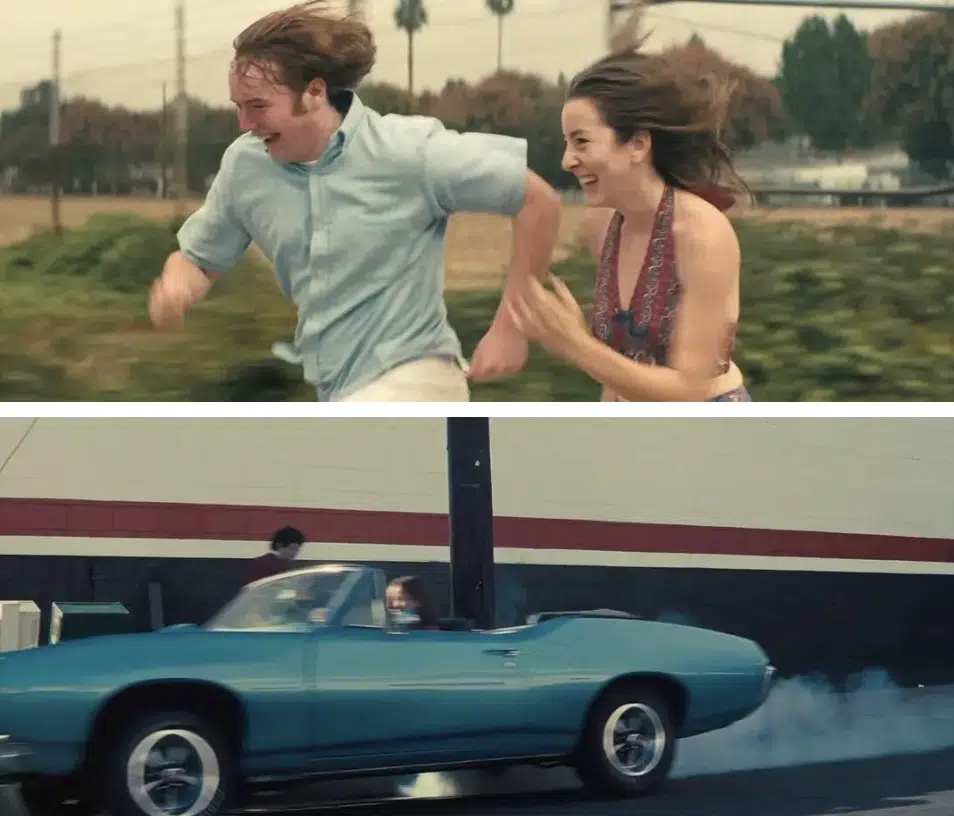
In a summer movie lineup, "Licorice Pizza" should be a must-see. With its refreshing waterbeds, enigmatic young paramour, and the initial impression of a typical summer romance, one might think the movie ends in a Disney-esque happily ever after. Has the fifty-something director, Paul Thomas Anderson (PTA), gone simplistic in creating this journey of pure reciprocated love?
Many people attribute PTA's complexity to being the sole heir of Kubrick's legacy. Apart from being repeatedly snubbed by the Oscars, they share other similarities—like a preference for classical music, a tendency to subvert heroism and the American Dream, and a progressive narrative pace. However, their differences are far more pronounced.
‘Post-Coital Clarity’ of Post-Sexual Liberation
PTA's films often evoke Foucault's theories, with one significant aspect being the invention of sexual shame as a cornerstone of human society. Growing up in the San Fernando Valley in the 1970s, PTA's formative years were steeped in the unconventional freedom of the pornography industry, the valley's golden ticket. At one point, making a narrative-driven pornographic film was a serious cinematic ideal. However, a decade later, this ideal was shattered.
It's impossible to determine when PTA became aware that his childhood memories differed significantly from others. But by the time he made "Boogie Nights" in 1997, he had long moved past the phase of bewilderment and was nostalgically reliving the past. If those ten years were a dream, they were more of a sweet dream in PTA's eyes. This is why he chose to depict the 1970s San Fernando Valley pornography industry in a nostalgic light. Only this approach allows the audience to easily immerse themselves in the ‘post-coital clarity’ of the post-sexual liberation era.
In the utopia of "Boogie Nights," a group of unrelated strangers forms a close-knit family due to the world of pornography: a charismatic and ambitious father figure (the director), a mother figure who perpetually repents her maternal role and self-destructs (the lead actress), an Oedipal son yearning to break free from his destiny (the male lead), a lost daughter rejected by patriarchal society (the supporting actress), and their seemingly borderline personality-disordered friends.
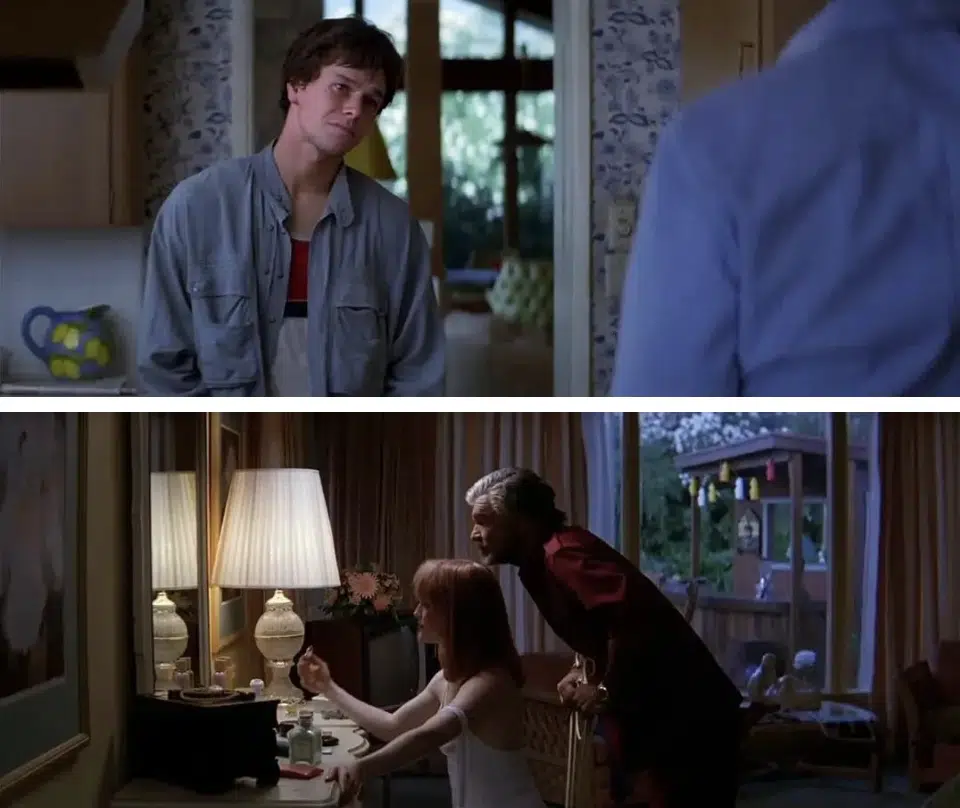
They don't see themselves as victims of the pornography industry. In this environment, they find coherence and even rationalize their personality flaws. Paradoxically, it's the external world that causes them pain and anxiety—the "civilized people" who imbue sexuality with shame and pleasure with guilt. It's the male classmate who repeatedly humiliates the roller-skating girl, the macho bystanders who gang up on Eddie, the ex-husband who belittles Amber, and the bank clerk who denies loan applications.
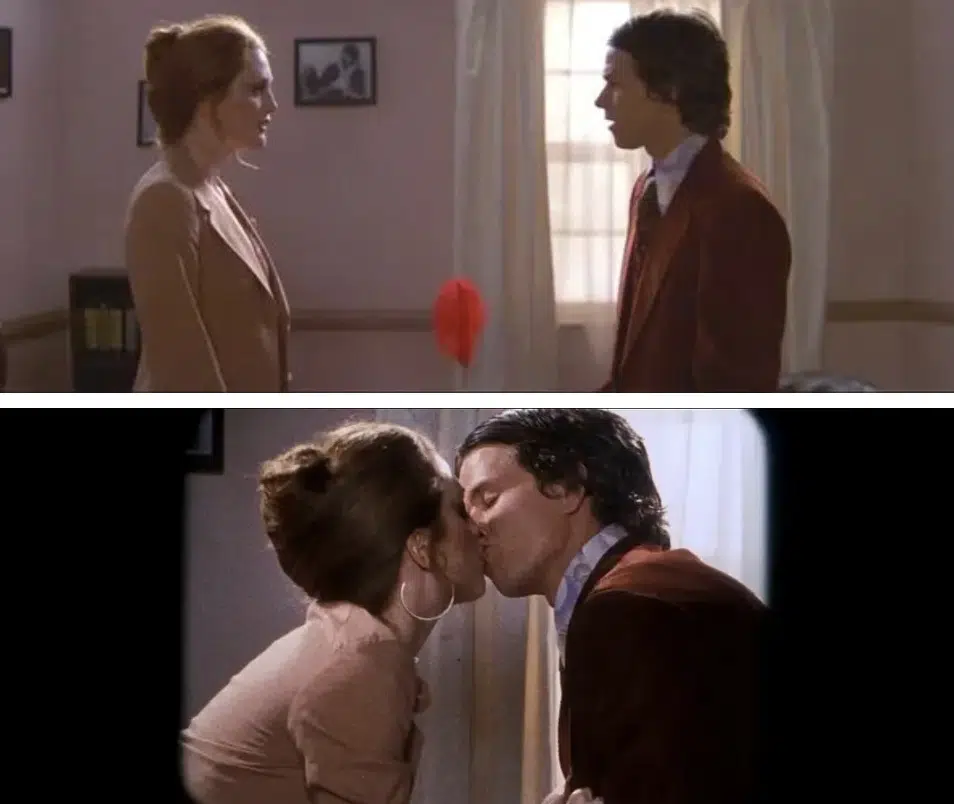
Many claim that PTA excels at portraying marginalized characters, but isn't such a conclusion a bit bourgeois-centric? Who defines what kind of life is on the margins and what isn't? Judging by PTA's frequent authorial goodwill towards his characters at the end of his films, they are not any unimportant lives.
"Magnolia" is hailed as the best film of 1999, a multi-threaded ensemble drama where a dozen love-challenged characters all experience mental breakdowns. Unlike Guy Ritchie's converging narratives, "Magnolia" interlocks like a Balzacian chain, resembling an apartment building with many rooms, each playing out hidden secrets and joys inexpressible in words.
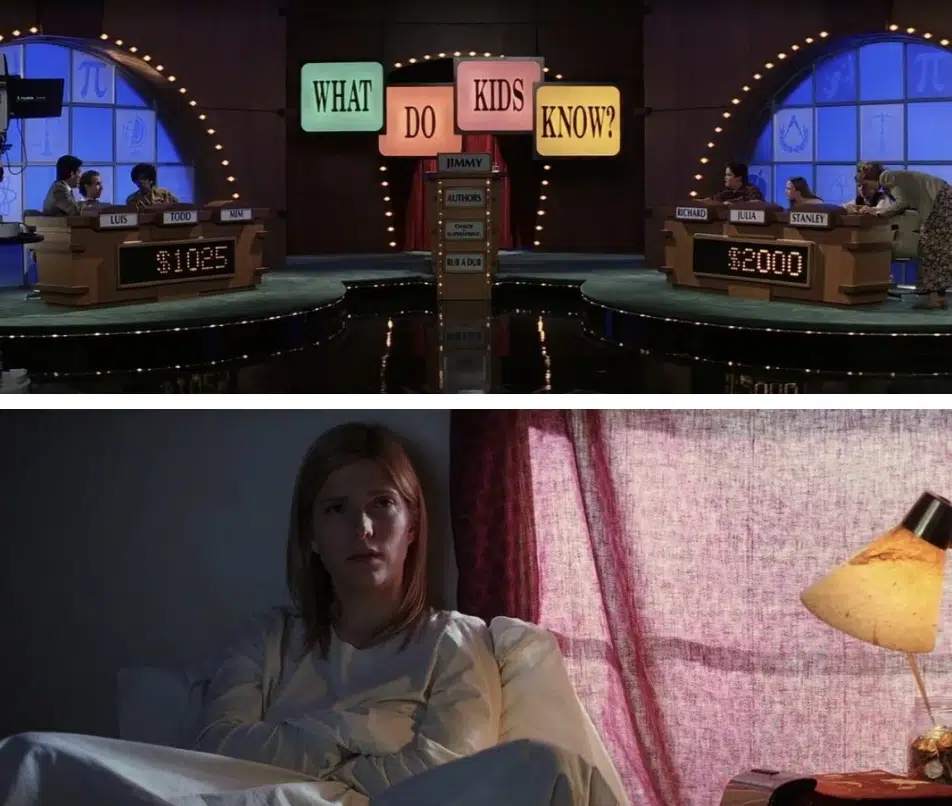
The surreal frog rain at the end of the film is crucial. It can be seen as a cultural metaphor, but in PTA's hands, it seems more like a plot device to disrupt and perhaps resolve the escalating conflicts when dramatic tension reaches its zenith. The frog rain saves everything and ushers in love and peace.
"Magnolia" vigorously emphasizes one simple message: "People have to work hard to do the right thing." However, once they lose their way, they can do anything, tormenting others and themselves. Perhaps PTA's frog rain serves as a resounding wake-up call: if this can happen, what mistakes can't be rectified? What reasons are there to escape? What pain can't be faced?
Waterbeds, Phone Calls, and Love System Malfunctions
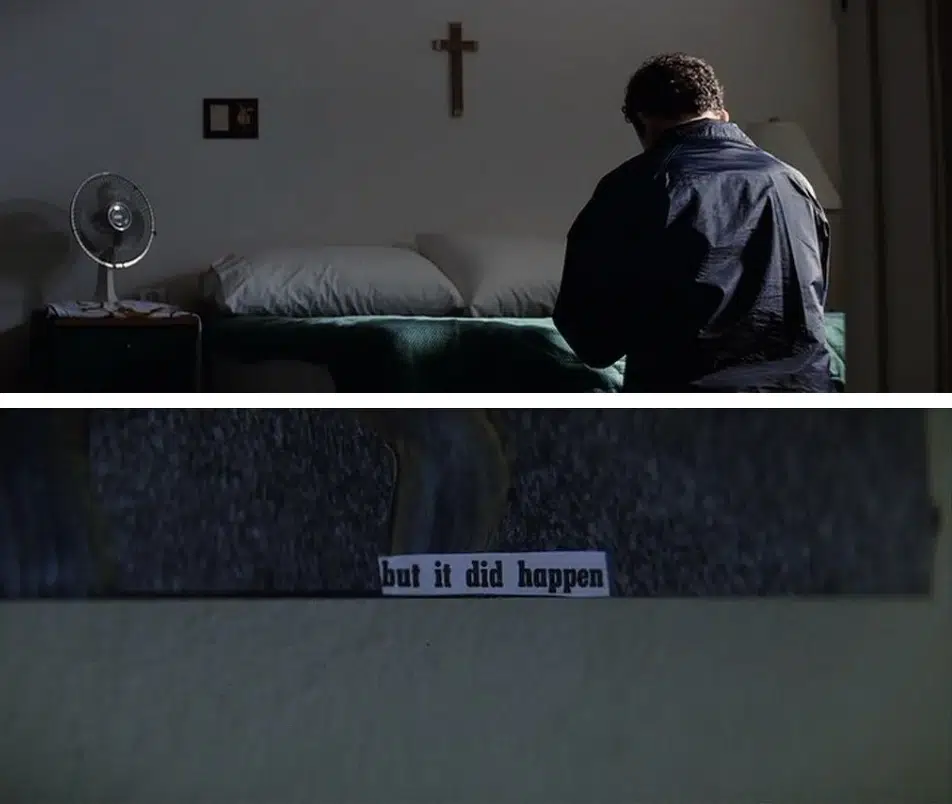
Anxiety is the concomitant symptom of sex and love in PTA's films. Sexual anxiety is an old Freudian topic, but how do we understand the anxiety of love? In PTA's portrayal of love, genuine affection always contains unsettling elements. Perhaps he doesn't believe in the "Malcolm & Marie"-style of pure love.
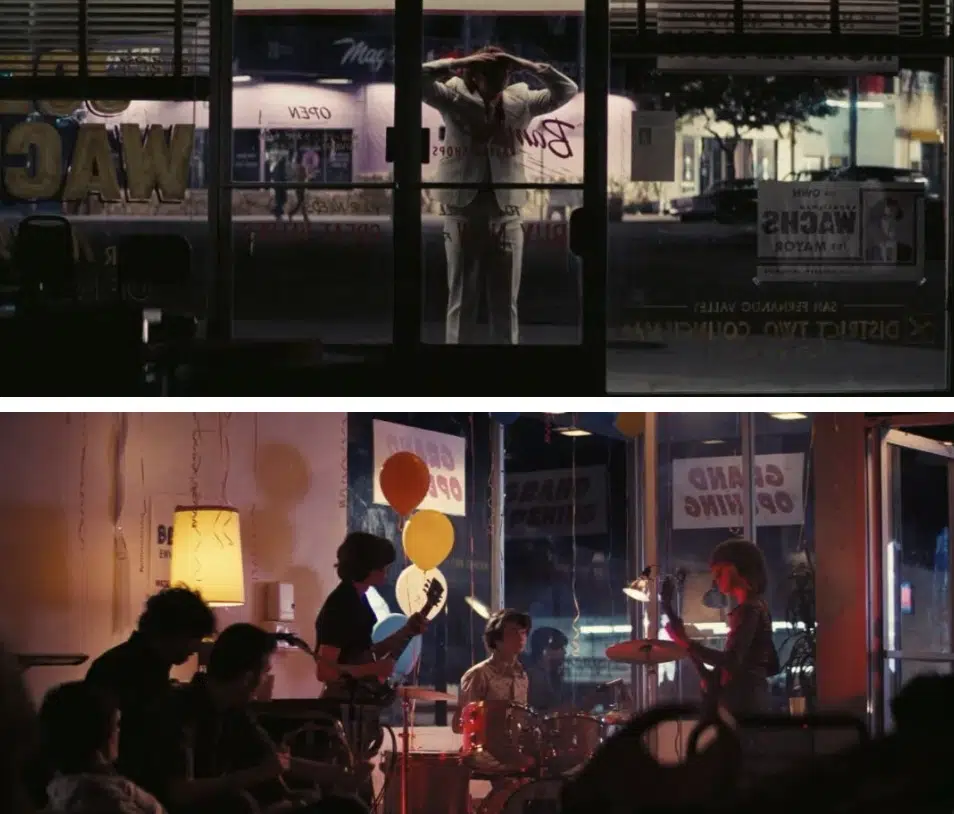
"Licorice Pizza" shares narrative structure and narrative perspective similarities with "Punch Drunk Love." We can summarize "Licorice Pizza" as follows: a 25-year-old woman is repeatedly rejected by men of all ages (young, middle-aged, and old), and she ultimately finds traces of love in a 16-year-old high school student. Similarly, "Punch Drunk Love" can be summarized as follows: a manic man with stalker tendencies pursues an ordinary girl. It's not only unethical but also potentially illegal.
However, it's not necessarily PTA's fault, and upon further reflection, the final scene of "Licorice Pizza," where Gary, the male lead, proudly displays his prize like a child who's won a game while Alana genuinely falls in love, clearly shows where the blame lies.
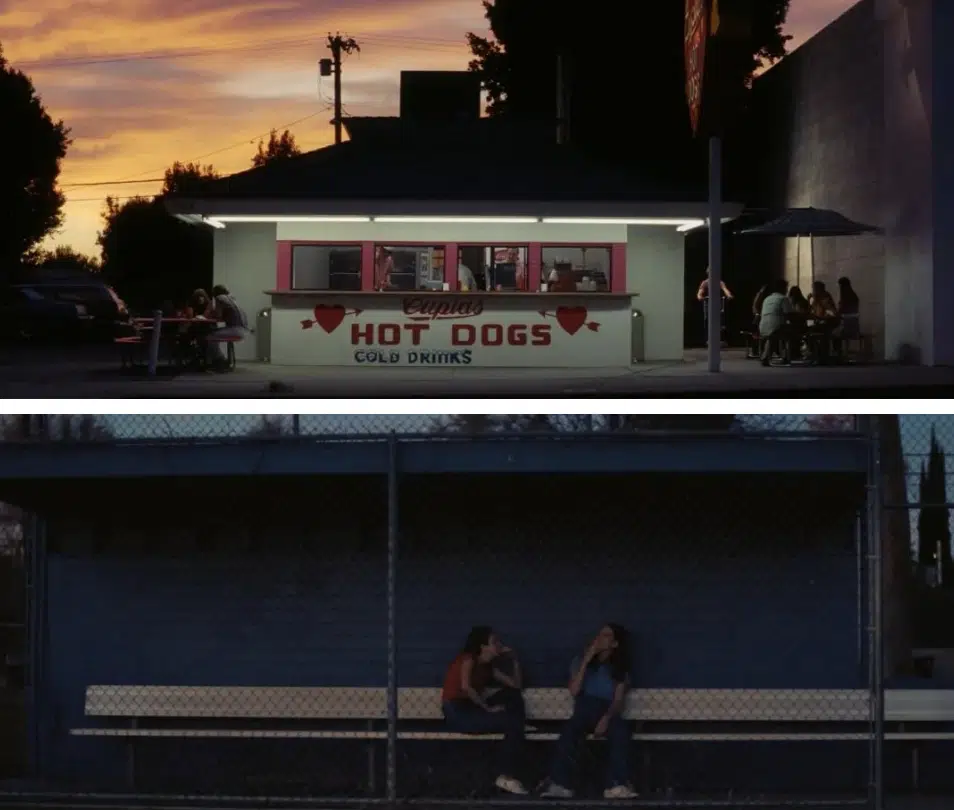
This is the anxiety of love, the urgency to prove oneself worthy of being loved, and the desire for a societal love passport. PTA mentioned that the story of "Licorice Pizza" stemmed from an encounter he witnessed twenty years ago, where he saw a high school student striking up a conversation with a significantly older woman. Dating older women was a trendy and fashionable thing to do at the time. PTA couldn't resist returning to California several decades ago, and during the filming period the California wildfires raged, allowing the hazy nostalgia of that era to come naturally, and the film title’s directly borrowed from the trendiest record store name at the time.
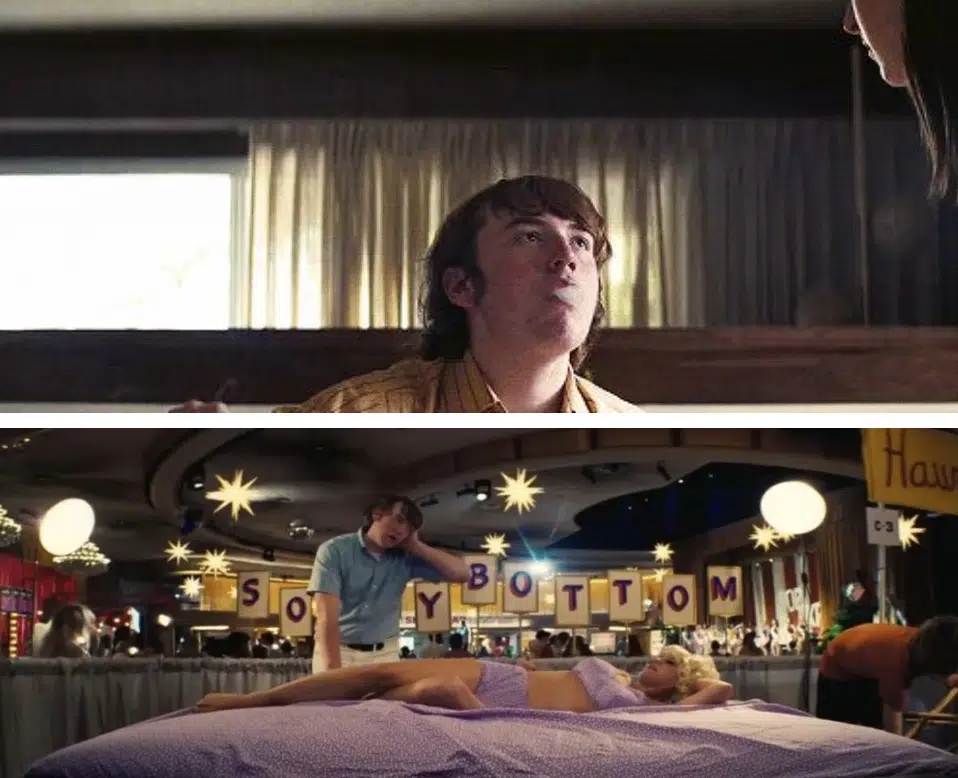
In PTA's imagination, this date between Alana and Gary is filled with pseudo-sophisticated topics that make them feel self-important. These include bragging about eating Japanese cuisine, making a splash on TV, pretending to be a ladies' man and hitting on a flight attendant, and true icon of the era: the sexy, cool waterbed. A waterbed also appeared in "Boogie Nights." In the height of the 1990s, one in five Americans fell under the spell of waterbeds, only to quickly abandon them. In PTA's films, the waterbed is more of a blind and absurd consumerist toy, akin to the pantyhose, albeit with some practicality.
Yet, excessive nostalgia can create viewing barriers. Setting aside these self-indulgent elements, the continuous theme of Alana's return in "Licorice Pizza" becomes somewhat tedious and repetitive. Perhaps PTA isn't well-suited for stories featuring mentally healthy characters. The film's most memorable character is actually the manic male singer in the white suit.
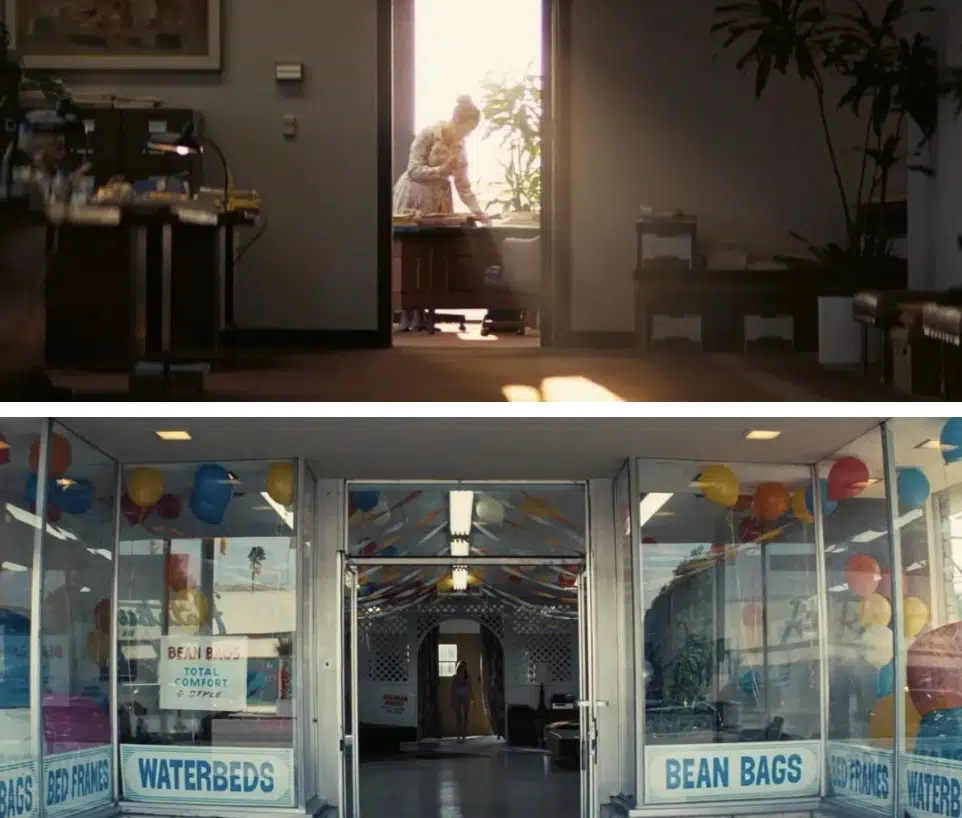
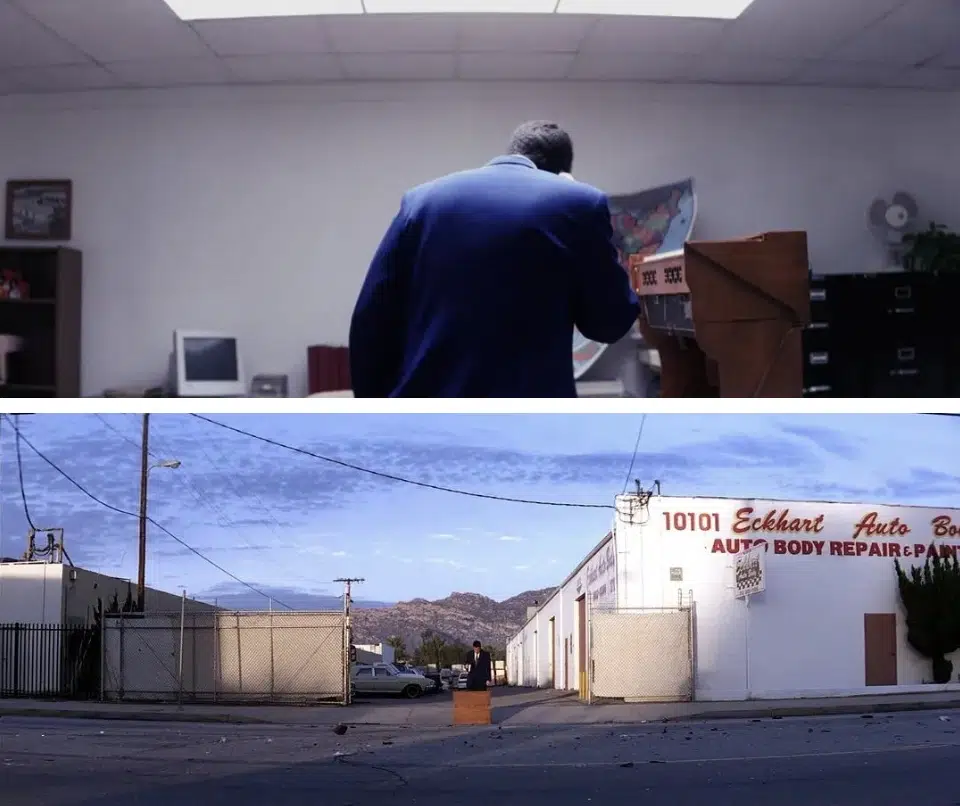
Barry from "Punch Drunk Love" can also be quite manic, but he is associated with a calm blue color and frequently isolated in the environment. For instance, he's the only one making a phone call at his empty office, and even amidst a crowd at a carnival, he appears lonely and helpless.
To adapt to Lena's life of constant travel in "Punch Drunk Love," Barry obsessively purchases pudding to collect frequent flyer miles. His desire for Lena leads to a dangerous confrontation, which results in Lena getting hurt. PTA's love stories are not poetic; they can be clumsy and even grotesque. You won't remember his films the way you do with Shakespearean sonnets, but rather with the lazy yet enticing curves of Manet's "Olympia."
PTA has a penchant for this abdominal aesthetic, which is evident in "The Master" and "Phantom Thread." "Inherent Vice" attempted to deconstruct California's land deals and corporate conspiracies but struggled as a detective film, with too many plot twists and too few details. The truth couldn't withstand scrutiny, making it a somewhat failed endeavor.
Authorial Images and the Human Laboratory of the West Coast
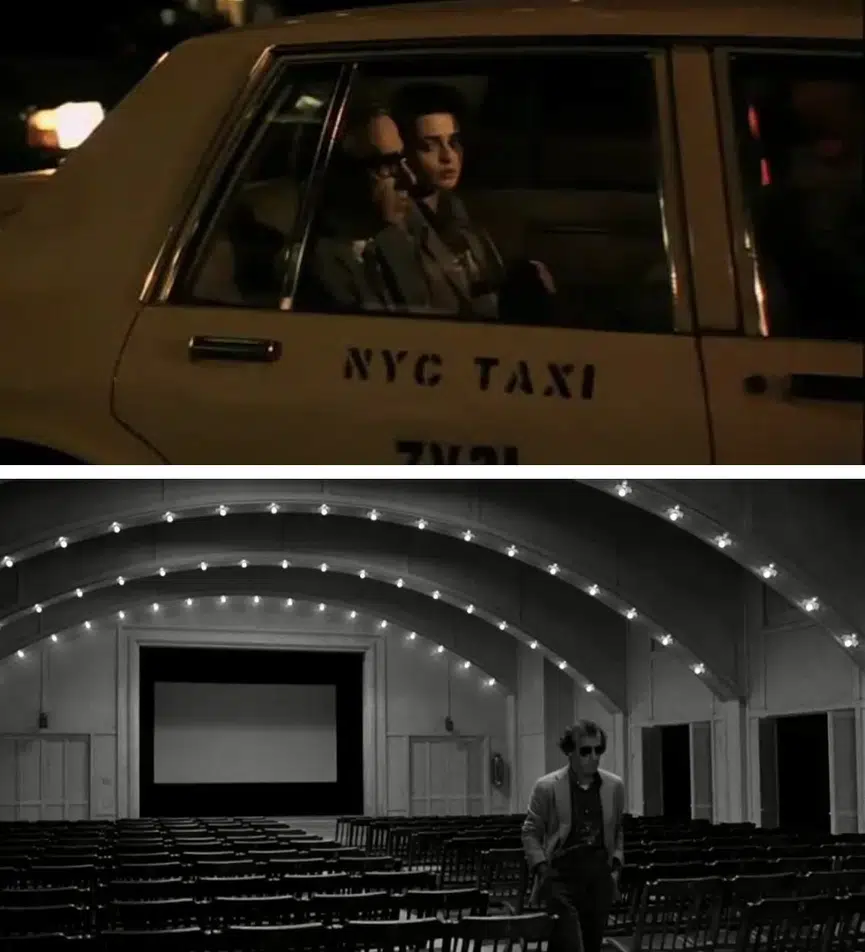
Territorial storytelling in American cinema and television seems increasingly pronounced, with one notable characteristic being "different sins in different states." For example, in the Northeast, particularly in New York, the middle-class's repentance revolves around introspection, reminiscent of the midlife crisis—anxiety over the past. This theme pervades most of Woody Allen's films.
In the Southern state of Louisiana, the focus is more on the vestiges of traditional patriarchal control and intense spiritual manipulation, akin to "True Detective" Season 1 and "Sharp Objects." Conversely, in the Western state of California, influenced by the enduring spirit of the hippies, sexuality becomes a fundamental issue. Instead of labor conflicts, the film "There Will Be Blood" depicts the rise of an oil tycoon, with a preacher as the antagonist. Moral questions, akin to God's will, are laid bare in the wild, lawless frontier of Western development.
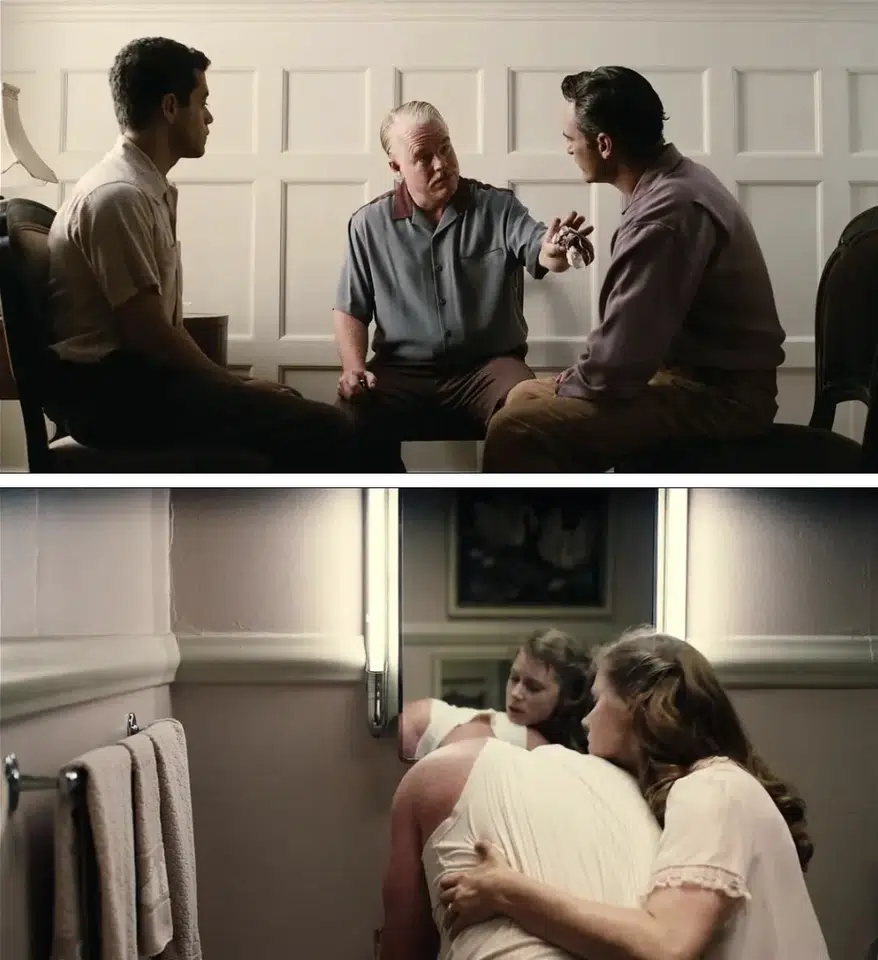
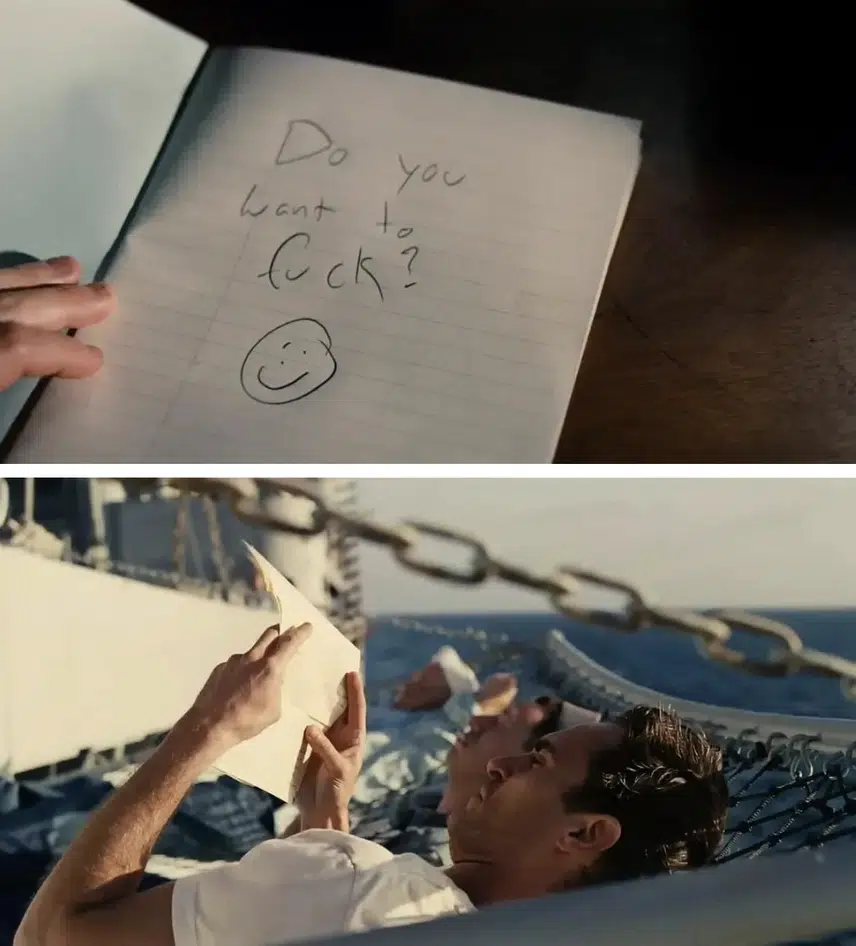
Unfortunately, "Inherent Vice," which also aimed to explore California's land dealings and corporate conspiracies, ended up as a somewhat unsuccessful detective film. Its myriad of suspenseful elements and lack of detail made the truth unsustainable upon closer examination. PTA has several recurring motifs that create intertextuality between his films, such as waterbeds and the abdomen, as well as the ship, present in both "Inherent Vice" and "The Master." One is used for smuggling heroin, and the other carries the family of a "Master" skilled in psychological control.
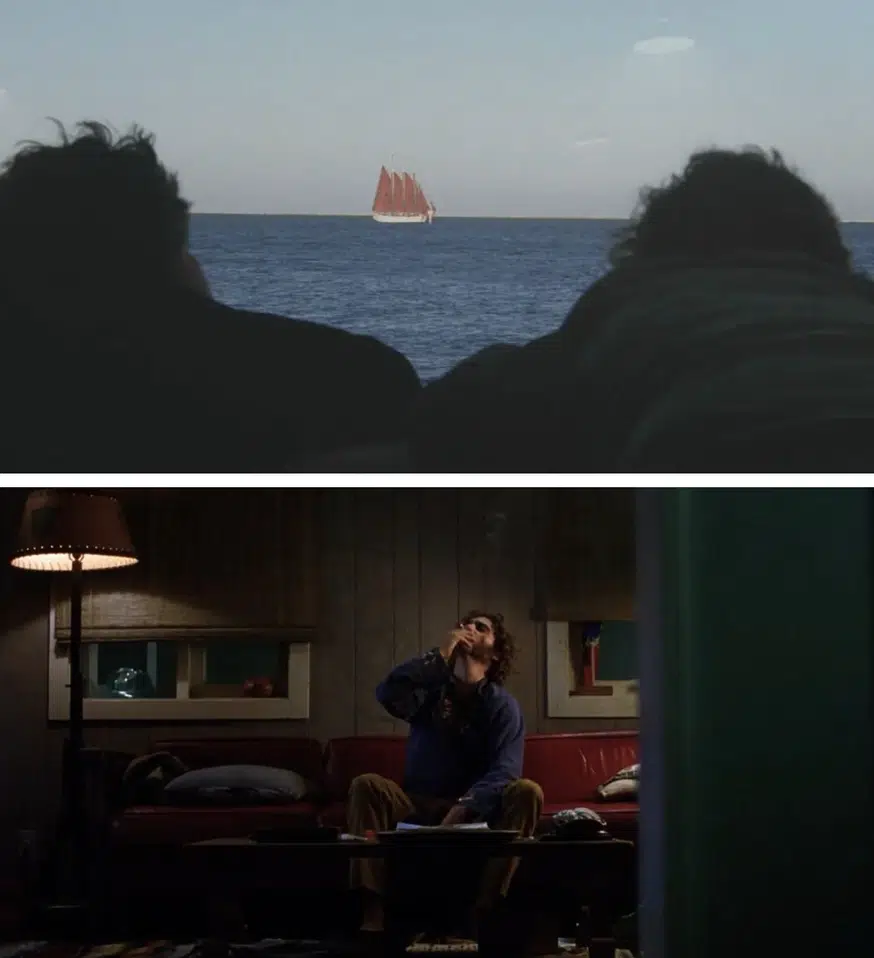
The male lead in "The Master," Freddy, served in the Navy during World War II. After a night of heavy drinking, he wakes up on the Master's ship and hears the first words, "You are safe, you are on the water." Before this, Freddy's life on land, under the influence of post-war trauma, had spun completely out of control. However, after accidentally ending up on the ship and succumbing to the Master's "guidance," he is able to reintegrate into life on land.
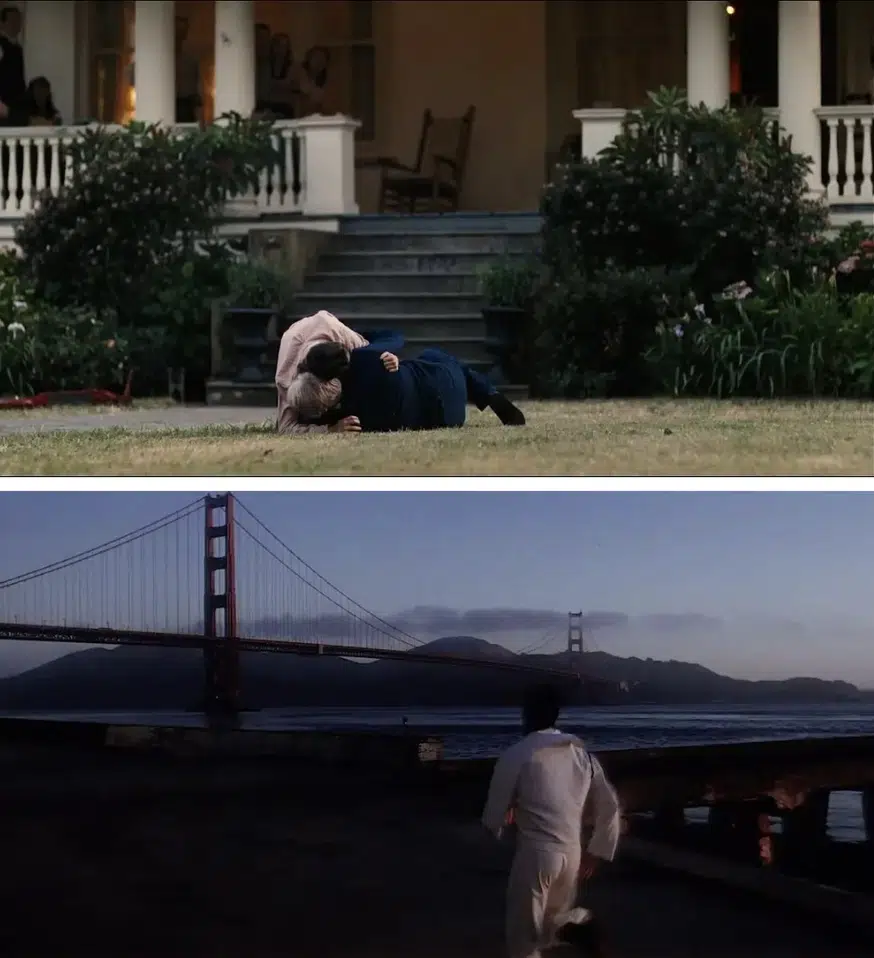
PTA enjoys setting up a love-hate dynamic between two male leads. In "There Will Be Blood," it's genuine hate; in "The Master," it's genuine love. He once said, "They're in love with each other, they just don't admit it." One genuinely affectionate scene is when the Master and the freshly released Freddy wrestle on the lawn in front of the house, resembling two little boys.
PTA once said he loves filming running scenes, as if running vigorously can leave a certain darkness behind. "The Master" and "Licorice Pizza" both reflect this sentiment. So, don't say that he always delves into stories of marginalized individuals. This optimism and vitality are clearly those of a big Californian boy.




Share your thoughts!
Be the first to start the conversation.