
Technical data:
DATE OF RELEASE: 12/25/2024
LENGTH: 130 min.
DIRECTOR: Robert Eggers
CAST: Emma Corrin, Aaron Taylor-Johnson, Bill Skarsgård, Willem Dafoe, Nicholas Hoult, Ralph Ineson, Lily-Rose Depp, Simon McBurney
GENRE: HorrorFantasy
Some adaptations or remakes fit perfectly within the concept of "Fresh Film Focus". Although based on pre-existing material we can reimagine an original work with a fresh approach, this can be an opportunity to explore new interpretations, delve into new ideas or apply different genres and narrative techniques.
In the case of Dracula, this task seems to be almost impossible, especially nowadays. Apart from the fact that this work is legendary and mythical, vampire stories have been reinvented and reversed in different ways, dozens of times. So the question is: is this new adaptation worth revisiting a story that we have been told so many times and that we already think we know?
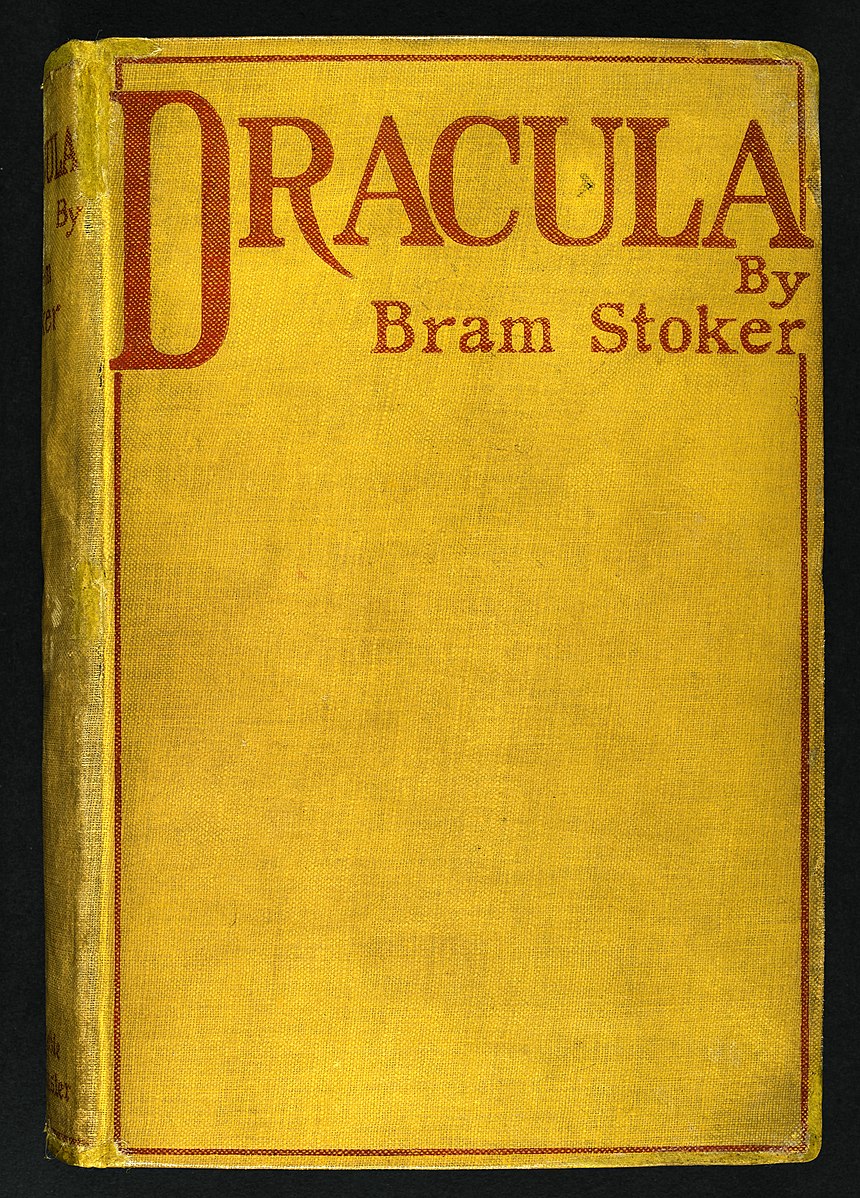
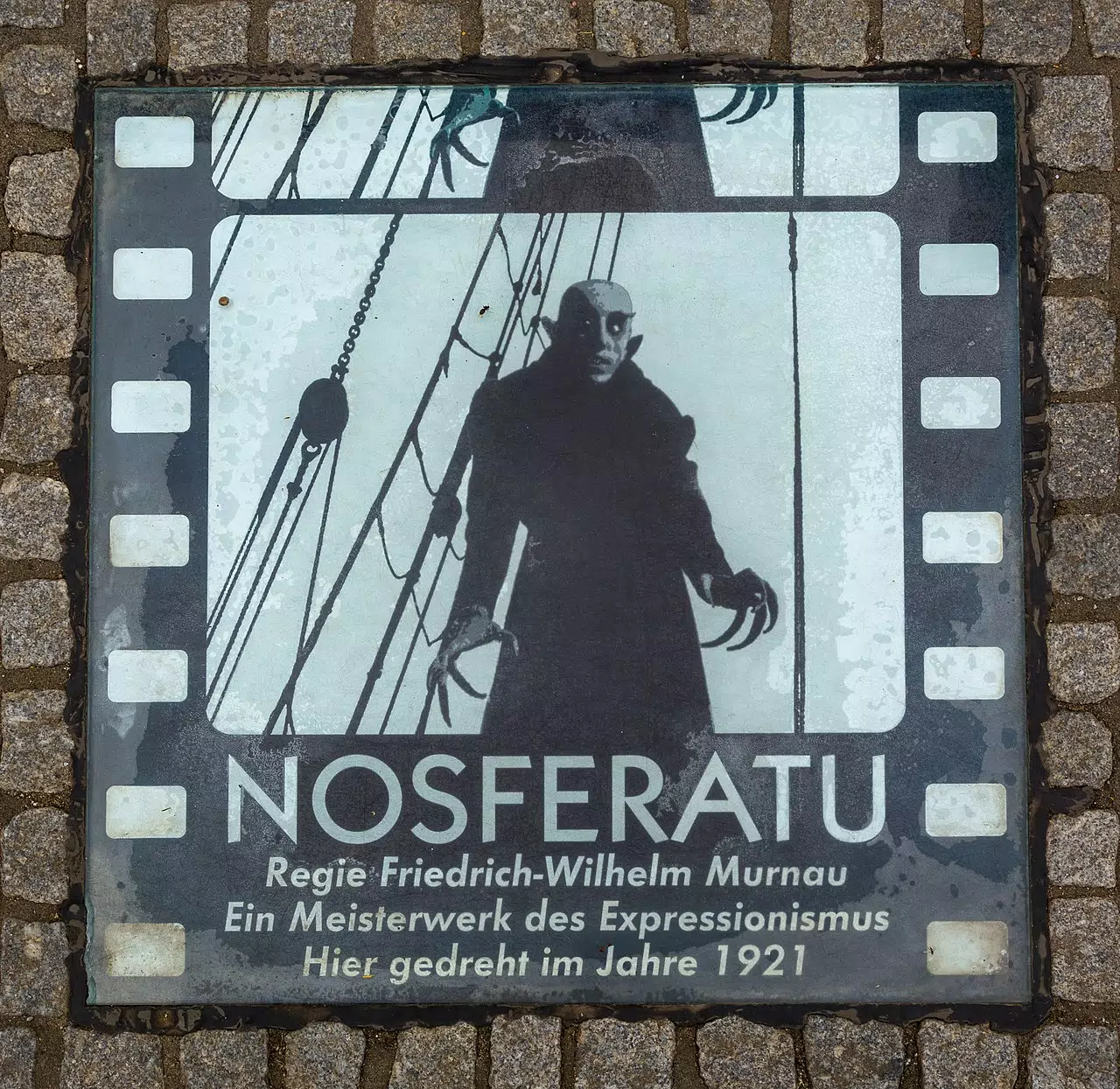
For these and other reasons we can assume that Robert Eggers' new vampire movie is a copy of 1922's Nosferatu or Francis Ford Coppola's Dracula (1992) or a combination of the two, offering little new and simply being an update to attract new audiences and be a box office success.
But this could be far from reality and we may have the privilege of witnessing and having in front of us a masterpiece, a classic of contemporary cinema.
The Director
This is the main reason (without seeing the film) why we can question our assumptions. He is a director with an impeccable trajectory, his previous three films are all amazing. He has a very original way of seeing and interpreting the stories, besides knowing how to transmit with images more than with dialogues or narration the ideas that these works raise, it is noticeable that he puts heart to the work. The director has to his credit; The Witch (2015), The Lighthouse (2019) and The Man from the North (2022). The historical research behind the films, the costumes, the photography, the scenery, the framing, the lighting and the handling of the camera, the interpretations, every detail is worked to the millimeter.
The message
I don't want to make a synopsis or a literal summary about the events or what happens in the story or what is the role played in the story by each of the characters, but to analyze all the possible meanings, curiosities, coincidences and ideas that are represented in this work, to help us understand what makes it so special, so that those important details do not go unnoticed to our senses. And how in this new look of Robert Eggers all these symbolisms are highlighted in a fascinating way.
The light and the shadows
What is a shadow? A relief?
How many times have you been told to take a walk in the shade?
We have the preconceived idea that light always represents the good or healthy and darkness always represents the negative. Just as in other themes where we get carried away by dichotomies and polarization with attitudes marked by aggressiveness and closed visions, the work reminds us that light is not always as pleasant as it is assumed and darkness does not always produce rejection.
"Darkness is quiet, the temptation to fall into it promises comfort after suffering." Says the detective to Anna (Isabelle adjany). In possession (1981)
An excess of light can confuse, dazzle, different light sources and colors, an intense light can be overwhelming or overwhelming suffocating, like a siren of an ambulance or police patrol, before watching Nosferatu, I saw "city of asphalt (2024) and could not help thinking about how the siren lights that had all the time above harassing the character played by Tye Sheridan emphasized his horrific, almost terrifying and traumatic work. Then the light can also expose you to the opinions and the accusing look of society, of what people will say, of the formalisms of what is socially accepted, and this is tiring and the only relief for all that is darkness, sometimes even reality itself is overwhelming and the only relief is darkness and silence, it can also translate into locking yourself in your room and sleep and the darkness of a dream your refuge. And a movie or a good book, what is it? It is not daydreaming.
To enter a movie theater, the darkness of a movie theater, is to rest from the light, it is to enter the darkness in a dark space that gives us relief, that is to say that we moviegoers are partly like vampires, we like the darkness and curiously the movie theater shows us its own artificial light.
Cinema is also a vampire, it sucks from reality to create its universes.
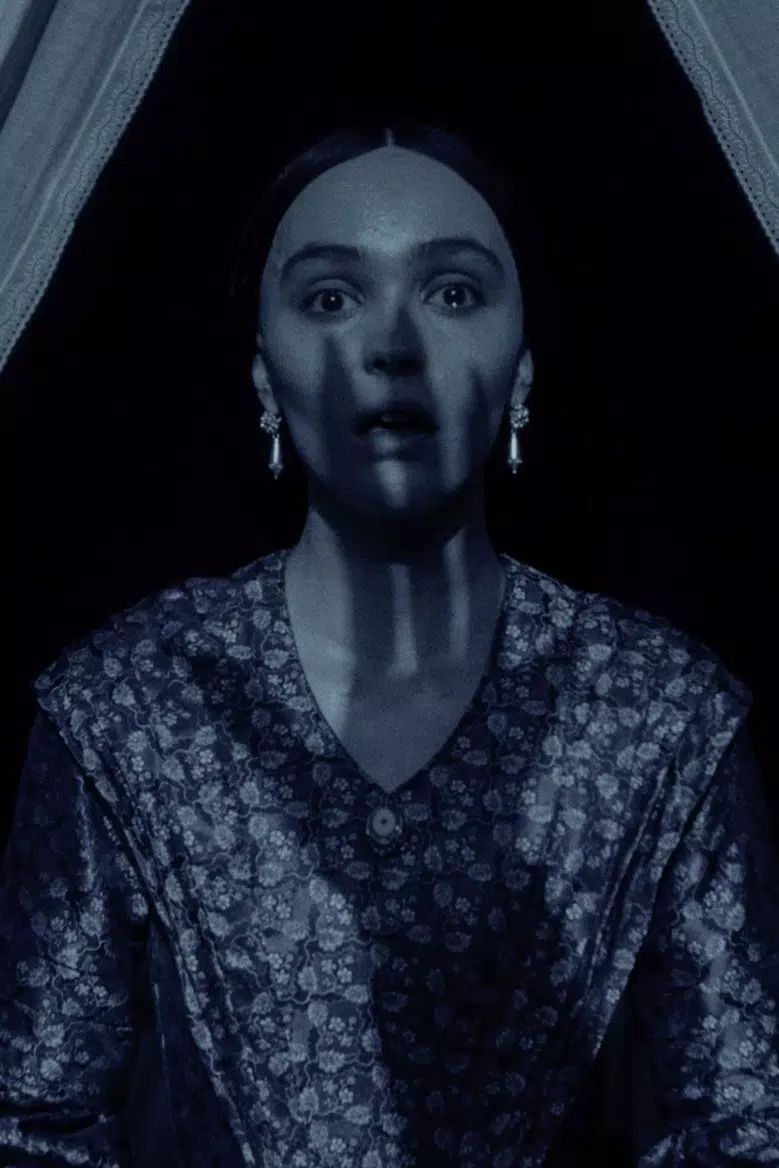
The fear of touch, the shadow of the claw, the fear of being touched by a shadow that reaches you the shadow of a long hand of an old "red flag".
I couldn't help but remember Jim Carrey's claw game with his son in “Liar Liar”.
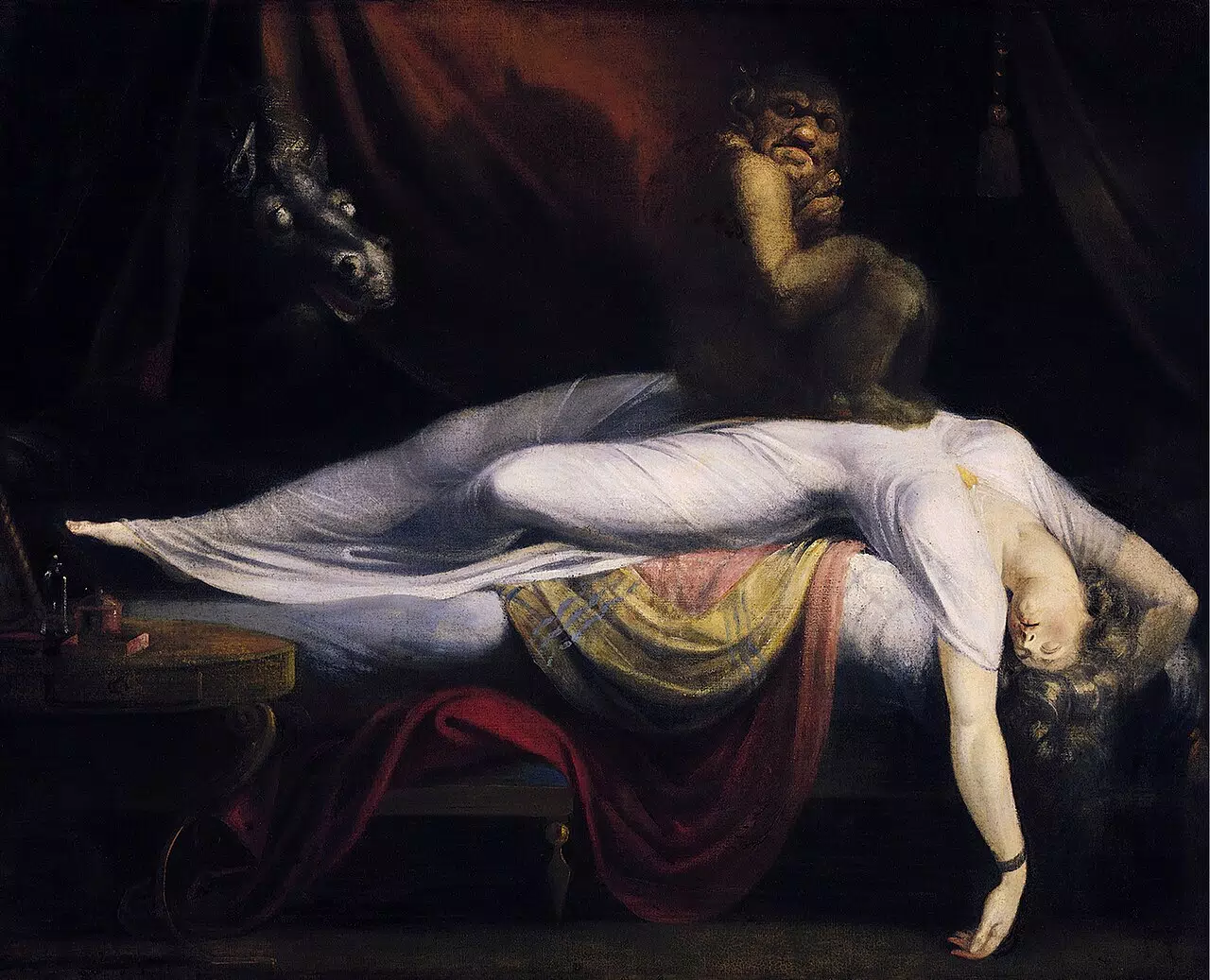
In folklore, when people experienced vampire attacks, they often described a pressure in the chest, similar to old witch syndrome," Eggers explained, referring to what we know today as sleep paralysis.
Quote from Professor Albin Eberhart von Franz :
I have seen things in this world that would make Isaac Newton crawl back into his mother's womb! We are not so much enlightened as blinded by the gaseous light of science. I have wrestled with the devil as Jacob wrestled with the angel at Penuel, and I tell you that if we want to tame the darkness, we must first confront its existence.
The vampire
The first idea that comes to mind just thinking about what "a vampire" means, is the implicit concept of the repudiation of light, it is its main weakness, it can kill or burn it, the fire that purifies everything, then we can deduce that it is like a harmful microorganism, a bacterium or a plague, something that pasteurization or heat kills. That is why its natural habitat is cold, shadow, darkness...
Its awakening, its journey, its birth is in the twilight at dusk, and in terms of age it represents old age, the decline of life. This idea is curious by the fact that we have the belief that the theme of vampires is something of young people or teenagers, in part this idea may be that it has some reason, seeing them as victims of their innocence, doubts and vulnerability, without being this excluding for many adults of course, we also suffer from existential or emotional crises. But on the other hand there is the vampire who on the contrary is an old "-very old", a decrepit, decadent, sick, ugly, unpleasant body that the only thing that perhaps gives him power is some kind of wisdom and experience that he uses for evil.
Count Orlok / Nosferatu is played by Bill Skarsgård and this one is neither glamorous, nor seductive.
He does not need to become young to fall in love to convince, to become young to show tinsel, the false, fleeting passing glitter.... The inner glow is eternal.
Ellen
At that time they had to deal with a more intense social pressure than today, submission, good manners, dependence, on the other hand there is a theme regarding the repressed desires of women, as a prohibition to feel, to be herself, to be sensitive, the very qualities that make a woman, to be a woman above what we men want or need from them; female sensitivity, presentiments, intuition, her connection with emotions, the psychological, the oneiric, Ellen has a connection with dreams and nightmares that at the same time are also a connection with death itself, because; the dream, is a small death.
Her husband Thomas Hutler (Nicholas Hoult) fails to connect with his wife because he is too busy trying to prove and fulfill his role as alpha male provider fails to understand the need of his wife Ellen Hutler (Lily-Rose Depp) to be understood, to be heard, she is a woman neglected, minimized, infantilized and ignored by her husband, friends and father. In the film the only one who understands her a little and listens to her is Pr. Albin Eberhart Von Franz (Willem Dafoe) who is the equivalent of Dr. Van Helsing. Someone with different abilities or sensitivity is considered by ignorance as a sick person, example the autistic or neurodivergent, this makes her a vulnerable and misunderstood person
All this situation leaves Ellen in a position of vulnerability so that a "Sweet Daddy" with fangs arrives to give her the attention she requests.
"In many ways, he's [Hoult] the damsel in distress in this story," comments Eggers.
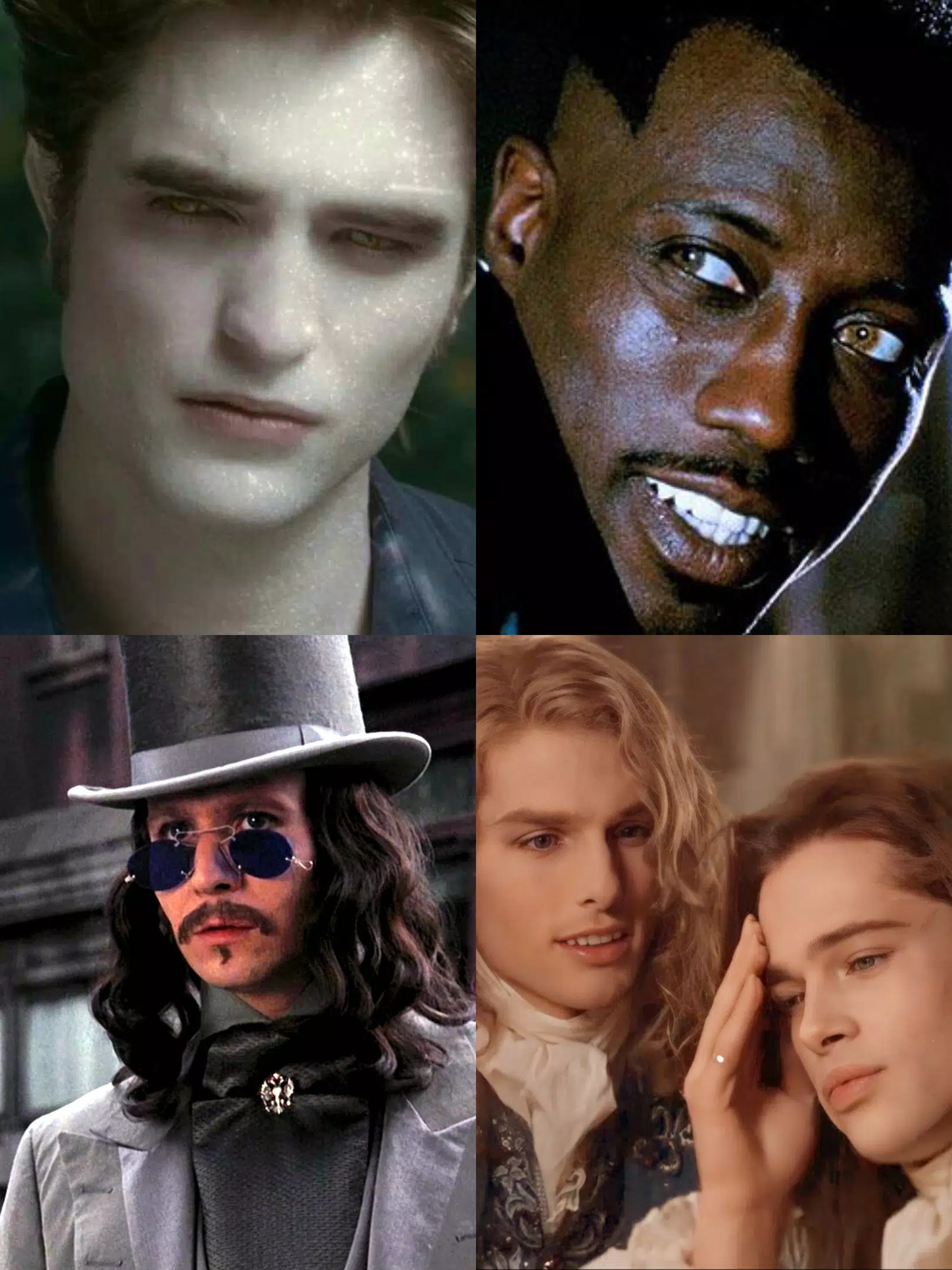
In Coppola's version for Keanu Reeves' character it is suggested that he is homosexual.
It's not love, it's an obsessive yet empty need. We could even think of masturbation and there is also blood implied and it is something empty and can become an addiction or obsession. It is an unhealthy relationship we can use the fashionable cliché: "toxic relationships" but in this context it is appropriate, the toxic is poisonous, intoxicating and at the same time there is a need or craving that you find it difficult to leave..
So Nosferatu needs Ellen and Ellen needs Nosferatu. And therein lies the real terror because they are situations in which any of us could fall, we could be Ellen and we could also be the Nosferatu, we could be a parasite or someone vulnerable...
Ellen, is vehement and devoted in trying to communicate with a celestial being, but, unnoticed, she summons an entity of another kind.
People think she is consumed by the vampire but no, it is she herself who is consumed and turns to the monster to save her from her tormented life.
Another ever-present theme is pleasure, the pleasure of being consumed, of feeding another with your own body and/or blood. "Kiss my heart..!" The detail of feeding from the breast and not the neck can achieve a more sexual connotation.
Some women see Nosferatu as a victim because they both call each other. It's not a one way thing.
A very curious connection that would seem to speak of some kind of reincarnation connected some kind of "Rider-Depp and Vanessa Paradis" love triangle is that the role of Mina (the pure and angelic victim) in Coppola's version is played by Winona Ryder who at the time was Johnny Depp's girlfriend and now the new version of Mina, Ellen is played by Lili Rose-Depp his daughter.
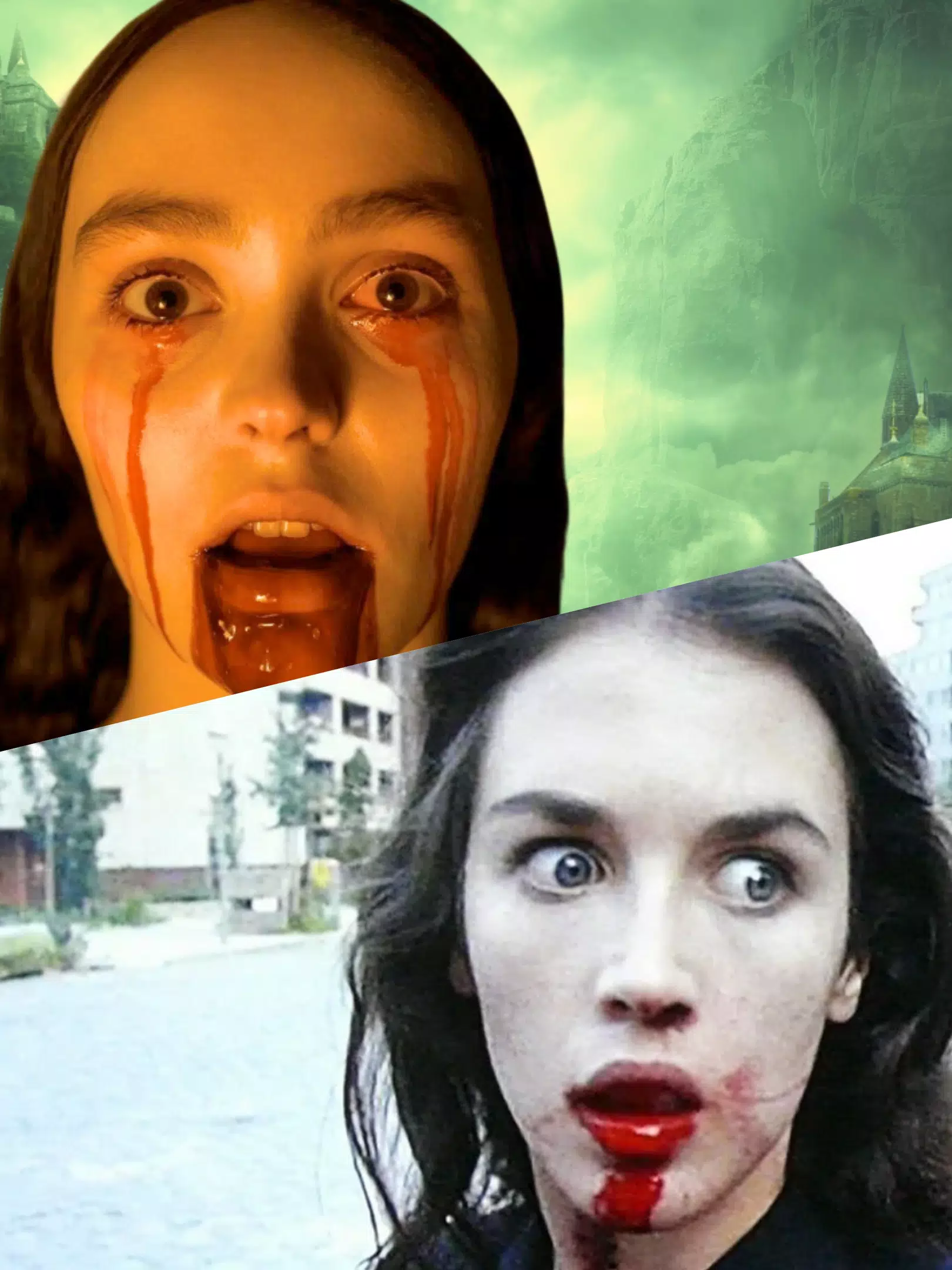
One of the biggest influences in the new version of Nosferatu, is the psychological horror film Possession by Andrzej Zuwalski, released in 1981. This film is pure horror. And it really has a lot of things in common such as the idealization of desires and the misunderstandings they provoke.
Lily-Rose Depp was inspired by Isabelle Adjani's over-the-top performance in this film.
Both depict a terrifying, primal state of possession brought on by loneliness and a supernatural entity.
The business
Thomas must travel to sell a property in the Carpathian Mountains (eastern European mountain range along the borders of Austria, Czech Republic, Slovakia, Poland, Ukraine, Romania, Serbia and northern Hungary). The sale, the contract that is like a deception, a manipulation, a business of course, but when you sign it is as if you were selling your soul to the devil and the ink is as if it were a metaphor of blood as if when you sign you were writing with your own blood, all this is a critique of capitalism, Nosferatu himself is a critique of capitalism is consumption for consumption, he consumes the blood of his victims and his victims need to be consumed we can also find a parallelism with the vices: the alcoholic needs alcohol and at the same time and is a victim of it but at the same time alcohol (as a business) needs to be consumed.
On the other hand there is the purchase of a property apart from the property where I live, I acquire an apartment and my friend I call it a branch, I have my house my life in a place but I have another life in that other place. So it seems that it also suggests a double life that if we analyze it double life is like something beyond life as if we were looking for immortality in that reproachful, anti-moral and sinful way.
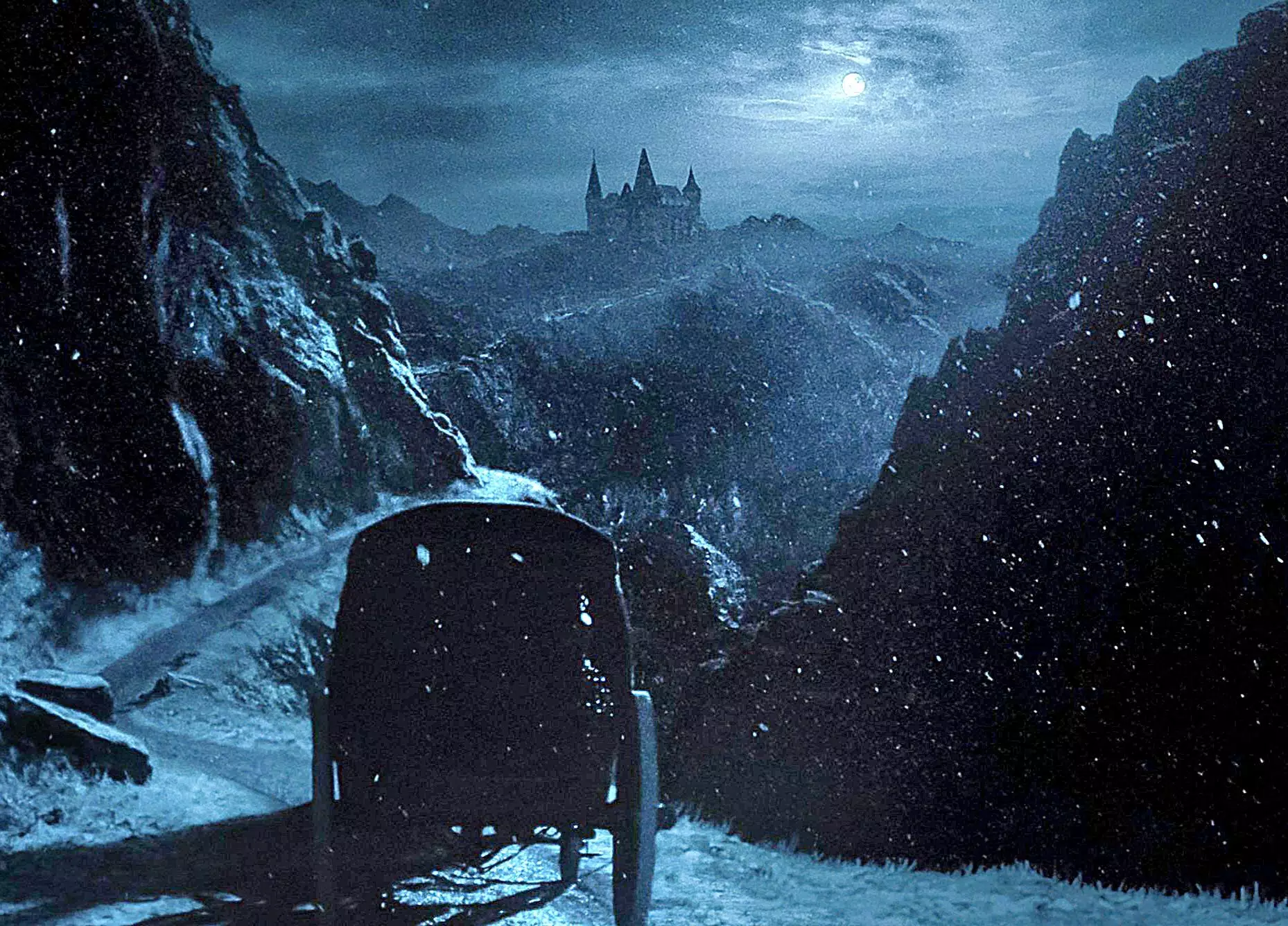
There is not only a critique of our mode of production but also of patriarchal society, this visceral fear of the feminine, of magic, of sex, of death and everything that is not rational.
The theme of the story is also Consuming another and being consumed or eaten. The vampire is a capitalist who makes you an object of consumption. He consumes the one he desires. Companies like Tyrell in Blade Runner or Wayland in Alien are also vampire-like, exploitation and human instrumentalization is consumption, the human being and women in particular are also objects of consumption.
Sacrifice
Another part of the film tells us about sacrifice.
Ellen has a good soul and wants to do something heroic, like Jesus himself, to give her life to save others. With the small difference that he does not save the world with his suffering but saves the world by giving free rein to his carnal desire.
A detail that almost escapes him is the chosen release date, which if it is not fortuitous, December 25 is the date of the birth of Jesus, which would represent the opposite of Nosferatu, but if it is similar to a sinful woman who is still a savior from other types of sins. Also the boat trip of Nosferatu can be interpreted as a stage of gestation and the arrival in the city as the birth, which would not be a giving birth but a darkening, the arrival of the plague.
A parallel between salvation and forgiveness; in one part of the Catholic liturgy of the Eucharist the priest lifting up the host (a small moon-mirror called the body of Christ) recites: - "take and eat of it all of you for this is the chalice of my blood, the blood of the new and everlasting covenant which will be given for you for the forgiveness of your sins".
Are you also attracted to darkness?
Why do we go to horror movies, because we are attracted to it? Is it because we like to be scared?
It is like a masochistic need to feel fear or darkness. Maybe from this point of view we can understand Ellen a little better.




Share your thoughts!
Be the first to start the conversation.