
Superman begins with a scene normally left for some epic third-act twist: Our hero lies in the snow, bloody and bruised, minutes after he’s been defeated for the first time. His unruly yet lovable canine companion, Krypto, drags him to safety to his Arctic sanctuary, the Fortress of Solitude. It's a striking way to usher in a new cinematic era for the Man of Steel. He’s not just an unstoppable icon, but a man who can be broken and bruised. An outsider with as much vulnerability as he has humanity. In its opening moments, Superman sets a fresh tone for a film that soars with heart, hope, and political resonance.
James Gunn's reboot isn’t just another chapter in DC’s cinematic journey – it’s a deeply comic book-rooted return to form for a character who has too often been flattened into either grim angst or hollow perfection. Superman (David Corenswet) is Clark Kent: adopted by Kansas farmers, raised with love, and burdened with the knowledge that no matter how much he gives, he’ll always be seen as “other.” Gunn leans into that immigrant allegory with unflinching purpose, evoking real-world issues like U.S. border politics, ICE crackdowns, and the scapegoating of the vulnerable. It’s no coincidence that Superman is often called “alien” or “Kryptonian” in the film in ways meant to diminish or dehumanize him, paralleling the language used in contemporary discourse to turn people into threats rather than individuals.

The film's version of Superman is as much about compassion as power. Whether rescuing civilians or simply pausing to save a squirrel mid-battle, this is a Superman who thinks before he acts – who weighs lives over victory. When we first see him bruised and bleeding after a brutal loss to one of Lex Luthor’s (Nicholas Hoult) engineered metahumans, he’s not just physically vulnerable but emotionally cracked. Krypto dragging him away is a moment that’s as playful as it is human. The Fortress of Solitude feels less like a god’s retreat and more like a sanctuary for someone who needs to rest and heal like the rest of us.
The film's central message is one of hope. Superman isn’t a warrior or a saviour so much as a symbol of decency. He believes in truth, justice, and a better tomorrow, not as an empty slogan, but as moral imperatives. Gunn brings this vision into sharp contrast by surrounding Superman with a world that is losing its moral compass, where power is wielded recklessly, and people turn on each other out of fear.
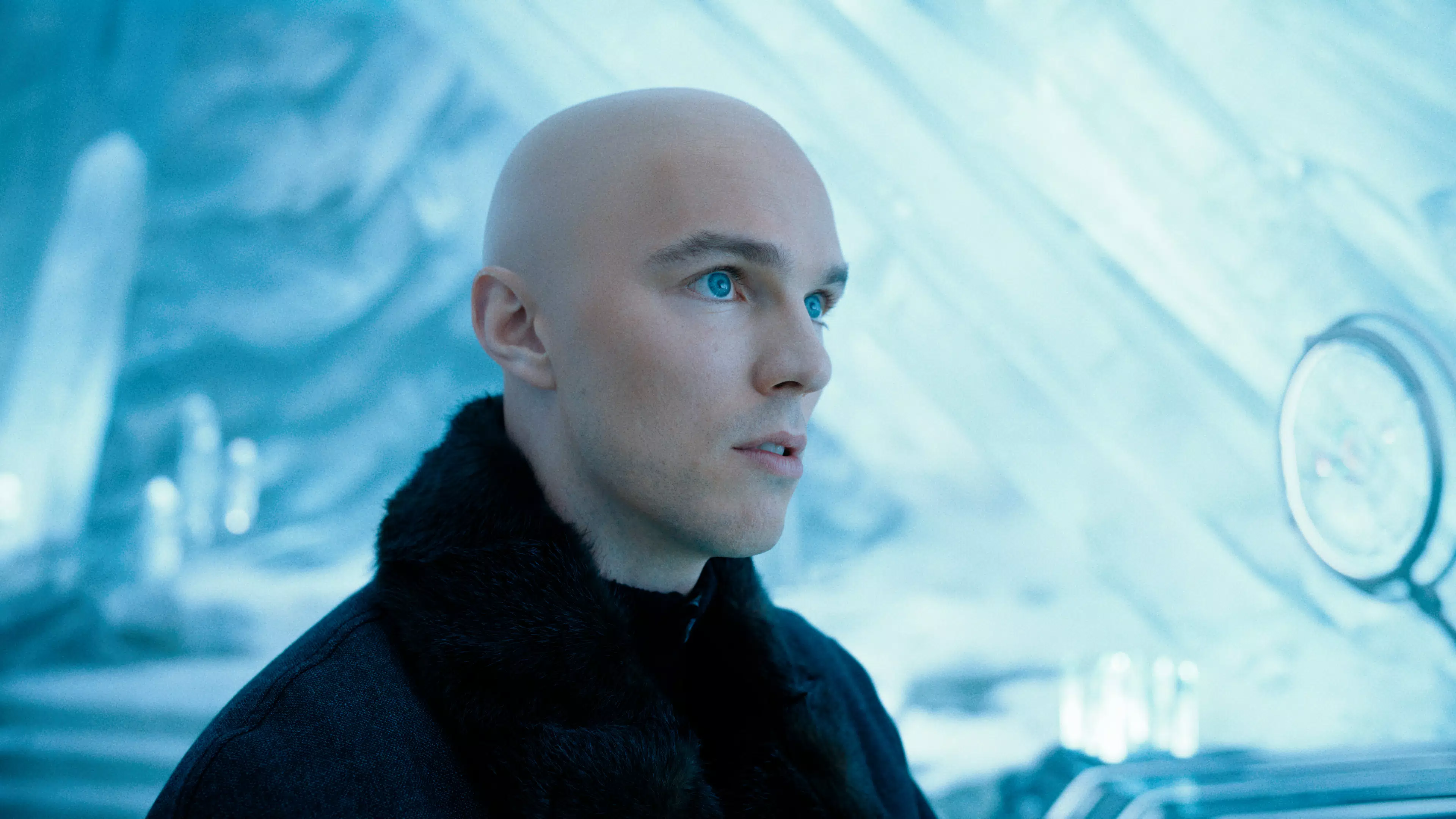
Nowhere is this more evident than in Nicholas Hoult’s Lex Luthor – a chilling hybrid of tech mogul, political opportunist, and ideological supremacist. Hoult is terrifyingly slick in the role, giving us a villain who doesn't just want to defeat Superman but erase the need for him. LuthorCorp’s scientific pursuits are engineered for social destabilization: he creates a weaponized metahuman army called PlanetWatch, whose goal is to make Superman obsolete and feared. His endgame? To create a politically independent, Luthor-ruled nation built on propaganda, surveillance, and superiority. His charisma is almost infectious – and terrifyingly familiar.
And it works. The world does turn on Superman. Fast. Gunn makes the speed at which the public’s faith collapses a chilling reflection of our own times: how quickly the powerful can manipulate truth, how easily the fearful can be turned against those who look or live differently. Superman's alienness and his Kryptonian heritage are used as a weapon against him, painting him as an existential threat rather than a guardian. These dynamics are more than metaphor: they speak directly to our world.
Amidst all this darkness, Gunn also creates a fun moviegoing experience. The tone, while politically sharp, often shifts into breezy humour. Krypto is a misbehaving, scene-stealing delight; the Justice Gang, featuring Green Lantern (Nathan Fillion with a terrible haircut), Hawkgirl (Isabela Merced), and a standout Mister Terrific (Edi Gathegi), adds superhero flair and fighting power. One minute, the film is poking fun at Superman’s glasses disguise, and then it shifts to deliver pulse-pounding action. The fights are thrilling, the flight sequences exhilarating, and the sound design near-physical – you feel the crunch of bones and the weight of impact.
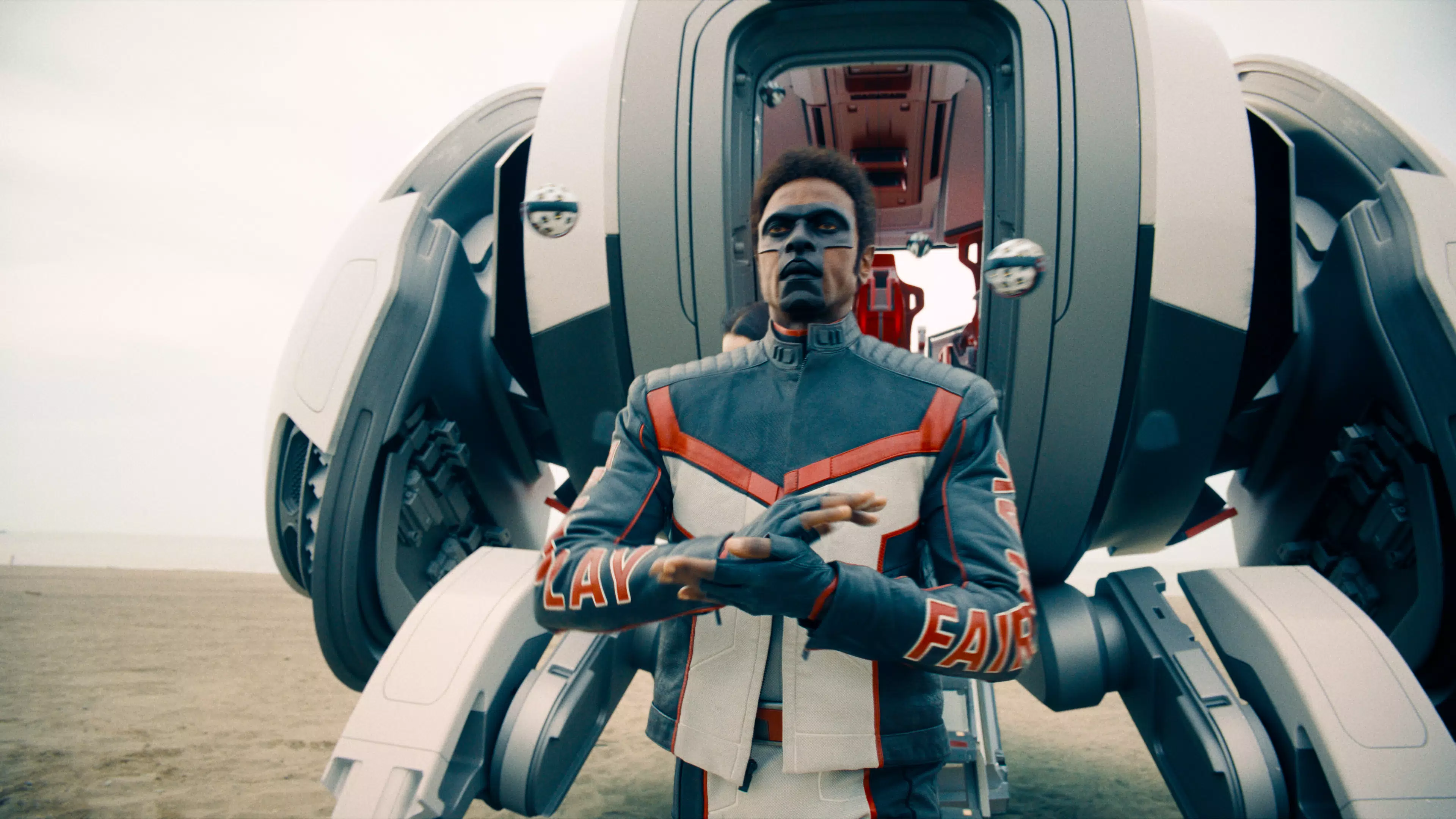
However, in its ambition to kick off a new cinematic era, Superman crowds itself under classic universe-launch pressure. There’s a lot going on – maybe too much. Between Ultraman, Lex’s PlanetWatch metahuman army, and the introduction of the Justice Gang, the movie races to introduce characters, hint at future spin-offs, and set up broader conflicts. It’s exciting, sure, but also can feel narratively bloated and undercooked. Like many modern superhero blockbusters, the film falls into familiar genre traps, with characters and storylines that could have used more breathing room and ideas that are sketched rather than fully explored.
For a movie trying to do so much, it remains entertaining and quite invigorating for the superhero landscape. At just over two hours, Superman flies by, and there’s never a dull moment in its fast pace. Gunn’s signature energy, which we’ve seen throughout his Guardians of the Galaxy run, helps smooth over some of the overstuffed world-building. The film’s emotional throughline – Superman’s struggle to do good in a cynical world – remains powerful and clear, despite other elements needing more development.
What grounds all this, thankfully, is heart. Corenswet gives a Superman performance that honours the character’s legacy, while carving out something distinctly his own. He’s physically ideal for the role, yes, but it’s his emotional vulnerability, his deep empathy, his restraint in the face of violence, that helps create the overall hopeful tone this Superman offers. Whether confronting Lex’s ideological poison or questioning his role on Earth, Corenswet’s Clark never loses his good nature. You feel Superman’s genuine goodness, and his warmth radiates.
Rachel Brosnahan as Lois Lane is another highlight. She’s smart, tenacious, and very much an equal partner in the story. The secret romance between Lois and Clark crackles with tension and trust, especially in a clever interview scene where Clark (as Superman) banters with Lois in her Daily Planet reporter mode. The chemistry is all there, but also remains grounded in the relationship’s complications. The love and understanding that Lois has for Superman is a nice break from the malice he often finds himself facing.
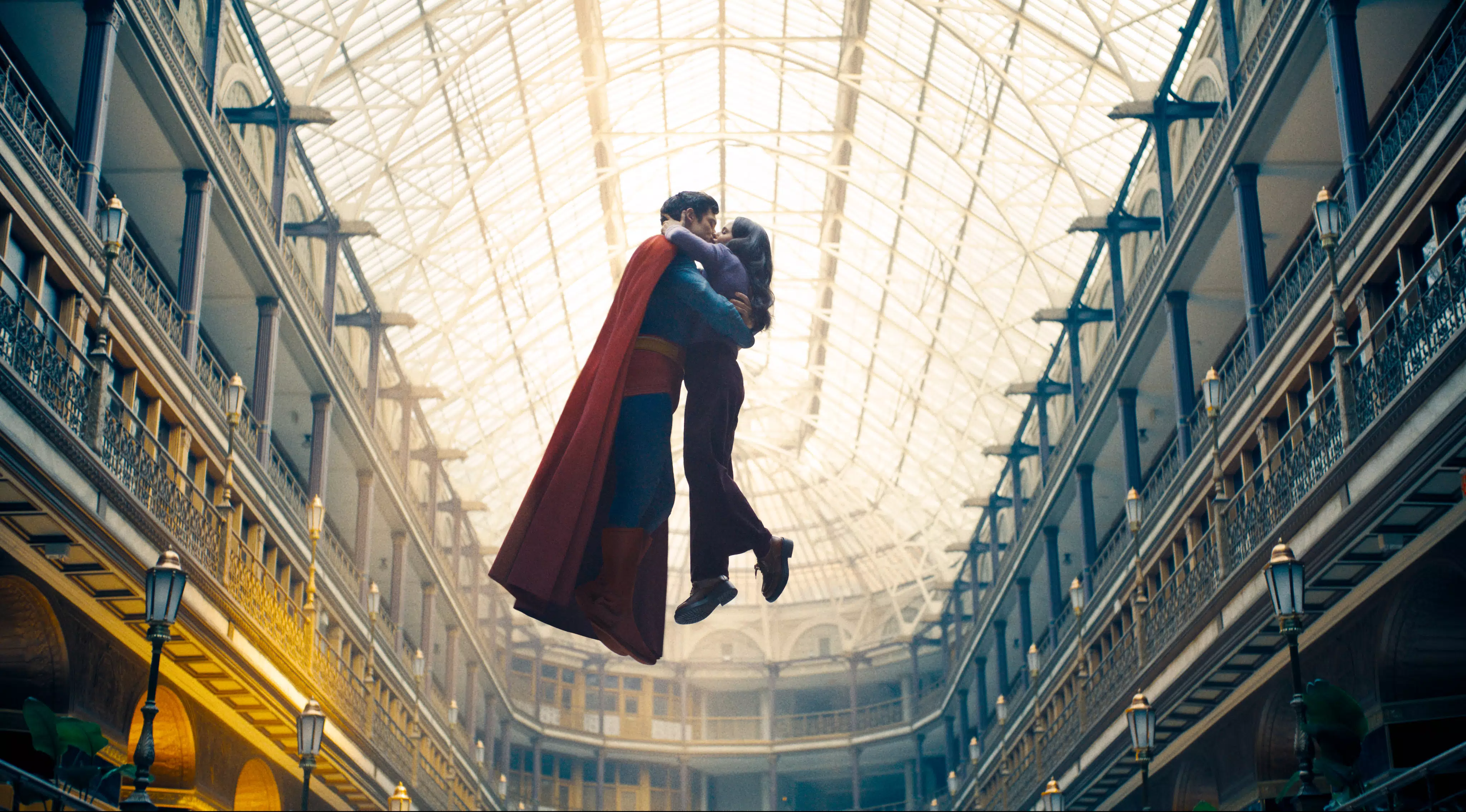
At its core, Superman respects what the character has always stood for in the comics. Gunn channels the classic themes: Superman as a hopeful immigrant, as a man of moral clarity, as someone who helps not because he must, but because it’s right. This is a superhero movie that shows that power doesn’t have to corrupt, but that it can also uplift.
Superman’s origin, the destruction of his home, and his search for identity are woven thoughtfully into the film’s structure. He’s a man trying to belong, trying to help, and trying to be good even when the world calls him dangerous. Gunn doesn’t just update Superman for 2025 – he restores him to his truest self.
In a time of rising division, endless wars, and crushing cynicism, this latest iteration of Superman offers belief. It doesn’t do this in brute strength, but in kindness. In moral courage. In choosing hope over fear. It’s thrilling, deeply sincere, and genuinely moving. Superman is not only one of those films that makes us hold on tight to the love of going to the movies, but it’s also refreshingly human. As Superman struggles to understand who he’s meant to be, we see ourselves in him. And in watching him rise and fall, we remember why we started believing in heroes.






Share your thoughts!
Be the first to start the conversation.