
For a long time, I didn't understand my mom's fascination with Bruce Springsteen. My brothers and I always chalked it up to her being American. Since the only song we knew by him was "Born in the U.S.A.," our theory tracked. It wasn't until I was older and decided to dig into Springsteen's catalogue that I learned why people call him The Boss.
What I discovered during my deep dive is that there really isn't any modern counterpart to Springsteen. His sound, that of big-band rock n roll, has basically ceased to exist. There were bands like Mumford and Sons that kind of brought out a loud, lots-of-instruments style to their music, but how many songs, in 2025, have ear-splitting saxophone solos? Bleachers has them, but how many people really listen to Bleachers? Bruce's catalogue is full of sax. On top of that, the Bruce persona, that of a man's man who lives life rough and drives his car real fast and leaves his wife because he feels like it, doesn't really translate to modern sensibilities regarding masculinity. In a way, it feels like The Boss's style is being lost to the sands of time.
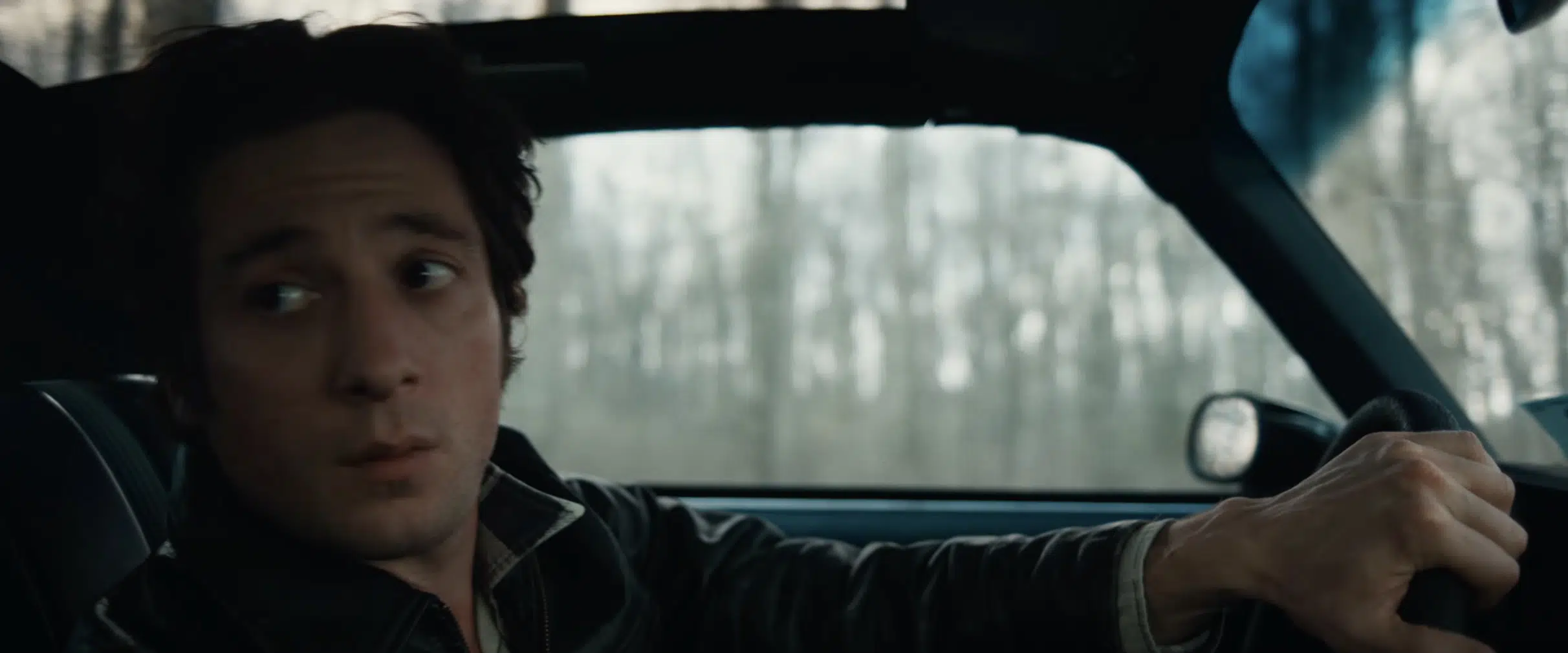
My research didn't exactly reveal to me what it was that made The Boss so captivating. I found some bangers, for sure, but I also found a lot of songs that either didn't resonate with me or just didn't mesh with the sounds that I'm accustomed to hearing in the modern age.
However, there was one album that did stick out — Nebraska. Whereas albums like The River, Born in the U.S.A. and Born to Run are full of hard-hitting rock songs, Nebraska was the complete opposite. When I first heard it, I couldn't help but feel like it was Springsteen in his Bob Dylan era. The further I went into Dylan's discography, the more I realized that that wasn't really the case. Even by Dylan standards, Nebraska is very stripped down.
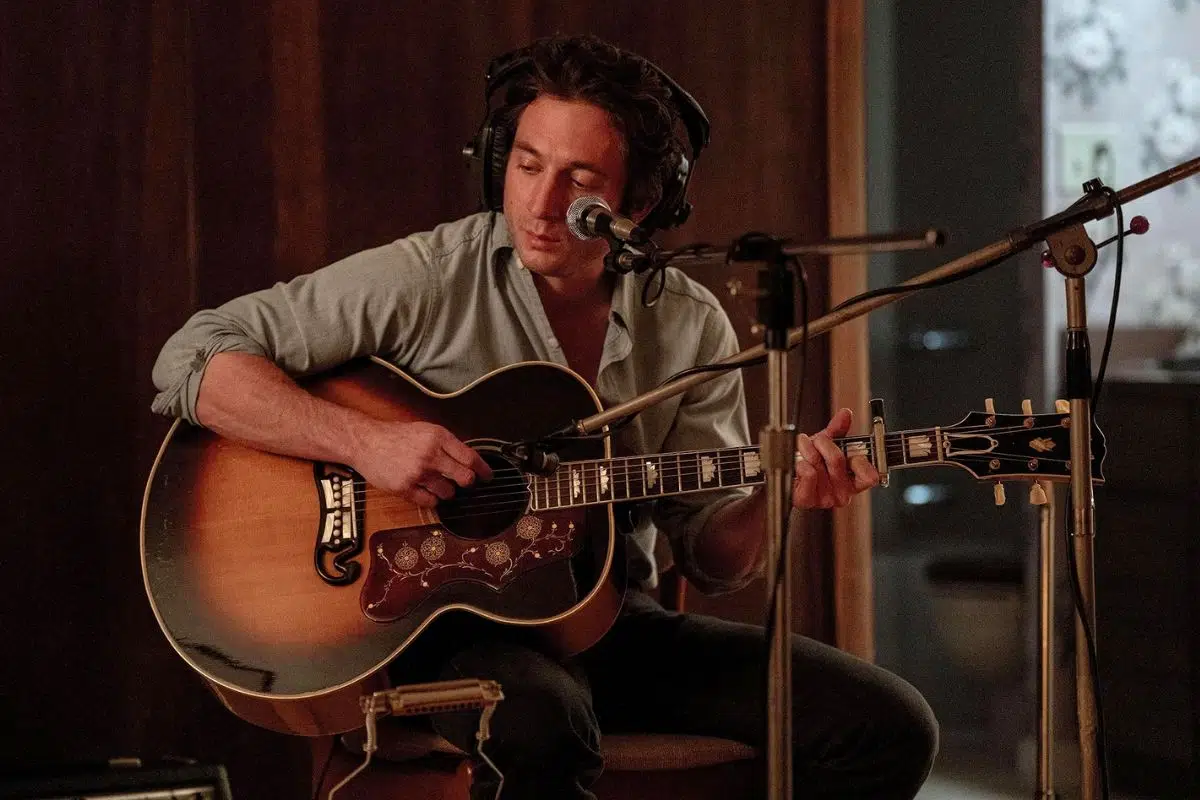
It's not an accessible record. On first listen, you're likely to forget that it's even playing. After repeated listens, what I discovered was a haunting album, one that delves into the darkest themes of Americana. He sings about murder, bending your morals for family and running away from debt. I thought I understood it, but the new Bruce biopic, Springsteen: Deliver Me from Nowhere, made me realize that I didn't understand Nebraska at all.
Starring Jeremy Allen White and Jeremy Strong, Deliver Me from Nowhere is about Bruce's creative process during the making of this acoustic, sombre album. While it's probably not going to win many awards and may get lost in the recent plethora of music biopics, I found myself deeply resonating with Allen White's portrayal of The Boss and the feeling writer-director Scott Cooper was trying to capture regarding the depths of the creative process.
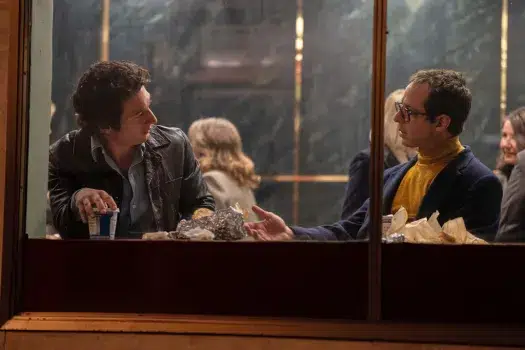
I need to say something really cringe to continue this article, so I better just get it out of the way. I consider myself something of a creative. I know, another privileged white boy who thinks that, just because he types letters once in a while, he's the next David Foster Wallace. I know, but I can't help it. Creativity is what I love and creativity is what I do. I'm not saying I'm Springsteen, but I deeply identified with the creative process on display in Deliver Me from Nowhere.
A couple of years ago, I found myself in a rather unique situation. I was out of a job, but I had a pretty decent amount accumulated in my savings account... Enough to live for a few months. Maybe I watched too many motivational Instagram reels, but I made the decision to bet on myself. I decided that I'd give myself three months where I wouldn't look for a job or anything like that. I would live off my savings and write a feature-length screenplay. At the time, I badly wanted to sell a script. Consumed by that singular goal, I knew that I needed to write an undeniably great story.
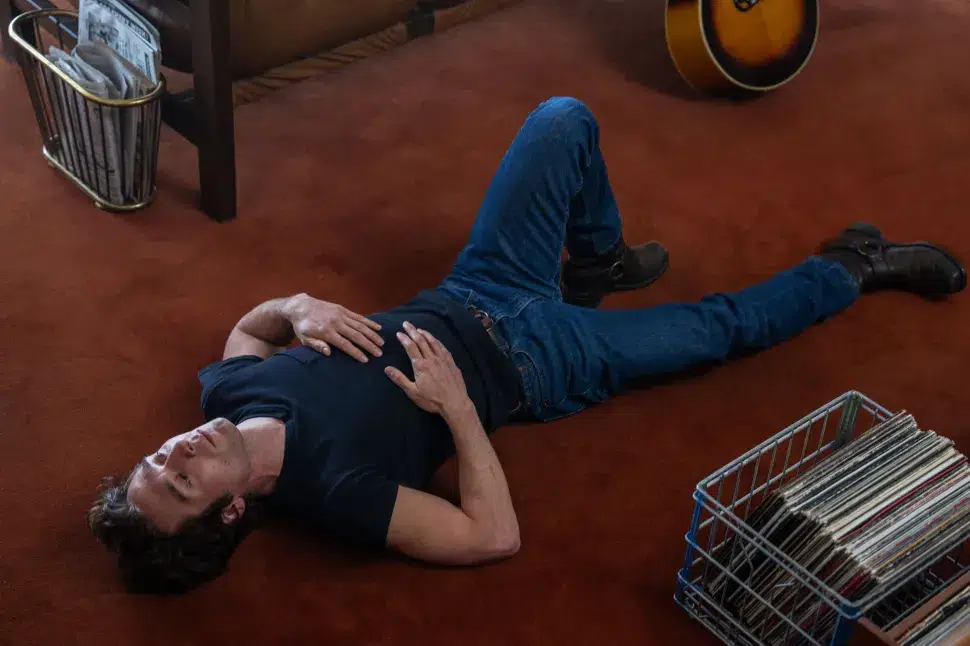
The planning and the research was fine enough. I spent my days reading articles, formulating ideas, looking for unique stories that might help me create my own. All of this was well and good until the day finally came where I had to open Final Draft and start writing for real.
I was faced with the horror of a blank page. I think that finding the first sentence for a Peli article is bad, but it's nothing compared with trying to start a 120-page screenplay. It felt like any decision I made was massive and that each word had dire consequences regarding where my story would go. What followed was a period of stasis unlike anything I'd ever felt before.
It wasn't writer's block, because I was writing, at least a little bit, every day. It was the hours leading up to the writing. Once the words started coming out, I would flow with them, but to get there, to get to that feeling of confidence that what I was writing was not only important for the story but meaningful to me and my potential audience, took hours of isolated soul searching.
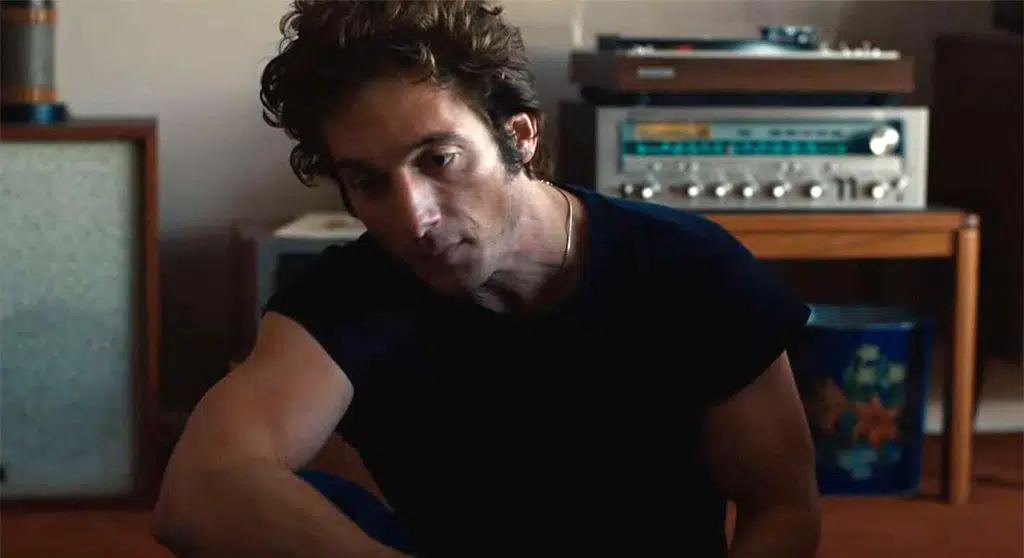
I didn't sell my screenplay, but I did finish it. It got a 6 on The Blacklist and I fell into a depression. But that experience taught me about the deafening silence that accompanies creativity. Artists rarely talk about it. Maybe it's different for different mediums. But writing? It's silence all the way. It's brutal and it's beautiful. I didn't make the rules, but sitting for hours in silence is the only way to get to the depths many artists hope to achieve in their creations.
And this is exactly what's unpacked in Deliver Me from Nowhere.
It's not the most cinematic topic to explore. Usually, music biopics choose to go the opposite direction. Something happens in the artist's life and then they go into the studio and record about that very event — like in Straight Outta Compton. Or we learn about the musician's life and then they make one song that totally recontextualizes the events of the movie and shows that this song was really about the musician all along — like in Bohemian Rhapsody. Here, in Deliver Me from Nowhere, we accompany Bruce as he confronts the darkness within his soul. Focusing on the internal rather than the external, I found the film very compelling because it followed an adventure I had gone on myself. I didn't get a result like Nebraska, but the intention was the same — to dig into my own soul to see what surfaces.
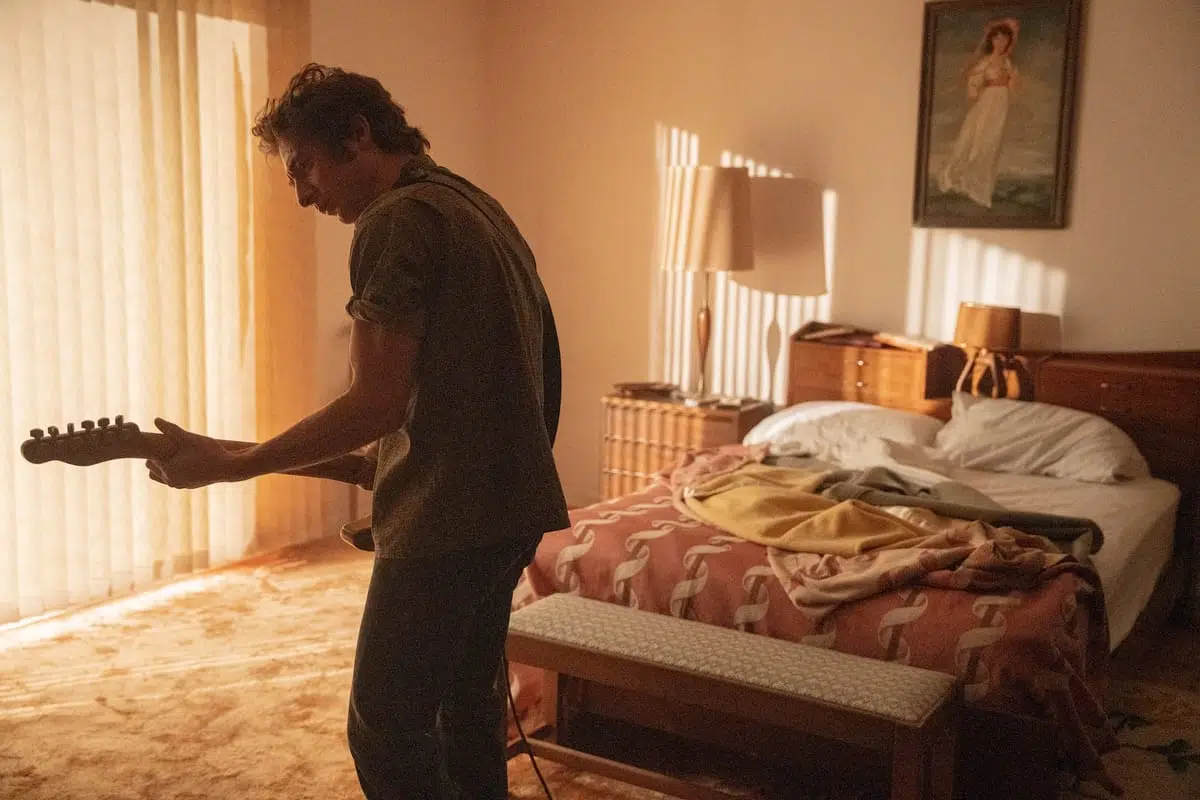
The scary part about soul searching is you don't know what's going to come up. Repressed memories, that awkward thing you did in high school, the girl you fumbled, it's all fair game when looking introspectively. For Bruce, his mind continues to send him back to his childhood and the toxic relationship he had with his father. They shoot these father-son flashback scenes in black and white, which I didn't much care for, but they're essential because they inform Bruce's creative struggles during the Nebraska sessions. I was willing to sit through these rather soapy flashbacks just so I could get back to Allen White sitting in a rented house, alone, looking out at the scenery, watching Badlands, and slowly scribbling lyrics as the night turned to morning.
Nebraska isn't the greatest album of all time. It wasn't trying to be. It's not an album with any recognizable singles. What it is is a totally stripped back look into the soul of a man. If that sounds cringey to you, then probably forget about Deliver Me from Nowhere. But, if you're like me, and you have spent those very strange hours of solitude trying to uncover yourself and, in turn, create something to give to the world, then I think you will identify and empathize with Bruce's journey. It might not make you a fan of his music, but it might help you understand why The Boss has such a loyal fanbase and why he's remained a cornerstone of American music lore.





Share your thoughts!
Be the first to start the conversation.