
"Oh brother," groans my small but passionate fanbase as Peliplat's resident white boy releases another article on a topic that he has little to no licence to talk about. This time, we're going head first into this month's writing challenge, When Movies Push Back, and talking about my all-time-favourite biopic, Malcolm X.
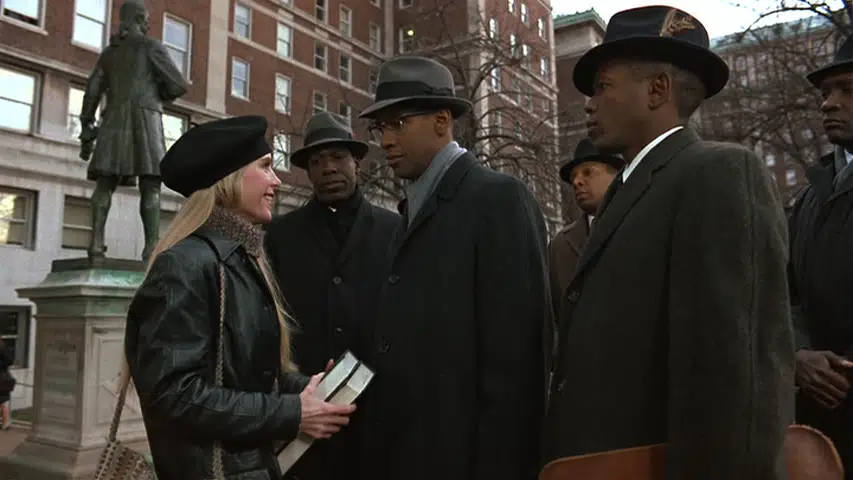
Malcolm X's life was punctuated by his need to push back. It's only right that his biopic pushed back as well. With Spike Lee directing, the movie's indignation with America's treatment of its own people is clear. The opening shot of the film is an American flag igniting in flames interlaced with footage of Rodney King getting beaten by the police, which had happened the year prior to this film's release.
Spike does not hold the world's hand at all with Malcolm X. He drops us deep into black culture and provides little context. The opening scene takes place in a barbershop where we meet Malcolm as he puts lye in his hair to smooth it out. For someone like myself who's never stepped foot in a black barbershop, especially not one in the "war years" as the title card describes, this scene made no sense on first watch. Then there are the zoot suits that Malcolm and Shorty wear. These aren't your everyday suits and they don't really exist in white culture.
Spike never intended to make a movie that explained, like a documentary, what was happening. He was telling the story of a black leader to a black audience that would understand the nuance. Fittingly, this assumption left the white audience feeling a bit left out. It made us realize that there are some major gaps in our cultural education.
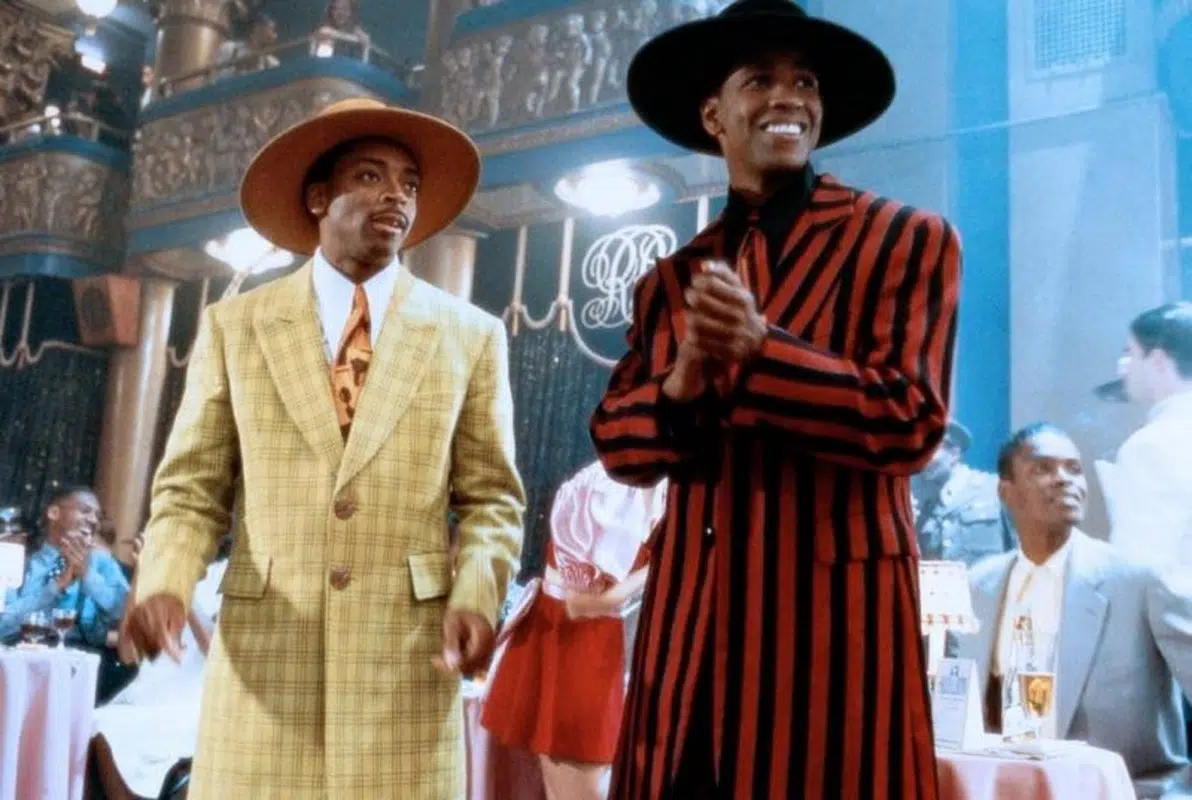
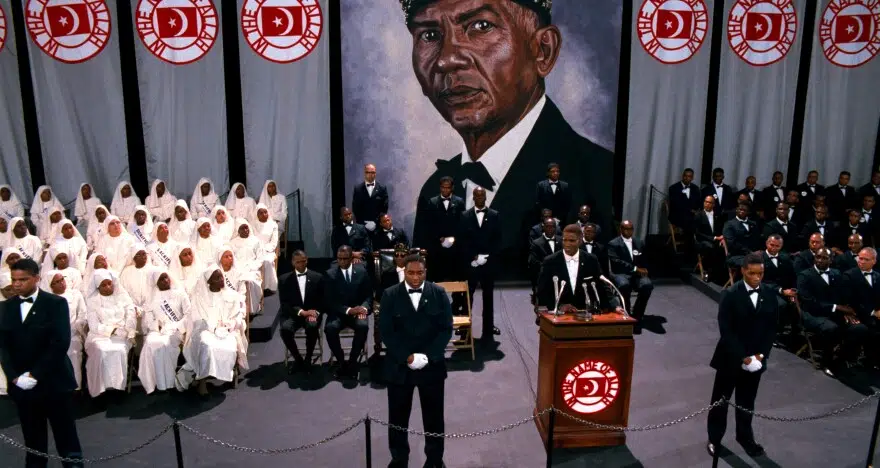
Malcolm is known for some very specific teachings, but, to fully understand his character, Spike had to show us his entire life story. There are three distinct acts to Malcolm's life. The first act was his life under the alias Detroit Red, a delinquent who used drugs, robbed people and ended up incarcerated. He is most famous for his second act, which began when he was released from prison after being indoctrinated into the thinking of the Nation of Islam. He would quickly become the face of this movement and the mouthpiece for the Honourable Elijah Muhammad.
This is where me being white becomes so problematic. It was during this second act that Malcolm became vehemently anti-white. He believed that white people really were the devil. Call it white guilt or not, but I don't really blame him for thinking this way.
The movie makes it clear that Malcolm's life experiences fuelled his beliefs. His father was presumably murdered by the Klan. His teacher told Malcolm that he couldn't be a lawyer because he was black. He largely blamed his white girlfriend for why he ended up in prison. Every white person in Malcolm's life tried to either harm him or hold him back.
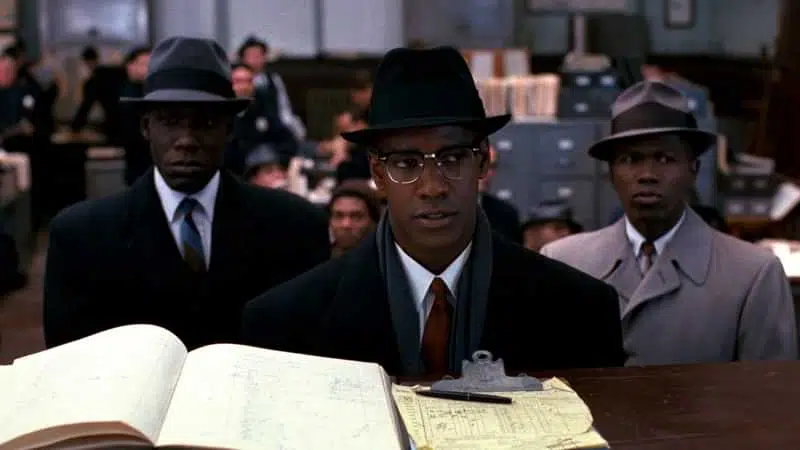
Although I can clearly see where he was coming from, it's probably not surprising that I don't agree with Malcolm's messaging in his second act. I side more with the pearl clutchers of the era who thought his ideas were too radical. In my view, they were too radical. To combat racism with your own version of racism doesn't lead to a right. It just breeds more hate.
Although controversial, this part of the film is also the most fun to watch, and it takes up a good portion of the film's three-hour run time. I mean, who doesn't love to see an articulate, educated black man orate with vengeance against the racist whites of America? Although it is entertaining, I knew deep down that I didn't agree with what Malcolm was saying. However, his story was far from finished.
It was his second change that I found most admirable. In the third act of the movie and his life, Malcolm goes on the Hajj, the pilgrimage to Mecca, which all Muslims must do at least once in their life. Through the voiceover in the film, which is basically direct passages from Malcolm's autobiography, we find out about the spiritual revelations he had while on this journey.
The Hajj made him realize that people from all races can live in harmony. In this case, this harmony was achieved under the umbrella of Islam. Malcolm saw that it wasn't really skin colour that caused friction between him and his fellow Americans. It was how he was treated by them that caused his indignation. Though he had gained all of his popularity for his black-centred race theories, he was man enough to recognize the error of his thinking.
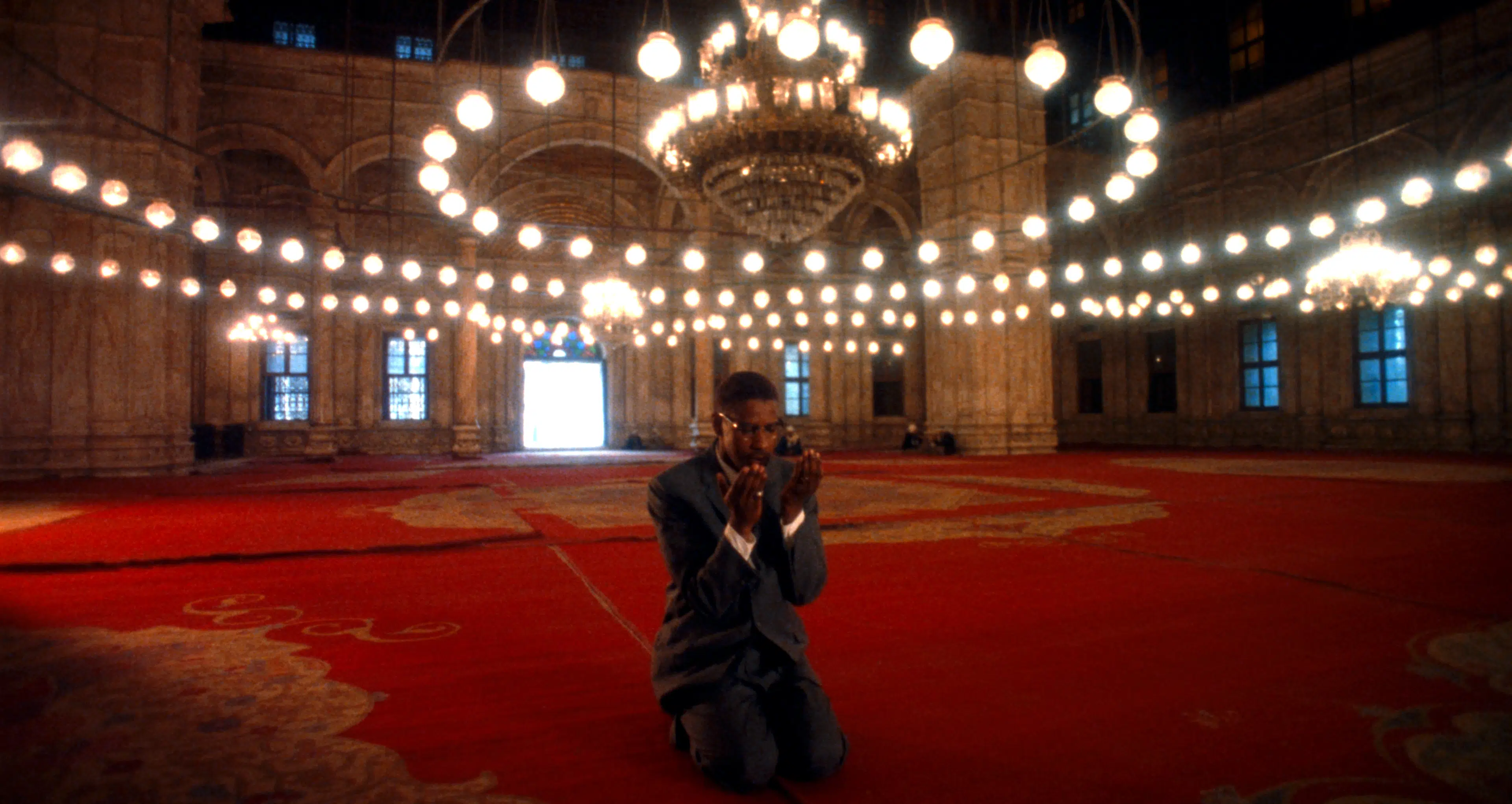
At the time of his Hajj, Malcolm was already having a falling out with Elijah Muhammad over a sex scandal (yes, those existed even back in the 60s). Before he left for his pilgrimage, Malcolm was kicked out of the Nation of Islam. Upon his return, his new thinking that all people are equal and united against ideas of bigotry did not align with the Nation of Islam's doctrine. Elijah Muhammad could not have him change the Nation's fundamental teachings, and he also felt threatened by Malcolm's celebrity and public-speaking skills. This made Malcolm a threat.
This ultimately leads to the film's final conclusion. I still remember watching it for the first time. I was so enraptured by Malcolm's story that the three hours seemed to fly by. I was ready for whatever came next. Then, he was driving in his car and "A Change Is Gonna Come" by Sam Cooke was playing non-diegetically and I was thinking how much I loved that song when it hit me: Holy shit, he's driving to his assassination. My heart sunk. It was the only way for the movie to end, but after seeing this man's transformation and his ability to reinvent himself and to always speak from the heart, I was gutted to think that he was about to meet his demise.
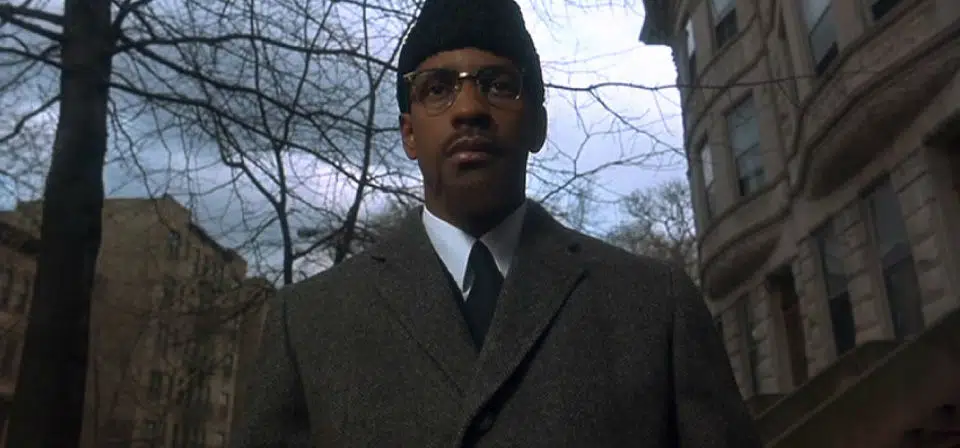
Who killed Malcolm X is still a mystery. Was it the FBI aka the whites who wanted to murder him for trying to champion black people's equity in a country they helped build? Was it the Nation of Islam aka the blacks who were jealous of Malcolm's power and would rather have him eliminated than to have him as a competitor? Was it someone else? We don't know. What Malcolm's death proved was that, even in a free-speech country, speaking your mind and being true to yourself can be a dangerous act.
Malcolm pushed back against America, but I think it's fair to say that he also pushed back against himself, as he never let himself take the easy way out. It would've been easier for Malcolm if he had turned a blind eye to Elijah Muhammad's sex scandal. It would've been easier if he had come back from the Hajj with the same beliefs. But that's not Malcolm. He continued to push the envelope of human experience.
I don't think he ever did anything to gain popularity. I think celebrity came through his conviction, skilled oration and commanding appearance. His driving force was certainly not to be liked. I think he was in the pursuit of righteousness. He wanted to do what felt right to him and to his belief in God.
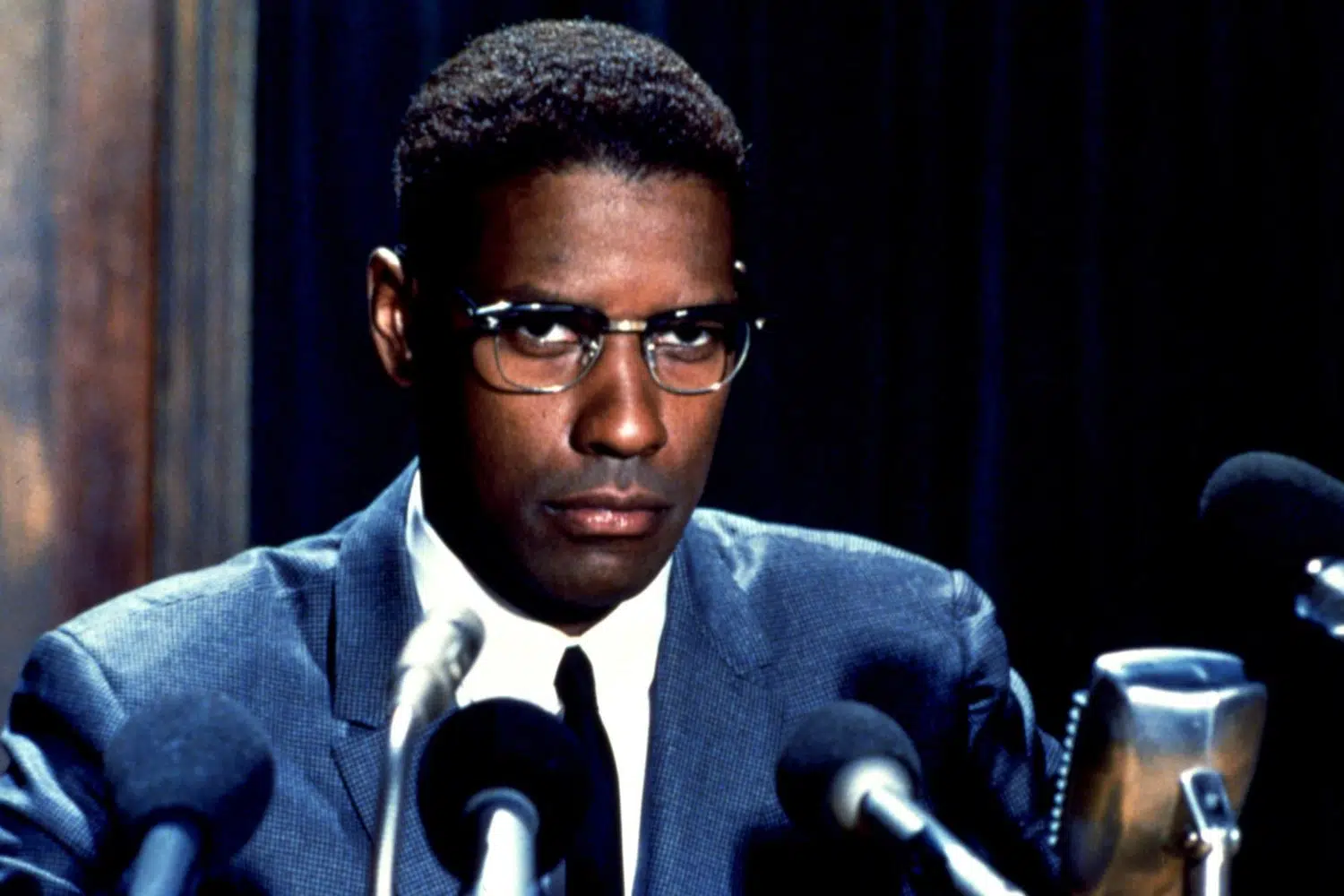
What I want to say with this article is that life is complex and non-monolithic. Just because you feel some way today doesn't mean you have to feel that way tomorrow. Crazy enough, I feel that some people have forgotten that. I feel that people feel the need to stay true to the convictions of their group rather than themselves. It's safer that way.
Pushing back isn't about being safe. It's about stating the way you see things even if your view is unpopular. I'm not saying that you should just say things in ignorance. Like Malcolm in his second act, he may have had it wrong in my view, but it's not like his findings were unfounded. Once his worldview was expanded, he was willing to change his theories. He was a flawed and mutable person. We should all be like Malcolm, and not let our beliefs become a prison. Rather, using our own free minds, we can learn many things about many different cultures. Using new teachings to adapt our belief systems can create a better understanding of the world and give us a more well-rounded existence. This is only possible if we are open to the possibility of change.





Share your thoughts!
Be the first to start the conversation.