
In the first part of this story, I reviewed 6 of the 14 major subgenres of horror movies. If you feel that you are not scared or still craved for much more horror, here's the other 8 subgenres in the second part.
Malevolent Spirits
In this context, malevolent spirits typically refer to Western evil spirits, often depicted as incarnations of demons and carrying a strong religious connotation. In these horror films, malevolent spirits are commonly found in eerie, haunted houses, initially frightening humans and eventually possessing them. The only way to drive them away is usually through the intervention of a priest or an exorcist. Failure to do so can result in the malevolent spirit consuming the human host.
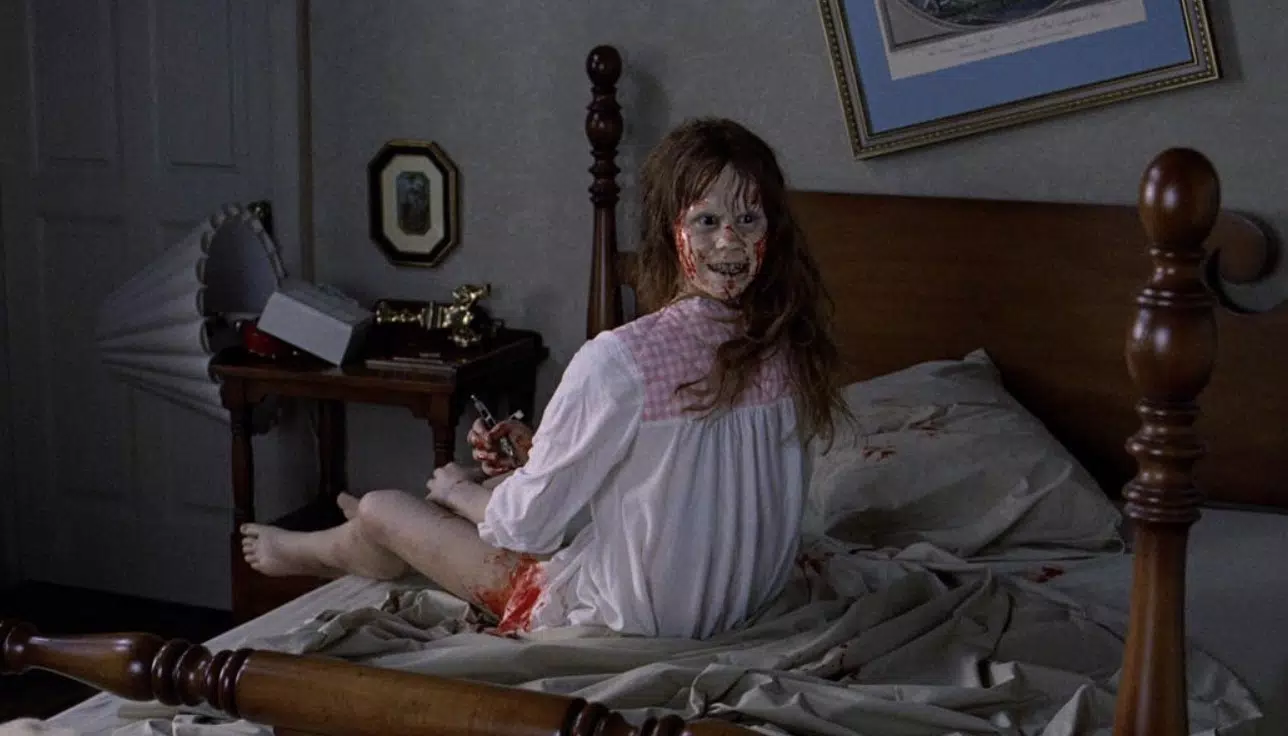
"The Exorcist," filmed in the 1970s, is a classic not just because it was based on real events and treated the subject matter seriously, but also because of its impact on religion and faith. The film's portrayal of the possessed young girl's sacrilegious acts and the famous head-spinning scene were groundbreaking.
"Possession" explores the obsession of Anna with the devil (Anna being possessed by the devil), while we, the audience, become obsessed with Anna's portrayal by actress Ajay Naidu. Ajay Naidu's hysterical, almost mad performance in the film is, in my opinion, his closest approach to perfection. Beautiful to the extreme, yet sinister.
"Constantine" is a heavily religious exorcism film. Keanu Reeves, before he bulked up, plays the role of the exorcist and his various suave smoking scenes are the highlights of the movie.
"Drag Me to Hell" by Sam Raimi stands out among many exorcism films for its repulsive and cult-like style. Maggots, vomiting flies, gouging eyeballs, mud... It's a very B-movie and very cult.
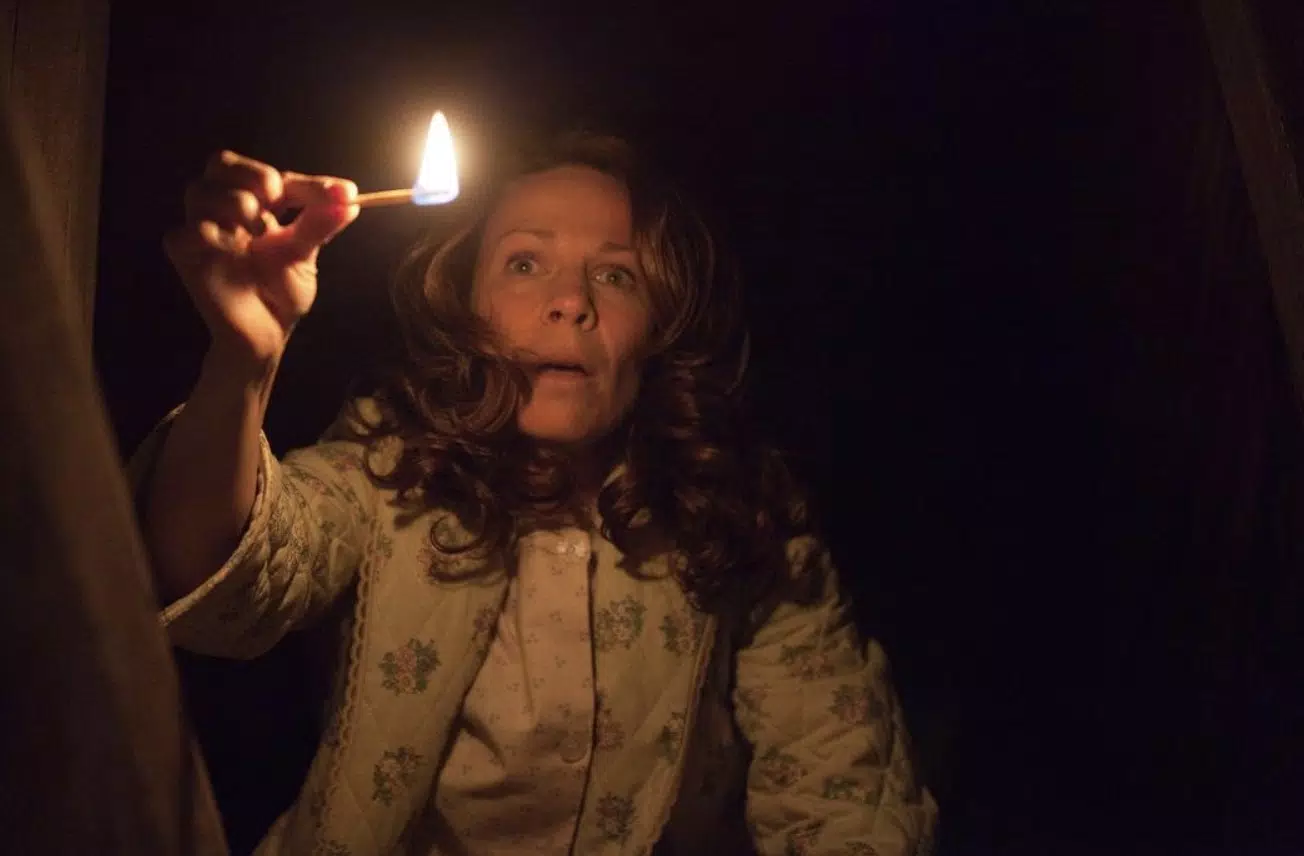
"The Conjuring" was one of the most anticipated Hollywood horror films of 2013. It's filled with malevolent spirits, and James Wan's unique visual language creates an incredibly suspenseful and tension-filled horror experience. After watching the film, my mind was filled with terrifying scenes, and I couldn't sleep all night. It's said that a colleague of mine was so scared while watching it that he hid on the couch and couldn't bear to open his eyes.
Psychological Deviation
Slavoj Žižek once defined the behavioral criteria of neurotic patients in his book "The Plague of Fantasies": "The other one stole my enjoyment; I should at least take back part of it." Whether it's zombies, vampires, or malevolent spirits, these are typically human fantasies. In contrast, personality splits and mental illness pose a real and terrifying threat to personal safety.
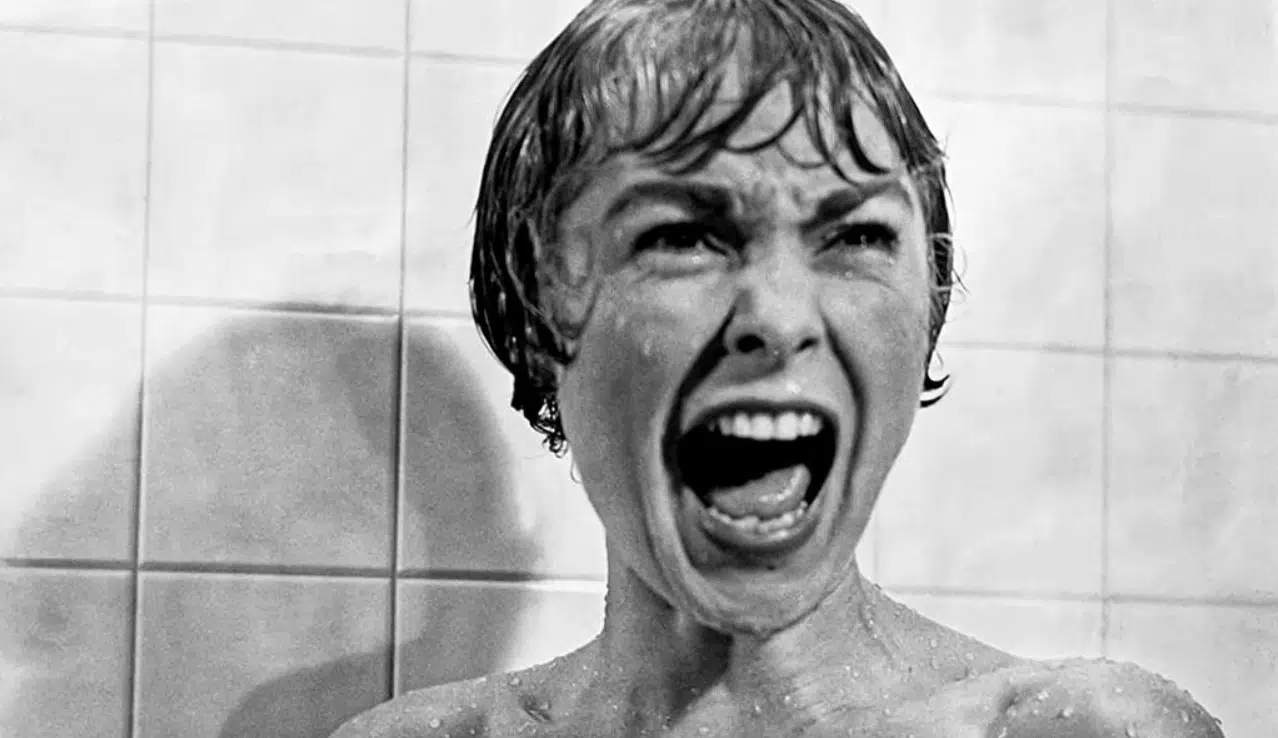
"Psycho" is the epitome of suspenseful horror. "The most nerve-wracking aspect isn't the gruesome deaths but the atmosphere building up to them." It's said that this film pioneered the genre of personality split films. The "bathtub murder" scene in the film is a classic in film history, lasting 48 seconds and composed of 78 rapidly changing shots. It lacks any bloody images, such as a knife piercing the body, but its horror effect is unparalleled due to the comprehensive use of montage, scene arrangement, rhythm, lighting, and sound.
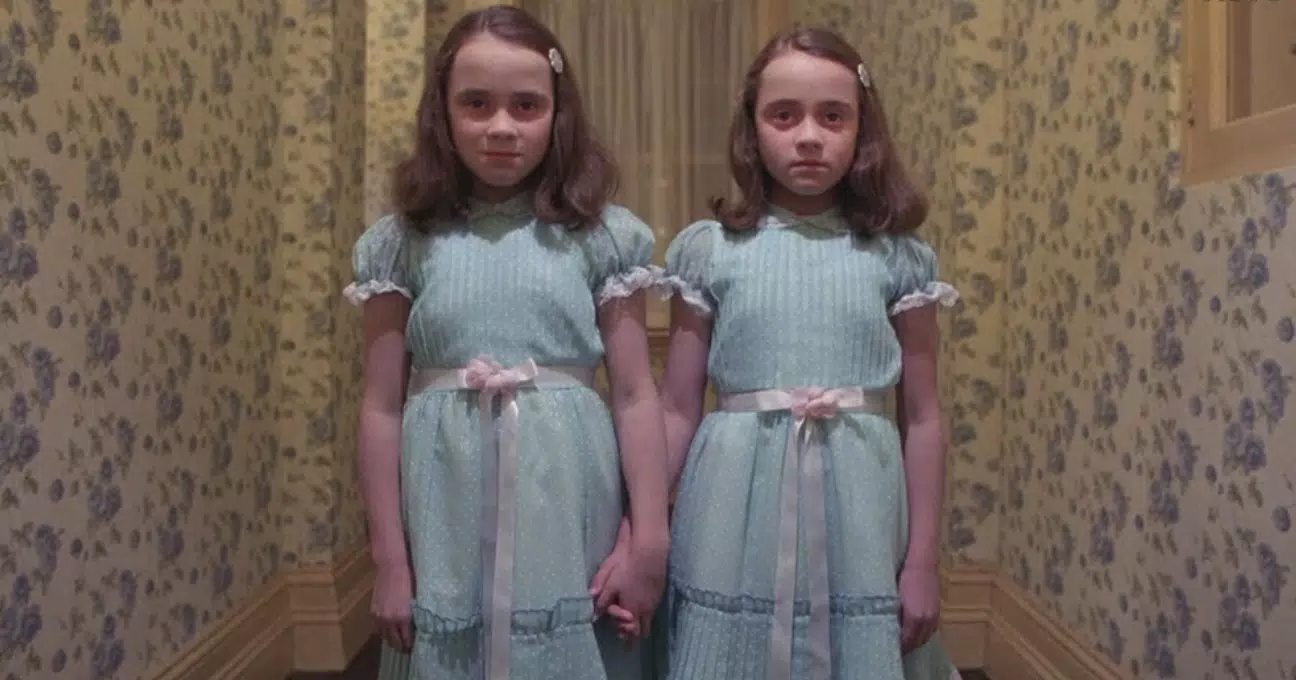
“The Shining”, all I can say about this great horror movie, and the various interpretations of it, is that there is more than what we can see on the screen."The Shining" has given modern horror films a new definition. "The Shining" keeps getting scarier the more you watch it.
"Wrong Turn" features a group of young people who are invariably foolish and clueless (of course, only young people are the main consumers of horror films, it couldn't be anyone else) and become the objects of deranged demons and homicidal maniacs for some reason.
"The Others" is a suspenseful horror film known for its plot twists. The foundation for these twists lies in the complexity of human nature, including split personalities and even multiple personalities. "The thing we fear most is ourselves; it's our shadows that haunt us."
" A Tale of Two Sisters" explore the split personalities beneath the surface of ghostly appearances. These films' mysteries are unveiled in the final moments. The intricate suspense and skillful construction of suspense make them among the top 50 horror films in the world. "Infection" was even rated as the top horror film in Korea in 27 years (1980-2007).
"The Human Centipede" connects human bodies end to end, creating a "human centipede." There's nothing more bizarre and perverse than this. The second film is even more nauseating and disgusting than the first, with the main character being a doctor who attempts grotesque medical experiments.
Animals
In this category of horror films, besides the commonly used fierce creatures like sharks, pythons, and crocodiles, it often explores seemingly gentle and small animals that are commonly found in our surroundings. These films typically blend elements of disaster, science fiction, and adventure.
"The Birds": "The greatest fear is indeed fear itself. When everything around you becomes a threat, there's nowhere to hide." Through everyday, ordinary birds attacking humans, Hitchcock expresses pervasive anxiety and fear in human nature.
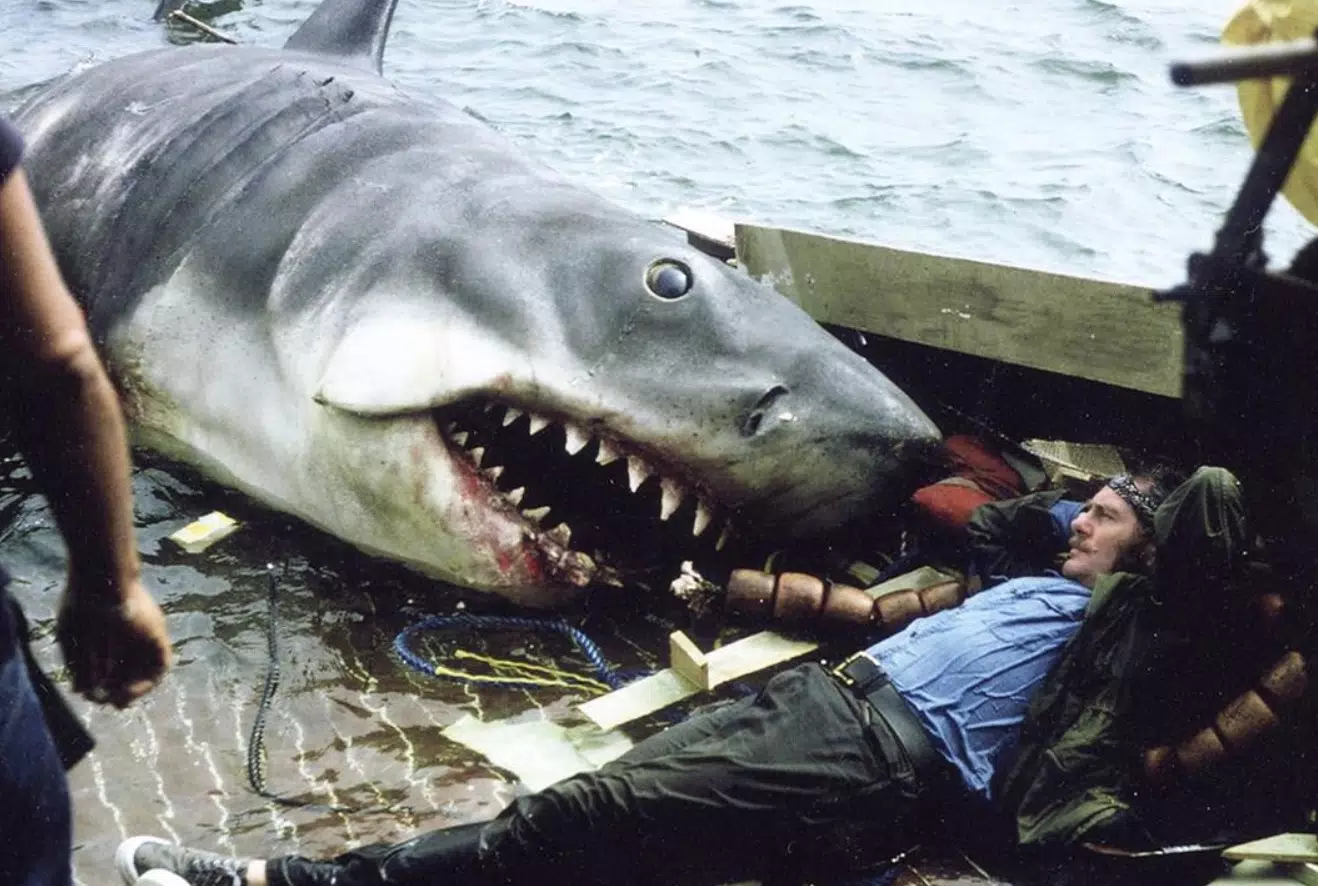
"Jaws": In that year, Spielberg was 29 years old. The classic aspect of the film isn't just the gigantic man-eating shark almost bursting out of the screen, but also the groundbreaking special effects that were ahead of their time, laying the foundation for films like "Jurassic Park."
Aliens
Whether it's mutant humans or mutant creatures, the highlight of these horror films lies in imaginative makeup and costume designs.
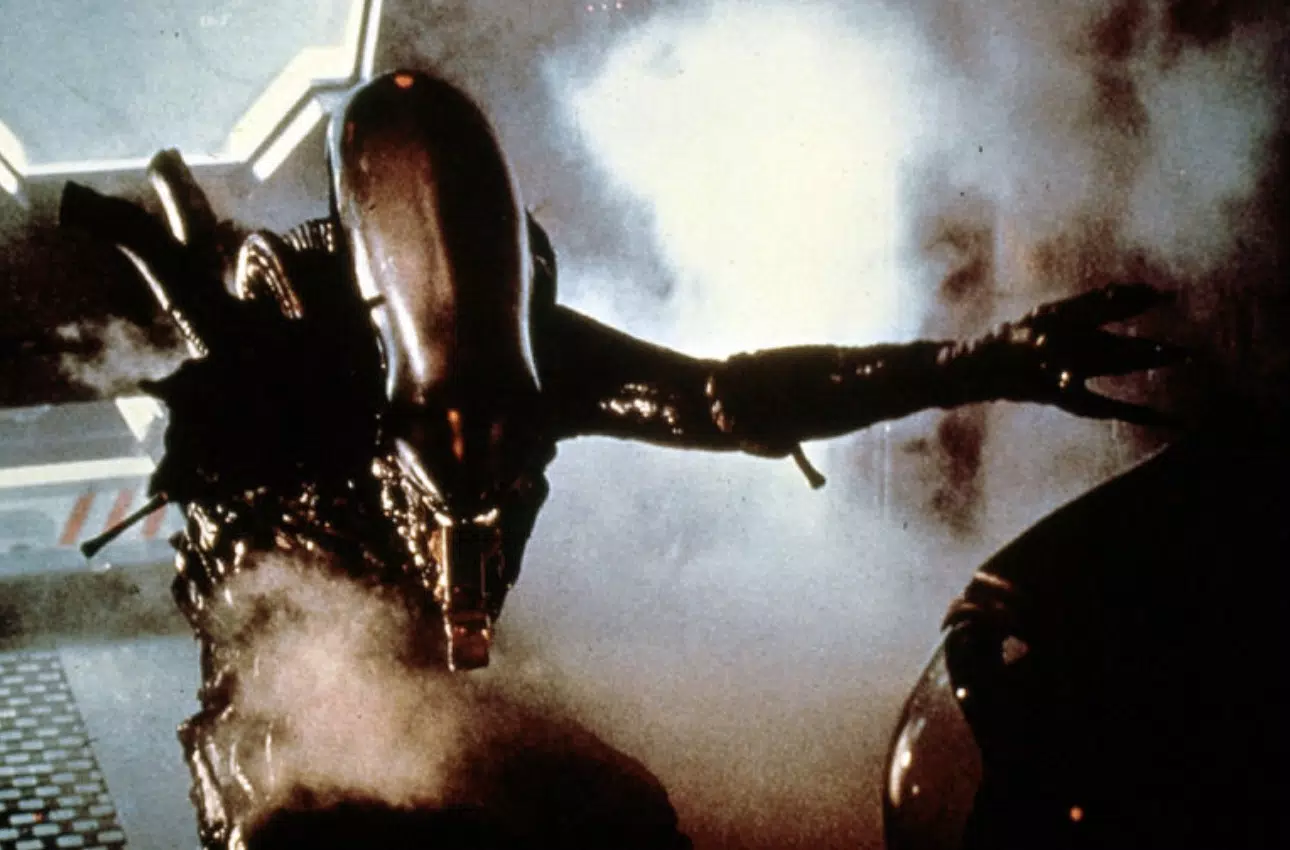
"Alien": From the first "Alien" directed by Ridley Scott in 1979, to the subsequent "Aliens 2, 3, 4" helmed by directors James Cameron, David Fincher, and Jean-Pierre Jeunet respectively, this series of films has garnered a huge fan base worldwide and become one of the most successful film franchises.
"Slither ": This is definitely one of the most disgusting films in this category. The male protagonist grows two octopus-like claws in his stomach, and a creature resembling a worm crawls into a person's throat and then emerges from the decapitated head of another person. If "The Human Centipede" made me nauseous, watching this requires an even stronger stomach.
"The Fly": Organ disintegration, limb fracturing, corrosive ooze... It's more grotesque than terrifying. This B-grade horror film directed by the somewhat eccentric David Cronenberg is known for its fantastic makeup, earning it the Oscar for Best Makeup at the 59th Academy Awards.
"The Host": For this disaster horror film that broke Korean box office records back in the day, you can find black humor from the perspective of the little guy, a warmth filled with concern for the underprivileged, and protests against American military colonization, but you won't find much horror.
Evil Children
Children with angelic faces are probably the last thing you associate with horror. However, in pursuit of the "contrast effect," filmmakers spare no effort in portraying children as sources of fear and evil in horror films.
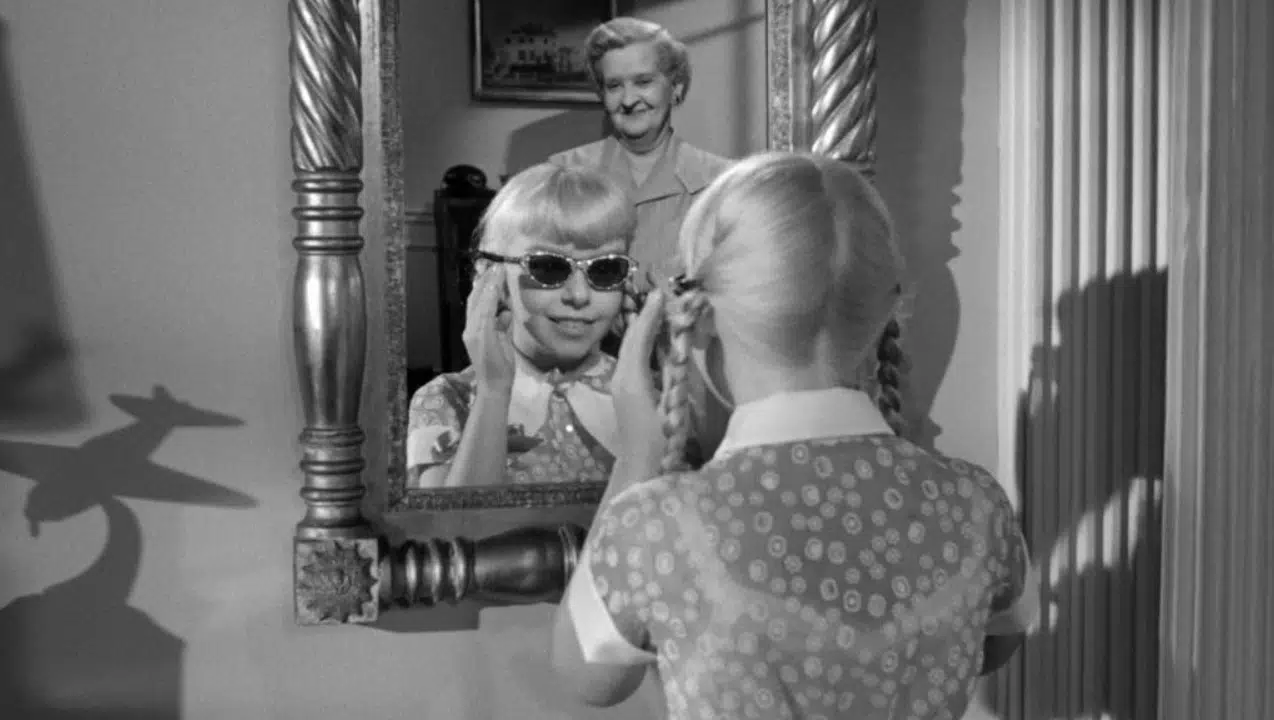
"The Bad Seed": Don't be deceived by the cuteness of children. Remember, cuteness can sometimes be a disguise. The film reveals the "evil" deeply rooted in a little girl, expressing the concept of "human nature is inherently evil."
"Village of the Damned": This black and white cult film from the 1960s has more hidden meanings than direct horror. Those children with white hair and glowing eyes who look like alien visitors—do, don't let them fix their gaze on you.
"Ju-on" (The Grudge): Just seeing the expressionless face with a pale blue hue in the poster gives me the creeps. I've only watched the first installment of this series, and I dare not continue. It's just too terrifying!
"Joshua": The source of all horror events is nothing more than a child's jealousy. Due to the birth of his sister, the boy named Joshua gradually becomes cold and dark, almost destroying the entire family.
"The Others": This is a heart-wrenching horror film. Nothing is more heart-wrenching than a lonely child. A medium says, "When horrifying events occur, there are traces left behind, like echoes, begging for love to save them."
Revenge Women
In a film industry often dominated by male perspectives and featuring elements of explicit content and violence, these movies typically carry strong feminist undertones. Renowned South Korean actress Kim Ki-young, known for her roles in films like "The Housemaid" and "The Insect Woman," summarized it perfectly: "Men are trash, women are monsters, and monsters take out the trash."
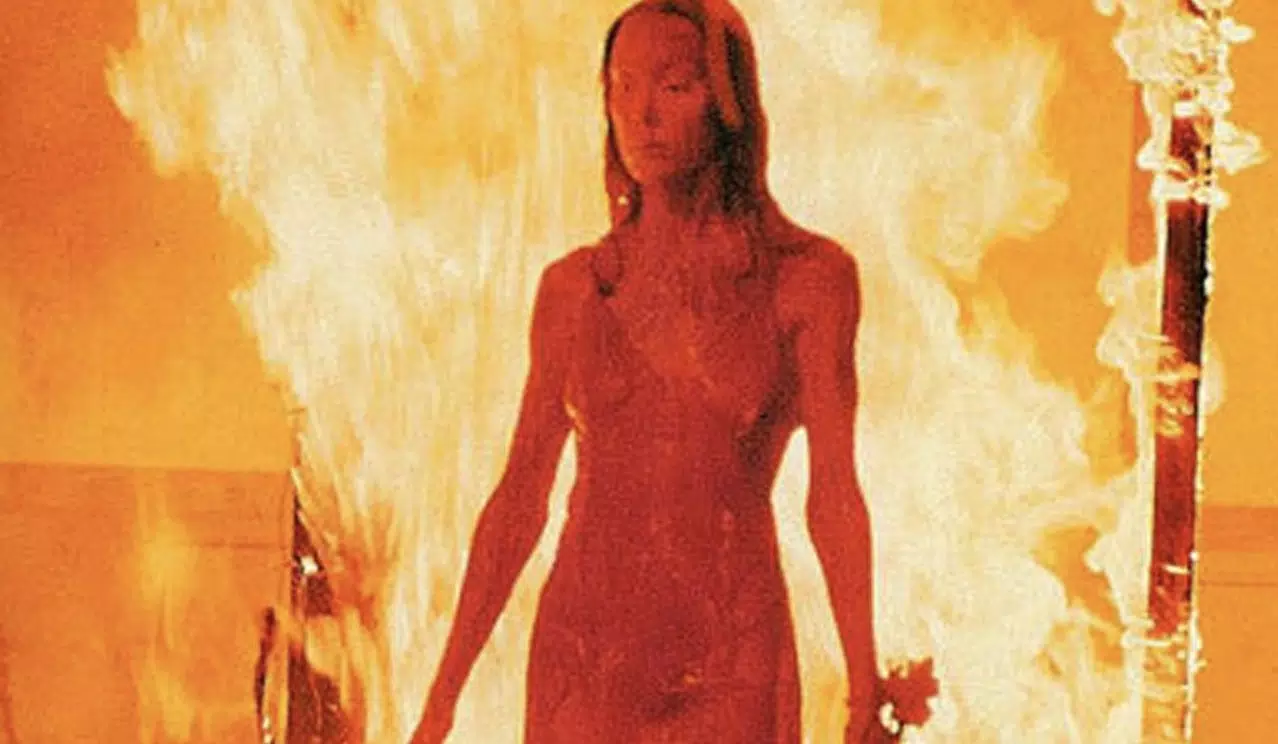
"Carrie": Based on Stephen King's classic novel of the same name, the film tells the story of a rebellious teenage outcast who uses her supernatural abilities for revenge. Sissy Spacek's portrayal of the vengeful girl earned her an Oscar nomination for Best Actress.
"I Spit on Your Grave": I watched the original version directed by Meir Zarchi, which retains the authentic 1970s and 1980s American atmosphere. Camille Keaton, the wife of Meir Zarchi, played Jennifer, the vengeful woman who rises after being gang-raped. The film is one of the world's top 10 banned films due to its nearly 20-minute naturalistic rape scenes and various brutal ways the female protagonist kills the men.
"Bedevilled": The film teaches us a simple truth: if a woman is not pushed to the extreme, she will never take up the "butcher knife" in her hands. The movie, in a calm, restrained, and simple manner, perfectly portrays the entire process of rural woman Kim Fook-nam's journey from enduring to committing a massacre.
Based on True Events
Many horror films in this category are adapted from infamous and gruesome serial killer cases, often gaining widespread attention even before production begins. These films serve to expose human nature and the dark side of society, making them particularly chilling due to their basis in real events.
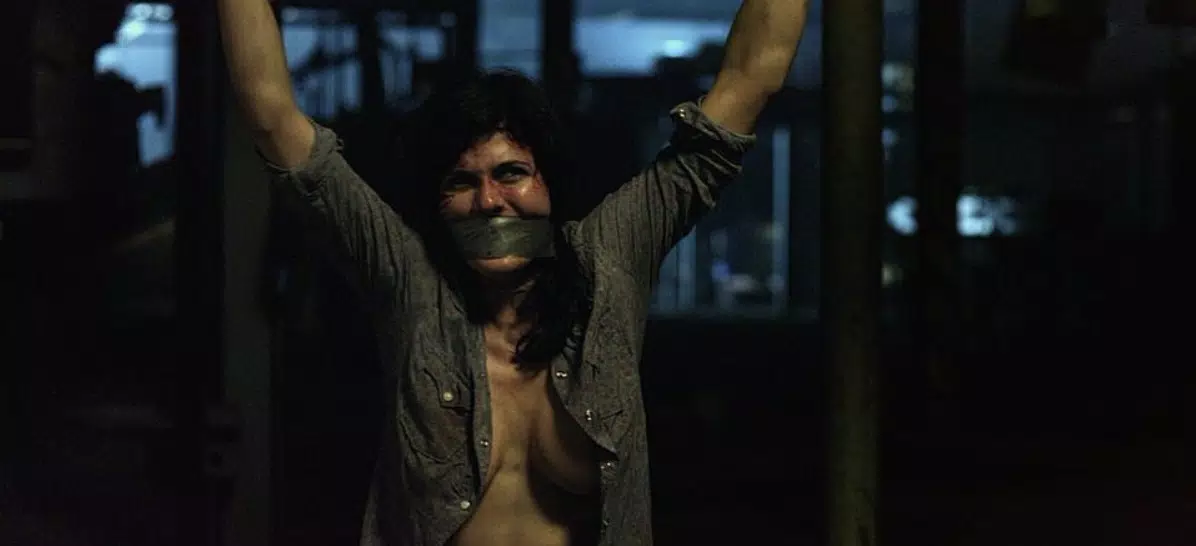
"The Texas Chainsaw Massacre": I watched the 2013 3D version as well as the 2006 prequel. The film is based on the real-life serial killings that occurred in Plainfield, Wisconsin. You can never know when the "Plainfield Butcher," who casually dismembers people like pork, will appear.
"Bathory": This film is based on the story of the notorious "Blood Countess" Elizabeth Bathory from medieval Hungary. It is said that the countess and her servants tortured and killed young girls in various ways within her castle. What's even more twisted is that this countess believed that bathing in the blood of these girls would preserve her youth.
"The Haunting in Connecticut": This horror film by Lionsgate is based on the sensational haunted house case in Connecticut in 1987 and mainly refers to the documentary "A Haunting in Connecticut" produced by the Discovery Channel. Even now, this "haunted house" in Connecticut still attracts many curious visitors every day.
"Cold Fish": I recently started catching up on films by Japanese "new cult" director Sion Sono. Among the three I've seen (the other two being "Guilty of Romance" and "Himizu"), I loved this one the most. The film is inspired by the "Saitama dog lovers serial murder case" that shocked Japan in the early 1990s. The most horrifying part of the film is the scenes where the husband and wife dismember bodies piece by piece. Sion Sono admits that he wanted to portray a "hopeless family" and didn't want to leave any hope in the film.
School Horror
I believe everyone has experienced late-night storytelling sessions (or listening to them) about ghost stories during their college days. Those widely circulated stories about school horrors, like the "100 times" or "back to back" rituals, are short but scary enough. In recent years, there has been a surge in horror films set in schools, especially those made in South Korea.
"The Faculty": Early in his career, Robert Rodriguez, KT's "bff," directed this B-movie gem, which boasts one of the most star-studded casts in B-grade teen horror films (many of the young actors in the film, who had tattoos back then, later became "celebrities"). The film's portrayal of an alien mother figure is quite classic.
"Whispering Corridors": In 1998, the release of "Whispering Corridors" marked the revival of South Korean domestic horror films after a decade-long hiatus. The film was highly successful in South Korea and spawned four sequels, leaving a significant impact. Some even divide South Korean horror films into "before 'Whispering Corridors'" and "after 'Whispering Corridors.'"
"Death Bell": In the end, the vengeful female lead, who is possessed or
possibly suffering from a split personality, perfectly gets her revenge. Similar to "Identity," you can call it possession or split personality. The screenwriters keep reminding us that those who appear the purest and most innocent are often the most dangerous. In any case, the film's satire on the education system is highly entertaining. In the final scene where the ghostly parents eat noodles, it reflects the twisted side of human nature in an extremely bizarre society.
For the first half of this story, please go to https://www.peliplat.com/en/article/10007351/Disgust-You,-Scare-You:-14-Major-Subgenres-of-Horror-Films-(1/2)





Share your thoughts!
Be the first to start the conversation.