
Shakespeare doesn't feel real. His plays are such an enormous part of English lore that the idea of this one person sitting down to write them seems nearly impossible. Only comparable with something like The Bible, his works have become sacred texts that are studied ad nauseam and largely considered infallible by their supporters. Chloé Zhao's new film, Hamnet, tries its best to shatter our enigmatic perception of The Bard.
If you've seen the trailer, you already know this movie's plot. William (Paul Mescal) and Agnes (Jessie Buckley) fall in love, have a son named Hamnet and that son dies, inspiring William to write a play called Hamlet. This isn't a movie with a big twist, intertwining storylines or grandiose set pieces. It's a small movie that takes literature's most monumental figure and shrinks him down to the size of a man.
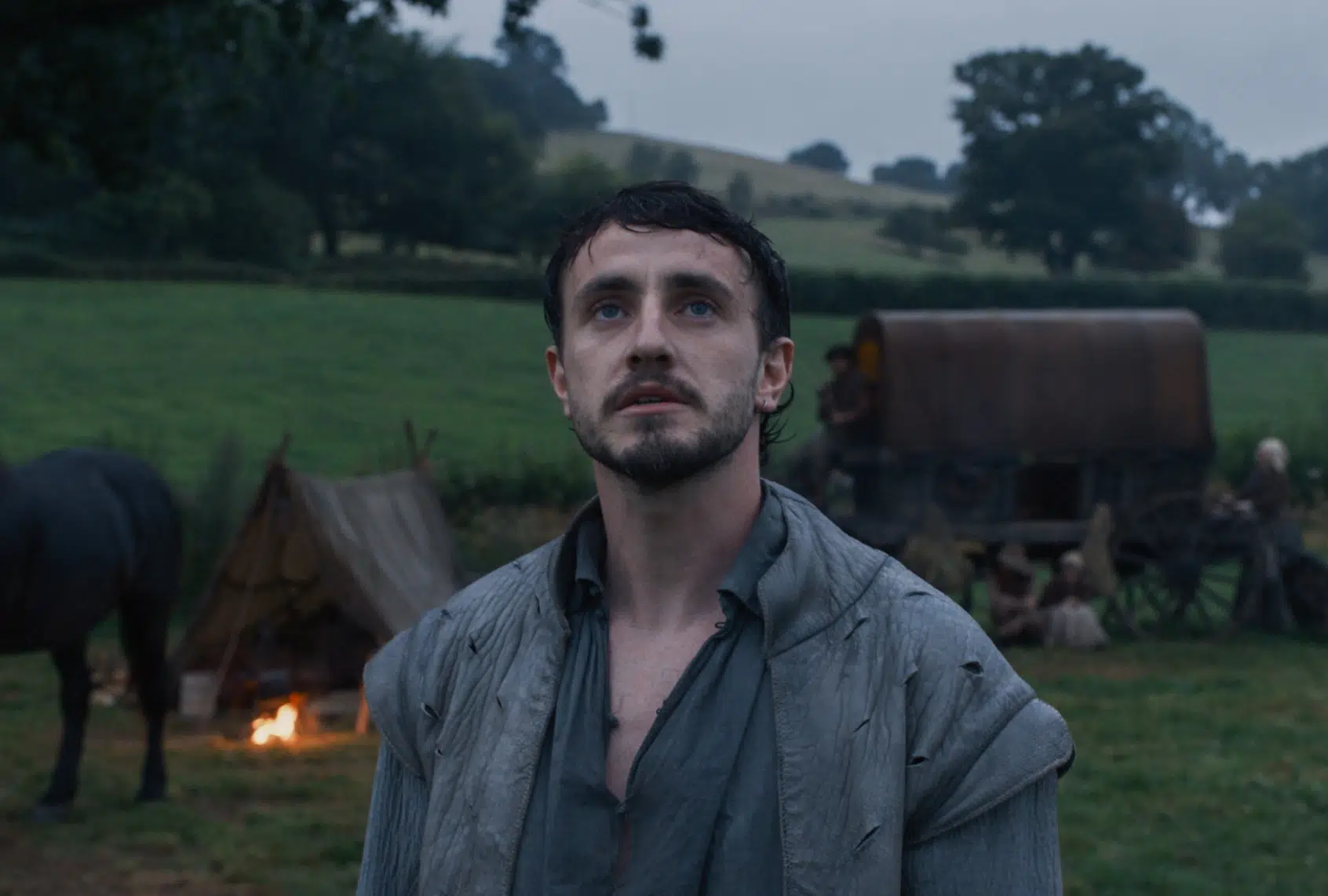
As a striving writer, I've heard all the tired tropes before: You can't wait for the muse; you need to write everyday; treat it like a job. Additionally, I've admired Shakespeare since I started reading him in grade school. Throw in that I'm a massive Mescal fan, and you can see why I was highly anticipating Hamnet. Maybe it didn't reveal the secret to Shakespeare's genius, but it redefined his most famous play and left me questioning the role of inspiration in art.
When we (or, at least, I) think of a muse, it's often as otherworldly intervention or a love interest. In Elizabethan times, a muse was often capitalized and represented as a deity. Inspiration supposedly came from the divine, often found in nature or deep thought. In more recent times, muses are often women who have inspired male artists — think Yoko Ono to John Lennon or Dora Marr to Picasso. William's muse takes a much darker form, as it's his deceased son who spurs him to creativity.
I can only imagine the torrents of emotions that one must feel after losing a child. I've often turned to writing during times of sadness or grief, but I've never experienced the level of trauma that William and Agnes suffer. When someone that I know dies, I will write a little bit either about them or for them, as a way for me to reflect on, respect and reconcile with their spirit. This idea of writing as absolution left me wondering about William's motives in writing Hamlet.
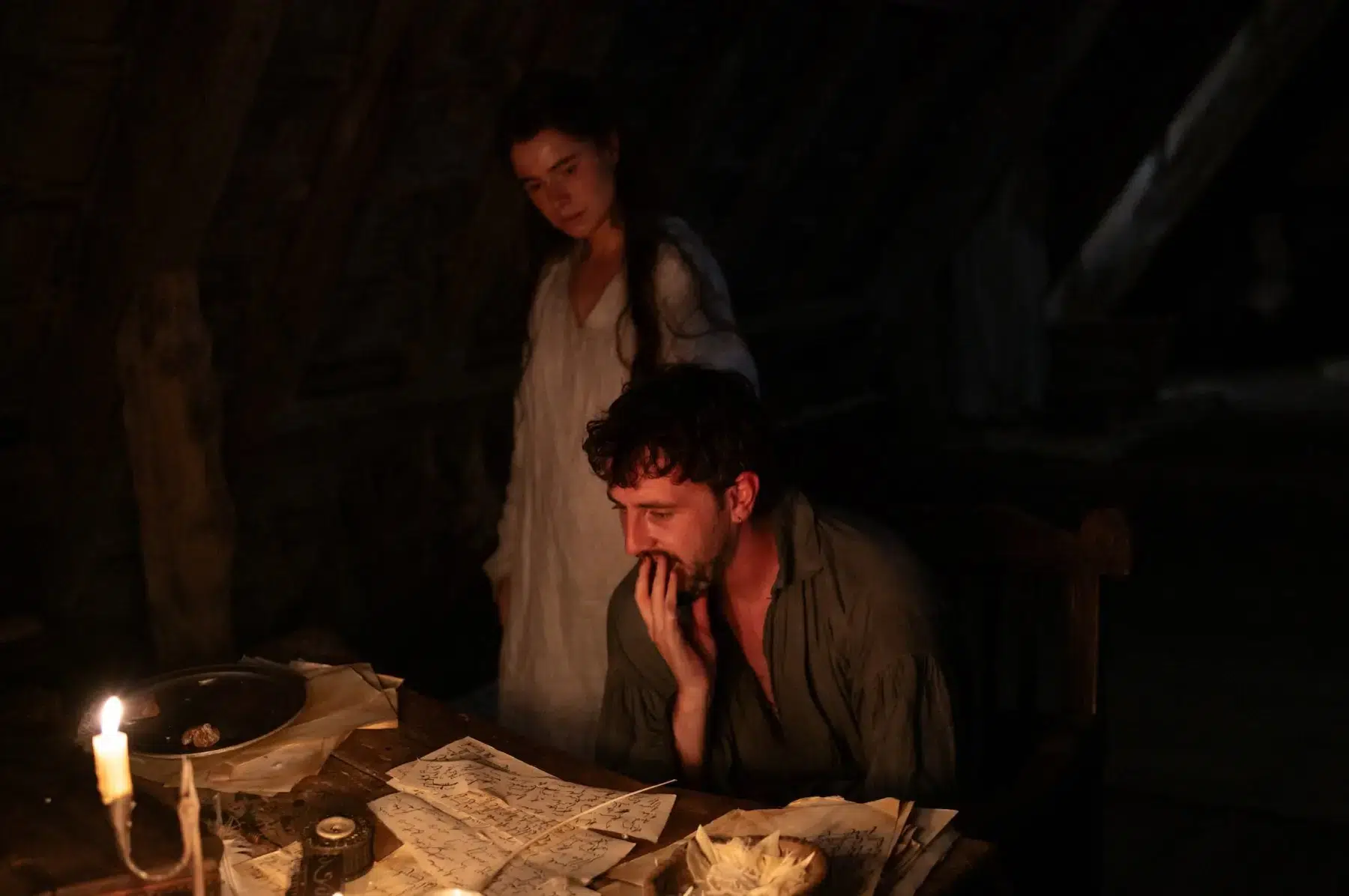
For himself, I have to think that William wrote as a way to cope with his loss. What he needed more than anything, in my interpretation, was closure. When the Ghost confronts Hamlet, the text usually reads as him warning his son about Claudius's treachery. In Hamnet, it's recontextualized as William using the stage to offer his son a proper farewell.
I am thy father’s spirit,
Doomed for a certain term to walk the night
And for the day confined to fast in fires
Till the foul crimes done in my days of nature
Are burnt and purged away.
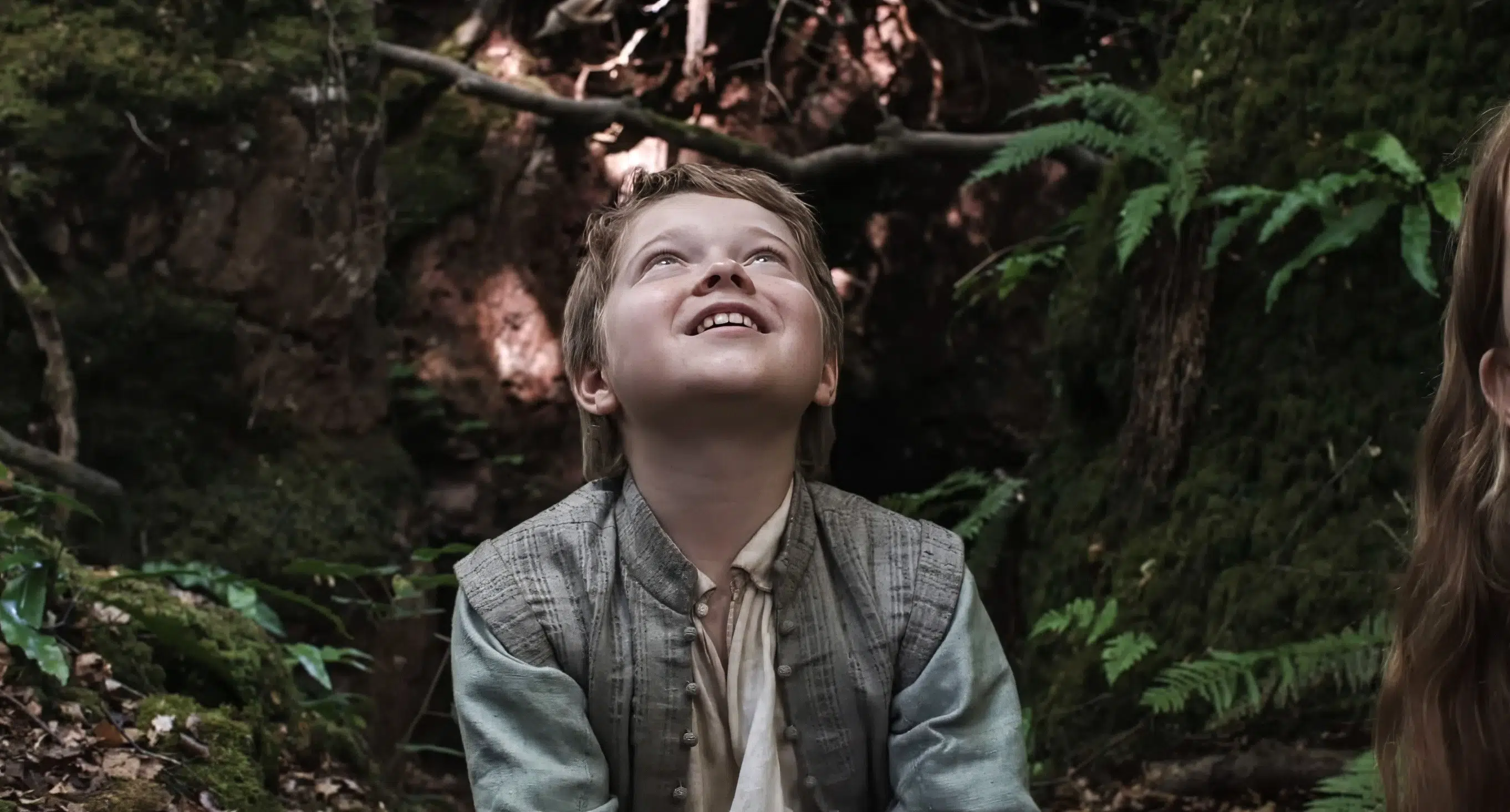
For his deceased son Hamnet, I must believe that William wanted the play to release the boy's spirit while still honouring his short life. There are scenes in the film where Hamnet, after his passing, is seen alone in a kind of non-place. He seems afraid and, whether these scenes exist in William's mind or not, I feel that Hamlet was a way for William to free Hamnet from this non-place so that he can pass into the afterlife. Additionally, and this may be more retrospective than grounded, the Hamlet character is arguably the greatest character ever written, so the character additionally acts as a way for William to honour his son, who was the greatest joy of his life.
Hamnet being dead may explain why Hamlet is such a dark and moody character. I remember being in a university English class and the professor saying that Hamlet was the original emo, comparing his messaging with the messaging of Green Day's “Boulevard of Broken Dreams.” William using Hamlet as a medium for the deceased Hamnet to speak to the world further proves my professor's theory, as there's nothing more emo than obsessing over personal sorrow. In a way, I can see how William used Hamlet as a way for Hamnet's spirit to accept his misfortune.
If thou didst ever hold me in thy heart,
Absent thee from felicity awhile
And in this harsh world draw thy breath in pain
To tell my story.
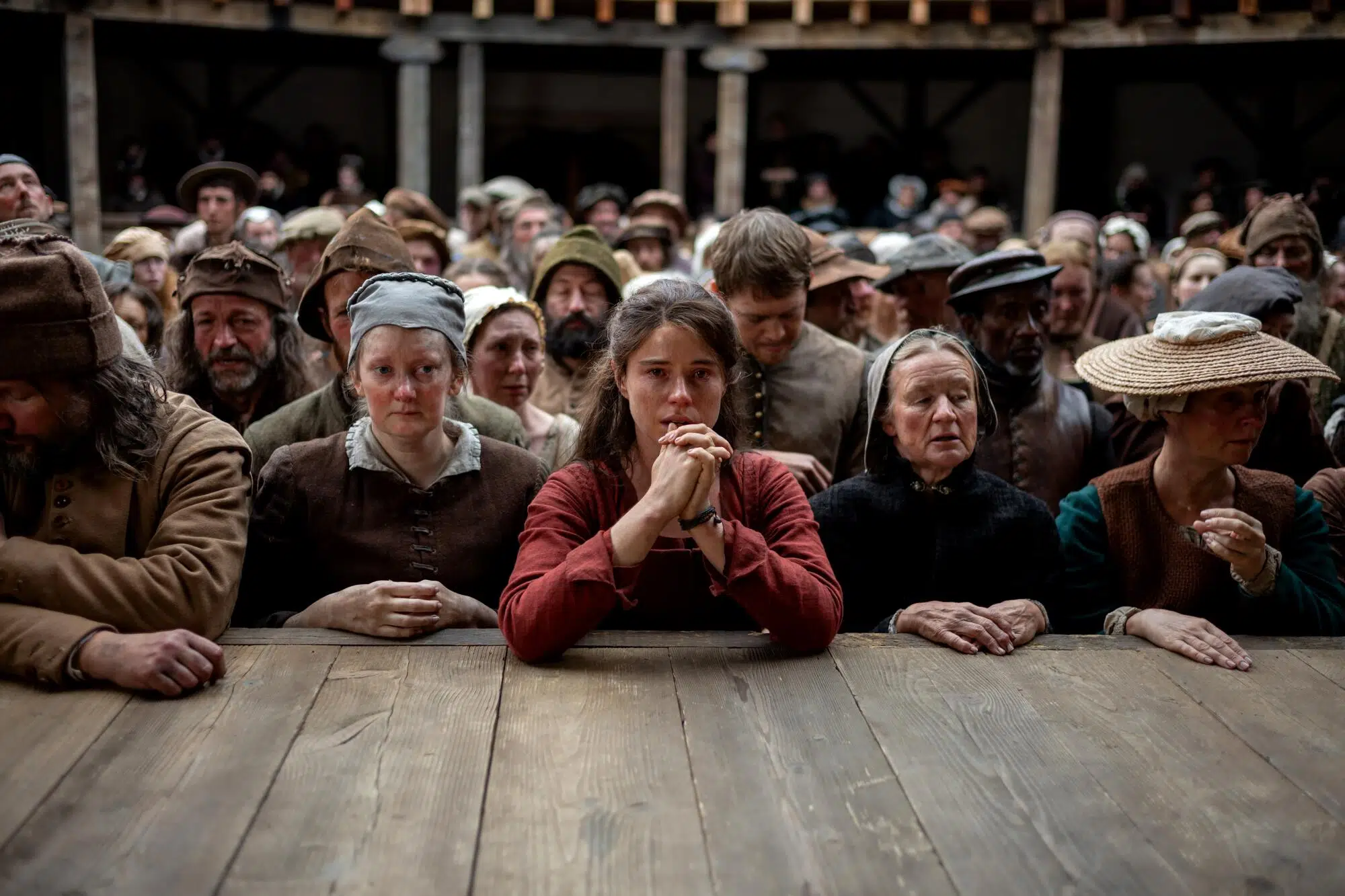
William's biggest gamble in writing Hamlet was the reaction it would evoke from his wife, the grieving mother, Agnes. As the play begins, her fight-or-flight response kicks in, and she wants to charge the stage to silence the actors who utter her boy's name. Luckily, she is restrained and the play continues. In the context of Hamnet, the play is William's attempt to soothe his wife and provide her with closure in the only way that he knows how.
She is the final piece of this triangular tragedy. She was left to grieve alone while her husband earned a living in London. They argue when he visits home, but her anger stems from his absence. William, ever the romantic poet, uses his play to say all the things that he cannot bring himself to utter.
When you write something for a specific person, there is always the worry that they will not like it. In attempting to soothe his heartbroken wife, William risks emotionally destroying her in public. However, his gamble pays off, and the play puts a smile on her face — her first since Hamnet's passing. When she reaches out and touches this human effigy of her son, it's as close as she'll come to receiving closure.
The play becomes a secret language between husband and wife. By using an actor as a medium, which she would understand as she is a student of witchcraft (as explained in the film), William can provide the solace that Agnes desperately needs. It is through this spiritual exercise that they are reunited, to live as happily ever after as they can, despite the misfortunes that they've endured. Art becomes the great connector, a renewal of happiness in times of bitter blackness.
Whether ’tis nobler in the mind to suffer
The slings and arrows of outrageous fortune,
Or to take arms against a sea of troubles
And, by opposing, end them.
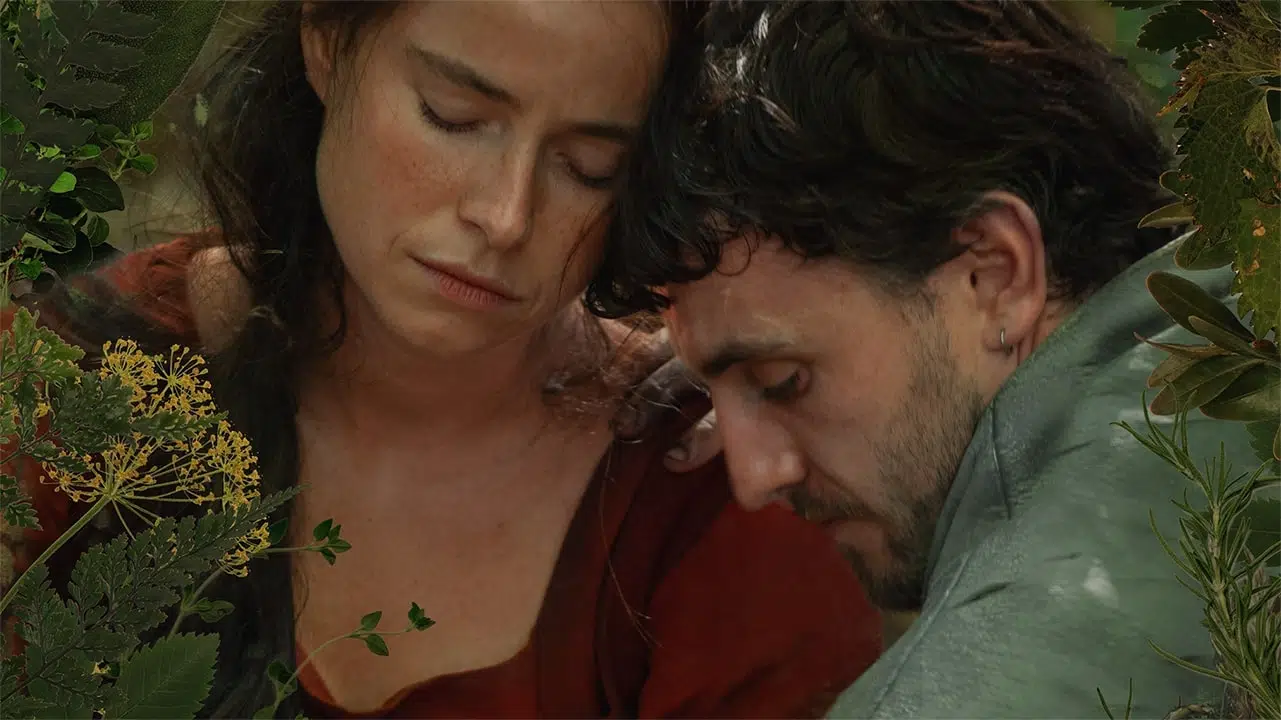
The film becomes a treatise on art's ability to heal. Like Sentimental Value, in having a character that communicates through creativity, Hamnet celebrates communication as the way to lighten the burden of those in distress. Unlike Jay Gatsby, who erroneously tries to change the past for the woman he loves, William hopes his work will give his love an escape from her traumatic memories. His play is not an obituary; it is a celebration of life.
Hamnet reflects the beauty that can come out of tragedy. Had Hamnet not died, William would have never found inspiration to write the greatest play of all time, but the film does not treat this exchange as a fair trade. There's no doubt that William and Agnes would rather have their son back, but this kind of transubstantiation provides hope for the grieving parents. If their son cannot return to them, then they can choose to let him go.
It does not close the sadness away behind a locked door, to stay held within their mortal coil. William chooses to open the door and release their sadness. He would rather set Hamnet free than have his memory collect dust in their grieving hearts. The release causes a flurry of melancholy, but, like a good cry, it always feels better once it's let out.





Share your thoughts!
Be the first to start the conversation.